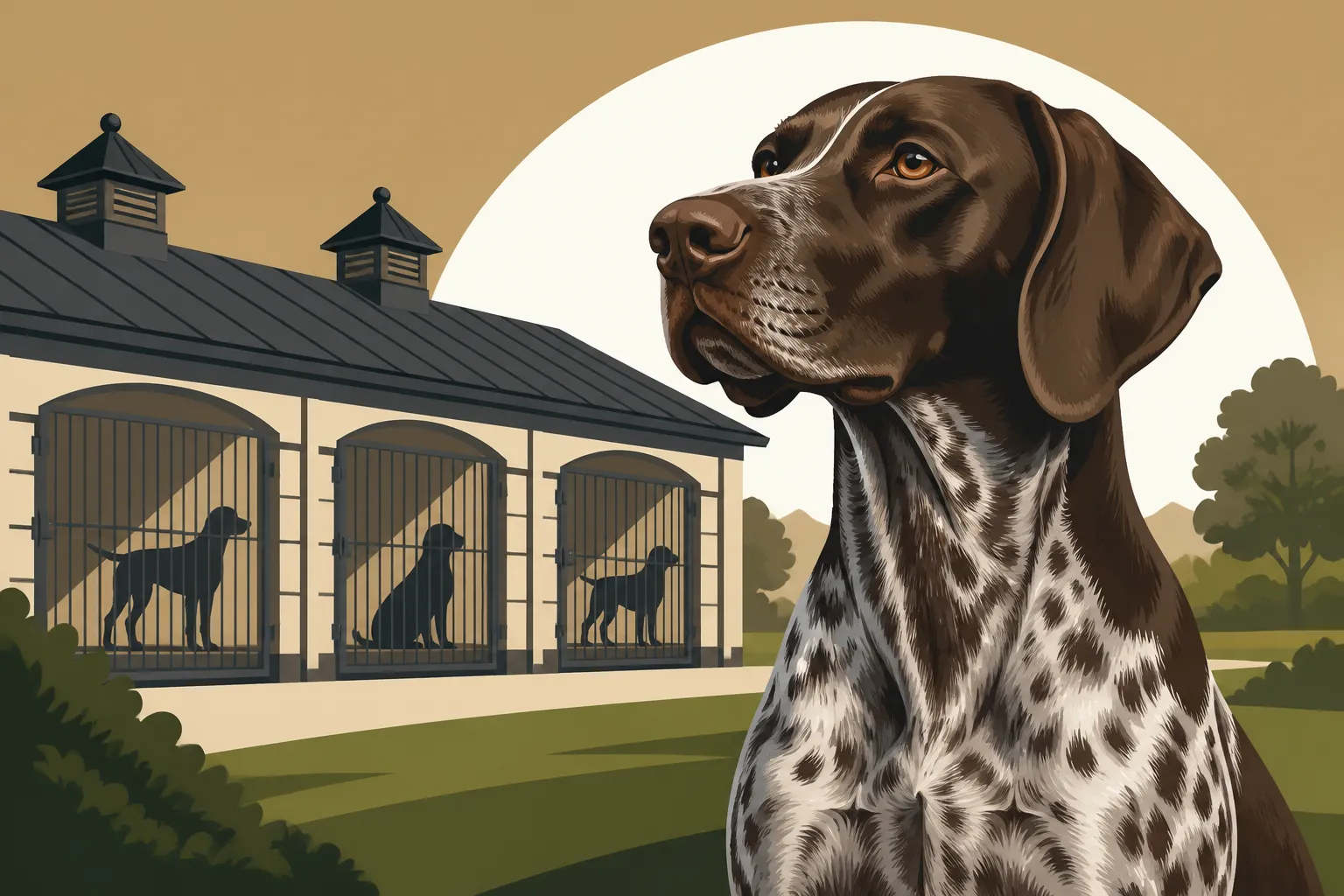
The German Kennels the Shorthair Was Built In
Many German Shorthaired Pointer owners know their incredible dogs hail from Germany, but the true depth of that heritage – the specific frustrations early German hunters faced, the meticulous breeding vision, and the practical demands that shaped every aspect of the GSP – often remains a mystery. This guide will take you on a journey back in time, exploring the very heart of the German kennels where this magnificent, versatile breed was forged, helping you understand the "why" behind your Shorthair's every instinct.
The Genesis of a Hunting Ideal: Why a Versatile Dog Was Needed
Imagine the challenges faced by German hunters centuries ago. Unlike some parts of the world with specialized breeds for every task, the German landscape and hunting traditions demanded a dog that could do it all. They didn't have the luxury of bringing a pointer for upland birds, a retriever for waterfowl, and a tracking hound for wounded game. This practical necessity was the fundamental frustration that fueled the creation of the German Shorthaired Pointer.
The Problem with Specialization in the German Countryside
In the sprawling German forests, fields, and wetlands, a hunter might encounter various game in a single day. One moment, they might be pursuing upland birds like pheasant or partridge, requiring a dog with a keen nose, an accurate point, and stamina. The next, they could be on the trail of a wounded deer or wild boar, demanding tracking prowess and courage. Later, crossing a pond or river, a hunter would need a dog willing and able to plunge into cold water to retrieve ducks. Bringing three or four different dogs for such a diverse day afield was simply impractical, if not impossible, for the average hunter.
This meant a significant compromise was always being made. A pure pointer might excel in the field but hesitate at water or lack the grit for tracking large game. A retriever might happily fetch from the water but have no natural inclination to point. The specialized dogs, while brilliant at their niche, left gaping holes in the overall hunting experience, forcing hunters to choose which tasks their dog would perform adequately and which would be neglected. This was the driving force for a dog that could truly be a jack-of-all-trades, and a master of most.
The Vision for a "Gebrauchshund"
The German term "Gebrauchshund" translates roughly to "utility dog" or "working dog," and it perfectly encapsulates the overarching vision that guided the early breeders. They weren't just looking for a pretty dog, or even a dog that was excellent at one thing; they wanted an animal that could fulfill all practical hunting needs with equal dedication and skill. This meant a dog with an unwavering point, a soft mouth for retrieving both fur and feather, a natural inclination to track, and the physical and mental toughness to withstand long days in varied terrain and weather.
This demand for versatility shaped the breed from its very foundation, influencing every decision from temperament to coat type. The breeders were creating a living tool, an indispensable partner in the field, designed to reduce the hunter's burden and increase their success across the full spectrum of German game. It wasn't about making a new kind of dog; it was about combining the best attributes of several existing breeds into one superior package, eliminating the need for multiple specialized animals.
The Ancestral Melting Pot: Foundation Stock of the Shorthair
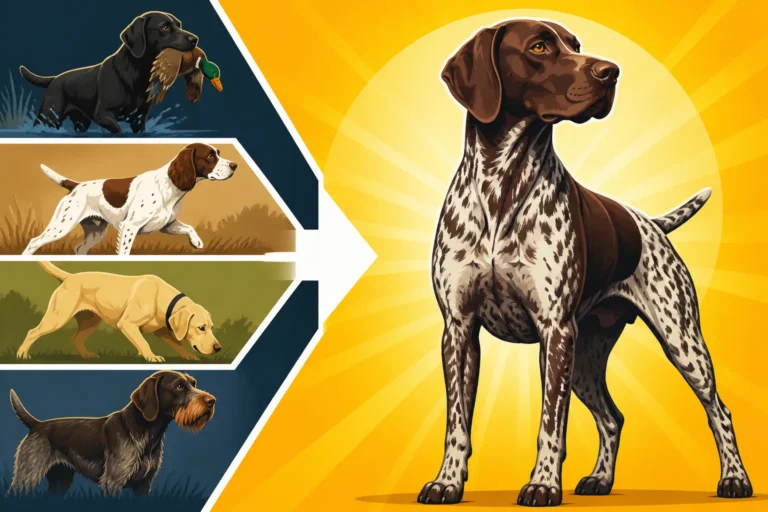
To achieve their ambitious goal of the ultimate versatile hunting dog, German breeders didn't start from scratch. They carefully selected and combined desirable traits from existing European hunting breeds, creating a genetic melting pot. Understanding these foundational breeds helps us appreciate the unique qualities of today's German Shorthaired Pointer.
The Early German Bird Dogs and Spanish Pointers
The story of the GSP begins with the "German Bird Dog" (German: Deutsch Stöberhund), a broad term for various local German pointing breeds that existed long before the modern GSP was formalized. These dogs were often heavy, slower-moving, and while they had pointing instincts, they lacked the speed and elegance that later generations would seek. They were sturdy, reliable dogs, but perhaps a bit clunky for the fast-paced upland hunting that was gaining popularity.
Into this mix, the elegant Spanish Pointer (or Old Spanish Pointer) played a crucial role. Imported into Germany, these dogs brought refinement, a lighter build, and a more graceful, high-headed point. They were faster and possessed a superior scenting ability, significantly enhancing the bird-finding capabilities of the heavier German stock. However, the Spanish Pointers often lacked the hardiness and all-around versatility—particularly the water work and tracking prowess—that German hunters demanded. The initial blending of these types was the first step towards the GSP, aiming to infuse the strength of the German dogs with the grace and pointing flair of the Spanish imports.
The Infusion of Hound and Other Sporting Blood
To achieve true versatility, more than just pointing ability was needed. To enhance tracking capabilities and add that tenacious "hound grit," breeders introduced a dash of hound blood, likely from breeds such as the Bloodhound or local German scenthounds. This infusion was critical for developing the Shorthair's remarkable nose for trailing wounded game, a trait still highly prized today. It also contributed to their deep chests and powerful musculature, enabling them to follow a scent for miles without tiring. This hound influence, however, needed to be balanced carefully, as too much could dampen the pointing instinct. The Hound Blood Behind a Shorthair's Nose is a fascinating dive into this aspect.
Later in the breed's development, it's believed that English Pointers were also incorporated to further refine the pointing style and introduce even more speed and elegance. The English Pointer was renowned for its electric, statuesque point and incredible stamina in open fields. This cross helped to create the distinct "picture point" that GSPs are famous for today, while also improving their field coverage and overall agility. The goal was always to enhance existing traits without sacrificing the rugged utility that was the cornerstone of the German vision. This careful, almost scientific, selection of traits from diverse breeds is a testament to the dedication of the early German breeders.
The Architects of the Breed: Key Figures and Early Kennels
The development of the German Shorthaired Pointer was not a haphazard affair but a deliberate, organized effort driven by passionate individuals and formal breeding programs. These early architects laid the groundwork, transforming a collection of regional types into a recognized, unified breed.
Prince Albrecht zu Solms-Braunfels and the Systematic Approach
No discussion of the German Shorthaired Pointer's origins is complete without acknowledging Prince Albrecht zu Solms-Braunfels. Active in the mid-19th century, Prince Albrecht was a pivotal figure who championed a systematic approach to dog breeding, particularly for hunting dogs. He recognized the inconsistencies in the various regional German bird dogs and advocated for a more scientific method, emphasizing a dog's working ability over mere appearance. His philosophy, often summarized as "form follows function," became a guiding principle for GSP breeders. He believed that a dog's physical attributes should directly support its hunting capabilities, and that temperament and trainability were paramount.
Prince Albrecht published comprehensive guidelines for breeding and training, focusing on rigorous testing of a dog's natural abilities in the field. He was instrumental in establishing breed clubs and stud books, which formally recorded pedigrees and ensured that only proven working dogs were used for breeding. This commitment to documentation and verifiable performance was revolutionary at the time and set the stage for the standardization of the GSP. Prince Albrecht and the First Shorthair Stud Book delves deeper into his foundational role.
The Role of Early German Breed Clubs and Stud Books
Before the era of formal breed clubs, dog breeding was often a localized, informal affair. Hunters simply bred their best working dogs, with little thought given to standardized traits or genetic lineage beyond their immediate region. The establishment of German breed clubs, heavily influenced by Prince Albrecht's principles, changed everything. These clubs introduced structured breeding programs, defined breed standards, and, most importantly, initiated the creation of stud books.
These stud books were vital repositories of information, meticulously recording the ancestry of each dog, its parents' working titles, and its physical characteristics. This allowed breeders to trace bloodlines, identify desirable traits, and avoid perpetuating weaknesses. The clubs also organized rigorous field tests, often referred to as "Verband Gebrauchshundprüfungen" (VGP), which assessed a dog's performance in pointing, retrieving, tracking, and even temperament under various hunting scenarios. Only dogs that excelled in these tests were deemed worthy of contributing to the breed's future, ensuring that the GSP remained a top-tier working dog. This commitment to practical assessment meant that dogs were not bred solely for looks, but for verifiable utility in the field, a practice that continues to distinguish the Deutsch Kurzhaar today.
Sculpting the Ideal Hunter: Refining the Breed for Performance
Once the foundational genetic material was established and the systematic approach took hold, the focus shifted to refinement. Breeders meticulously selected for specific performance traits that would elevate the German Shorthaired Pointer from merely "versatile" to truly exceptional in the field.
Emphasizing Speed, Stamina, and Scenting Prowess
Early German bird dogs, while hardy, often lacked the explosive speed and tireless stamina required for covering vast open fields in pursuit of fast-moving game. The introduction of Pointer blood, as discussed earlier, was a crucial step in How Breeders Put Speed Into the Shorthair. This not only increased their pace but also refined their gait, allowing them to move efficiently and gracefully across varied terrain for extended periods. The goal was a dog that could hunt all day without faltering, maintaining its enthusiasm and focus from dawn until dusk.
Alongside physical speed, paramount importance was placed on an exceptional nose. A Shorthair had to be able to pick up faint scent trails, differentiate between various game birds, and meticulously follow a track. This intense focus on scenting prowess meant that generations of dogs were selected for their natural ability to locate and point game, even in challenging conditions. This combination of speed and an unparalleled nose allowed the Shorthair to efficiently cover ground and locate birds, minimizing missed opportunities for the hunter. The rigorous field tests enforced this, with dogs scored on how effectively they used the wind and terrain to find game.
The Development of a "Picture Point" and Soft Mouth Retrieve
The pointing instinct was a cornerstone of the GSP's utility, but early German bird dogs often had a "creepy" point, meaning they would inch forward as the hunter approached the bird. Breeders actively worked to develop a staunch, rock-solid "picture point" – where the dog would freeze, often with one leg raised, for an extended period, allowing the hunter to get into position. This dramatic, unmoving stance is one of the most iconic features of the breed today and was a direct result of intentional selection.
Equally important was the development of a "soft mouth" for retrieving. A powerful hunting dog could easily damage or "hard mouth" game birds, rendering them unfit for the table. Breeders carefully selected dogs that would retrieve game gently, carrying it without crushing or tearing, and delivering it directly to the hunter's hand. This meant a dog that was enthusiastic about retrieving but had innate control. Force Fetch and a German Shorthaired Pointer's Retrieve is a training philosophy that often comes into play here, although many Shorthairs have a strong natural retrieve. This meticulous attention to detail in both pointing and retrieving ensured that the GSP was not just a finder of game, but a reliable partner in its successful recovery.
The Deutsch Kurzhaar: Naming and Early Breed Standards
The formalization of the German Shorthaired Pointer involved more than just breeding; it required establishing a clear identity, a consistent name, and a detailed description of what the ideal dog should embody. This process solidified the breed's place in the world of working dogs.
Official Recognition and Naming Conventions
The name "Deutsch Kurzhaar" is the original German name for the breed, literally translating to "German Shorthair." This designation reflects its country of origin and its distinctive short coat. This official name was crucial for distinguishing it from other German pointing breeds (like the German Wirehaired Pointer or German Longhaired Pointer) and from other European pointers. The adoption of this consistent nomenclature by the German breed clubs provided a unified identity, making it easier for breeders and hunters across the country to refer to and discuss the same type of dog.
This official recognition also came with the responsibility of upholding the breed's working purpose. Unlike some breeds where aesthetic trends might dictate breeding decisions, the Deutsch Kurzhaar was, and largely remains, judged first and foremost on its utility. This emphasis meant that the German breed clubs had a strong influence on maintaining the breed's functional integrity, ensuring that as the breed gained popularity, it never strayed too far from its roots as a premier hunting companion.
Establishing the Breed Standard and Physical Attributes
With formal recognition came the need for a detailed breed standard. This written document meticulously described the ideal physical characteristics, temperament, and movement of a Deutsch Kurzhaar. It covered everything from height and weight to head shape, ear set, coat color, and texture. The standard wasn't just about aesthetics; every point tied back to functionality. For instance, the deep chest was for lung capacity and stamina, the webbed feet for water work, and the powerful hindquarters for explosive speed and jumping ability.
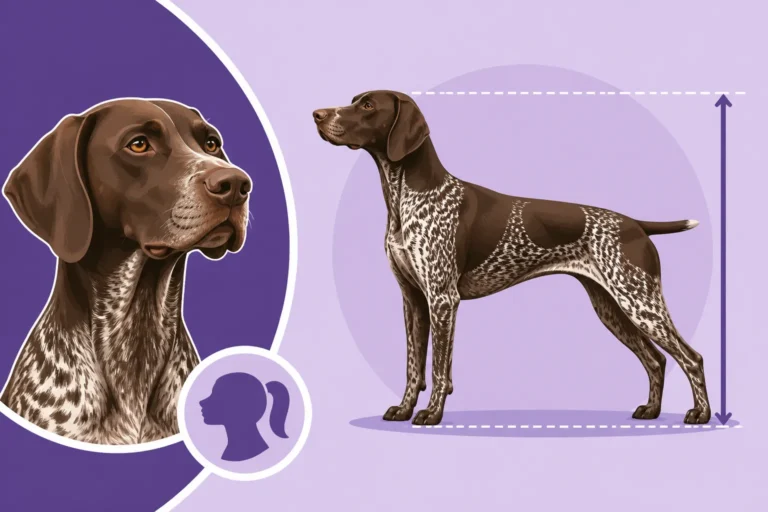
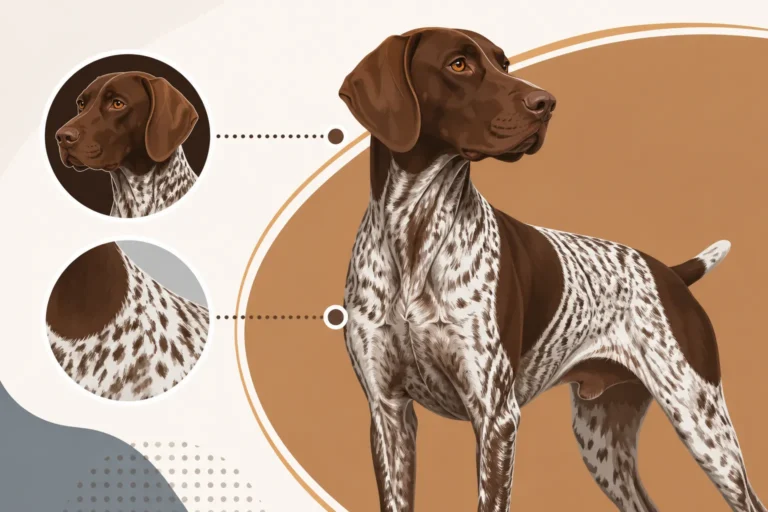
For example, The Size and Build the Shorthair Standard Asks For dictates a strong, muscular, athletic build, reflecting the need for endurance and power in the field. The short, dense, water-resistant coat was specified for protection against harsh weather and thorny cover. Colors were typically liver and white, or solid liver, often with ticking or roan patterns. Liver, Black and the Colors That Disqualify a Shorthair outlines how specific coat colors were defined within the standard, ensuring a consistent appearance that also served a practical purpose in camouflage and durability. The breed standard served as a blueprint, guiding breeders in their selection and ensuring that future generations of GSPs would consistently embody the versatile hunting machine envisioned by its creators.
The Enduring Impact of German Breeding Philosophy
The German approach to breeding working dogs, often stricter and more performance-driven than in some other countries, left an indelible mark on the German Shorthaired Pointer. This philosophy is a key reason why the breed has maintained its incredible working ability for generations.
Emphasis on Working Ability Over Conformation Alone
One of the most defining aspects of German breeding philosophy for dogs like the Kurzhaar is the unwavering commitment to working ability. While conformation (a dog's physical appearance in relation to the breed standard) is important, it is secondary to proven performance in the field. In many German breed systems, a dog cannot be bred unless it has passed rigorous hunting tests that demonstrate its natural abilities and trainability. This stands in contrast to some systems where a dog can achieve championship status based solely on its appearance in the show ring, without ever proving its working mettle.
This means that a German Shorthaired Pointer from historically strong German lines is almost guaranteed to possess strong hunting instincts: a keen nose, a solid point, an eagerness to retrieve, and intelligence. Breeders in Germany often focus on producing dogs that can earn multiple working titles, from basic natural ability tests to advanced utility tests that simulate real hunting conditions. This "function first" mentality ensures that the fundamental purpose of the GSP – to be an exceptional, versatile hunting dog – is never diluted by fads or purely aesthetic considerations. You can see this reflected in articles like How the German Verband Registers a Kurzhaar.
Health Testing and Temperament Screening
Another cornerstone of German breeding is the stringent focus on health and temperament. Before a dog is even considered for breeding, it must undergo extensive health screenings for common genetic conditions that could impact its working life. For German Shorthaired Pointers, this typically includes examinations for hip and elbow dysplasia, eye conditions, and cardiac health. The results of these tests are often publicly recorded and factored into breeding decisions. This proactive approach helps to reduce the incidence of hereditary diseases, ensuring that the working partners produced are sound and capable of long, active lives. Hips and the CHIC Panel a German Shorthaired Pointer Needs highlights the importance of such screenings.
Temperament is also heavily screened. A truly versatile hunting dog needs to be intelligent, biddable, and possess a stable, confident disposition. A dog that is fearful, overly aggressive, or lacking in focus would be a liability in the field. German tests often include evaluations of a dog's courage, composure under pressure (like gunfire), and willingness to work with its handler. This rigorous screening for both physical and mental soundness means that a German Shorthaired Pointer, regardless of whether it's destined for a hunting home or a very active family, comes from a lineage carefully selected for its inherent good nature and robust health. This focus on solid genetics and health is why reputable breeders, often found on platforms that cater to serious dog owners like Chewy, will happily provide health clearances for their breeding stock.
From German Countryside to Global Recognition: Early Export and American Adaptation
The exceptional qualities of the German Shorthaired Pointer couldn't be contained within Germany's borders for long. As word spread, the breed began its journey across continents, finding new enthusiasts and adapting to different hunting landscapes, eventually establishing itself as a beloved fixture in North America and beyond.
The Journey to North America and Initial Acceptance
The first German Shorthaired Pointers began arriving in the United States in the early 20th century. Hunters and dog enthusiasts quickly recognized their unique blend of versatility, intelligence, and athleticism. American hunters, facing similar needs for a multi-purpose dog that could handle both upland birds and waterfowl, found the GSP to be an ideal partner. The breed offered a distinct advantage over more specialized English pointers or setters, which often struggled with retrieving from water or tracking wounded game with the same tenacity.
The appeal was immediate, and the breed's popularity grew steadily. American breeders and enthusiasts embraced the German principles of breeding for working ability, although some adaptations naturally occurred to suit the different hunting styles and available game. This blend of German foundation and American practicality led to the widespread adoption of the GSP, moving it from a niche European breed to a prominent position in the American sporting dog scene. How the Shorthair Reached the United States offers a detailed look at this transatlantic journey.
The AKC Entry and Expanding Popularity
The German Shorthaired Pointer gained official recognition from the American Kennel Club (AKC) in 1930, marking a significant milestone in its journey in North America. This AKC entry brought increased visibility and formalized the breed's presence, allowing GSPs to compete in conformation shows, obedience trials, and most importantly for their heritage, AKC hunt tests and field trials. The AKC's recognition helped to standardize the breed in the U.S., ensuring that breeders had a common goal and set of guidelines.
As the breed's reputation for versatility and trainability grew, so did its popularity, extending beyond the dedicated hunting community. Families discovered that a well-exercised German Shorthaired Pointer made an energetic, loyal, and intelligent companion, provided their substantial exercise needs were met. Their affectionate nature, coupled with their striking appearance, made them increasingly desirable as family pets. However, even with this expanded appeal, the breed's core identity as a working gun dog has largely endured, a testament to its strong German foundations. This dual role as both a formidable hunter and a beloved family member is a hallmark of the modern GSP.
Modern Echoes of German Heritage: What This History Means for Today's GSPs
The centuries of selective breeding in German kennels have left an indelible imprint on every German Shorthaired Pointer today. Understanding this history isn't just an academic exercise; it provides crucial insights into why your Shorthair behaves the way it does and how best to live with and train this remarkable breed.
Understanding Your GSP's Instincts and Drive
If you live with a German Shorthaired Pointer, you know they are not content to be couch potatoes. Their boundless energy, incredible stamina, and intense focus are direct legacies of their German heritage. When your Shorthair quarters a field with its nose to the ground, points rigidly at a bird in the yard, or plunges enthusiastically into a pond to retrieve a toy, it's not just playing – it's performing the tasks it was literally bred for over generations. This intense drive means they require substantial physical and mental exercise daily. The Two Hours a Day a German Shorthaired Pointer Needs is not an exaggeration; it's a minimum requirement for a happy, well-adjusted GSP.
This historical context helps you understand why they have such strong prey drive, why they are so athletic, and why they thrive on having a job to do. Without an outlet for these deeply ingrained instincts, a German Shorthaired Pointer can become frustrated, leading to unwanted behaviors like excessive chewing, digging, or anxiety. Providing appropriate activities that tap into their natural abilities, whether it's hunting, agility, running, or scent work, is essential for their well-being. Even a pet GSP needs opportunities to express its ancestral instincts, perhaps through long hikes, flirt poles, or mentally stimulating puzzle toys readily available on platforms like Chewy.
The Enduring Versatility in Everyday Life
The "versatile" ideal of the German Gebrauchshund extends far beyond the hunting field and into the everyday lives of GSP owners. This means your Shorthair is likely to be adaptable and capable in a variety of situations. They are often quick learners, eager to please, and can excel in diverse dog sports from agility to dock diving to competitive obedience. Their tracking ability, developed for wounded game, can be channeled into fun scent work games or even serious search and rescue training. Their love of water translates into enthusiastic swimming partners.
This innate versatility also means they often form incredibly strong bonds with their human families, seeing them as their "pack" or hunting partners. They are typically intelligent and intuitive, often anticipating your next move. However, this also comes with the "Velcro dog" tendency, where they want to be involved in everything you do. The Velcro Side of a German Shorthaired Pointer can be endearing, but also intense. Understanding this historical drive for partnership and utility can help you channel their energy positively, turning potential challenges into opportunities for growth and deeper bonding. From high-quality food to durable training equipment, understanding their inherent needs as a versatile working dog is key to a harmonious relationship.
Considerations for Prospective Owners
For anyone considering bringing a German Shorthaired Pointer into their life, a deep understanding of their German heritage is paramount. These are not dogs for the faint of heart or those seeking a low-maintenance companion. Their history dictates a need for significant exercise, consistent training, and active engagement. If you are not prepared to dedicate the time and energy to nurture their innate working drive, a GSP might not be the right fit, and the breed's high rehoming rates for young adults often stem from a misunderstanding of these needs.
| Ancestral Influence | Key Traits Contributed | Impact on Modern GSP |
|---|---|---|
| Early German Bird Dog | Hardiness, Stamina | Robust health, Endurance in field |
| Old Spanish Pointer | Refined Point, Scenting | Elegant, staunch point, Exceptional nose |
| Scent Hounds | Tracking ability, Grit | Tenacious tracker, Courageous on trail |
| English Pointer | Speed, Grace, Field Coverage | Athletic gait, Swift ground coverage |
However, for those who embrace their history and provide the mental and physical stimulation they require, a German Shorthaired Pointer offers unparalleled companionship, intelligence, and a loyal, energetic partner for all of life's adventures. Their enthusiasm for life is infectious, and their capacity for love knows no bounds. By respecting their origins and providing outlets for their ingrained behaviors, you unlock the full potential of this magnificent German creation.
Disclaimer
This article is for general informational purposes only and does not constitute professional advice. Laws, prices and regulations vary by location and change over time. Consult a qualified professional for guidance on your specific situation.