What Versatile Actually Means for a Shorthair
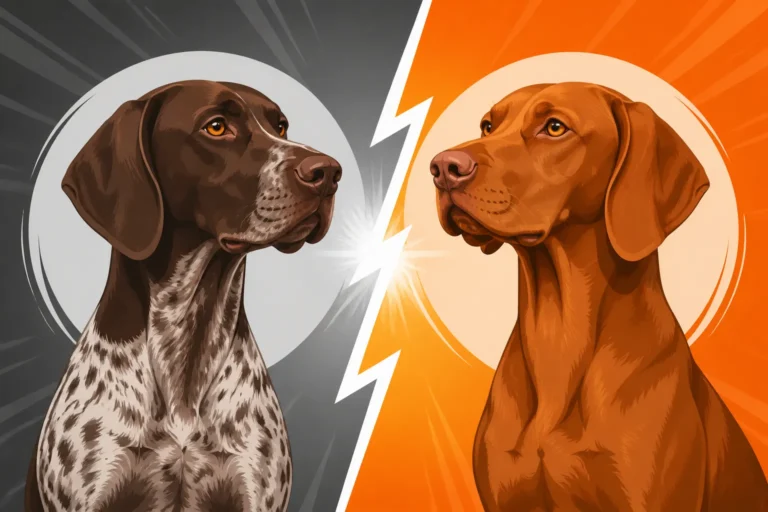
Many aspiring German Shorthaired Pointer owners hear the word "versatile" tossed around a lot, but what does it really mean for the dog they bring into their home and field? It's not just a fancy marketing term; it speaks to the very essence of the breed, a heritage steeped in the demanding needs of European hunters. This comprehensive guide will peel back the layers of this fascinating trait, exploring its origins, its implications for training and daily life, and what it truly means to live with a dog bred for so many roles.
The Historical Roots of Shorthair Versatility
To understand the German Shorthaired Pointer's versatility, we have to look back to its beginnings. This wasn't a breed created on a whim or for aesthetics; it was a pragmatic solution born out of necessity in the hunting grounds of 19th-century Germany. Hunters there faced different challenges than their counterparts in other countries, and these challenges directly shaped the dog we know and love today.
German Hunting Demands and the "All-Purpose" Dog
Imagine being a German hunter in the 1800s. Your day afield might involve tracking a wounded stag through dense forest, then transitioning to finding upland birds in a stubble field, and perhaps finishing with retrieving ducks from a chilly pond. Most other hunting breeds at the time were specialists: a Pointer for birds, a Bloodhound for tracking, a Water Spaniel for retrieving. To own and maintain all these specialist dogs was a luxury many couldn't afford, and managing multiple distinct breeds for one hunting trip was impractical at best, and exhausting at worst.
The solution was clear, if ambitious: develop a single dog capable of performing all these tasks with competence. This meant breeding for a dog that possessed a keen nose, biddable temperament, physical endurance, and a natural affinity for both land and water. The concept was revolutionary at the time, leading to the creation of a true "all-purpose" hunting companion. This desire for efficiency and broad capability is the bedrock of the German Shorthaired Pointer's renowned versatility. They weren't just expected to do one thing well; they were expected to do everything well enough to be invaluable across a full day of diverse hunting scenarios. If you want to dive deeper into their origins, check out The German Kennels the Shorthair Was Built In.
Early Ancestors and the Blending of Traits
The German Shorthaired Pointer wasn't born overnight. Its creation involved a careful, deliberate cross-breeding program, often spanning generations, to combine the most desirable traits from various existing breeds. Early progenitors likely included the old Spanish Pointer, with its strong pointing instincts, and local German scent hounds, which contributed tracking ability and robust constitutions. Later, infusions of English Pointer blood were thought to add speed and a more stylish point, refining the breed's athleticism and grace in the field.
This intentional blending of diverse genetic lines was crucial. Breeders weren't just looking for a good pointing dog; they were seeking a dog that could point, track, retrieve, and even work against vermin. This was a genetic tapestry woven with specific purpose, selecting for dogs that consistently demonstrated a range of skills rather than excelling in just one. The goal was to produce a medium-sized, powerful dog that was as comfortable in thick cover as it was in open fields, and equally adept at retrieving a pheasant as it was following a cold trail. This careful genetic engineering is why the breed is celebrated for its multifaceted abilities today. It's a fascinating study in deliberate canine development, truly answering How the Shorthair Was Bred to Replace Four Specialist Dogs.
Defining "Versatile" in a German Shorthaired Pointer's Work
When we talk about a German Shorthaired Pointer being "versatile," we're specifically referring to its innate ability to perform multiple demanding tasks in the hunting field. This isn't just about being good at one or two things; it's about a comprehensive skillset that makes them invaluable to a hunter.
Pointing: The Signature Trait
At the heart of the German Shorthaired Pointer's field work is its incredible pointing ability. This isn't a learned trick; it's a deep-seated instinct. When a Shorthair encounters the scent of game birds, it will "lock up," freezing rigidly with its head and body oriented towards the bird's location, often with one front leg lifted in a classic pose. This tells the hunter exactly where the bird is hiding, allowing them to approach and flush it.
But it's more than just standing still. A good pointer does so with intensity, holding its point staunchly until released. They learn to gauge the wind, creep cautiously if the bird tries to move, and maintain that steadfast posture even when the temptation to chase is overwhelming. This focused, unwavering point is not only beautiful to watch but also incredibly effective for conserving energy and ensuring the hunter gets a shot. It's a hallmark of the breed's intelligence and natural hunting prowess.
Retrieving: On Land and In Water
Once a bird is shot, the German Shorthaired Pointer's versatility shines again with its retrieving skills. Unlike some specialist pointers who might only point, the Shorthair is bred to fetch the downed game, delivering it gently to hand. This extends to both land and water, a crucial feature for a dog meant to work in diverse environments.
On land, they are tireless in searching for fallen birds, using their keen nose to locate game even in dense cover. In water, their webbed feet and water-resistant coat make them excellent swimmers, capable of braving cold temperatures to retrieve ducks or geese. They're often enthusiastic water dogs, plunging in without hesitation. This dual capability means a single dog can confidently handle upland birds like pheasants and quail, as well as waterfowl from lakes and marshes. Many German Shorthaired Pointers simply adore the water, and you can learn more about this aspect in Water Retrieves With a German Shorthaired Pointer. This is where that all-around capability truly differentiates them from other gun dog breeds, ensuring that no downed game is left behind.
Tracking and Trailing: Following Scent Lines
Beyond pointing and retrieving, the German Shorthaired Pointer is also highly skilled in tracking and trailing. This means they can follow a scent trail, whether it's a running pheasant, a wounded deer, or even a lost object. Their powerful nose and innate desire to follow scent are truly remarkable.
This ability is invaluable in hunting scenarios where a bird might be wounded but not immediately visible, or for locating larger game like deer that have been injured. They can meticulously work a cold trail, using their keen sense of smell to piece together the path of the animal. This tracking skill also makes them excellent partners for shed hunting or even search and rescue work, showcasing their utility far beyond just bird hunting. It's a testament to the hound blood in their ancestry, giving them a nose that makes them truly versatile in the field, as highlighted in The Hound Blood Behind a Shorthair's Nose. This full suite of abilities – pointing, retrieving, and tracking – is exactly what Pointing, Retrieving and Tracking in One Shorthair describes, making them a complete package for the serious hunter.
Beyond the Field: Versatility in Temperament and Companionship
The German Shorthaired Pointer's versatility isn't confined to its hunting abilities; it extends deeply into its temperament and suitability as a family companion. These dogs are known for their dynamic personalities, which make them incredible partners in many aspects of life, not just the hunt.
Energy and Trainability: The Active Companion
There's no sugarcoating it: German Shorthaired Pointers are high-energy dogs. This is a direct result of their breeding; they were made to work all day in the field, covering miles of ground. This intense energy translates into a need for significant daily exercise and mental stimulation. Owners often find that a simple walk around the block just doesn't cut it. They need real, vigorous activity – running, biking, swimming, or long hikes – to keep them happy and prevent destructive behaviors. We often recommend at least The Two Hours a Day a German Shorthaired Pointer Needs of focused activity.
Coupled with this energy is an exceptional trainability. Shorthairs are intelligent, eager to please, and respond well to consistent, positive reinforcement training. They thrive on having a job to do, whether that's advanced obedience, agility, or continued field work. Their desire to be involved and their quick minds mean they pick up new commands and routines with impressive speed. This combination of energy and intelligence, when channeled correctly, makes them magnificent, engaging companions. However, if that energy isn't met, you might quickly learn What an Under Exercised Shorthair Does to a House.
Family Life: Children and Other Pets
German Shorthaired Pointers generally possess a friendly and affectionate disposition, making them wonderful family dogs. They tend to be particularly good with children, often viewing them as part of their "pack" and happily engaging in play. Their boundless energy can be a great match for active kids, but supervision is always key, especially with younger children, due to the Shorthair's enthusiastic nature and robust size. They can inadvertently knock a small child over in their excitement.
When it comes to other pets, their strong prey drive can be a factor. While many Shorthairs can learn to live peacefully with cats or smaller animals if introduced properly and raised with them from a young age, their instinct to chase can be powerful. Introducing an adult Shorthair to an established feline resident might require careful, gradual steps and consistent training. However, with good socialization and management, many Shorthairs successfully integrate into multi-pet households, showing another facet of their adaptability. For more on this, you can check out A German Shorthaired Pointer With Children and Cats.
Adaptability to Different Environments
While the image of a German Shorthaired Pointer often involves wide-open fields, they can actually be quite adaptable to various living situations, provided their core needs are met. They can thrive in a suburban home with a securely fenced yard, or even in an apartment, as long as their owners are committed to providing ample exercise and mental stimulation daily. They aren't kennel dogs who can be left alone for long stretches without human interaction.
Their "Velcro dog" nature means they want to be with their people. They’re happiest when they’re an integral part of family activities, whether it's lounging on the couch after a long run or accompanying you on errands. However, their high drive means they need secure boundaries – a tall fence is a must for a yard, and they should always be leashed when not in a safe, contained area, due to their tendency to follow an interesting scent. This adaptability, paired with their desire for companionship, means they can be truly versatile members of almost any active household.
The Physical Attributes Supporting Versatility
A German Shorthaired Pointer's physical conformation is not accidental; every aspect of their build and natural attributes contributes to their renowned versatility in the field. They are literally built for the job, from nose to tail. Understanding these physical traits helps appreciate why they excel at so many tasks.
The Built-for-Work Physique
The German Shorthaired Pointer standard describes a dog that is strong, powerful, and agile, without being overly bulky or refined. They possess a muscular, athletic build, designed for endurance and speed over varied terrain. Their strong hindquarters provide the drive for powerful bursts of speed and sustained running, while their well-developed chest offers ample room for heart and lung capacity, vital for long days of strenuous work.
Their moderate bone structure strikes a balance, offering robustness without being heavy, which would hinder their agility and stamina. This allows them to gracefully navigate dense cover, jump obstacles, and maintain a fast, efficient gait for hours. It’s a physique that screams athleticism and capability, designed to withstand the rigors of hunting while maintaining a refined appearance. You can delve into the specifics of their ideal form in The Size and Build the Shorthair Standard Asks For.
Coat and Foot Structure: Practicality in the Field
The Shorthair's coat is a prime example of its practical design. It's short, dense, and coarse to the touch, providing a degree of water resistance and protection against briars and harsh weather. While not as insulating as a double coat, it sheds water reasonably well and dries quickly, which is crucial for a dog that might be retrieving from cold water. This short coat is also relatively low maintenance, a definite plus for busy hunters. Yet, it's thin enough not to weigh them down or overheat them during intense activity. The characteristics of their coat are further explored in The Water Resistant Coat a Shorthair Carries.
Their feet are equally specialized. They typically have strong, well-arched toes with tough, thick pads, which act as natural shock absorbers and provide traction on diverse surfaces. Their webbed feet are another subtle but important feature, aiding in propulsion and maneuverability when swimming. These robust feet are essential for enduring miles of running over rough ground, ensuring they remain sound and capable throughout a long hunting season.
Keen Senses: Eyes, Ears, and Nose
A German Shorthaired Pointer's sensory organs are finely tuned instruments crucial for their versatile work. Their large, expressive eyes are alert and intelligent, giving them excellent vision for marking falls and observing their surroundings. Their medium-sized, pendant ears lie close to the head, offering some protection from debris while still allowing them to hear subtle sounds of game.
However, it is their nose that truly stands out. Shorthairs possess an exceptional sense of smell, allowing them to detect faint scents of game birds even when the wind is challenging. This powerful olfactory ability is fundamental to their pointing, tracking, and retrieving skills. They are adept at air-scenting, picking up airborne particles, as well as ground-scenting, meticulously following trails. These combined senses work in harmony, allowing the Shorthair to process a wealth of information from their environment, making them incredibly effective and versatile hunters.
Challenges and Considerations of True Versatility
While the German Shorthaired Pointer's versatility is one of its most appealing traits, it also comes with specific challenges and responsibilities for owners. A versatile dog is not a low-maintenance dog, and understanding these considerations is key to a harmonious relationship.
The Need for Purposeful Engagement
A German Shorthaired Pointer's versatility means they are brimming with instincts and capabilities that need an outlet. These aren't just traits; they are powerful drives. If these drives are not channeled through purposeful engagement, they will find their own ways to express them, which often leads to behaviors owners find undesirable. A dog bred to track for miles might become a fence-jumper or an escape artist, following scents wherever they lead. One bred to retrieve endlessly might become obsessed with household objects, constantly bringing them to you or chewing on them.
This isn't malicious behavior; it's simply a dog fulfilling its genetic programming in the absence of appropriate direction. Owners must commit to providing structured activities that tap into these instincts. This could be organized hunting, field training, agility, dock diving, or even advanced obedience. Simply letting them run in the yard for an hour isn't enough to satisfy the complex mental and physical demands of such a capable breed. Without proper engagement, their versatility can become a source of frustration rather than joy.
The Risk of Being a "Jack-of-All-Trades, Master-of-None"
While GSPs are renowned for their wide range of skills, there's sometimes a subtle challenge in being a "jack-of-all-trades." In certain highly specialized events, a pure specialist might outperform a Shorthair. For instance, in a field trial focused purely on speed and range for pointing, an English Pointer might cover ground faster. In a cold-water retrieving competition, a dedicated Labrador Retriever might have a more robust coat and slightly higher pain tolerance for icy water.
The German Shorthaired Pointer excels because it can do all these things to a very high standard, often outperforming many other breeds in overall utility. However, to truly "master" a specific discipline, even a versatile Shorthair requires focused, consistent training in that area. An owner needs to decide which aspects of the Shorthair's versatility they wish to emphasize and then train accordingly. This isn't a flaw in the breed, but rather a nuance for owners who might have very specific, high-level competitive goals in just one area.
Owner Responsibility: Meeting a Versatile Dog's Needs
Owning a truly versatile dog like a German Shorthaired Pointer demands a significant commitment from the owner. Their high energy, intelligence, and strong drives mean they are not suited for a sedentary lifestyle or for owners who lack the time or dedication to provide consistent training and exercise. This is a breed that thrives on partnership and purpose.
The responsibility extends beyond just basic care. It means understanding their breed history, respecting their genetic predispositions, and actively working to meet their inherent needs. This might involve enrolling in various dog sports, participating in hunt tests, or simply incorporating challenging mental and physical activities into their daily routine. A German Shorthaired Pointer isn't just a pet; it's a dynamic, intelligent, and highly capable working partner. Failing to acknowledge and address their profound needs for activity and purpose can lead to an unhappy dog and a frustrated owner. Sometimes people ask Whether a German Shorthaired Pointer Needs to Hunt to Be Happy, and the answer is usually, "they need a job, whether it's hunting or another demanding activity."
How Modern German Shorthaired Pointers Embody Versatility
Even today, the German Shorthaired Pointer continues to demonstrate its incredible versatility, not just in traditional hunting but also in a wide array of canine activities. Modern Shorthairs truly embody the "all-purpose" ideal, proving their worth both in the field and as dynamic companions.
Field Trials and Hunt Tests: Proving Ground for Versatility
For many German Shorthaired Pointer enthusiasts, field trials and hunt tests remain the ultimate proving ground for their dogs' innate versatility. Organizations like the North American Versatile Hunting Dog Association (NAVHDA) specifically design tests to evaluate a Shorthair's natural ability and learned skills across multiple disciplines. These tests assess pointing, retrieving on land and water, and tracking, simulating real-world hunting scenarios. Success in these events isn't just about showing off; it's about preserving the working characteristics that define the breed.
These events showcase the German Shorthaired Pointer's ability to transition seamlessly between tasks. One moment, they might be staunchly holding a point on a pheasant; the next, they're plunging into a pond for a retrieve, and later, meticulously tracking a wounded bird. This comprehensive evaluation demonstrates their continued adherence to the versatile hunting dog ideal, distinguishing them from breeds that specialize in only one aspect of field work. It's a thrilling display of their genetic heritage in action.
Companion and Performance Dog: Agility, Obedience, and More
Beyond the hunting field, German Shorthaired Pointers shine in numerous other canine sports and activities, further solidifying their reputation as versatile companions. Their intelligence, athleticism, and eagerness to please make them excellent candidates for agility, where they navigate obstacle courses with speed and precision. They also excel in competitive obedience, demonstrating their trainability and focus under pressure.
Many Shorthairs enjoy dock diving, where their love for water and powerful jumps are on full display. They can also be found participating in scent work, rally obedience, flyball, and even therapy work, bringing joy and comfort to others. The fact that a single German Shorthaired Pointer can transition from a rigorous hunting season to earning titles in multiple performance events is a testament to their incredible adaptability and multifaceted capabilities. This is where their energy and intelligence can be channeled into enriching activities that build a strong bond with their owners. You can find quality gear and supplies for all these activities, from field training equipment to agility toys, on sites like Chewy.
The "Off Switch" Debate: Can a Versatile Dog Also Be Calm?
A common question among potential owners is whether a German Shorthaired Pointer, with all its versatility and drive, can ever truly have an "off switch" in the home. The answer is yes, but it's not always inherent; it's often a learned behavior heavily influenced by exercise, training, and environment. A well-exercised and mentally stimulated Shorthair is far more likely to settle down and relax indoors.
When their needs for physical activity and mental engagement are consistently met, German Shorthaired Pointers can be wonderfully calm and affectionate house dogs. They love to cuddle on the couch and be close to their families. However, if they're under-exercised or bored, that "off switch" seems to disappear, leading to restless behavior, mischief, or anxiety. It's a delicate balance, and understanding that their calmness indoors is often a direct reflection of their fulfilled outdoor life is crucial. For this breed, versatility truly means being capable of intense work in the field and loving companionship at home, provided their fundamental needs are met. Having a variety of toys and chew options, perhaps from Chewy, can help keep them mentally stimulated indoors when they're not actively working or exercising.
A Versatile Partner for Life
The German Shorthaired Pointer's versatility is more than just a list of skills; it's a testament to its intelligent design, enduring spirit, and deep capacity for partnership. From its origins as the all-purpose hunting dog in Germany to its modern role as a dynamic family companion and canine athlete, the Shorthair truly embodies the ability to adapt and excel across diverse challenges. Owning one means committing to a lifestyle that embraces their energy, intelligence, and boundless desire to be with you and have a purpose. In return, you gain a loyal, affectionate, and incredibly capable companion ready for any adventure you throw their way. They are truly magnificent in their multifaceted nature, a real jack-of-all-trades and, with the right owner, a master of many.
Disclaimer
This article is for general informational purposes only and does not constitute professional advice. Laws, prices and regulations vary by location and change over time. Consult a qualified professional for guidance on your specific situation.