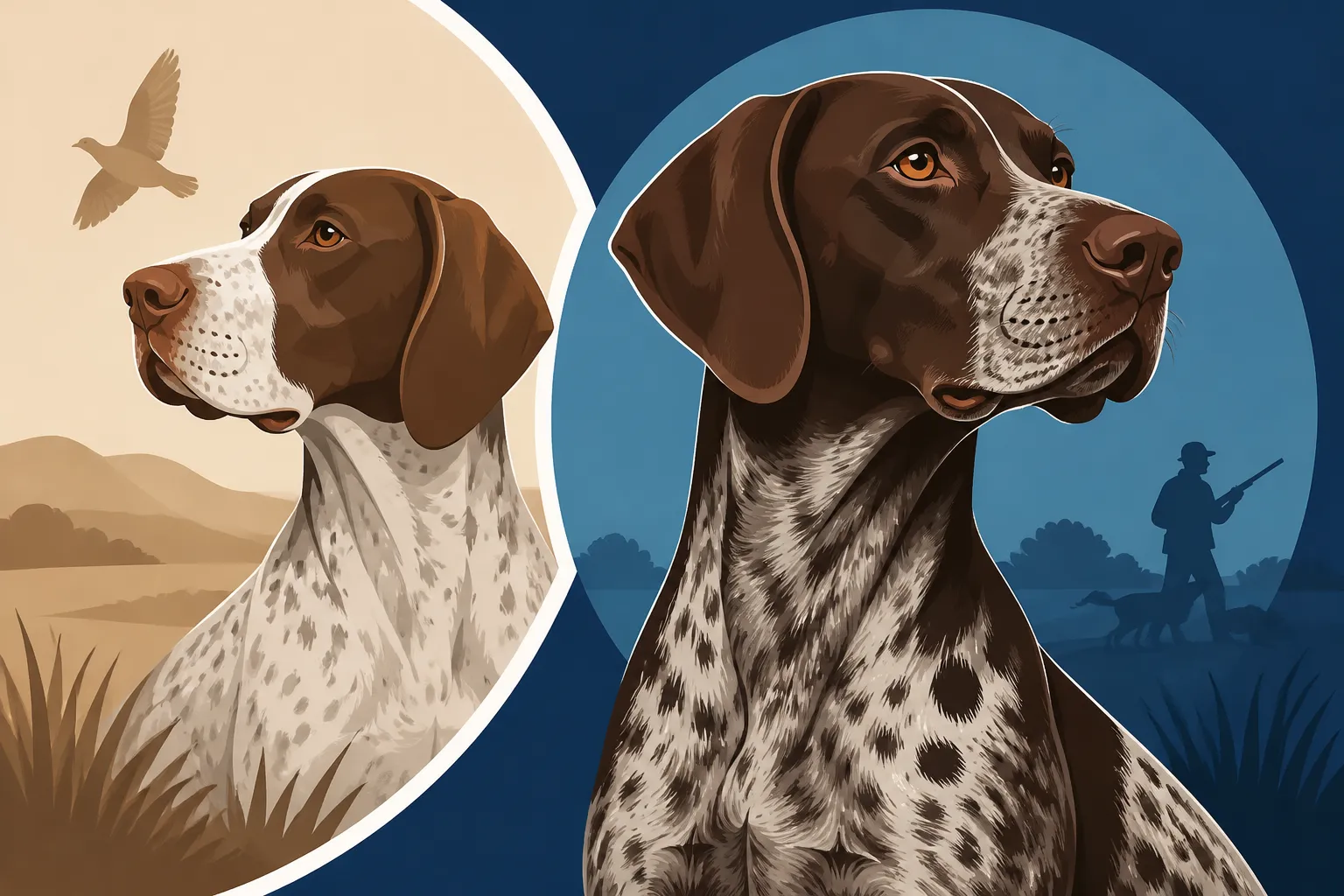
The Braque Français and the German Shorthaired Pointer
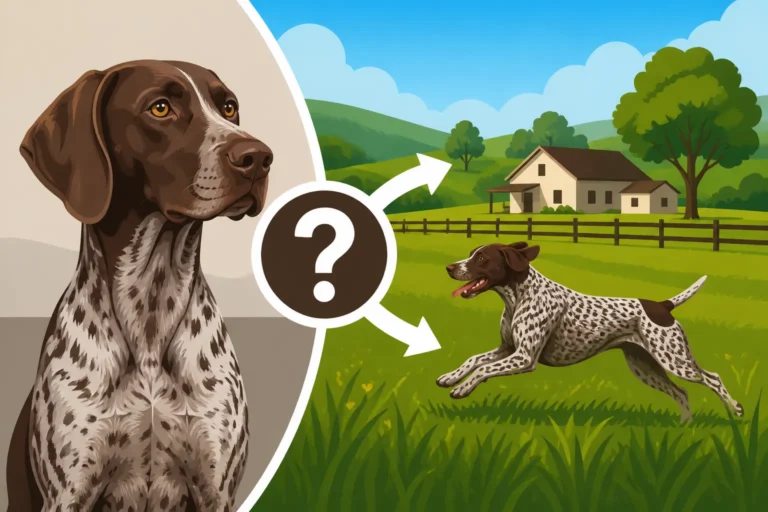
It's quite common for enthusiasts of versatile hunting breeds to look across different lines, even those across an ocean, and wonder how their beloved German Shorthaired Pointer stacks up against a breed with similar roots. You might be admiring a picture of a Braque Français (French Pointer) and thinking, "Wow, that looks a lot like my Shorthair!" And you wouldn't be wrong to see the resemblance. These breeds share a common ancestry as gun dogs developed for pointing and retrieving, but their evolution took distinct paths shaped by the specific hunting traditions and geographic needs of Germany and France. This guide will help you understand the nuances, commonalities, and delightful differences between these two exceptional hunting companions.
Shared Ancestry, Divergent Paths
When you delve into the history of gun dogs, you quickly find a tapestry woven with threads of shared lineage. Many European pointing breeds, including the German Shorthaired Pointer and the various types of Braque Français, trace their origins back to the ancient Spanish Pointer and other continental pointing dogs. These foundation dogs were bred for their keen noses, natural pointing instincts, and their ability to work closely with a hunter. However, once these dogs arrived in different regions, breeders began to select for traits that suited their local terrain, game, and hunting styles, leading to the distinct breeds we know today.
The Continental Pointer Influence
Imagine the scene centuries ago across Europe: hunters needed dogs that could cover ground, find game, indicate its presence, and retrieve it. The "pointing dog" concept wasn't unique to one country. Spanish Pointers, with their excellent scenting ability and natural stance, were highly prized and traveled across the continent. Over time, these dogs were crossed with local hounds, trackers, and other utility dogs to refine their capabilities. This mixing of bloodlines laid the groundwork for many modern pointing breeds, including the ancestors of both the Braque Français and the German Shorthaired Pointer. Both breeds emerged from this continental pointer melting pot, honed by generations of selective breeding.
German Versatility Versus French Finesse
The German Shorthaired Pointer, or GSP, was purposefully bred in the 19th century to be the ultimate "versatile" hunting dog. German hunters didn't want a dog that specialized in just one task; they needed a companion capable of pointing upland birds, tracking wounded game, retrieving from land and water, and even working as a guardian. This rigorous selection process for multifaceted ability led to a dog with incredible stamina, intelligence, and biddability. Their motto could easily be "Do it all, and do it well." The Braque Français, on the other hand, while also versatile, tends to emphasize a slightly different set of qualities. In France, the emphasis was often on a more deliberate, methodical hunt, with dogs working closer to the hunter, showcasing elegant points and reliable retrieves. There are two distinct types of Braque Français: the Gascogne (larger, older type) and the Pyrénées (smaller, more popular and faster). While both are excellent pointers, their development honed in on different physical and working characteristics, much like how The German Kennels the Shorthair Was Built In focused on creating a specific type of dog for a specific purpose.
Physical Distinctions Beyond the Coat
At a glance, a German Shorthaired Pointer and a Braque Français (especially the Pyrénéan type) can look strikingly similar: lean, athletic builds, short coats, and often liver and white coloring. However, a closer look reveals key differences in their conformation, reflecting their distinct breeding goals and regional preferences. These aren't just cosmetic; they often tie directly back to how the dogs were intended to work in the field.
Size, Build, and Overall Impression
German Shorthaired Pointers are typically described as powerful, athletic, and well-balanced. They tend to be medium to large-sized dogs, with males often standing between 23 and 25 inches at the shoulder and weighing 55 to 70 pounds. Females are slightly smaller. They possess a deep chest, strong back, and well-angulated hindquarters that give them the explosive power needed for extended runs in open fields. Their overall impression is one of endurance and strength. The Size and Build the Shorthair Standard Asks For outlines these specifics in detail.
The Braque Français, particularly the Pyrénées type, is generally a bit smaller and lighter-boned than the GSP. Pyrénées males might range from 18 to 23 inches at the shoulder and weigh 40 to 55 pounds, presenting a more refined, elegant silhouette. The Gascogne type is larger, closer in size to the GSP, but still tends to be more heavily boned and deliberate in movement. Both types of Braque Français have a clean, muscular build, but the emphasis in the Braque often leans towards agility and a less "bulky" power than the GSP.
Head, Ears, and Tail: Subtle But Significant Features
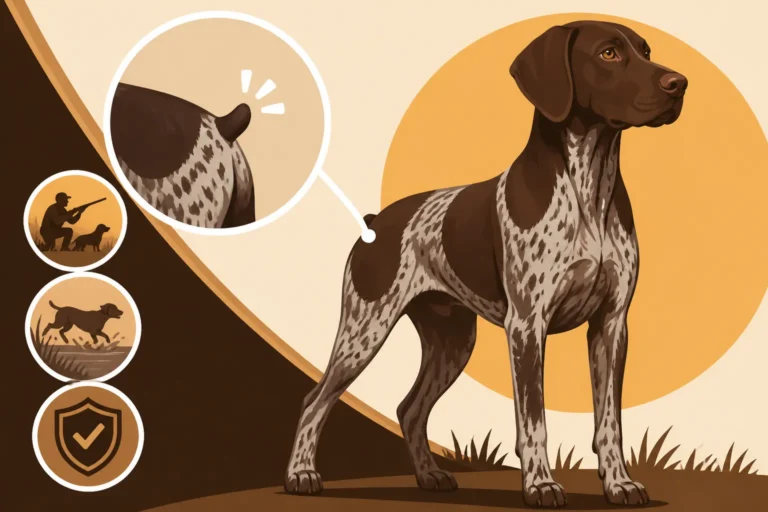
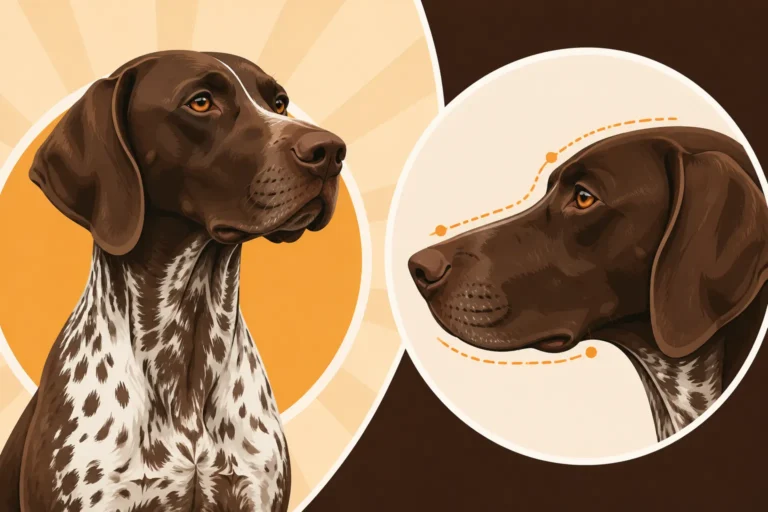
The head of a German Shorthaired Pointer is often described as noble, with a moderately broad skull, a distinct stop, and a muzzle of sufficient length and depth to retrieve game comfortably. Their ears are rather broad, set fairly high, and lie flat against the head. The tail of a GSP is traditionally docked to about 40% of its natural length, which is a practical measure to prevent injury in dense cover. This practice is detailed further in topics like The Forty Percent Tail a Shorthair Is Left With.
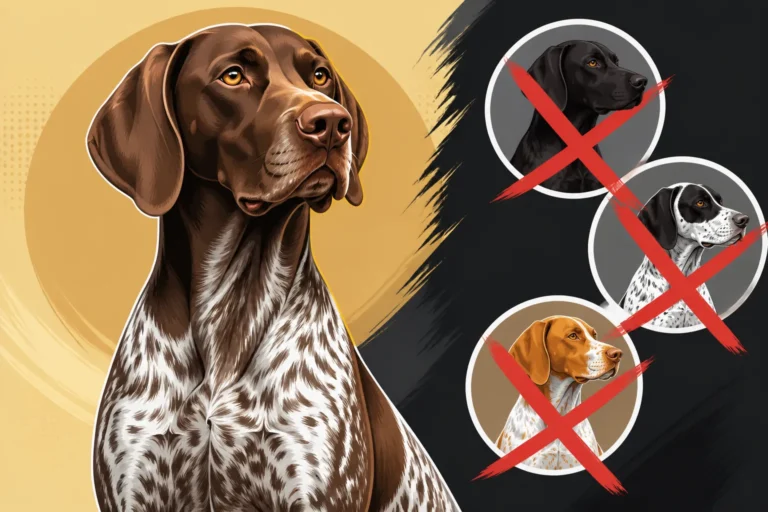
For the Braque Français, the head also conveys nobility, but with a slightly different character. The skull is generally a bit more rounded, and the muzzle can be slightly longer and less pronounced in stop than a GSP's. Their ears are typically long, thin, and pendulous, hanging low and framing the face. The tail is often left natural or docked very short, depending on regional tradition and type, though an undocked tail is common. The Braque Français also generally has a less dense, finer coat than a GSP, though both are short and practical for field work. When considering appearance, it's interesting to note that while GSPs traditionally come in liver and white, or solid liver, Braque Français often come in brown (liver) and white, sometimes with tan points. Liver, Black and the Colors That Disqualify a Shorthair discusses the specific color standards for the GSP breed.
Here's a quick comparison table:
| Feature | German Shorthaired Pointer | Braque Français (Pyrénées Type) |
|---|---|---|
| Size (Male) | 23-25 inches, 55-70 lbs | 18-23 inches, 40-55 lbs |
| Build | Powerful, athletic, strong, built for endurance | More refined, agile, elegant, lighter boned |
| Head | Noble, moderately broad skull, distinct stop, strong muzzle | More rounded skull, less pronounced stop, often longer muzzle |
| Ears | Broad, set fairly high, flat against head | Long, thin, pendulous, set lower |
| Tail | Traditionally docked to 40% of natural length | Often left natural or very short docked |
| Coat Texture | Short, thick, coarse, water-resistant | Short, finer, less dense |
| Primary Colors | Liver & white (ticked, patched, roan), solid liver, black & white (accepted in some registries) | Brown & white (ticked, patched, roan), solid brown, sometimes tan points |
Temperament and Drive: What to Expect
Both the German Shorthaired Pointer and the Braque Français are intelligent, driven, and affectionate dogs. They are bred to be partners in the field and companions in the home. However, there are nuances in their temperaments and energy levels that can make one a better fit for certain lifestyles than the other. Understanding these differences is crucial for any potential owner.
Energy Levels and Exercise Needs
This is where many enthusiastic GSP owners will nod knowingly. German Shorthaired Pointers are famous for their seemingly endless energy. They are not just active; they are driven. They thrive on vigorous exercise and mental stimulation. We're talking about running, biking, swimming, hiking, and long sessions of field work. A GSP that doesn't get at least The Two Hours a Day a German Shorthaired Pointer Needs of hard exercise is often a GSP that invents its own "work" – which usually translates to destructive behaviors like digging, chewing, or excessive barking. They are athletes in every sense of the word, requiring an owner who is equally committed to an active outdoor lifestyle. They are always ready to go, and sometimes, you might feel like they have a turbo button you can't find.
Braque Français, while certainly active hunting dogs, often have a reputation for being slightly more sedate indoors once their exercise needs are met. The Pyrénées type is still very energetic and requires substantial daily exercise, but many owners report a more "off-switch" quality compared to the relentless drive of a GSP. The Gascogne type, being larger and heavier, is typically even calmer. This isn't to say a Braque is a couch potato – far from it! They still need plenty of vigorous activity to be happy and healthy, but their baseline energy might be a notch or two below the typical GSP. For someone who appreciates a highly active dog but might not be able to commit to the extreme exercise demands of a GSP every single day, a Braque Français might offer a slightly more manageable balance.
Biddability, Trainability, and Affection
Both breeds are highly intelligent and eager to please, making them generally biddable and a joy to train. GSPs are known for their sharp minds and desire to work alongside their human partners. They respond well to positive reinforcement and consistent training. Their high intelligence means they can pick up new commands quickly, but it also means they can get bored if not challenged, sometimes leading to stubbornness. They form deep bonds with their families and are often described as "Velcro dogs," always wanting to be close to their people. This strong bond, while wonderful, can sometimes manifest as separation anxiety if not properly managed.
The Braque Français is also renowned for its gentle nature and biddability. They are often described as having a very calm disposition within the home, especially compared to some other pointing breeds. They are intelligent and sensitive, responding best to gentle, consistent training methods. They thrive on companionship and are typically very affectionate with their families. Many Braque owners highlight their "softness" and deep desire to please, which makes them very agreeable partners. They also tend to be good with children and other pets, provided they are well-socialized from a young age, much like how a GSP typically excels as A German Shorthaired Pointer With Children and Cats. Both breeds excel when they have a job to do and plenty of interaction with their human pack.
Training Approaches and Field Performance
Training any versatile gun dog requires dedication, consistency, and an understanding of the breed's natural instincts. While both German Shorthaired Pointers and Braque Français share many fundamental characteristics as pointing and retrieving dogs, their inherent drives and temperaments can lead to slightly different training experiences and styles of work in the field.
Starting Young and Building Foundation Skills
For both breeds, early socialization and puppy classes are paramount. Exposing them to different sights, sounds, people, and other friendly dogs from a young age helps build a confident, well-adjusted adult. Basic obedience commands like sit, stay, come, and leash manners are the building blocks for more advanced field training. A German Shorthaired Pointer puppy often has an abundance of enthusiasm and curiosity, so channeling that energy into structured learning from day one is key. They often respond incredibly well to puppy-specific training tools, easily available on platforms like Chewy, which can make those early days a little smoother.
Braque Français puppies are also eager learners, known for their gentle and cooperative nature. They can be a bit more sensitive than some GSPs, so a patient and positive approach works wonders. Whether you have a GSP or a Braque, establishing a strong recall is non-negotiable, especially for dogs destined for off-leash work in the field. This foundation is critical before introducing them to birds or guns, as you want their focus on you, even amidst exciting distractions.
Field Work and Hunting Styles
The German Shorthaired Pointer is a powerhouse in the field. Bred for "wide-ranging" work, they are known for covering ground with incredible speed and endurance. They typically quarter (hunt back and forth in front of the hunter) with enthusiasm, systematically covering every inch of territory. When they hit scent, their point is often staunch and intense, a freeze-frame of focus. They are natural retrievers, typically eager to bring game to hand from land or water, embodying What Versatile Actually Means for a Shorthair. Their boldness and stamina make them excellent choices for hunters who cover vast tracts of land or hunt in challenging terrain. Training often involves building upon their natural point, whoa commands, and steadying them to wing and shot, as discussed in articles like Steadying a Shorthair to Wing and Shot.
The Braque Français, particularly the Pyrénées type, often works in a slightly closer range than many GSPs. They are known for their elegant, classic pointing style, often with a high head and tail, showcasing their deep connection to the game. Their hunting style is often described as more methodical and deliberate, meticulously working cover. While they certainly have speed and endurance, the emphasis is often on a precise, close-working search pattern rather than covering vast distances at top speed. They are equally capable retrievers from land and water. Both breeds benefit immensely from consistent exposure to birds and real-world hunting scenarios to develop their full potential. While their styles differ, both are undeniably effective and beautiful to watch in action.
Health Considerations and Lifespan
Just like any purebred dog, both German Shorthaired Pointers and Braque Français have certain health considerations that prospective owners should be aware of. Responsible breeders of both breeds will conduct health screenings on their breeding stock to minimize the incidence of inherited conditions. Understanding these potential issues can help owners provide the best possible care throughout their dog's life.
Common Health Concerns
German Shorthaired Pointers, being an active and athletic breed, can be prone to certain orthopedic issues. Hip and elbow dysplasia are concerns, which is why organizations like the Orthopedic Foundation for Animals (OFA) recommend specific testing for breeding dogs. Learning about Hips and the CHIC Panel a German Shorthaired Pointer Needs is a vital step for any responsible GSP owner or breeder. Bloat (gastric dilatation-volvulus) is another serious, life-threatening condition that GSPs, as deep-chested dogs, are predisposed to. Owners need to be aware of the signs and understand preventative measures, like those detailed in The Bloat Risk a Shorthair Carries Into Every Season. Skin conditions and certain eye diseases, such as progressive retinal atrophy or cone degeneration, also appear in the breed.
Information on specific health concerns for Braque Français in the broader context of common diseases can be less widely publicized than for more prevalent breeds like the GSP. However, as an active, medium-sized breed, they can share some general predispositions, such as hip and elbow dysplasia. Their pendulous ears might make them slightly more prone to ear infections, similar to Ear Infections in a Shorthair That Swims. Responsible Braque Français breeders focus on overall health and temperament, carefully selecting breeding dogs free of known inherited problems. It's always crucial to ask breeders about the health history of their lines and any genetic tests they perform.
Longevity and Quality of Life
Both German Shorthaired Pointers and Braque Français generally enjoy robust health and good lifespans when properly cared for. A well-bred, well-fed, and well-exercised German Shorthaired Pointer can typically live for The Twelve to Fourteen Years a German Shorthaired Pointer Gets, with many living even longer. Providing a high-quality diet, regular veterinary care, and consistent exercise are key factors in maximizing their lifespan. For active dogs, nutrition is paramount, and finding the right performance food can be a challenge. Online retailers like Chewy offer a wide selection and detailed ingredient lists, helping owners choose the best diet to keep their Shorthair lean and active.
The lifespan of a Braque Français is generally comparable, often ranging from 10 to 14 years. Their relatively moderate size and build, combined with careful breeding practices, contribute to their longevity. For both breeds, maintaining a healthy weight, providing appropriate exercise that matches their fitness level (especially as they age), and staying current on vaccinations and preventative care are essential. As dogs transition into their senior years, their needs change, and articles like Caring for a German Shorthaired Pointer After Nine offer excellent guidance on supporting an aging companion.
Living with a Braque Français vs. a German Shorthaired Pointer
Deciding which of these incredible breeds is the right fit for your home and lifestyle is a big decision. Both will bring immense joy, adventure, and a bit of a challenge. Understanding their specific needs and how they integrate into a family environment is crucial for a successful, lifelong partnership.
Family Dynamics and Socialization
Both GSPs and Braque Français are generally wonderful family dogs. They thrive on human companionship and want to be an integral part of their family's daily life. German Shorthaired Pointers are often described as boisterous and playful, especially as puppies and young adults. Their high energy means they can sometimes be a bit much for very young children if not supervised, but they are typically very loving and protective of their family members. Proper socialization from a young age is key to ensuring they are polite and comfortable with strangers and other animals.
Braque Français often have a reputation for being exceptionally gentle and calm indoors, making them excellent companions for families, including those with children. They are typically less boisterous than GSPs, but their need for outdoor exercise remains high. Their sensitive nature means they respond well to a calm, consistent household environment. Both breeds, being bred to work closely with people, generally do not do well when left alone for long periods without adequate exercise and mental stimulation. They are dogs that crave interaction and a job, even if that job is just being your devoted companion on a long hike. When considering a dog bed or toys for your highly active companion, a brand like Chewy can provide options for durable, long-lasting products that stand up to their energy.
Ideal Living Environments
Neither a German Shorthaired Pointer nor a Braque Français is suited to a sedentary lifestyle or being relegated to a kennel with minimal human interaction. These are dogs that thrive when they are active participants in their owners' lives.
For a German Shorthaired Pointer, an ideal environment involves ample space to run, regular access to challenging physical activity, and an owner who loves to be outdoors as much as they do. A large, securely fenced yard is a bonus, but it's no substitute for long walks, runs, or off-leash adventures in safe areas. City living can work, but it requires a monumental commitment to daily exercise and mental engagement. They truly embody The Household a German Shorthaired Pointer Actually Fits.
A Braque Français also benefits from an active home, but their slightly more moderate energy (especially the Gascogne type) might make them a bit more adaptable to slightly less intense daily routines than a GSP. However, they still require significant exercise to prevent boredom and destructive behaviors. Again, a secure yard for safe exploration is beneficial, but the real key is an owner dedicated to providing consistent physical and mental outlets. Ultimately, both breeds need a home where they are cherished members of the family, included in activities, and given ample opportunity to express their natural instincts. Whether you're a seasoned hunter or an active outdoor enthusiast, both of these magnificent continental pointers offer a rewarding partnership, each with its unique charm and demands.
Disclaimer
This article is for general informational purposes only and does not constitute professional advice. Laws, prices and regulations vary by location and change over time. Consult a qualified professional for guidance on your specific situation.