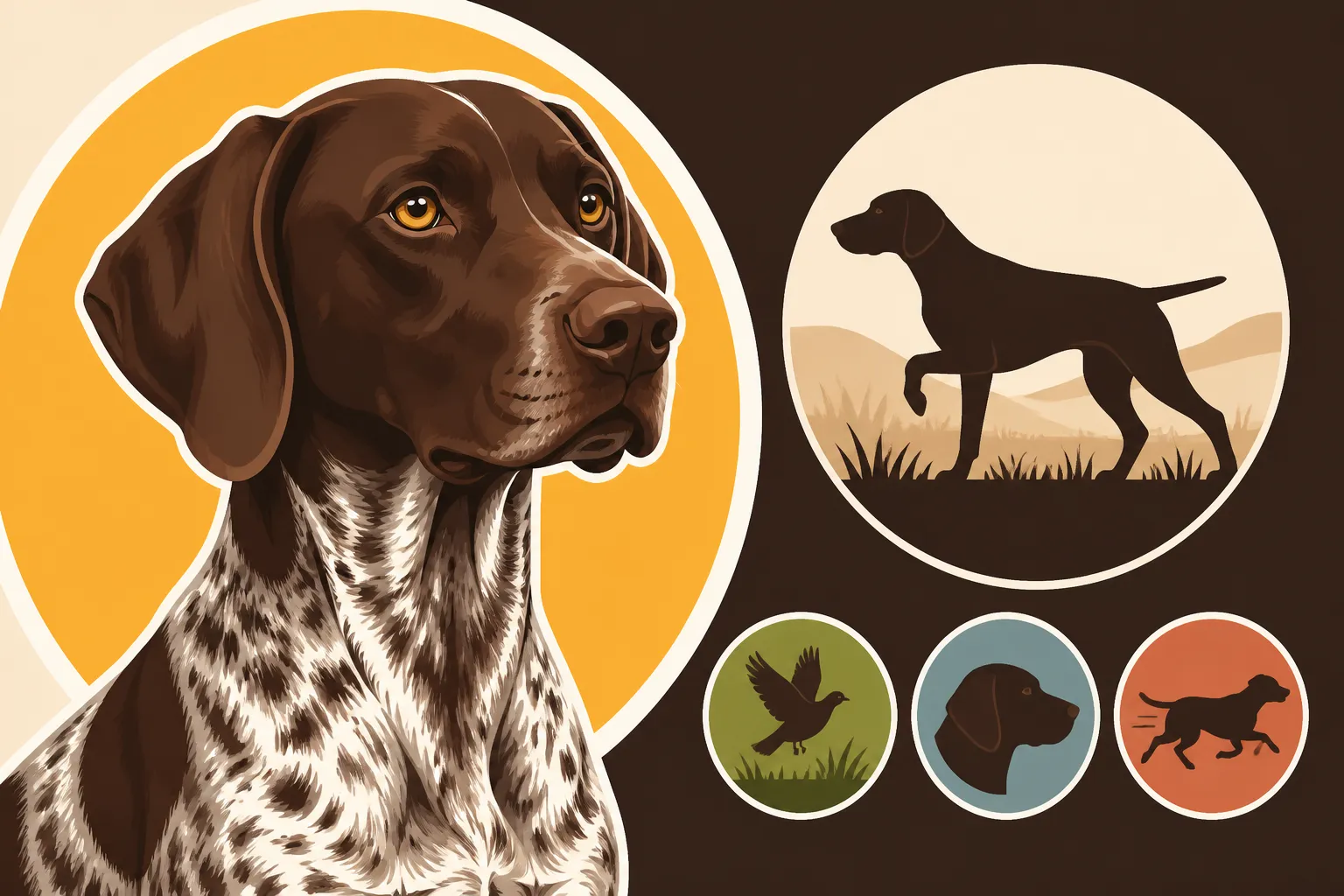
What Deutsch Kurzhaar Means
It's incredibly common for new German Shorthaired Pointer enthusiasts, and even some seasoned owners, to encounter the term "Deutsch Kurzhaar" and wonder if it's a completely different breed, or perhaps a more elite version of the beloved GSP they know. The truth is, understanding what "Deutsch Kurzhaar" means is key to unlocking a deeper appreciation for the German Shorthaired Pointer's heritage, purpose, and the foundational breeding principles that shaped these incredible dogs. This guide will clarify the distinction and connection between these terms, helping you understand the rich history and enduring standards behind your active companion.
The Literal Translation and Its Significance
The term "Deutsch Kurzhaar" isn't some secret society code or a fancy brand name; it's quite simply the German name for the breed we know in English as the German Shorthaired Pointer. Breaking down the name into its components reveals a straightforward description that speaks volumes about the breed's origins and defining characteristics.
Deutsch: The German Origin
The first part of the name, "Deutsch," is the German word for "German." This immediately roots the breed firmly in its country of origin, emphasizing that this isn't just a shorthaired pointer, but the German one. This distinction was incredibly important during the breed's development, as various pointing breeds were being refined across Europe. The German breeders had a very specific vision in mind, aiming to create a versatile hunting dog that could do it all, from pointing upland game to retrieving waterfowl and even tracking wounded big game. They wanted a distinctly German breed for German hunters, suited to the diverse terrains and game available in their homeland.
This national identity carried significant weight, signifying a breed developed with meticulous attention to functional traits and temperament under strict German guidelines. It speaks to a heritage of purpose-driven breeding, where aesthetics were secondary to a dog's ability to perform in the field. Unlike some breeds where lines diverged significantly for show versus work, the early German Shorthaired Pointer—the Deutsch Kurzhaar—was envisioned as a true working dog first and foremost.
Kurzhaar: The Short Coat
The second part, "Kurzhaar," translates directly to "short hair" or "shorthair." Again, this is a clear, descriptive term highlighting one of the breed's most identifiable physical characteristics: its sleek, short coat. This coat is more than just an aesthetic feature; it's a functional adaptation crucial for the breed's hunting role. A short, dense coat offers protection against briars and harsh weather while being easy to clean and quick to dry, which is paramount for a dog expected to plunge into icy water for a retrieve or navigate thick cover.
The emphasis on the "Kurzhaar" aspect reinforces the breed's practicality. It wasn't about flashy long coats or intricate grooming; it was about efficiency and resilience in the field. This short coat, combined with their muscular build and webbed feet, allowed them to be agile and tough, traversing varied landscapes without getting bogged down by heavy, water-logged fur. It's a testament to the breed's design that even today, the short coat remains a hallmark of their athletic and ready-for-anything nature.
Historical Context: Why the Name Matters
Understanding the name "Deutsch Kurzhaar" isn't just a language lesson; it's a journey into the very foundation of the breed. The name is a direct reflection of the rigorous, purpose-driven breeding philosophy that characterized its development in Germany. This historical context illuminates why these dogs are so unique and why their versatility is so ingrained.
The Birthplace of Versatility
The German Shorthaired Pointer, or Deutsch Kurzhaar, was not an accidental breed. It was purposefully developed in 19th-century Germany by hunters who sought a single, all-around gun dog. They were tired of needing multiple specialized dogs—one for pointing, one for tracking, one for retrieving. They envisioned a "versatile" dog, a term that carries profound weight in the world of German hunting dogs. This meant a dog capable of effectively performing before the shot (pointing game), after the shot (retrieving fallen birds), and even tracking wounded game on land and water. The breeders meticulously selected dogs with the intelligence, biddability, nose, and physical prowess to excel in all these disciplines.
This commitment to versatility is a core element of the Deutsch Kurzhaar identity. The goal was never to create a dog that was merely adequate at many things, but excellent at all of them. This ambitious breeding goal required careful selection and stringent testing, resulting in a dog that is highly intelligent, eager to please, and possesses an almost insatiable drive to work alongside its human companion. You can explore more about their roots in articles like The German Kennels the Shorthair Was Built In or Prince Albrecht and the First Shorthair Stud Book.
The Early Breeding Philosophy
The early breeders of the Deutsch Kurzhaar operated under a philosophy deeply rooted in utility and performance. Their primary concern was the dog's ability to hunt, not its appearance in a show ring. While conformation was certainly considered for soundness and endurance, it was always subservient to working ability. This meant that only dogs that proved themselves in the field, often through demanding hunting tests, were considered worthy of being bred. The lineage was carefully documented, focusing on proven hunting prowess over mere pedigree names.
This philosophy contrasts sharply with breeding practices focused solely on aesthetics. It ensured that the working traits—the keen nose, the steady point, the soft mouth retrieve, the unwavering retrieve from icy water—were continually reinforced and improved upon with each generation. This dedication to functional excellence is why modern German Shorthaired Pointers retain such strong hunting instincts and require significant mental and physical engagement. Their history is not just about a name, but about a promise of performance.
German Breeding Standards vs. American Kennel Club
The biggest source of confusion between "Deutsch Kurzhaar" and "German Shorthaired Pointer" often comes down to the different breeding philosophies and registration systems between Germany and the United States. While the dogs share a common ancestor, the paths taken by breeders in each country have created nuances that are important for prospective owners to understand.
The German Verband and Its Tests
In Germany, the breed is managed by the JGHV (Jagdgebrauchshundverband), which translates to the German Hunting Dog Association, and the Deutsch Kurzhaar Verband. These organizations maintain exceptionally rigorous breeding standards, emphasizing proven working ability above all else. For a Deutsch Kurzhaar to be bred and have its offspring registered, both parents must typically pass a series of challenging performance tests. These tests assess a dog's natural hunting aptitudes (such as nose, search, pointing, and water work) at a young age, followed by more advanced tests that evaluate obedience, retrieving, tracking, and overall versatility in simulating real hunting scenarios. A common test is the VJP (Verbands-Jugendprüfung, or "Association Youth Test") for puppies, and the HZP (Herbstzuchtprüfung, or "Autumn Breeding Test") for older dogs. The pinnacle for many is the VGP (Verbands-Gebrauchsprüfung, or "Association Utility Test"), a comprehensive all-around test often referred to as the "Master Hunter" test.
This system ensures that the working drive and instincts are preserved and reinforced in every generation. Breeders are accountable for the performance of their dogs, and titles earned in these tests are highly prized. When you hear about a "Kurzhaar" with multiple German titles, it signifies a dog whose lineage has consistently proven its capabilities in the field under demanding conditions. This is a critical aspect of How the German Verband Registers a Kurzhaar and Whether German Shorthair Breeding Rules Beat American Ones.
AKC's Focus and Distinctions
In the United States, the German Shorthaired Pointer is registered with the American Kennel Club (AKC). While the AKC also offers various hunting tests (like Hunt Tests and Field Trials) that recognize a GSP's working ability, passing these tests is not a mandatory prerequisite for breeding or registration. An AKC-registered German Shorthaired Pointer can produce registered puppies simply by being purebred, regardless of its proven field performance. This distinction has, over time, led to a broader spectrum of GSPs in the US, ranging from intensely driven field dogs to more laid-back companions primarily bred for conformation and family pet life.
While many dedicated American GSP breeders do actively participate in AKC Hunt Tests, Field Trials, and even some NAVHDA (North American Versatile Hunting Dog Association) tests, the structural difference in the breeding requirements means that not all AKC-registered GSPs will possess the same level of inherent drive or trained versatility as a dog specifically bred under the German Verband's system. The AKC system allows for more variation, which can be both a blessing and a challenge for prospective owners. On one hand, it offers more choice; on the other, it places a greater burden on the buyer to research a breeder's specific goals and the working background of their dogs. You can see how this plays out when looking at The 1930 AKC Entry of the German Shorthaired Pointer versus the breed's ongoing development in Germany.
Implications for Owners and Breeders
For anyone passionate about German Shorthaired Pointers, understanding the "Deutsch Kurzhaar" distinction has significant implications, whether you're looking for a new puppy or considering breeding. It's not just about a name; it's about the expectations, training, and potential of the dog you bring into your life.
Finding a True "Kurzhaar" Line
If you're seeking a German Shorthaired Pointer with the highest possible genetic predisposition for versatile hunting ability, you might specifically look for lines described as "Deutsch Kurzhaar" or from breeders who adhere to the German breeding philosophy. This often means finding breeders who import dogs from Germany or who extensively utilize German-tested lines in their own breeding programs. These breeders will emphasize the German VJP, HZP, and VGP titles in their dogs' pedigrees, as these are strong indicators of proven working ability.
When researching, don't be afraid to ask a breeder about the German titles behind their dogs. They should be able to explain what titles like "VJP" or "VGP" mean and how they contribute to the puppy's potential. Be aware that such rigorously bred dogs often come with a higher price tag due to the extensive training, testing, and sometimes import costs involved. Furthermore, these puppies are usually destined for working homes where their innate drives will be channeled into hunting or other demanding dog sports. They are not typically a good fit for a casual pet home that cannot provide the intense physical and mental stimulation they require. Sometimes you'll find these dogs listed with all their full titles, helping you navigate What NA, UPT and UT Mean on a Shorthair Pedigree.
Navigating Pedigrees and Titles
Understanding the various titles on a German Shorthaired Pointer's pedigree can seem daunting, but it's crucial for discerning the true working heritage of a dog.
Table: Comparison of German (JGHV) and American (AKC/NAVHDA) Titles
| Test/Title Category | German (JGHV/DKV) Example Titles | American (AKC/NAVHDA) Example Titles | Primary Focus |
|---|---|---|---|
| Natural Ability | VJP (Verbands-Jugendprüfung) | NAVHDA NA (Natural Ability) | Early assessment of innate hunting instincts: nose, search, point, water love, desire, temperament. |
| Intermediate/Breeding | HZP (Herbstzuchtprüfung) | AKC JH (Junior Hunter) / NAVHDA UPT (Utility Prep) | Developed natural abilities, basic obedience, retrieve, track, water work. Often breeding prerequisite. |
| Advanced/Versatility | VGP (Verbands-Gebrauchsprüfung) | AKC SH (Senior Hunter) / NAVHDA UT (Utility Test) | Comprehensive test of advanced hunting skills, obedience, retrieving, tracking, water work under complex conditions. |
| Conformation | SG (Sehr Gut – Very Good), V (Vorzüglich – Excellent) | AKC CH (Champion) | Evaluation of physical structure against breed standard. |
This table provides a simplified overview, but it illustrates how both systems aim to evaluate different facets of the German Shorthaired Pointer's abilities. When reviewing a pedigree, look for a balance of titles that reflect the kind of dog you want. If you want a serious hunting dog, prioritize strong performance titles, especially those from the German system if available. If you're looking for a well-rounded companion that might also dabble in hunting or dog sports, a combination of conformation and AKC or NAVHDA performance titles can be a good indicator. It's about aligning the dog's background with your lifestyle and expectations, which you can further research in How to Read a Shorthair Pedigree for Hunting Ability.
Living with a "Deutsch Kurzhaar": Beyond the Name
The name "Deutsch Kurzhaar" represents more than just a lineage; it signifies a dog bred for a profound purpose, embodying an intense work ethic and a particular set of drives. Owning a dog from such a background means understanding and embracing these inherent traits.
The Expectations of a German-Bred Dog
A Deutsch Kurzhaar, or a GSP from strong German working lines, comes with a deep genetic blueprint for activity and engagement. These aren't dogs content to be couch potatoes, even if they are incredibly affectionate indoors. They are bred to run, to hunt, to think, and to collaborate. This means an owner must commit to providing ample physical exercise, often exceeding what many might consider "a long walk." Think miles of running, vigorous retrieving sessions, or dedicated field work. Beyond physical exertion, they crave mental stimulation. Puzzle toys, scent work, advanced obedience training, or even competitive dog sports like agility or dock diving are excellent ways to keep their sharp minds engaged.
Ignoring these needs can lead to frustration for both dog and owner. An under-exercised Deutsch Kurzhaar might channel its energy into undesirable behaviors like excessive barking, chewing, or digging. They thrive on having a job, and if you don't provide one, they'll invent their own, which might not align with your household rules. This is why it's vital to consider Whether a German Shorthaired Pointer Needs to Hunt to Be Happy – for many, that drive is primal. Ensuring you have the correct training tools, like durable toys you might find on Chewy, can also be helpful for their high-energy needs.
Embracing the Versatile Nature
The true beauty of the Deutsch Kurzhaar lies in its versatility. They are not just pointers; they are trackers, retrievers, and loyal companions. This means their training should ideally be as varied as their talents. Introducing them to different types of "work" can be incredibly rewarding. Perhaps it's field training for birds in the fall, followed by some serious obedience or agility practice in the off-season. Water work, whether for retrieving ducks or just for fun on a hot day, taps into another aspect of their heritage.
Their intelligence and eagerness to please make them highly trainable, but also means they need a consistent, fair, and engaging approach. They respond best to positive reinforcement and clear communication. Embracing their versatile nature means giving them opportunities to explore and utilize all their innate abilities, which will lead to a more fulfilled dog and a stronger bond between you and your "Kurzhaar." Consider how you can structure their day to meet these needs, as discussed in The Structure a German Shorthaired Pointer Needs Daily, perhaps with durable Chewy brand interactive feeders to challenge their minds.
Ultimately, whether you call them German Shorthaired Pointers or Deutsch Kurzhaars, these dogs represent a pinnacle of canine design for a specific purpose. Understanding the original German designation helps us appreciate the depth of their character, their unwavering drive, and the immense joy they bring to those who truly embrace their remarkable heritage. Remember to always provide them with high-quality nutrition, perhaps from Chewy, to fuel their active lifestyle.
Disclaimer
This article is for general informational purposes only and does not constitute professional advice. Laws, prices and regulations vary by location and change over time. Consult a qualified professional for guidance on your specific situation.