The Water Resistant Coat a Shorthair Carries
There's nothing quite like the sight of your German Shorthaired Pointer emerging from a chilling autumn pond, shaking off what seems like gallons of water in an instant, and then getting right back to business in the field. But if you’ve ever wondered how they manage to do that without becoming a soggy, shivering mess, you’re not alone. Many owners are fascinated by the Shorthair's remarkable coat, which is truly a marvel of natural engineering, allowing them to excel in diverse environments, especially those involving water. This guide will dive deep into the unique characteristics that make a German Shorthaired Pointer's coat so effective and what that means for both its working ability and your life as an owner.
Understanding the German Shorthaired Pointer's Coat Structure
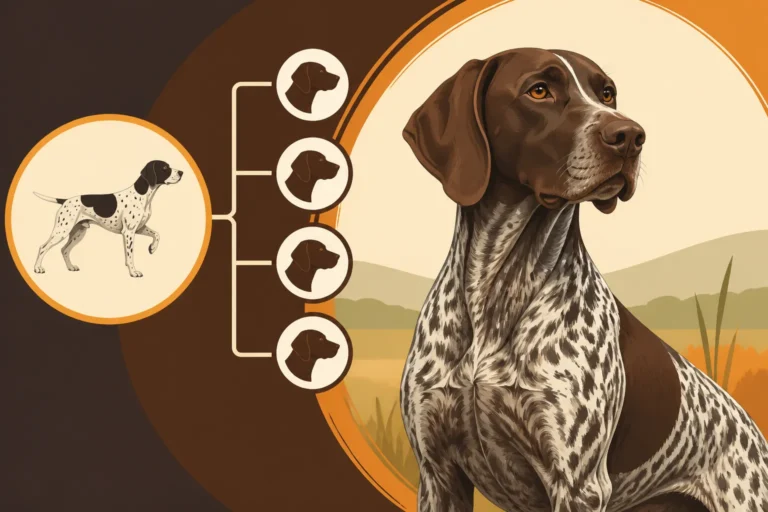
When you first run your hand over a German Shorthaired Pointer's coat, you might think it's just a simple, short layer of fur. But there's a lot more going on beneath the surface that contributes to its exceptional functionality, especially its famed water resistance. This isn't just a pretty coat; it's a finely tuned piece of equipment, designed through generations of selective breeding to help these dogs thrive in challenging conditions.
The Double Coat Myth and Reality
It's common to hear people describe the German Shorthaired Pointer as having a single coat, primarily because the outer layer is so short. However, this isn't entirely accurate. While not as dramatically layered as, say, a Siberian Husky or a Newfoundland, the GSP actually possesses what’s considered a "sparse double coat." Beneath that stiff, dense outer layer, there's a finer, softer undercoat. This undercoat isn't always visibly thick, especially in warmer climates or during certain times of the year, but its presence is crucial for providing an extra layer of insulation and protection.
Imagine it like a high-performance athletic jacket. The outer shell is tough and sheds moisture, while a hidden, breathable liner keeps you comfortable. For the German Shorthaired Pointer, this undercoat provides critical thermoregulation, acting as a buffer against both heat and cold. In the colder months, or when plunging into icy water, this often-overlooked undercoat traps warm air close to the body, preventing rapid heat loss. In summer, it helps regulate temperature, preventing overheating. It's a subtle but mighty component that many owners underestimate, contributing significantly to the dog's overall comfort and ability to perform in varied weather.
The Short, Dense, and Hard Texture
The most striking feature of a Shorthair's coat is its texture: short, dense, and distinctly hard to the touch. This isn't a plush, soft coat you'd want to bury your face in; it's rugged and practical. Each individual hair is straight and lies flat against the body, creating a remarkably smooth surface. This compact arrangement is a key player in its water-shedding capabilities. Think of a tiled roof – the overlapping, smooth surfaces allow water to run right off, rather than soaking in. The GSP's coat works in a similar fashion.
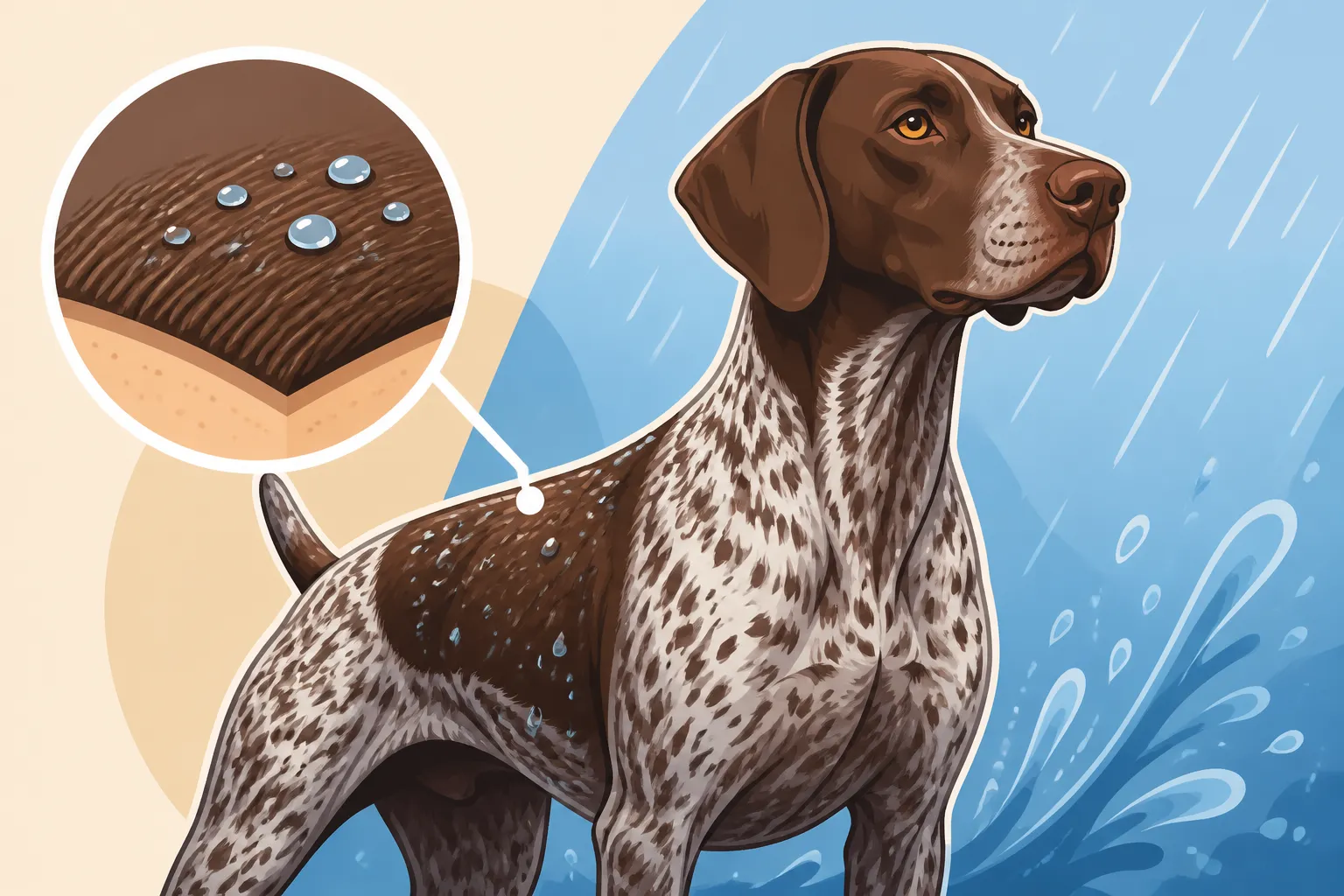
This hard texture also comes from the natural oils produced by the dog's skin. These oils coat each hair, giving it a slightly waxy, slick feel that actively repels water. When a GSP is out in the field, navigating through wet brush or retrieving from a pond, these characteristics mean water simply beads up and rolls off, rather than penetrating to the skin. This isn't just about comfort; it's about survival in environments where staying dry can mean avoiding hypothermia. This specialized coat is a testament to the meticulous breeding that went into creating this truly versatile hunting companion, ensuring they could handle whatever nature threw at them, from a drizzly morning hunt to a chilly water retrieve.
How the Shorthair's Coat Achieves Water Resistance
The German Shorthaired Pointer's coat isn't merely short; it's engineered for peak performance in wet conditions. This isn't accidental; it’s a deliberate outcome of generations of breeding for a dog that could hunt all day, regardless of weather or terrain. When you're standing in a marsh at dawn, waiting for the birds to flush, you appreciate every aspect of your dog's natural armor. Whether a Shorthair's Coat Was Bred for Water Work is definitely a question that breeders answered with a resounding "yes!"
Natural Oils and Densely Packed Hairs
The secret sauce to the German Shorthaired Pointer's water resistance lies in a combination of factors: the natural oils produced by their skin and the sheer density of their coat. Their sebaceous glands are quite active, constantly producing a fine layer of oil that coats each individual hair. This oil isn't greasy in an unpleasant way; instead, it provides a hydrophobic barrier, meaning water molecules simply cannot bond with the hair shafts. This is why water beads up and runs off a healthy GSP coat like rain off a freshly waxed car.
Beyond the oils, the hairs themselves are packed incredibly close together. If you were to look at a cross-section of a GSP’s coat under a microscope, you’d see a tight mesh of hairs, leaving very little room for water to penetrate. This physical barrier works in tandem with the natural oils. It's not just that the individual hairs repel water, but that the overall structure forms a nearly impenetrable shield. This design is critical for dogs that spend time working in wet environments, such as swamps, lakes, or dewy fields. It prevents saturation, which in turn helps regulate body temperature, particularly important when the air is cold but the dog is exerting itself.
Rapid Drying and Quick Shake-Off
Perhaps even more impressive than the initial water resistance is how quickly a German Shorthaired Pointer can dry off. When they emerge from water, the short, stiff hairs, now coated in repellent oils, have minimal surface area for water to cling to. A quick, vigorous shake, and most of the water is instantly flung away. This isn’t just a neat trick; it’s a crucial physiological advantage. Longer-coated breeds or those with less dense fur can remain damp for extended periods, leading to discomfort, rapid heat loss, and even skin issues like hot spots if the skin can't breathe properly.
The ability to dry rapidly means the GSP can quickly return to a more stable body temperature after a water retrieve. This rapid return to a drier state minimizes the risk of chills, especially in colder weather. For a hunting dog, this translates to sustained performance and health throughout a long day in the field. You'll often see them shake off, give a quick rub against some tall grass, and they're practically dry enough to hop back in the truck without soaking everything. This efficient self-drying mechanism is a hallmark of the breed's functional design and makes them remarkably low-maintenance when it comes to post-swim towel-downs.
Practical Benefits for the Working German Shorthaired Pointer
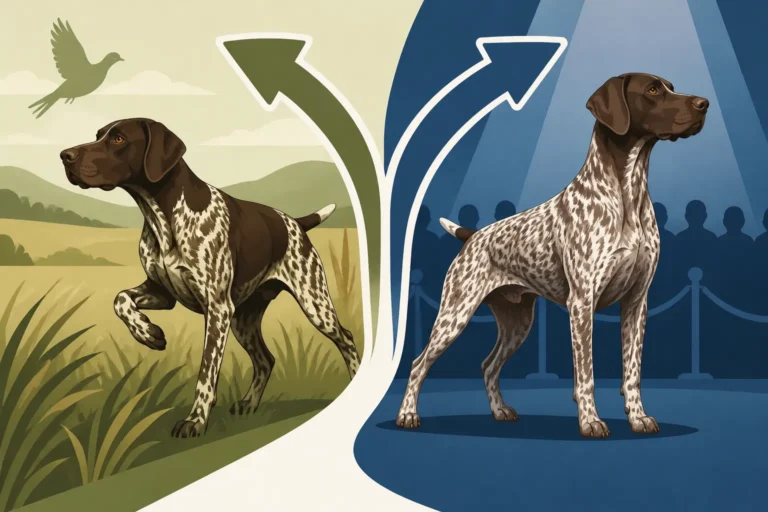
The German Shorthaired Pointer's water-resistant coat is more than just a convenience for owners; it's a fundamental aspect of their working genetics. For a dog bred to be a truly versatile hunter, capable of tackling various game and terrains, this coat provides essential protection and efficiency in the field. It’s part of what makes them such robust and dependable partners.
Protection Against Elements and Debris
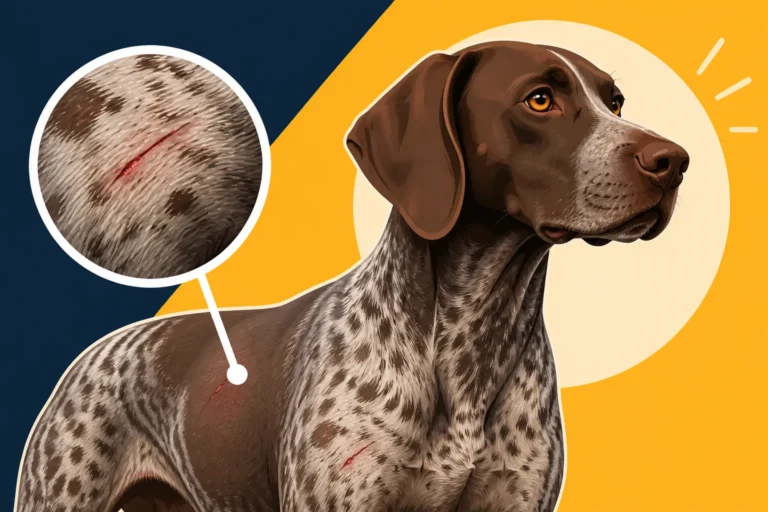
Beyond its water-shedding prowess, the GSP's dense, hard coat offers significant protection against other environmental hazards. When your dog is crashing through thick cover, briar patches, or stubble fields, that tough outer layer acts like a shield. It helps to deflect thorns, burrs, and sharp twigs that could otherwise snag in longer fur or scratch more delicate skin. While no coat can prevent every injury, it certainly reduces the frequency and severity of minor scrapes and cuts that are common for a hard-hunting dog.
This protective quality also extends to preventing debris from becoming embedded. Grass awns and burrs, which can be a nightmare for dogs with longer, softer coats, tend to slide off a Shorthair's slick fur or are easily dislodged with a quick shake. This means less time spent by owners meticulously picking out irritating plant material, and less risk of serious issues like embedded foxtails. Regularly checking your German Shorthaired Pointer over after a hunt, particularly around ears and paws, is still vital, but the coat certainly makes the job easier. You might still find yourself needing to do some thorough checking, but the coat generally minimizes the collection of nasty bits, as we discuss in Checking a German Shorthaired Pointer for Burrs and Seeds.
Temperature Regulation in Wet Conditions
One of the most critical benefits of a water-resistant coat for a working dog is its role in temperature regulation, particularly when working in cold, wet conditions. When a dog gets soaked and the water penetrates to its skin, it loses body heat at an accelerated rate through evaporation. This can quickly lead to hypothermia, which is a serious concern for dogs spending extended periods in chilly water or cold, damp weather. The GSP's coat, by actively repelling water, prevents this initial saturation.
By keeping the inner layers of fur and the skin relatively dry, the coat helps maintain a insulating layer of air close to the dog's body. This trapped air acts as a thermal barrier, significantly slowing down heat loss. Even if some moisture gets through, the rapid drying mechanism allows the dog to re-establish this insulating layer quickly. This means a German Shorthaired Pointer can perform water retrieves in cold temperatures for longer, with less risk of becoming dangerously cold. However, even with this fantastic coat, owners must be mindful of extreme conditions. Knowing The Water Temperature a Shorthair Should Not Enter is crucial for preventing conditions like Cold Water Tail in a German Shorthaired Pointer or more severe hypothermia. A water-resistant coat is an asset, but not a magic shield against all cold-weather dangers.
Care and Maintenance for a Healthy, Water-Resistant Coat
The beauty of the German Shorthaired Pointer's water-resistant coat isn't just its functionality; it's also how incredibly low-maintenance it generally is. Unlike some breeds that require extensive grooming to prevent matting or skin issues, the GSP's coat is designed to pretty much take care of itself in the wild. However, "low-maintenance" doesn't mean "no maintenance." Proper care ensures the coat continues to perform optimally, protecting your dog season after season.
Minimal Grooming Needs for Maximum Functionality
One of the great joys of owning a German Shorthaired Pointer is their relatively minimal grooming requirements. That short, dense, and naturally oily coat doesn't mat or tangle, making daily brushing largely unnecessary. A weekly brush with a rubber curry comb or a stiff bristle brush is usually sufficient to remove loose hair, stimulate blood flow to the skin, and distribute those beneficial natural oils evenly across the coat. This simple routine helps to maintain the coat's integrity and its natural water-shedding properties.
When it comes to bathing, less is definitely more for a GSP. Frequent bathing, especially with harsh shampoos, can strip those essential natural oils that are critical for the coat's water resistance and overall skin health. Unless your Shorthair has rolled in something truly offensive, baths should be infrequent. Many hunting dogs might only get a bath a few times a year. If a bath is necessary, use a mild, dog-specific shampoo and rinse thoroughly. Focus on gentle cleaning rather than scrubbing vigorously, and allow the coat to air dry as much as possible, though a quick towel rub helps. You can read more about this in How Rarely a Shorthair Actually Needs a Bath or How Often a German Shorthaired Pointer Needs Washing. This minimal approach respects the coat's natural design, keeping it in prime working condition.
Maintaining Skin Health to Support Coat Quality
A healthy coat begins with healthy skin, and this is especially true for the German Shorthaired Pointer. The skin produces the natural oils that are vital for the coat's water resistance. Therefore, supporting overall skin health through diet and preventing skin issues is paramount. A high-quality diet rich in omega-3 and omega-6 fatty acids, often found in fish oil supplements, can significantly contribute to skin and coat vitality. Many owners find adding a supplement like salmon oil, which can be found at retailers like Chewy, gives their GSP a noticeably healthier, more vibrant coat. This also ties into keeping their active bodies in peak condition, as discussed in Fish Oil for a German Shorthaired Pointer's Skin.
However, even with their robust coat, GSPs are not immune to skin problems. Environmental allergies, for instance, can manifest as itchy, irritated skin, leading to scratching and potential infections that can compromise the coat's condition. These allergies are particularly common for dogs that spend a lot of time outdoors, running through different types of cover. Understanding and managing conditions like Environmental Allergies in a Shorthair That Works Cover is key to maintaining both your dog's comfort and their coat's protective qualities. Regular checks of your dog's skin during grooming sessions can help you spot any issues early, allowing for prompt veterinary attention before minor irritations become larger problems affecting their hard-working coat.
What the Water-Resistant Coat Means for Owners
Beyond the technical aspects and the benefits for the dog's performance, the German Shorthaired Pointer's water-resistant coat offers some very tangible advantages for us, the owners. It impacts everything from household cleanliness to how much gear you need to pack for a day out. Understanding these implications can help you better appreciate your GSP and make informed decisions about their care.
Less Mess, More Outdoor Fun
Let's be honest, one of the biggest frustrations for dog owners, especially those with active outdoor dogs, is the inevitable mess. Mud, dirt, and water seem to cling to some breeds like magnets, tracking grime throughout the house. This is where the German Shorthaired Pointer's coat really shines. Because water beads and rolls off, mud and dirt often dry and flake away before they even get inside. A quick shake outside the door, and much of the mess is gone. This translates to less time spent cleaning floors and furniture, and more time enjoying your dog's company.
This "self-cleaning" aspect means you can embrace more outdoor adventures without dreading the cleanup afterward. Whether it's a rainy hike, a romp in a muddy field, or a swim in the local pond, the GSP's coat allows them to get wet and dirty, then quickly return to a relatively clean state. Of course, they still shed, and that fine, stiff hair has a way of weaving itself into upholstery and carpet, as many owners can attest – Where Shorthair Hair Ends Up in a House is a testament to this! But in terms of liquid and mud, the water-resistant coat minimizes the spread of mess, making the GSP a surprisingly tidy companion for such an adventurous dog. This freedom from constant cleanup encourages owners to engage their GSPs in more of the activities they love, which is a win-win for everyone.
Understanding Its Limits and When Extra Protection is Needed
While the German Shorthaired Pointer's coat is truly remarkable, it's not invincible. "Water-resistant" is not the same as "waterproof," and there are limits to its protective capabilities. In extremely cold temperatures, prolonged exposure to icy water, or during extended periods in freezing rain, even the densest GSP coat might eventually become saturated, leading to heat loss. An older GSP, for example, might not have the same metabolic warmth or coat density as a younger, robust dog, making them more susceptible to cold – a point worth considering when thinking about Whether an Old Shorthair Feels the Cold More.
This is where responsible ownership comes in. For very cold water retrieves or hunting in truly inclement weather, a protective vest is a wise investment. Neoprene vests designed for hunting dogs, readily available from retailers like Chewy or specialty sporting dog suppliers, can provide an extra layer of insulation and buoyancy. These vests trap body heat and further repel water, giving your Shorthair an added buffer against the elements. It’s about knowing your dog, understanding the conditions, and providing supplemental protection when their natural coat might not be enough. Just as you wouldn't send a human out in a blizzard with only a light jacket, sometimes your GSP needs a little extra gear to stay safe and comfortable, which is why we often discuss Vests and Coats a German Shorthaired Pointer Actually Needs for those extreme conditions. This proactive approach ensures your amazing hunting companion can continue to perform and stay healthy, no matter how challenging the environment.
| Coat Feature | German Shorthaired Pointer | Labrador Retriever | Golden Retriever | English Pointer |
|---|---|---|---|---|
| Length | Short (1/2 to 1 inch) | Short to Medium (1 inch) | Medium to Long (2-4 inches, feathering) | Very Short (less than 1/2 inch) |
| Texture | Hard, dense, stiff, lies flat | Dense, straight, somewhat coarse | Wavy or straight, soft, water-repellent | Fine, short, close-lying |
| Undercoat | Sparse but present, especially in cooler months | Thick, soft, insulating, almost always present | Dense, water-repellent | Minimal to none |
| Water Resistance | Excellent; repels water quickly, dries rapidly due to oils and density | Excellent; repels water, "otter tail" for swimming, oils present | Good; water-repellent topcoat, but feathering can hold water | Moderate; primarily for land work, less specialized for water |
| Grooming Needs | Low; weekly brushing, infrequent bathing | Moderate; regular brushing to manage shedding, occasional bathing | High; daily brushing to prevent mats, frequent bathing | Low; weekly brushing, infrequent bathing |
| Debris Collection | Low; thorns and burrs tend to slide off | Moderate; can collect mud/debris but less prone to matting | High; feathering can easily collect burrs and mud | Very Low; almost no surface for debris to cling to |
Disclaimer
This article is for general informational purposes only and does not constitute professional advice. Laws, prices and regulations vary by location and change over time. Consult a qualified professional for guidance on your specific situation.