The Decade the German Shorthaired Pointer Took Shape
Oh, the German Shorthaired Pointer! When we talk about these incredible dogs, it's easy to admire their sleek lines, boundless energy, and uncanny ability to point and retrieve, but have you ever really stopped to think about how they came to be? Many owners, especially those new to the breed, might not realize the immense effort, vision, and dedication that went into shaping the GSP we know and love today. This guide will take you back in time to explore that crucial period, specifically the pivotal decade when the German Shorthaired Pointer truly began to take its distinct form, understanding the historical pressures and the deliberate choices that forged this magnificent, versatile gun dog.
The Hunting Landscape Before the German Shorthaired Pointer
Before the GSP emerged as a recognized type, the hunting world in Germany was a bit different from what we might imagine. Hunters relied on a variety of specialized dogs, each excellent at one or two tasks, but none that truly excelled across the board. Imagine having to choose between a dog that was a brilliant pointer but couldn't retrieve water fowl, or one that could track but had no bird sense. This often meant a hunter needed multiple dogs, or had to accept significant compromises in the field, which wasn't always practical or efficient for the average landowner or professional hunter.
The Need for Versatility in German Hunting
In Germany, hunting wasn't just a sport for the elite; it was often a practical necessity for managing game populations and providing food. The terrain could be incredibly varied, ranging from dense forests to open fields, and included numerous lakes and rivers. This meant a hunter needed a dog capable of adapting to diverse conditions. They needed a dog that could hunt various types of game – from upland birds like partridge and pheasant to waterfowl, and even small game and furred predators. This wasn't about leisure; it was about effective resource management and ensuring successful hunts, often for sustenance.
Think about it: one day you might be tracking a wounded deer through thick woods, and the next, you're trying to retrieve a duck from an icy pond. A specialized pointer might shine on the open prairie, but what about when the bird falls into heavy cover or a fast-moving stream? Hunters were constantly navigating these challenges, and the limitations of their existing breeds were becoming increasingly apparent. The vision for a truly versatile dog was born out of this practical need for a do-it-all companion who could handle anything the hunt threw at them, without missing a beat. This drive for efficiency and capability was a defining characteristic of German dog breeding philosophies, aiming to produce a truly functional animal.
Existing Breeds and Their Limitations
Before the intentional development of the German Shorthaired Pointer, German hunters relied on a mix of local breeds, some imported, each with its own strengths and weaknesses. There were various types of pointers, hounds, and retrieving dogs. For instance, some heavy-boned, slow-moving hounds were excellent at scent work and tracking wounded game, but they were hardly suited for the fast-paced, high-energy demands of pointing birds in open fields. Then you had the early German bird dogs, often called "German Bird Dogs" or "Deutsche Bracke" types, which showed some pointing instinct but lacked the refined style and stamina for extensive field work.
English Pointers were certainly around, known for their incredible speed and staunch points, but they often lacked the desire for water retrieving or working heavy cover, and certainly weren't bred for tracking furred game or cold water work. They were specialists. Furthermore, many existing breeds didn't possess the temperament for living closely with a family, often being too independent or solely focused on their specific hunting task. The ideal dog needed not just a range of skills, but also a biddable nature, intelligence, and a strong desire to please its human partner. This blend of attributes was rare, if not non-existent, in a single breed at the time. This gap in the market, so to speak, truly set the stage for the creation of the GSP.
The Formative Decade: Crafting the Ideal Hunter
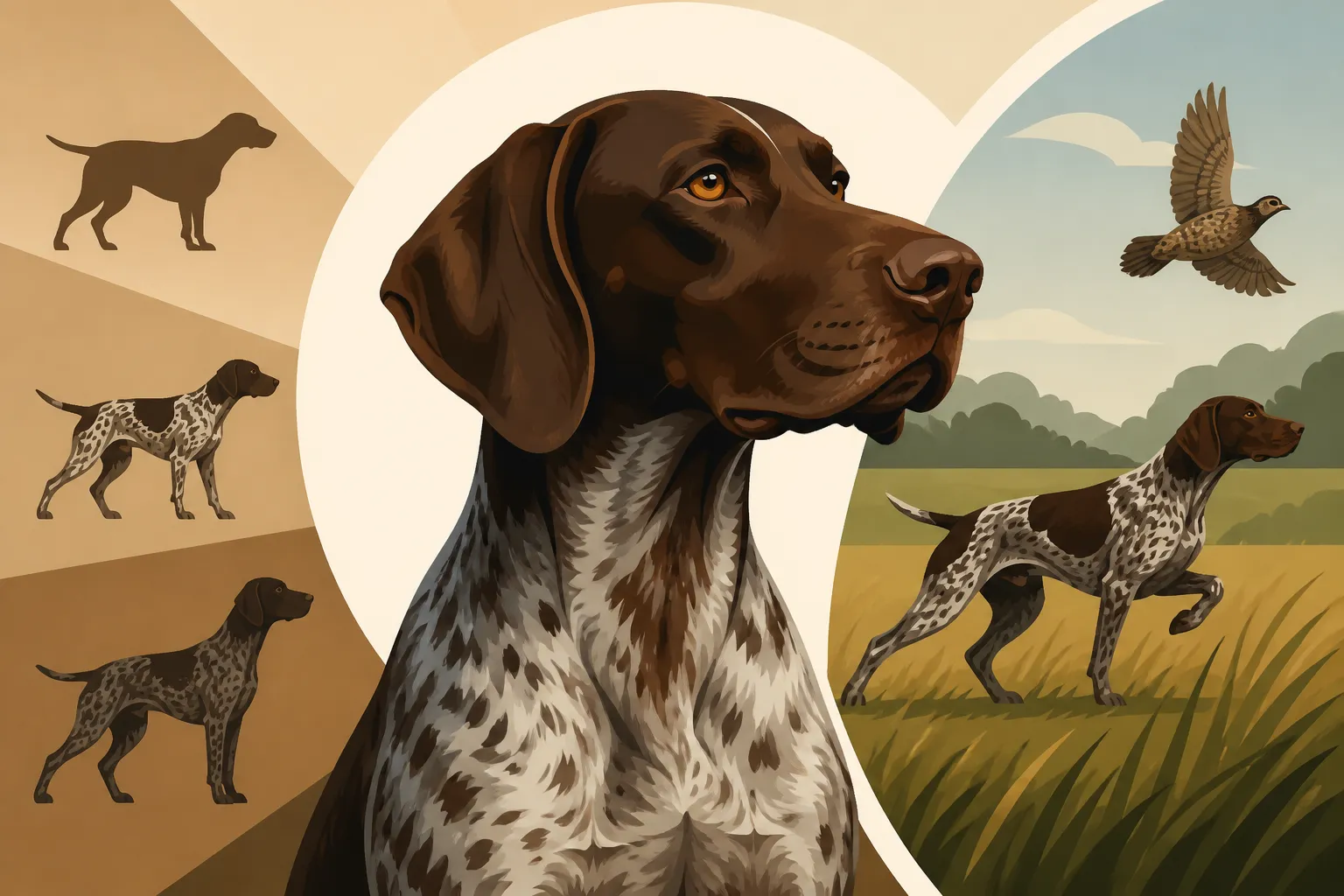
The pivotal decade for the German Shorthaired Pointer's development is widely recognized as the late 1800s, particularly the 1870s and 1880s. This was a time of intense, focused breeding efforts, driven by a clear vision. German breeders weren't just throwing dogs together; they were systematically selecting for specific traits to create the ultimate all-around gun dog. It was an era of careful record-keeping, observation, and refinement, moving beyond haphazard crosses to a deliberate, scientific approach to breed creation. The goal was nothing less than canine perfection for the German hunting environment.
Key Breeding Goals and Desired Traits
The breeders of this era had a shopping list for their ideal dog, and it was a demanding one. They wanted a dog that could:
- Point: A strong, natural point was essential for locating upland game birds. The dog needed to freeze, indicating the bird's location without flushing it.
- Retrieve: This included retrieving shot game from both land and water, and doing so gently, ensuring the bird was delivered undamaged.
- Track: The ability to follow a cold scent trail, particularly for wounded game like deer or rabbits, was highly valued. This required a keen nose and perseverance.
- Work Independently, Yet Be Biddable: The dog needed to be intelligent enough to make decisions in the field but also responsive to commands, a true partner rather than a rogue agent.
- Stamina and Durability: Long days in varied terrain required a dog that could maintain its energy and resist injury, with a coat that offered some protection.
- Good Temperament: Crucially, the dog needed to be a pleasant companion in the home, not just a field machine. Aggression or extreme nervousness would not be tolerated.
This blend of physical prowess and mental aptitude was ambitious, but it was the driving force behind every breeding decision during this formative period. They truly aimed to create a 'do-it-all' dog, a single animal that could replace several specialists, embodying the German concept of Vielseitigkeit – versatility.
The Influence of the Spanish Pointer and Other Bloodlines
To achieve these ambitious goals, German breeders looked to various existing European pointing breeds. One of the most significant influences was the old Spanish Pointer, sometimes referred to as the "Perdiguero de Burgos" type. These were substantial, heavy-boned dogs known for their excellent scenting ability and staunch, deliberate points. They brought valuable hunting instincts and a robust build, crucial for handling challenging terrain and game. The Old Spanish Pointer in a Shorthair's Pedigree is a fascinating dive into this ancestral contribution.
However, the Spanish Pointer alone wasn't enough. To inject speed, refinement, and a more elegant, athletic build suitable for covering vast ground, English Pointer blood was likely introduced, though perhaps indirectly or in carefully managed crosses. While the exact details of every early cross are sometimes debated or lost to time, the blend of these types helped to create a dog that retained the formidable nose and biddability of the older Continental pointers while gaining the ground-covering ability of the English breeds. Whether English Pointer Blood Went Into the Shorthair is a topic that comes up often when discussing these early influences.
Beyond pointers, some hound blood, likely from local German hounds (Bracke types), was also integrated to enhance scenting and tracking capabilities. This "hound blood," as it was often called, added depth to their noses and a determination to follow a trail, an essential component for locating wounded game. The Hound Blood Behind a Shorthair's Nose highlights how crucial this was to the breed's versatile profile. The combination was carefully managed, balancing the desire for keen scenting with the need for a refined bird dog.
The Role of Early Breeders and Visionaries
The development of the German Shorthaired Pointer wasn't a random occurrence; it was the result of dedicated efforts by a handful of visionary breeders. These individuals, often German noblemen and estate owners, meticulously planned matings, kept detailed records, and evaluated their dogs' performance in the field. Prince Albrecht zu Solms-Braunfels is often credited as a pivotal figure, articulating the specific qualities desired in the breed and pushing for systematic selection. His influence helped formalize the breeding process, emphasizing performance over mere aesthetics.
These early breeders were keen observers, understanding that form must follow function. They were not just breeding for a pretty dog, but for a highly effective hunting tool. Every litter was a step towards their ultimate goal. They organized early field tests and exhibitions, not just as competitions, but as evaluation tools to assess their dogs' progress against the desired versatile standard. This rigorous approach ensured that only the best, most capable animals contributed to the future of the breed. The legacy of these breeders is truly the foundation upon which the entire breed was built. Prince Albrecht and the First Shorthair Stud Book details some of this early foundational work.
Refining the Breed: Early Development and Standardization
Once the core characteristics were beginning to solidify within that crucial decade, the focus shifted towards formalizing the breed. This meant establishing official standards, opening stud books, and ensuring a consistent type emerged from the various bloodlines. It was about moving from experimental crosses to a recognized, distinct breed with predictable traits.
Establishing the First Stud Books and Registries
The meticulous nature of German breeders extended to record-keeping. As the GSP type began to emerge and gain recognition, there was a strong push to establish official stud books. These books were vital for tracking pedigrees, ensuring responsible breeding, and preventing dilution of the desirable traits that had been so carefully cultivated. The first stud books for the German Shorthaired Pointer were opened in the late 1800s, around the 1870s and 1880s, effectively documenting the lineage of foundation dogs. This was a critical step in giving the breed a formal identity and ensuring its future development followed a clear path. The Year the Shorthair Stud Book Opened sheds more light on this important moment.
These early registries weren't just about recording names; they were about creating a structured framework for the breed's future. Breeders could consult these records to make informed decisions about pairings, aiming to strengthen desired characteristics and avoid potential issues. This systematic approach, deeply ingrained in German dog breeding philosophy, contrasted sharply with less formal methods used for some other breeds at the time.
Defining the Appearance and Temperament Standard
With the stud books came the need for a detailed breed standard. This document outlined the ideal physical appearance, movement, and temperament of the German Shorthaired Pointer. It described everything from the preferred coat color and pattern (predominantly liver and white, or solid liver), to the desired head shape, ear set, and body conformation. But more than just looks, the standard emphasized the functional aspects: a strong, muscular build for endurance, powerful legs for galloping, and a keen, intelligent expression.
The temperament section of the standard was equally important, stressing the GSP's biddability, intelligence, and even-temperament both in the field and at home. This balanced approach ensured that the breed remained true to its versatile hunting roots while also being a suitable companion. They were looking for a dog that was "bold but not aggressive, keen but not flighty," a true working partner. This standardization process helped ensure that breeders across Germany were working towards the same ideal, creating a cohesive and recognizable breed. The Size and Build the Shorthair Standard Asks For provides more detail on these physical requirements.
Early Usage and Proving Ground for the Breed
Once the GSP had taken shape, its proving ground was, naturally, the hunting field. The early German Shorthaired Pointers were immediately put to work, and they didn't disappoint. Their versatility meant they could perform a wide array of tasks: staunchly pointing upland birds, tracking a wounded rabbit through thick brush, or bravely retrieving a goose from freezing water. They proved to be truly versatile, embodying the very definition of the term that breeders had striven for. What Versatile Actually Means for a Shorthair delves into the full scope of their abilities.
Early hunting reports and anecdotal evidence quickly cemented the GSP's reputation. Hunters found that they could indeed rely on one dog for tasks that previously required two or three. This not only made hunting more efficient but also fostered a deeper bond between hunter and dog. The GSP's eagerness to please and relentless work ethic made it a favorite among those who demanded a capable and adaptable partner.
These dogs were used for everything from small game birds to waterfowl, and even for tracking larger game. They were expected to perform reliably, day after day, in varying conditions. This rigorous early usage not only confirmed the success of the breeding program but also continued to refine the breed, with breeders making adjustments based on real-world performance. The breed was literally forged in the field, and that heritage remains a defining characteristic of the German Shorthaired Pointer to this day.
Summary of GSP Development in the Formative Decade
| Aspect | Pre-GSP Landscape | Focus During Formative Decade (Late 1800s) | Resulting GSP Trait |
|---|---|---|---|
| Hunting Need | Specialized dogs, multiple needed, inefficient | Create a single, highly versatile hunting companion | All-around gun dog: Pointer, Retriever, Tracker |
| Primary Goal | Fill gaps in specific hunting tasks | Combine best traits from various breeds into one cohesive dog | Exceptional versatility (Vielseitigkeit) |
| Key Influences | Spanish Pointers (scent), English Pointers (speed), German Hounds (tracking) | Systematic cross-breeding and selective culling | Balanced combination of speed, scent, and biddability |
| Breeding Focus | General improvement, less formal | Deliberate selection, meticulous record-keeping, performance testing | Consistent type, strong genetic foundation, documented lineage |
| Temperament | Varied, sometimes specialized | Biddable, intelligent, eager to please, good companion | Trainable, dedicated, family-friendly |
The legacy of this formative decade is evident in every German Shorthaired Pointer we see today. The speed, the endurance, the keen nose, the love for water, and that unwavering desire to be with their human partner are all echoes of those deliberate choices made over a century ago. When you're out training your GSP, perhaps using some sturdy equipment you picked up from Chewy, or simply enjoying their company on the couch, remember the long journey and the dedicated people who created this magnificent breed. That focus on performance, intelligence, and companionship continues to define the breed, making them outstanding partners whether in the field or just curling up at your feet. For a dog that needs to be ready for anything, from a long hike to an unexpected swim, having the right gear is essential, and places like Chewy are excellent resources for everything from high-quality food to durable training tools that support their active lifestyle. The sheer amount of thought that went into producing a dog that could seamlessly transition from a hard day's hunt to a quiet evening by the fire is truly remarkable.
The Enduring Legacy of the Formative Years
The impact of that crucial decade in the late 1800s is still deeply felt in the German Shorthaired Pointer today. It set the blueprint for what the breed would become and ensured its success as one of the most versatile and beloved gun dogs in the world. The careful selection for a specific combination of physical and mental attributes didn't just produce a dog for its time; it created a timeless companion.
Why Versatility Remained the Core Value
The concept of Vielseitigkeit – versatility – wasn't just a fleeting fad; it became the cornerstone of the German Shorthaired Pointer's identity. Unlike some breeds that became highly specialized, the GSP retained its ability to perform a wide range of tasks exceptionally well. This has been a key factor in its enduring popularity, not just among hunters but also among active families seeking a capable and intelligent companion. A German Shorthaired Pointer isn't just a pointing dog, or just a retrieving dog; it's the dog for everything. This inherent versatility makes them adaptable to various hunting styles and even different canine sports, from agility to dock diving, truly living up to their "jack-of-all-trades" reputation. How the Shorthair Was Bred to Replace Four Specialist Dogs highlights this design philosophy.
This core value means that even today, when breeders are selecting for future generations, the emphasis remains on producing dogs that can excel across disciplines. Whether it's a field trial champion or a beloved family pet, the underlying genetic drive for versatility is almost always present. It's why many GSPs, even those never formally trained for hunting, will instinctively point a bird in the backyard or eagerly retrieve a thrown toy, demonstrating that deeply ingrained desire to work alongside their human.
The Influence on Modern Breed Standards
The breed standard formulated during and immediately after that formative decade has largely remained consistent, guiding breeders for generations. While minor tweaks might occur over time, the essential characteristics—the athletic build, the keen intelligence, the friendly yet focused temperament, and the distinctive coat—are all direct inheritances from that period. These standards ensure that despite geographical separation or individual breeder preferences, a German Shorthaired Pointer today is still recognizably the dog its creators envisioned.
Modern conformation shows and field tests continue to evaluate dogs against these historical ideals. Judges look for the same balance of form and function, the same proud carriage, the same eager expression, and the same fluid, powerful gait that defined the breed in its earliest days. This commitment to the original standard ensures the preservation of the breed's working capabilities and overall health. When you look at a GSP's pedigree, you're looking back through a lineage that traces its roots directly to those pivotal late 1800s efforts.
The GSP's Place in the Modern World
From being the quintessential German hunting dog, the GSP has blossomed into a global phenomenon. While still highly prized in hunting circles for their unmatched versatility, they are also celebrated as active family companions, agility stars, and running partners. Their biddable nature and incredible energy, honed during that formative decade, make them fantastic partners for anyone who can provide them with sufficient exercise and mental stimulation. Whether you're hiking mountain trails or simply playing fetch in the park, the spirit of that original versatile hunter shines through.
It's a testament to the foresight and dedication of those early breeders that the German Shorthaired Pointer remains so relevant and capable today. Their strategic breeding choices during that crucial decade didn't just create a dog; they cultivated a legacy that continues to enrich the lives of countless individuals and families. From their ancestral roots in German kennels to becoming a beloved fixture in homes around the world, the GSP's journey is a powerful reminder of how deliberate breeding can shape a truly exceptional companion. Many GSP owners today understand the importance of providing their active dogs with the best nutrition and enrichment, and resources like Chewy offer a wide range of specialized foods and toys designed to meet the high energy demands of this remarkable breed.
Disclaimer
This article is for general informational purposes only and does not constitute professional advice. Laws, prices and regulations vary by location and change over time. Consult a qualified professional for guidance on your specific situation.