Von Willebrand Testing Before a German Shorthaired Pointer Is Bred
It's absolutely heartbreaking to see your vibrant, energetic German Shorthaired Pointer suddenly facing a life-threatening emergency, especially when it involves something as fundamental as their blood not clotting properly. Many GSP owners, myself included, have faced the agonizing worry of a minor injury turning into a major crisis, or a routine surgery becoming a dangerous gamble due to an unknown bleeding disorder. This guide is here to shed light on Von Willebrand Disease (VWD), a specific inherited bleeding condition, and to walk you through why comprehensive testing before breeding is not just recommended, but an absolute necessity for the health and well-being of our beloved Shorthairs.
Understanding Von Willebrand Disease in German Shorthaired Pointers
Imagine your dog getting a small cut, and it just keeps bleeding. Or going in for a routine spay, and the vet calls with alarming news about excessive blood loss. This isn't just bad luck; it can be a sign of an underlying genetic condition called Von Willebrand Disease (VWD). For German Shorthaired Pointer enthusiasts and breeders, understanding this particular disorder is crucial because it does affect our breed.
What Exactly is Von Willebrand Disease?
At its core, Von Willebrand Disease is an inherited bleeding disorder that stems from a deficiency or dysfunction of a specific protein in the blood called von Willebrand factor, or vWF. Think of vWF as a crucial piece of sticky tape within your dog's blood. When an injury occurs, blood vessels are damaged, and platelets rush to the scene to form a plug, essentially trying to seal the wound. The vWF protein acts like glue, helping these platelets stick together and adhere to the injured blood vessel wall. Without enough functional vWF, that initial plug is weak or can't form properly, leading to prolonged or excessive bleeding.
While we often hear about conditions like hemophilia in humans, VWD is actually the most common inherited bleeding disorder across all dog breeds. It's not exactly the same as human hemophilia, but the end result – impaired blood clotting – is shared. For a breed as active and prone to bumps and scrapes as the German Shorthaired Pointer, normal clotting is absolutely essential for a healthy, vibrant life, both in the field and at home.
Types of VWD and Their Impact on Shorthairs
It's important to know that VWD isn't a single, uniform condition; it comes in different types, classified by the nature of the vWF deficiency. While some breeds are commonly affected by Type I VWD (where there's a reduced quantity of otherwise normal vWF), German Shorthaired Pointers primarily contend with Type II Von Willebrand Disease. This is a critical distinction because Type II is often more severe.
In dogs with Type II VWD, the von Willebrand factor is present, but it's structurally abnormal or dysfunctional. It's like having all the pieces of tape, but they're not sticky enough to do their job effectively. This dysfunction can lead to moderate to severe bleeding episodes. Affected GSPs might produce some vWF, but it simply doesn't work right. This makes even minor traumas, dental procedures, or routine surgeries like spaying or neutering potentially life-threatening events. The implications for a working German Shorthaired Pointer, who might encounter sharp brush or suffer a fall in the field, are profound. This isn't a disorder to take lightly, and its specific manifestation as Type II in GSPs means breeders and owners need to be particularly vigilant.
Signs and Symptoms of VWD in Affected Dogs
The tricky thing about VWD is that its symptoms can be highly variable. Some affected dogs might live for years without ever showing a clear sign, only for the condition to be unmasked by a serious injury or an unexpected complication during surgery. Others might present with more chronic, noticeable issues.
Common signs that could point to VWD in a German Shorthaired Pointer include: excessive or prolonged bleeding from minor cuts, which just doesn't seem to stop even with pressure; frequent nosebleeds (epistaxis) that can be alarming; bruising easily, sometimes with no clear memory of an injury; blood found in their urine or stool; or unusually heavy bleeding during their heat cycles or after giving birth. For male dogs, even a routine nail trim can become a prolonged ordeal if the quick is hit and bleeding persists far longer than it should. Less commonly, internal bleeding into joints can cause unexplained lameness. The challenge with our hardy, high-energy GSPs is that they often tough it out, making subtle signs easy to miss until a significant bleeding event forces the issue. This is why awareness and proactive testing are so incredibly important.
The Importance of Von Willebrand Testing for Breeders
Given the potential severity of Type II Von Willebrand Disease in German Shorthaired Pointers, pre-breeding genetic testing isn't just a good idea; it's a fundamental pillar of responsible breeding. No ethical breeder wants to knowingly produce puppies destined for a lifetime of health challenges, and VWD testing provides the crucial information to prevent just that.
Preventing the Spread of VWD in Breeding Lines
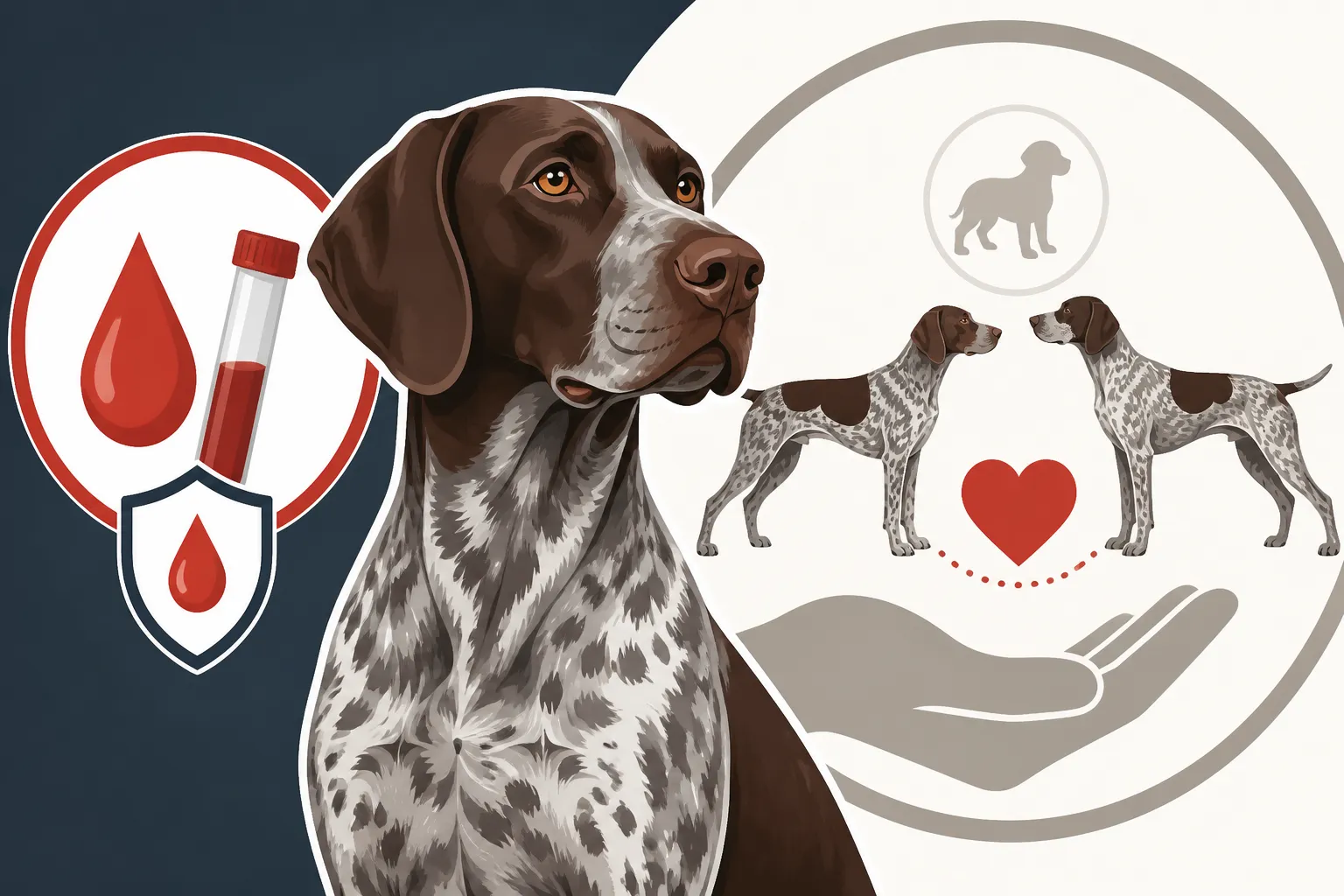
Type II VWD in German Shorthaired Pointers follows an autosomal recessive inheritance pattern. This means a dog needs to inherit two copies of the faulty gene – one from each parent – to be "affected" and express the disease. Dogs that inherit only one copy of the faulty gene are called "carriers." They typically show no symptoms themselves because their single normal gene produces enough functional vWF, but they can still pass the gene on to their offspring.
Without testing, a breeder might unknowingly pair two carrier dogs. The mathematical reality of this pairing is stark: each puppy in the litter has a 25% chance of being affected (inheriting two copies of the faulty gene), a 50% chance of being a carrier (inheriting one faulty gene), and a 25% chance of being clear (inheriting two normal genes). This means a quarter of the litter could face significant bleeding risks throughout their lives. This silent spread of the gene through generations can devastate a breeding line and, ultimately, the breed as a whole. Comprehensive testing allows breeders to identify carriers and make informed decisions that actively prevent the birth of affected puppies. If you're looking into buying a puppy, understanding The Bleeding Disorder in German Shorthaired Pointer Lines and asking about parentage testing is key.
The Ethical Breeder's Responsibility
For any reputable German Shorthaired Pointer breeder, health testing for genetic conditions is not an optional extra; it's a moral and ethical obligation. Just as they screen for hip and elbow dysplasia, eye conditions, and cardiac health, VWD testing should be a standard practice. The purpose isn't necessarily to remove every carrier from the gene pool overnight – that could severely limit genetic diversity. Instead, it's about making educated breeding choices.
An ethical breeder uses VWD test results to strategically plan matings, ensuring that an affected puppy is never produced. They understand that transparency is paramount, and they will openly discuss the VWD status of both parent dogs with prospective puppy buyers. This commitment to genetic health reflects a deep love for the breed and a dedication to ensuring every puppy has the best possible start in life. The critical tests for conditions like Von Willebrand Disease are an investment in the future of the breed, a safety net that might save untold distress and significant financial outlay for a new owner, perhaps even more than an emergency visit that a provider like Healthy Paws might help mitigate.
Impact on Puppy Buyers and Future Generations
Imagine bringing home your excited, bouncing German Shorthaired Pointer puppy, only to discover later that they have a serious bleeding disorder. The emotional toll of watching your dog suffer from excessive bleeding or needing emergency intervention is immense. Beyond the emotional stress, there's a significant financial burden. Emergency veterinary care, including blood transfusions or specialized clotting agents, can quickly run into thousands of dollars. Having a dog with VWD means constant vigilance, careful management of their environment, and the anxiety of every minor cut or bruise. This unforeseen stress and expense for families dealing with a dog that might need emergency care for bleeding issues, even with robust pet insurance plans from providers like Healthy Paws, is entirely avoidable with proper pre-breeding testing.
On a broader scale, ignoring VWD testing harms the entire German Shorthaired Pointer breed. If responsible breeding practices aren't universally adopted, the incidence of affected dogs could increase, leading to more suffering and a decline in the overall health reputation of these magnificent dogs. By supporting breeders who prioritize VWD testing, puppy buyers contribute to a healthier future for all German Shorthaired Pointers. Understanding Bleeding Risk During a German Shorthaired Pointer's Surgery can help you anticipate potential complications if you own a dog of unknown VWD status.
The Von Willebrand Disease Testing Process
So, how do breeders actually determine a German Shorthaired Pointer's VWD status? Thankfully, modern veterinary science offers reliable and straightforward testing methods that provide clear answers, empowering breeders to make the best decisions for their dogs and the future of the breed.
Genetic Testing vs. Coagulation Assays
When it comes to identifying Von Willebrand Disease in German Shorthaired Pointers, genetic testing is the undisputed gold standard for breeders. A DNA test directly identifies the specific gene mutation responsible for Type II VWD in the breed. This test is definitive: it tells you whether a dog is clear (N/N), a carrier (N/VWD), or affected (VWD/VWD). It can be performed at any age, even on very young puppies, and the results are valid for a dog's entire life. Reputable genetic testing laboratories, often affiliated with universities like Cornell or companies like VetGen, provide these services, sometimes in conjunction with the Orthopedic Foundation for Animals (OFA) which acts as a central database for health clearances.
In contrast, other tests like coagulation assays (measuring vWF antigen levels in the blood) or buccal mucosal bleeding time (BMBT, a quick test measuring how long a small standardized cut on the inside of the lip takes to stop bleeding) are phenotypic tests. This means they measure the effect of the disease, rather than identifying the genetic cause itself. While a low vWF level or prolonged BMBT might suggest VWD, these tests can be influenced by many factors, including stress, age, other illnesses, or certain medications. They are less precise for breeding decisions because they don't definitively tell you a dog's genetic status (clear, carrier, or affected) for passing on the trait. For a breeder trying to make a sound decision, the DNA genetic test is the clear choice.
Collecting Samples and Lab Procedures
The process for genetic testing a German Shorthaired Pointer for VWD is quite simple and minimally invasive. Typically, your veterinarian will collect a sample, which is most often a buccal swab. This involves gently rubbing a specialized sterile brush or cotton swab along the inside of your dog's cheek for a few seconds to collect cells containing their DNA. Some labs may prefer a blood sample, which is also a straightforward collection by a vet. Both methods are safe and quick.
Once the sample is collected, it's carefully packaged according to the lab's instructions and sent off for analysis. Laboratories like VetGen, or those associated with university veterinary programs, specialize in these types of genetic tests. The DNA is extracted from the cells, and then advanced molecular techniques are used to identify the specific mutation associated with Type II VWD in GSPs. Turnaround times can vary, but generally, breeders can expect results within a few weeks. The cost is a relatively small investment compared to the potential heartbreak and expense of dealing with an affected litter or adult dog.
Understanding Carrier, Affected, and Clear Results
Receiving your German Shorthaired Pointer's VWD test results involves understanding three possible classifications: Clear, Carrier, or Affected. Each status carries distinct implications for the dog's health and its role in a breeding program.
Here’s a breakdown of what each result means:
| Result | Genotype | Phenotype (Symptoms) | Breeding Implication |
|---|---|---|---|
| Clear | N/N | No VWD, normal clotting. | This dog has two normal genes and will not develop Type II VWD. They cannot pass the VWD gene on to their offspring. They can be safely bred to any dog (Clear, Carrier, or even Affected, though breeding to Affected is not recommended) without producing affected puppies, regarding VWD. |
| Carrier | N/VWD | Generally no symptoms, normal clotting. | This dog has one normal gene and one VWD gene. They typically do not show signs of Type II VWD themselves as the normal gene usually compensates. However, they can pass the VWD gene to approximately 50% of their offspring. Carriers should only be bred to a 'Clear' (N/N) dog to ensure no affected puppies are produced. |
| Affected | VWD/VWD | Shows signs of VWD, abnormal clotting. | This dog has two copies of the VWD gene and will likely show varying degrees of Type II VWD symptoms, ranging from mild to severe bleeding episodes. They will pass a VWD gene to all of their offspring. Affected dogs should not be bred under any circumstances, both for their own health and to prevent perpetuating the disease. |
Understanding these results empowers breeders to make responsible, informed decisions about pairing dogs, thereby actively working to reduce the incidence of Von Willebrand Disease in future generations of German Shorthaired Pointers.
Making Informed Breeding Decisions
Once a breeder has the Von Willebrand Disease test results for their German Shorthaired Pointers, the crucial step is to use that information wisely. Responsible breeding isn't about simply having the data; it's about applying it to make ethical choices that prioritize the health and longevity of the breed.
Pairing a Carrier with a Clear Dog
When a breeder discovers they have a German Shorthaired Pointer who is a VWD carrier (N/VWD), the immediate thought might be to remove them from the breeding program entirely. However, if that carrier dog possesses exceptional qualities – perhaps outstanding working ability, a stellar temperament, or excellent conformation that is vital to the breed standard – it can be a responsible decision to retain them, provided they are bred very carefully.
The most ethical strategy for a VWD carrier is to only breed them to a dog that has tested as Clear (N/N). When a carrier is bred to a clear dog, none of the puppies will be affected by Type II VWD. Approximately 50% of the puppies in such a litter will be clear, and 50% will be carriers. It is absolutely paramount that every single puppy from this type of pairing be tested for VWD before it goes to its new home. This ensures that new owners are fully aware if they are taking home a clear or a carrier puppy. This knowledge allows the new owners to make their own responsible decisions should they ever consider breeding, or simply to be aware of their dog's genetic status. This controlled breeding strategy allows valuable genetic traits to be passed on without the risk of producing an affected puppy.
The Risks of Breeding Two Carriers
Given the inheritance pattern of Type II VWD, the act of breeding two German Shorthaired Pointers that are both VWD carriers (N/VWD x N/VWD) is considered highly irresponsible and unethical. As we discussed, such a mating statistically guarantees a 25% chance of producing puppies that are affected with Von Willebrand Disease (VWD/VWD). These puppies will almost certainly experience bleeding problems throughout their lives, leading to pain, suffering, and significant financial and emotional strain for their eventual owners.
In today's world, with readily available and affordable genetic testing, there is simply no excuse for knowingly producing affected puppies. Breeding two carriers means intentionally rolling the dice on a serious, preventable genetic disorder. Any breeder engaging in this practice, whether out of ignorance or disregard, is undermining the health and welfare of the German Shorthaired Pointer breed. It's a stark reminder that genetic health clearances, like those that form The Five Tests Behind a German Shorthaired Pointer CHIC Number, are non-negotiable for anyone truly committed to responsible breeding.
When to Avoid Breeding a Shorthair Entirely
While careful pairings of carriers with clear dogs can be part of a responsible breeding strategy, there are definite instances where a German Shorthaired Pointer should be excluded from a breeding program altogether. First and foremost, any dog that tests as Affected (VWD/VWD) should never be bred. Not only would they pass on two copies of the faulty gene to every single offspring, but the physical stress of pregnancy and whelping itself could be incredibly dangerous for an affected female, putting her life and the lives of her puppies at extreme risk due to uncontrolled bleeding.
Furthermore, a breeder might choose to refrain from breeding even a carrier if there are other significant health concerns present in the dog or its lineage, or if the genetic diversity of the breeding program allows for the selection of a clear dog with equally desirable qualities. The ultimate goal of health testing is to improve the breed over generations, not just to manage individual litters. If a carrier's overall contribution to the breed's health and genetic diversity is minimal, or if there are readily available clear alternatives, then choosing not to breed that carrier dog is the more responsible path. The integrity of the breed demands such thoughtful and sometimes difficult decisions.
Managing Von Willebrand Disease in Affected Shorthairs
While the focus for breeders is on prevention, it's also important to understand what life might be like for a German Shorthaired Pointer diagnosed with VWD. For owners who may discover their dog has the condition, either through testing or after a bleeding episode, proactive management and a strong partnership with their veterinarian are key to ensuring the best possible quality of life.
Daily Life with a VWD Shorthair
Living with a German Shorthaired Pointer affected by Von Willebrand Disease requires a heightened level of awareness and often some modifications to their daily routine. It's not about making them live in a bubble, but about minimizing risks and being prepared. Owners should be extra vigilant for even minor cuts, scrapes, or bruises, and be ready to apply pressure immediately and effectively. Avoiding excessively rough play, especially with other dogs, can reduce the chance of injury. Using softer brushes for grooming and being careful during nail trims are small adjustments that can make a big difference.
Routine dental care is particularly critical but also carries inherent risks. Periodontal disease can lead to gum bleeding, which an affected dog would struggle to control. Any dental procedures, even simple cleanings, must be performed with extreme caution and appropriate pre-treatment. It is absolutely essential to inform all veterinary staff – from the front desk to the technicians and doctors – about your dog's VWD diagnosis during every visit, even for routine check-ups. This ensures they can take necessary precautions and are prepared for any bleeding complications. Being knowledgeable about A German Shorthaired Pointer That Bleeds Too Long can help owners understand what to look for.
Emergency Protocols for Bleeding Episodes
Despite the best preventative measures, a German Shorthaired Pointer with VWD may still experience a significant bleeding episode. Knowing how to react in an emergency is critical. For external wounds, immediate and firm direct pressure applied with a clean cloth or gauze is the first step. Maintain pressure for at least 5-10 minutes without peeking, as disturbing the clot can restart bleeding.
For more severe bleeding, such as a major laceration, persistent nosebleeds, or signs of internal bleeding (pale gums, weakness, abdominal distension, blood in vomit or stool), immediate veterinary attention is paramount. Your vet will likely need to stabilize your dog and then administer treatments aimed at replacing the missing or dysfunctional vWF. This can include transfusions of whole blood, fresh frozen plasma (FFP), or cryoprecipitate (a concentrated source of clotting factors, including vWF). In some cases, a medication called desmopressin acetate (DDAVP) can be used, which temporarily stimulates the release of stored vWF, but its effectiveness varies depending on the type of VWD and individual response. Having your emergency vet's number handy and a pre-discussed emergency plan with your regular veterinarian is invaluable. These unexpected, often substantial vet bills. Many GSP owners turn to pet insurance, with companies like Healthy Paws offering plans that can cover a significant portion of emergency treatments, including those related to VWD.
Surgical Risks and Precautions
One of the most dangerous situations for a German Shorthaired Pointer with VWD is undergoing surgery, even for routine procedures. This is often when VWD is first discovered in dogs who have otherwise lived symptom-free lives. Any procedure that involves cutting tissue carries a significant risk of severe and prolonged bleeding.
Therefore, for any known VWD-affected GSP, extensive precautions must be taken before and during surgery. This includes pre-treatment with vWF-rich blood products like fresh frozen plasma or cryoprecipitate, or sometimes DDAVP, to bolster clotting ability before the first incision is made. Your vet may also run a full coagulation panel or a buccal mucosal bleeding time (BMBT) test immediately prior to surgery to get a real-time assessment of your dog's clotting function, even if a genetic test has confirmed VWD. During surgery, meticulous hemostasis (controlling bleeding) by the surgical team is essential. Post-operatively, careful monitoring for delayed bleeding is crucial, as some complications can arise hours or even days later. If you are considering a spay for your female Shorthair, discussing Testing a German Shorthaired Pointer Before a Spay with your vet is a critical conversation.
Broader Health Considerations for GSP Breeding
While Von Willebrand Disease testing is vital, it’s just one piece of the intricate puzzle that makes up responsible breeding for German Shorthaired Pointers. A truly ethical and comprehensive breeding program goes far beyond a single genetic test, aiming to produce healthy, sound dogs in every aspect of their being.
Beyond VWD: Other Essential Health Clearances
For a breed as active and predisposed to certain conditions as the German Shorthaired Pointer, responsible breeders conduct a battery of health tests to screen for a range of inherited disorders. These tests are performed on potential breeding dogs before they are ever bred, ensuring that parents are as healthy as possible and minimizing the risk of passing on known genetic ailments.
Key health clearances that should be part of any comprehensive GSP breeding program include:
- Orthopedic Evaluations: Hip and elbow dysplasia are significant concerns in many active breeds, including German Shorthaired Pointers. Evaluations are typically done through the Orthopedic Foundation for Animals (OFA) or PennHIP to assess joint conformation and reduce the risk of passing on these debilitating conditions. Understanding Hip Dysplasia in a Hard Running German Shorthaired Pointer is essential for owners and breeders alike.
- Cardiac Exams: Heart conditions can be serious and often silent until advanced stages. Breeders should have their dogs examined by a board-certified veterinary cardiologist to screen for inherited heart diseases like Subaortic Stenosis in a Young German Shorthaired Pointer or other murmurs.
- Ophthalmic Examinations: Annual eye exams performed by a board-certified veterinary ophthalmologist (ACVO) help detect inherited eye diseases such as progressive retinal atrophy, cataracts, or other conditions that could affect a dog's vision and quality of life.
- Thyroid Testing: Autoimmune thyroiditis, which can lead to hypothyroidism or Thyroid Failure in a Middle Aged German Shorthaired Pointer, is another condition that can be screened for, as it has a hereditary component.
These tests, alongside VWD testing, represent a commitment to holistic breed health, ensuring that breeders are making the most informed decisions possible.
The Role of OFA and CHIC in GSP Health
The Orthopedic Foundation for Animals (OFA) is a non-profit organization dedicated to improving the health and well-being of companion animals through objective evaluation of canine health. OFA provides a centralized database for many health screenings, including hip and elbow evaluations, cardiac exams, and thyroid certifications. Breeders submit their dogs’ test results to OFA, and if they meet the standards, the results are publicly searchable, promoting transparency.
Building on the OFA framework, the Canine Health Information Center (CHIC) program is a collaboration between the OFA and participating parent clubs, such as the German Shorthaired Pointer Club of America. A CHIC certificate is issued to a dog that has had all the health screening tests recommended for its breed by the parent club, with the results registered in the public OFA database. For German Shorthaired Pointers, the core CHIC requirements typically include hip, elbow, eye, cardiac, and often thyroid evaluations. While VWD testing isn't always a required component for a CHIC number in every breed, it is a strongly recommended test for GSPs and is often part of an expanded CHIC panel if the parent club deems it necessary. Looking for a CHIC number on a GSP's pedigree is a strong indicator that a breeder has done their due diligence. Understanding Hips and the CHIC Panel a German Shorthaired Pointer Needs provides a deeper dive into these important certifications.
Supporting the Health of the German Shorthaired Pointer Breed
Ultimately, the responsibility for supporting and improving the health of the German Shorthaired Pointer breed rests with all of us: breeders, prospective owners, and current GSP enthusiasts. For prospective owners, this means doing your homework. Don't be afraid to ask breeders tough questions about their health testing protocols, and always request to see verifiable copies of health clearances for both parent dogs, not just a verbal assurance. Look for breeders who are open, transparent, and passionate about the health of their lines, often going above and beyond minimum requirements.
For breeders, it means continuous education, staying up-to-date on the latest research into GSP health conditions, and being willing to adapt breeding practices as new information emerges. It also means participating in health databases like OFA and CHIC to contribute to the collective knowledge base. By making conscientious choices and prioritizing comprehensive health screening, we can help ensure that our beloved German Shorthaired Pointers continue to be the robust, intelligent, and joyful companions they are known to be, capable of living out The Twelve to Fourteen Years a German Shorthaired Pointer Gets in good health. Even with the most meticulous breeding practices and thorough health clearances, unexpected health issues can sometimes arise, making a comprehensive pet insurance policy from a provider such as Healthy Paws a valuable safety net.
Disclaimer
The information provided in this guide is intended for general knowledge and informational purposes only, and does not constitute veterinary advice. Always consult with a qualified veterinarian for any health concerns or before making any decisions related to your pet's health or treatment.