Seizure Disorders Recorded in Shorthair Lines
When your lively German Shorthaired Pointer suddenly collapses, begins convulsing, and loses control, it’s one of the most frightening experiences a dog owner can witness. That feeling of helplessness and profound worry is completely normal, and it leaves you with a million questions about what just happened and what it means for your beloved companion. This guide is here to walk you through the complexities of seizure disorders in GSPs, offering a clear, empathetic breakdown of their causes, symptoms, diagnosis, and how to effectively manage them so your shorthair can continue to thrive.
Understanding Seizures in German Shorthaired Pointers
The word "seizure" can conjure up dramatic images, but in reality, seizures in dogs, including our energetic GSPs, can manifest in many different ways. Understanding what a seizure truly is, and the forms it can take, is the first step in being able to help your dog.
What Exactly is a Seizure?
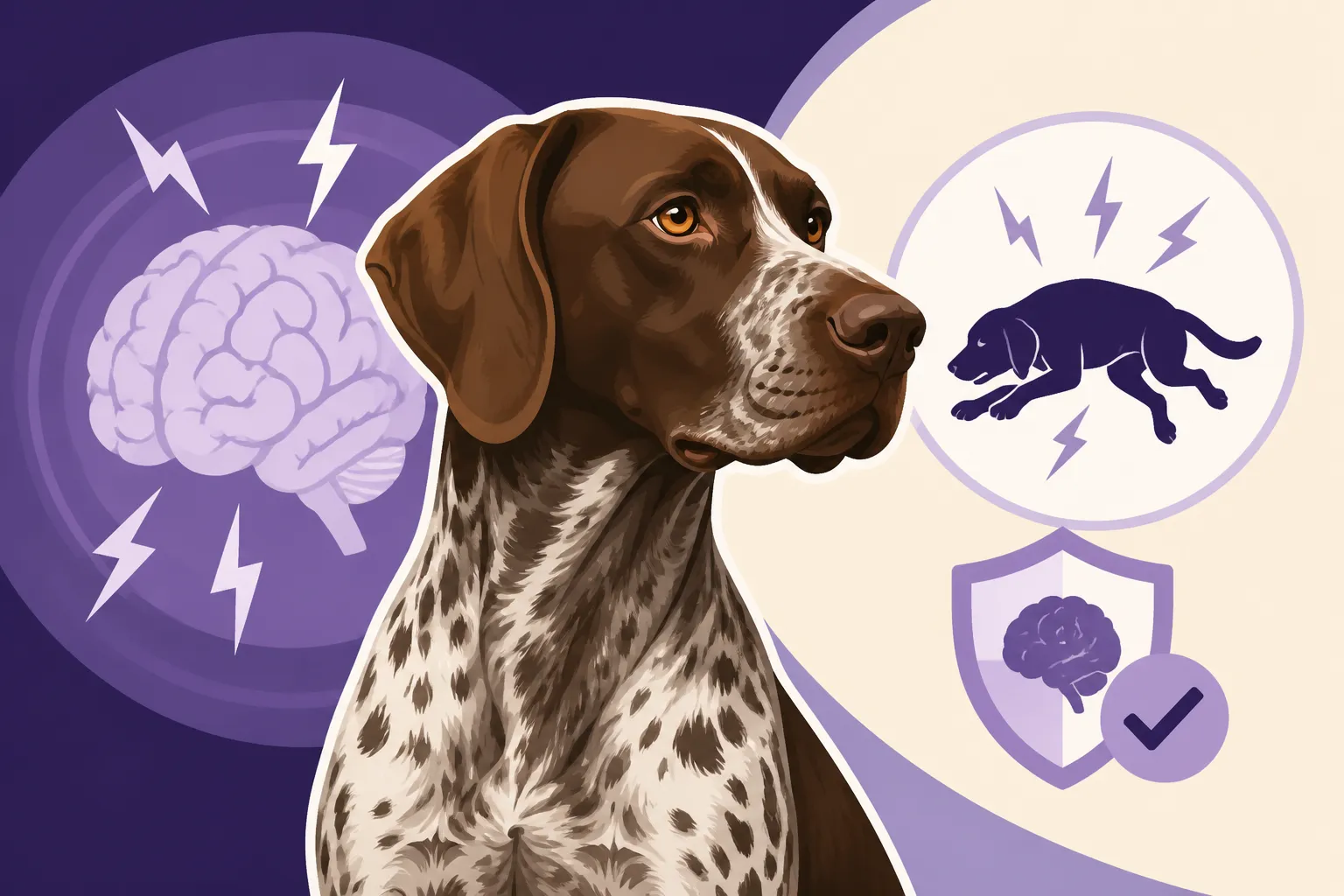
At its core, a seizure is a temporary disturbance of brain function caused by abnormal, uncontrolled electrical activity in the brain. Think of your dog's brain as a complex electrical circuit. Normally, neurons fire in a coordinated, predictable rhythm. During a seizure, this rhythm goes haywire, like a sudden electrical storm disrupting the entire system or just a localized short circuit. This uncontrolled firing can temporarily interfere with how the brain usually sends messages to the body, leading to a wide range of physical and behavioral changes.
It's crucial to remember that a seizure itself isn't a disease; it's a symptom of an underlying issue. Just like a cough can be a symptom of a cold, allergies, or something more serious, a seizure points to a neurological problem that needs investigation. Our goal as owners, alongside our veterinarians, is to identify that underlying cause or, if it's "idiopathic" (meaning no specific cause can be found), to manage the symptoms effectively.
Types of Seizures in GSPs
Seizures aren't a one-size-fits-all event. They can vary dramatically in appearance and severity, which can make them confusing for owners to identify. Knowing the different types can help you provide a more accurate description to your vet.
The most commonly recognized type is the Generalized Seizure, often referred to as a "Grand Mal" seizure. This involves both sides of the brain and typically results in a complete loss of consciousness. During a generalized seizure, your GSP might collapse onto their side, become rigid (the "tonic" phase), and then begin to paddle their legs uncontrollably (the "clonic" phase). You might also see jaw chomping, excessive drooling, and unfortunately, loss of bladder and bowel control. These are the dramatic, terrifying events that most people picture when they hear "seizure."
Then there are Focal Seizures, also known as partial seizures, which originate in and affect only a specific part of the brain. These can be much more subtle and often go unnoticed or are mistaken for behavioral quirks. Your shorthair might exhibit localized muscle twitching in one limb or one side of the face, "fly-biting" (snapping at invisible objects), staring blankly, tail chasing, or showing sudden, inexplicable fear or aggression. Sometimes, a focal seizure can generalize and spread to involve the entire brain, becoming a full-blown grand mal event.
Two critical terms that describe the frequency and pattern of seizures are Cluster Seizures and Status Epilepticus. Cluster seizures occur when your dog experiences two or more seizures within a 24-hour period, with some recovery of consciousness in between. Status epilepticus, on the other hand, is a continuous seizure lasting more than five minutes, or multiple seizures without a return to normal consciousness in between. Both cluster seizures and status epilepticus are considered medical emergencies and require immediate veterinary attention because they can lead to brain damage or even be life-threatening.
The Genetic Link in Shorthairs
It's a tough truth that our beloved German Shorthaired Pointers, like several other purebred dog breeds, are genetically predisposed to certain health conditions, and seizure disorders are unfortunately one of them. Specifically, idiopathic epilepsy, where no underlying cause can be identified, is often suspected to have a strong hereditary component in GSPs. This means that for many shorthairs experiencing seizures, it's not due to an injury or external factor, but rather a predisposition passed down through their family lines.
This genetic inclination isn't a simple "on/off" switch; it's often polygenic, meaning multiple genes contribute to the risk. Reputable breeders are increasingly aware of this and strive to make informed breeding decisions. They often keep detailed records of their breeding dogs and their offspring, noting any instances of seizures. When you're looking for a GSP puppy, it's always wise to ask about the prevalence of seizures or epilepsy in the lineage, as transparent breeders will share this information readily. Understanding a puppy's family history can offer valuable insights into potential health challenges they might face.
While genetics load the gun, environmental factors and other health issues can sometimes pull the trigger or influence the severity and frequency of seizures. However, the inherent genetic predisposition in German Shorthaired Pointers means that owners need to be particularly vigilant and understand that for some, this journey might be part of their dog's life, no matter how carefully they've been raised or cared for.
Causes of Seizures in German Shorthaired Pointers
When a GSP experiences a seizure, the first thing your vet will want to do is figure out why. As we discussed, a seizure is a symptom, and pinpointing the root cause is crucial for effective treatment. While the genetic link makes idiopathic epilepsy common in shorthairs, it's far from the only possibility.
Idiopathic Epilepsy The Most Common Culprit
For many German Shorthaired Pointers experiencing seizures, the diagnosis often lands on idiopathic epilepsy. This term, while sounding complex, simply means that your dog is having recurrent seizures for which no underlying structural brain disease or metabolic cause can be found. It’s a diagnosis of exclusion, meaning your vet has thoroughly investigated and ruled out all other potential causes. The frustrating part for owners is that "idiopathic" means "of unknown cause," but the prevailing theory, especially in breeds like the GSP, is a genetic predisposition.
Typically, idiopathic epilepsy in dogs manifests between six months and six years of age. If your GSP has their first seizure outside this age range, or if the seizures suddenly become more frequent or severe, your vet might lean towards exploring other, non-idiopathic causes. The journey to an idiopathic epilepsy diagnosis often involves a battery of tests, which can be both emotionally taxing and financially demanding. You'll likely find yourself running blood tests, urinalysis, and perhaps more advanced imaging, all in an effort to rule out other conditions. While it’s tough to hear that there’s no specific "fix" for the underlying cause, identifying it as idiopathic allows your vet to focus on managing the seizures with medication and supportive care.
Structural Brain Issues
Sometimes, the cause of seizures is far more concrete: a structural abnormality within the brain itself. These can range from congenital defects (present at birth) to acquired problems later in life. Brain tumors are a significant concern, especially in older GSPs, and can cause seizures as the mass grows and puts pressure on brain tissue or disrupts normal electrical activity. Strokes, similar to those in humans, can also occur, leading to damage in specific brain regions that then trigger seizures.
Head trauma, such as from an accident or a severe blow, can result in scar tissue or bleeding that acts as a focal point for seizure activity. Inflammatory diseases of the brain, like encephalitis or meningitis, where the brain or its surrounding membranes become inflamed, can also be culprits. These conditions can often present with other neurological signs in addition to seizures, such as changes in gait, behavior, or responsiveness. If a structural cause is suspected, your vet will likely recommend advanced imaging techniques like an MRI or CT scan to get a detailed look inside your GSP's skull, as these offer the best chance of identifying such issues.
Metabolic and Toxic Causes
Beyond the brain itself, problems elsewhere in the body can also lead to seizures. These are often referred to as metabolic seizures, where a systemic illness affects brain function. For instance, severe liver disease can cause a buildup of toxins in the bloodstream that the liver normally filters out. These toxins can then cross the blood-brain barrier and trigger seizures. Similarly, kidney failure can lead to an accumulation of waste products that also negatively impact brain function. Low blood sugar (hypoglycemia), often seen in very young puppies or dogs with certain types of tumors, deprives the brain of its primary fuel, leading to seizures. Imbalances in electrolytes, like calcium or sodium, can also disrupt normal nerve function.
Then there's the alarming possibility of toxic exposures. German Shorthaired Pointers, with their curious noses and penchant for exploring, can inadvertently ingest substances that are poisonous. Common household toxins like antifreeze, rodenticides, certain pesticides, or even human medications (if accidentally ingested) can all cause severe neurological signs, including seizures. It’s incredibly important to be mindful of what your GSP has access to, especially if they spend a lot of time outdoors or in areas where chemicals are stored. If you suspect your dog has ingested something toxic, seek immediate veterinary help. These cases require swift intervention to remove the toxin and support your dog through the acute crisis. This is a common concern that can cause What Sets Off a Shorthair's Seizures, so maintaining a safe environment is crucial.
Recognizing a Seizure in Your Shorthair
Witnessing a seizure can be incredibly distressing, but understanding the different phases can help you react appropriately and provide valuable information to your veterinarian. Seizures typically follow a three-phase pattern: pre-ictal, ictal, and post-ictal.
Before the Event The Prodromal Phase
The prodromal phase, or pre-ictal phase, is the period before the actual seizure begins. This can last for minutes, hours, or even days, and while not all dogs show overt signs, some GSPs might exhibit subtle behavioral changes that, in hindsight, indicate a seizure is imminent. As an owner who knows your dog best, you might notice them acting "off."
Common signs in this phase include increased anxiety, restlessness, or agitation. Your GSP might become unusually clingy, seeking constant attention and comfort from you, or conversely, they might try to hide or become withdrawn. You might observe pacing, excessive panting, drooling, or a wide-eyed, faraway stare that tells you something isn't quite right. It's that gut feeling that your dog is just not themselves. Because these signs can be so subtle and easily mistaken for normal quirks or minor anxiety, it's often only after the seizure occurs that owners connect the dots. Learning your GSP's normal baseline behaviors, and noting any deviations, is incredibly helpful in identifying these early warning signals.
During the Seizure Ictal Activity
The ictal phase is the actual seizure itself, and this is typically what most owners witness and find so terrifying. For a generalized (grand mal) seizure, your GSP will likely lose consciousness and fall to the ground. Their body might become rigid, and then they'll begin the characteristic paddling of their legs, as if running in place. You might see their head thrown back, their jaws chomping, and their eyes darting or rolled back. Excessive drooling is common, and many dogs will urinate and/or defecate involuntarily during this phase. Hearing them vocalize — whimpering, growling, or even screaming — can be particularly heartbreaking.
It's vital during this phase to stay calm, even though every instinct will scream at you to intervene. Your primary goal is to ensure your dog's safety. Gently move any furniture or objects they could injure themselves on. Do NOT try to grab their tongue, put your hands in their mouth, or restrain them; they are unconscious and could accidentally bite you. Time the seizure from start to finish. A seizure typically lasts from a few seconds to a few minutes. If it lasts longer than five minutes, or if your dog has multiple seizures in a short period, it's a medical emergency (status epilepticus or cluster seizures), and you need to contact your vet immediately. Remember, as horrifying as it looks, your dog is not aware or in pain during a grand mal seizure. For a more detailed look, refer to our guide on What a Shorthair's Seizure Looks Like the First Time.
Aftermath The Post-Ictal State
Once the active convulsive phase ends, your GSP enters the post-ictal phase, the recovery period. This phase can be just as varied and confusing as the pre-ictal stage, lasting anywhere from a few minutes to several days. The signs you'll observe are a direct result of the brain's exhaustion and disorientation after the intense electrical storm it just weathered.
Common post-ictal signs include profound disorientation: your dog might wander aimlessly, bump into objects, or seem confused about where they are or who you are. Temporary blindness is not uncommon. They might appear extremely lethargic and exhausted, wanting only to sleep, or conversely, they could be restless, pacing, and unable to settle. Excessive thirst (polydipsia) and hunger (polyphagia) are also frequently observed, as the body tries to replenish energy stores. Your shorthair might seem anxious, withdrawn, or even aggressive as they slowly return to normal. It’s crucial during this time to provide a quiet, safe, and comfortable space for them to recover. Offer water if they're thirsty, but don't force anything. Speak to them calmly and reassuringly, allowing them to come around at their own pace. Avoid startling them with loud noises or sudden movements. Understanding Reading a German Shorthaired Pointer's Stress Signals can be particularly helpful here, as they'll likely be feeling vulnerable and confused.
Diagnosing Seizure Disorders
Once you've witnessed a seizure, the next step is a trip to the vet. The diagnostic process can feel like a maze, as your vet works to either identify a specific cause or confirm idiopathic epilepsy. It's a journey of elimination and careful observation.
Your Initial Vet Visit and History Taking
The very first step, and arguably one of the most important, is a thorough consultation with your veterinarian. They will rely heavily on the history you provide, so come prepared with as much detail as possible. This includes when the first seizure occurred, how frequently they are happening, the exact duration of each event, and a detailed description of what you observed in all three phases (pre-ictal, ictal, and post-ictal). If you were able to capture a video of the seizure on your phone, bring it! This visual evidence is gold for your vet, as it provides an objective view of the seizure activity, which can be difficult to describe accurately and can help differentiate between various types of neurological events.
During this visit, your vet will perform a complete physical examination, checking vital signs, listening to the heart and lungs, and palpating the abdomen. More critically, they'll conduct a detailed neurological examination. This involves assessing your GSP's reflexes, coordination, balance, vision, and mental status. They're looking for any deficits or abnormalities that might point towards a specific area of the brain or a broader systemic problem. This initial assessment helps guide which diagnostic tests are most appropriate to pursue next.
Diagnostic Tests to Rule Out Other Conditions
Once the initial exam and history are taken, your vet will begin the process of ruling out other conditions that can cause seizures. This typically involves a battery of diagnostic tests designed to check the overall health of your GSP and identify any metabolic or systemic issues that could be affecting the brain.
Common tests include a complete blood count (CBC), which assesses red and white blood cells, and a blood chemistry panel, which provides insights into organ function (liver, kidneys), electrolyte levels, and blood glucose. A urinalysis will also be performed to check kidney function and rule out urinary tract infections or other systemic issues. For a German Shorthaired Pointer, tests like a bile acids test might be recommended to evaluate liver function more deeply, or a thyroid panel to check for hypothyroidism, which, while not a direct cause, can sometimes exacerbate neurological symptoms. In cases of suspected toxic exposure, a toxicology screen might be necessary. It's worth noting that some breeds can have other health predispositions that need to be considered in a comprehensive diagnostic workup; for instance, some GSPs might carry The Bleeding Disorder in German Shorthaired Pointer Lines, or a puppy might have The Heart Murmur a German Shorthaired Pointer Puppy Can Carry, and while not direct causes of seizures, understanding a dog's full health profile is always important. These initial tests are critical for eliminating other possibilities, paving the way for a diagnosis of idiopathic epilepsy if all else comes back normal. These comprehensive evaluations can certainly add up, making The Vet Bills a Hunting German Shorthaired Pointer Earns a significant concern, which is where having pet insurance like Healthy Paws can truly provide peace of mind.
Specialist Consultations and Advanced Imaging
When the standard bloodwork and physical exams don't provide a clear answer, or if the seizures are severe, frequent, or unresponsive to initial medications, your veterinarian will likely recommend a referral to a veterinary neurologist. These specialists have advanced training and equipment to delve deeper into complex neurological cases.
One of the most powerful diagnostic tools a neurologist can employ is advanced imaging, specifically Magnetic Resonance Imaging (MRI) or Computed Tomography (CT) scans of the brain. These sophisticated scans provide incredibly detailed images of brain structures, allowing the specialist to identify issues that regular X-rays or even basic blood tests cannot. They can pinpoint brain tumors, detect evidence of strokes, identify inflammation or infection (like encephalitis), or uncover congenital malformations that might be causing the seizures. Another important diagnostic test often performed by a neurologist is a cerebrospinal fluid (CSF) analysis, which involves collecting a small sample of the fluid surrounding the brain and spinal cord. This fluid can be analyzed for signs of inflammation, infection, or abnormal cells, helping to diagnose conditions like meningitis or certain cancers. While these advanced diagnostics are crucial for reaching a definitive diagnosis and are typically very expensive, they offer the best chance of understanding the precise cause of your GSP's seizures and tailoring the most effective treatment plan.
Managing Seizure Disorders in GSPs
Once a diagnosis of epilepsy or another seizure disorder is made, the focus shifts to management. This is often a long-term commitment, requiring patience, vigilance, and a close partnership with your veterinarian.
Anticonvulsant Medications and Dosage
The cornerstone of seizure management for most GSPs with recurrent seizures is anticonvulsant medication. The goal isn't always to completely eliminate seizures, which can be an unrealistic expectation, but rather to reduce their frequency, severity, and duration, thereby improving your dog's quality of life. There's no one-size-fits-all drug, and what works for one dog might not work for another.
Commonly prescribed medications include Phenobarbital, often a first-line drug, Potassium Bromide, Levetiracetam (Keppra), Zonisamide, and Gabapentin. Your vet will start with a specific medication, often at a lower dose, and then gradually adjust it based on your GSP's response and any side effects. These medications often require careful monitoring, including regular blood tests to check drug levels (ensuring they are in the therapeutic range) and to monitor for potential side effects on organs like the liver. It can take time and trial-and-error to find the right drug or combination of drugs, and the optimal dosage for your individual dog. The key to success with any anticonvulsant is strict adherence to the dosing schedule—missing doses or giving them inconsistently can lead to breakthrough seizures or even cluster seizures.
Emergency Protocols for Cluster Seizures
While daily medication aims to control seizures, sometimes a GSP will still experience a cluster seizure or, in severe cases, status epilepticus. Knowing when to act and what to do in these emergencies is absolutely critical and can be life-saving.
You need to know the red flags:
- A seizure lasting longer than 5 minutes (Status Epilepticus).
- Two or more seizures within a 24-hour period, especially if your dog doesn't fully recover consciousness between them (Cluster Seizures).
In these situations, time is of the essence. You should contact your veterinarian or an emergency veterinary clinic immediately. Your vet may prescribe emergency medications to keep at home, such as rectal diazepam or midazolam, which can be administered by you to help stop a seizure in progress. Make sure you understand exactly how and when to use these. These medications are fast-acting and can help prevent further brain damage or overheating that can occur with prolonged seizure activity. Having a clear, written action plan from your vet for emergency situations will empower you to react confidently and swiftly when every second counts.
Holistic and Supportive Therapies
Beyond conventional medications, many owners explore holistic and supportive therapies to complement their GSP's seizure management plan. While these should never replace prescribed anticonvulsants without explicit veterinary guidance, they can sometimes offer additional benefits.
Dietary modifications are one area of interest. Some studies suggest that certain diets, particularly ketogenic diets (high fat, low carbohydrate), might help reduce seizure frequency in some dogs, similar to their use in human epilepsy. Another approach involves supplementing with Medium Chain Triglycerides (MCTs), often found in coconut oil, which can provide an alternative energy source for the brain. Additionally, supplements like Omega-3 fatty acids (fish oil) and antioxidants are often recommended for their neuroprotective and anti-inflammatory properties. More recently, CBD oil has gained popularity, with anecdotal reports of it helping to reduce seizure activity. However, it's vital to discuss CBD use with your vet, as the quality and efficacy of products vary widely, and it can interact with other medications. Environmental enrichment and stress reduction also play a significant role. A consistent routine, a calm home environment, and managing potential triggers are all beneficial. This ties back to understanding What Sets Off a Shorthair's Seizures and proactively minimizing those stressors.
Living with an Epileptic German Shorthaired Pointer
Receiving an epilepsy diagnosis for your GSP can feel overwhelming, but it doesn't mean the end of a happy, active life. Many German Shorthaired Pointers with well-managed seizure disorders go on to live full, joyful lives with their families. It's about adjusting, observing, and advocating for your dog.
Adjusting Daily Routines and Environment
Consistency is your new best friend when living with an epileptic GSP. A predictable daily routine can help reduce stress, which can sometimes be a seizure trigger. This means consistent feeding times—and understanding How Many Pounds of Food a Shorthair Eats Monthly to ensure stable nutrition—regular exercise schedules, and designated rest periods. Sudden changes in environment, diet, or routine can potentially upset your dog's delicate neurological balance.
Creating a safe home environment is also paramount. During a seizure, a dog can injure itself by hitting sharp furniture corners or falling down stairs. Consider padding sharp edges, blocking off stairs, or confining your GSP to a safe, carpeted area when you're not able to supervise closely. Given the GSP's energetic nature, thinking ahead about their general well-being and making sure seizure management is seamlessly integrated into The Vet Schedule a Working Shorthair Should Keep is a smart move. Furthermore, if your GSP struggles with separation anxiety or excessive alone time, this could contribute to stress. Understanding The Hours a Shorthair Tolerates an Empty House and addressing any underlying anxieties can indirectly support seizure management.
The Importance of Detailed Record Keeping
This might sound like homework, but a detailed logbook of your GSP’s seizures is one of the most powerful tools you have in managing their condition. Your veterinarian relies on this information to make informed decisions about medication adjustments and overall treatment plans.
Every time your GSP has a seizure, note down:
- Date and Time: When did it start and end?
- Duration: How long did the active seizure phase last? (Use a timer!)
- Type of Seizure: Generalized, focal, cluster?
- Description: What exactly did you observe in the pre-ictal, ictal, and post-ictal phases? (This is where videos are invaluable!)
- Potential Triggers: Was there anything unusual beforehand? A change in routine, loud noise, new food, stress?
- Recovery Time: How long did it take for your GSP to return to their normal self?
This meticulous record-keeping helps you and your vet identify patterns, track the effectiveness of medication, and pinpoint What Sets Off a Shorthair's Seizures. Many smartphone apps are available for this purpose, or a simple notebook will do. The more data you collect, the better equipped your vet will be to fine-tune your GSP's care. For those with pet insurance like Healthy Paws, these comprehensive records also serve as crucial documentation when submitting claims for diagnostics and ongoing treatment.
Prognosis and Quality of Life
The prognosis for German Shorthaired Pointers with seizure disorders varies greatly depending on the underlying cause and how well the seizures respond to medication. For many GSPs with idiopathic epilepsy, the condition can be managed effectively with medication, allowing them to lead long, high-quality lives. However, epilepsy is often a lifelong condition, meaning continuous medication and monitoring. Some dogs might experience "refractory epilepsy," where seizures are difficult to control even with multiple medications.
The ultimate goal is always to ensure your GSP maintains a good quality of life. This means not just reducing seizure frequency but also minimizing medication side effects and ensuring they can still enjoy their favorite activities. Many GSPs with controlled epilepsy can still be active companions, even enjoying field work. Whether an Epileptic Shorthair Can Keep Hunting is a common question, and with careful management, close veterinary consultation, and monitoring for fatigue or overheating, many can. Regular check-ups, consistent medication, and a loving, stable home environment contribute significantly to their well-being. Don't underestimate the financial implications of long-term seizure management, which includes ongoing medication, vet visits, and potential emergency care. Understanding Monthly Insurance Premiums on a German Shorthaired Pointer and The Vet Bills a Hunting German Shorthaired Pointer Earns is crucial, and policies from providers like Healthy Paws can alleviate the stress of affording necessary treatments, allowing you to focus on your GSP's health and happiness. Remember, you are not alone; there are many resources and support groups for owners of epileptic dogs who can offer invaluable advice and shared experiences.
| Seizure Type | Description | Common Signs | Duration | Emergency Status |
|---|---|---|---|---|
| Generalized (Grand Mal) | Affects both sides of the brain, leading to a complete loss of consciousness and full-body involvement. This is the most recognized type of seizure and often the most distressing for owners to witness due to its dramatic nature. | Your GSP will typically fall to their side, become stiff or rigid (tonic phase), and then begin to paddle their legs uncontrollably, often with jaw chomping, excessive salivation (foaming at the mouth), vocalization (whimpering, growling), and involuntary urination or defecation. Their eyes may appear glazed or rolled back. | Usually lasts from a few seconds to up to 2-3 minutes. It can feel much longer to an owner, but accurately timing it is crucial. | Seek immediate veterinary attention if lasting > 5 minutes (Status Epilepticus) or if multiple seizures occur in a short period (Cluster Seizures). |
| Focal (Partial) | Originates in and affects only a specific, localized part of the brain. The dog often remains conscious or has altered awareness, rather than a complete loss. These seizures can be very subtle and are sometimes difficult to differentiate from normal behaviors. | Signs depend on the brain region affected: localized twitching of a limb, ear, or facial muscles; "fly-biting" (snapping at invisible objects); tail chasing; staring blankly into space; sudden onset of fear, aggression, or unusual anxieties; excessive licking; or rhythmic head bobbing. These symptoms may last for brief periods. | Can last from a few seconds to a few minutes. They may be so brief they are missed. | Generally not an immediate emergency unless they progress to a generalized seizure or occur in clusters. However, always consult your vet. |
| Cluster Seizures | Defined as two or more seizures occurring within a 24-hour period, with the dog regaining some level of consciousness, or at least partial recovery, in between the individual seizure events. This pattern indicates a higher level of brain instability. | Repeated episodes of generalized or focal seizures. The dog may be disoriented, restless, or lethargic during the recovery periods between seizures, but they are not in a continuous seizure state. | The duration refers to the overall 24-hour period where the multiple seizures take place, rather than the individual seizure lengths. | THIS IS A MEDICAL EMERGENCY. Contact your vet immediately. Prolonged or repeated seizures can be dangerous. |
| Status Epilepticus | A single, continuous seizure that lasts for five minutes or longer, or a series of seizures occurring one after another without the dog regaining consciousness in between episodes. This is the most dangerous form of seizure activity. | Prolonged generalized seizure activity, often accompanied by severe hyperthermia (overheating), difficulty breathing, and an inability to recover. This is a severe and life-threatening condition that can lead to permanent brain damage or death. | Lasts for five minutes or more, or continuous seizures without recovery. | THIS IS AN ABSOLUTE, LIFE-THREATENING MEDICAL EMERGENCY. Seek immediate emergency veterinary care without delay. |
Disclaimer
This article is for general informational purposes only and does not constitute professional advice. Laws, prices and regulations vary by location and change over time. Consult a qualified professional for guidance on your specific situation.