Cut Pads on a German Shorthaired Pointer After a Long Day
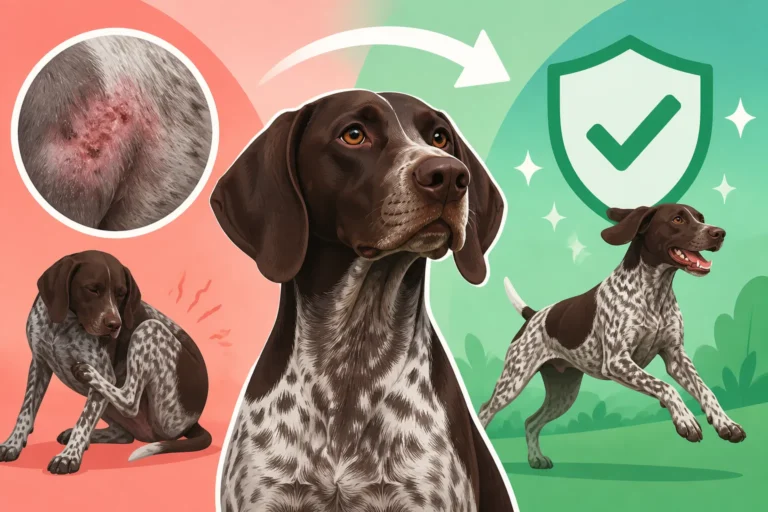
There are few things as disheartening as seeing your German Shorthaired Pointer, full of fire and drive moments before, suddenly lift a paw or limp back to you after a long, intense day in the field. Those tough, resilient paw pads can take a beating, but they're not invincible, and a seemingly minor cut can quickly sideline your dedicated hunting partner. This guide is dedicated to walking you through how to recognize, treat, and most importantly, prevent those painful pad injuries so your Shorthair can keep doing what they love, sound and strong.
The Reality of Pad Injuries for a Working Shorthair
Our German Shorthaired Pointers are incredible athletes, built for endurance and speed across varied terrain. Their pads are naturally thick and robust, designed to withstand the rigors of running through fields, brush, and woods. However, even the toughest pads have their limits, and the unique challenges of hunting can make them surprisingly vulnerable. It's a frustrating paradox: the very activity they live for also puts them at risk.
Why Shorthair Pads Are So Vulnerable
Think about where your Shorthair hunts. It’s rarely manicured lawn. They’re crashing through dense pheasant cover, navigating rocky creek beds, scaling steep banks, or sprinting across stubble fields that feel like walking on a thousand tiny knives. Each step is a potential hazard. Unlike some other breeds, Shorthairs often have very tight, compact feet, which can actually make the individual pads more exposed to direct impact from sharp objects. Their boundless energy means they rarely slow down to pick their way carefully, often flying over obstacles and landing hard. This combination of intense activity, diverse terrain, and a dog that simply refuses to quit, no matter the discomfort, creates a perfect storm for pad injuries. It's not a reflection of poor care; it's simply the nature of their work.
Common Field Hazards That Cause Cuts
The field is a minefield of potential pad shredders. Old barbed wire fences are notorious culprits, lying hidden in tall grass or brush, ready to slice a pad or leg. Broken glass from old bottles, discarded by careless individuals, can be nearly invisible until your dog steps directly on it. Sharp rocks, particularly shale or flint, can create deep gashes, especially when a dog is running at speed and sliding to a stop. Stiff, dry stubble from harvested corn or soybean fields acts like sandpaper, creating abrasions that, while not deep cuts, can wear through the protective outer layers of the pad, making them raw and extremely painful. Even seemingly innocuous things like thorns from multiflora rose or burrs can embed themselves, leading to irritation, infection, and eventually, a deeper wound if not addressed. It’s a constant battle out there. We talk about all sorts of Field Injuries a Hunting German Shorthaired Pointer Comes Home With, and pads are definitely high on that list.
Spotting Trouble: Recognizing Different Types of Pad Cuts
Sometimes a pad injury is obvious – a deep gash with bleeding. But other times, it's more subtle, a tiny thorn or a minor abrasion that you might miss if you're not meticulously checking your dog after every outing. Learning to differentiate between these types of injuries will help you determine the urgency and appropriate first steps for care.
Abrasions, Punctures, and Lacerations
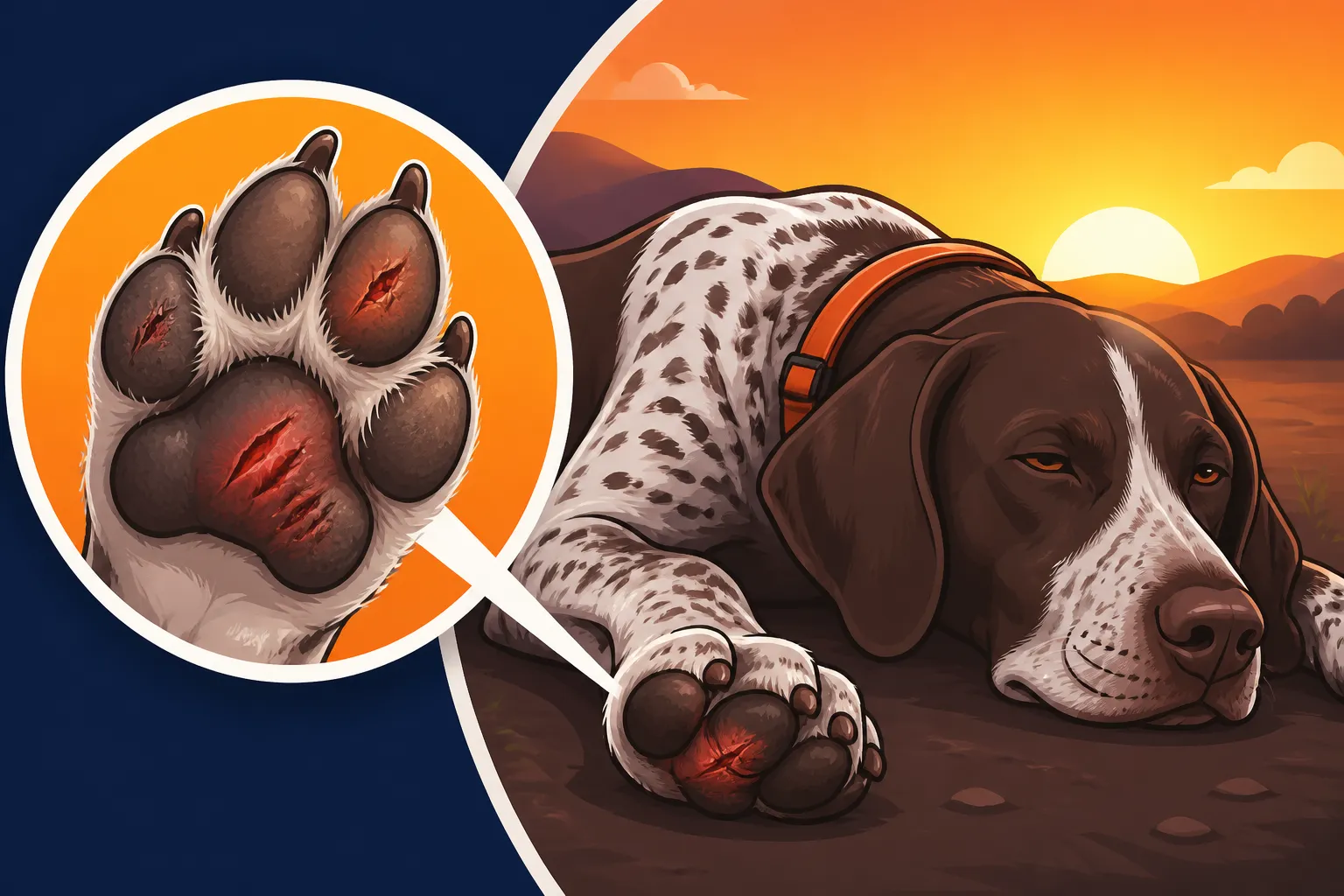
These are the most common culprits. Abrasions are like severe scrapes, where the outer layer of skin and pad tissue is worn away. They don't bleed much, but they expose raw, sensitive tissue, making walking extremely painful, especially on rough surfaces. Think of them as a severe friction burn. Punctures are typically small, deep holes caused by something sharp and pointy, like a thorn, a nail, or a sharp stick. They might not bleed externally but can carry debris deep into the tissue, leading to infection. These are tricky because the entrance wound might look minor, but the damage beneath can be significant. Lacerations are outright cuts or gashes, caused by sharp objects like glass, metal, or sharp rocks. These often bleed profusely and can be quite deep, sometimes exposing underlying fat, muscle, or even bone. These are the ones that make your heart sink the fastest.
Signs a Shorthair's Pad Is Injured
Your Shorthair might be a stoic, driven dog, but even they can't hide a painful pad for long. The first and most obvious sign is often a sudden lameness or lifting of the paw. They might refuse to put weight on it, or hold it up entirely. After the hunt, you might notice them constantly licking at a specific paw, or you might see bloodstains on the ground or in their crate. Upon closer inspection, you could find swelling, redness, or a visible wound. Sometimes, the pad might feel unusually warm to the touch. If you have two dogs, you might notice them favoring one foot over another, or a reluctance to engage in their usual playful antics. It’s crucial to make it a habit to perform a thorough Checking a German Shorthaired Pointer Over After a Hunt routine, paying special attention to those pads, even if they aren't obviously limping.
Foreign Objects Embedded in the Pad
Beyond just cuts, foreign objects can get embedded in a GSP's paw pad, causing immense pain and potential infection. Grass awns, famously known as foxtails in some regions, are particularly insidious. Their barbed design allows them to burrow deeper with every movement, migrating through tissue and causing abscesses or serious infections far from the initial entry point. Splinters of wood, shards of glass, or tiny bits of metal can also become lodged, acting like a constant irritant. Sometimes, these objects are so small you can barely see them, but your dog's persistent licking or reluctance to bear weight will tell you something is definitely amiss. Removing these foreign invaders is often the first step to healing, but sometimes, a professional hand is needed, and the bill for removing something like The Bill for Removing a Foxtail From a Shorthair can be a surprise.
First Response: Immediate Care for a Shorthair's Injured Pad
When you discover a cut pad, it's natural to feel a rush of panic, especially if there's blood. But taking a deep breath and remembering a few key first aid steps can make a huge difference in your Shorthair's comfort and the eventual outcome. Having a well-stocked first-aid kit, both in your hunting vehicle and at home, is non-negotiable for any GSP owner.
Cleaning the Wound Safely
The very first step, after getting your dog calmed and securing them if necessary, is to assess the wound. For superficial cuts or abrasions, the goal is gentle cleaning. Start by rinsing the paw thoroughly with clean, cool water. If you have a saline solution (like the kind used for contact lenses), that's even better, as it's sterile and gentle. Avoid harsh antiseptics like hydrogen peroxide or alcohol directly on the wound, as they can damage delicate tissue and delay healing. These are fine for cleaning around the wound, but not in it. Instead, a dilute povidone-iodine solution (betadine, diluted to a weak tea color) or chlorhexidine solution (Hibiclens, diluted according to instructions) is much safer for disinfecting. Use a clean cloth or gauze pads to gently dab away dirt and debris. You might need to trim the hair around the pad with blunt-nosed scissors to get a clearer view and prevent further contamination, but be extremely careful not to cut the pad itself.
Stopping the Bleeding
If the cut is bleeding freely, your primary concern is to staunch the flow. Apply direct pressure to the wound using a clean gauze pad, towel, or even a clean sock. Hold the pressure firmly for at least 5-10 minutes without lifting to check. This sustained pressure allows a clot to form. If the bleeding is severe and won't stop, you can elevate the paw slightly above the dog's heart. For deeper cuts, you might need to apply a pressure bandage once the initial bleeding is controlled. This involves placing a sterile gauze pad over the wound and wrapping it firmly, but not so tightly that it cuts off circulation, with self-adhesive bandage material like Vetrap. Remember, the goal is to stop bleeding, not to create a tourniquet. Check the toes frequently for swelling, coldness, or changes in color, which could indicate the bandage is too tight.
Applying a Protective Bandage
Once the wound is cleaned and bleeding is under control, a protective bandage is essential to keep it clean, prevent infection, and cushion the pad. Start with a sterile, non-stick pad directly over the wound. Then, apply a layer of gauze roll or cast padding, wrapping smoothly and evenly around the paw, extending slightly above the wrist or hock. Next, use a self-adhesive wrap like Vetrap, starting below the carpal pad (the "wrist" pad) and wrapping down over the toes, ensuring each toe is separated slightly by the gauze. Do not wrap the toes individually; wrap them together loosely enough to allow for natural movement, but still protect them. Leave the very tips of the middle two toes exposed so you can monitor for swelling or changes in temperature. Secure the bandage with a bit of medical tape. The bandage should be snug enough to stay on, but loose enough that you can slip a finger under it easily. Change this bandage daily, or more often if it becomes wet or dirty, cleaning the wound each time. Keep your Shorthair calm and rested to prevent them from chewing at the bandage or re-injuring the pad.
Beyond First Aid: When Your Vet Needs to Step In
While many minor pad injuries can be handled at home, some cuts require professional veterinary attention. Knowing when to call the vet and what to expect can save your dog from prolonged pain, infection, or even permanent lameness.
Recognizing Emergency Situations
You need to get your Shorthair to the vet immediately if:
- The bleeding is profuse and won't stop despite 10-15 minutes of firm, direct pressure. This could indicate a deeper artery or vein cut.
- The cut is deep, wide, or gaping, exposing muscle, fat, or bone. These wounds often require sutures (stitches) to close properly and reduce the risk of infection.
- There's a foreign object deeply embedded that you can't easily remove, or if you suspect something like a foxtail has migrated. Trying to dig it out yourself can cause more damage.
- The dog is in extreme pain, unable to bear any weight, or becomes aggressive due to discomfort.
- Signs of infection develop: redness, swelling, pus, foul odor, increased pain, or systemic signs like fever or lethargy. This can happen a day or two after the initial injury.
Even if you've done a good job with first aid, a follow-up call to your vet is always a good idea to describe the injury and get their advice. A quick phone call could prevent a bigger problem down the road.
Veterinary Assessment and Treatment Options
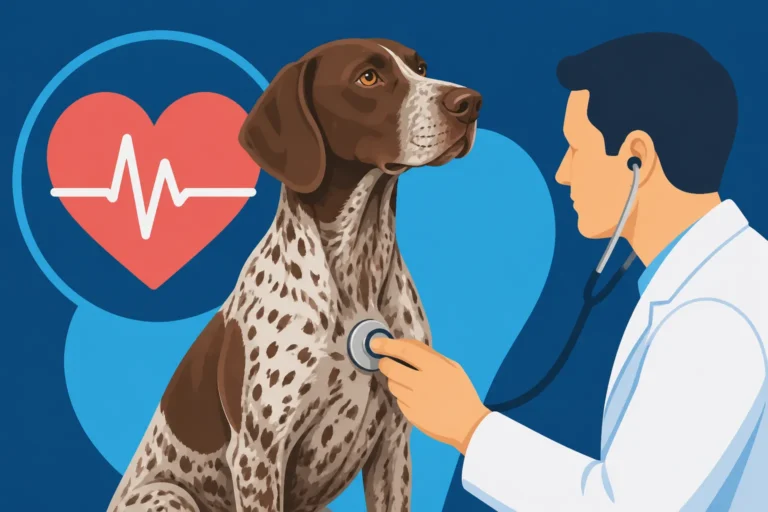
When you bring your Shorthair to the vet, they will thoroughly examine the wound, often using magnification to assess its depth and check for foreign material. They might sedate your dog to get a better look and to clean the wound more thoroughly, as pad injuries can be quite painful.
Treatment options vary:
- Deep Lacerations: These often require surgical debridement (removing damaged tissue) and suturing. Pads are tough to stitch because of constant weight-bearing, so your vet might use special techniques or even recommend a custom protective boot during healing.
- Punctures and Embedded Objects: The vet will carefully explore the wound to remove any foreign material. In some cases, X-rays might be needed if a metal object is suspected, or ultrasound for soft tissue foreign bodies. Antibiotics are almost always prescribed to prevent infection.
- Abrasions: Usually managed with thorough cleaning, topical ointments, and protective bandaging.
- Pain Management: Your vet will likely prescribe anti-inflammatory medications (NSAIDs) to manage pain and swelling.
- Antibiotics: Crucial for contaminated wounds, punctures, or deeper cuts to prevent bacterial infections.
Many responsible GSP owners consider pet insurance. Plans from companies like Healthy Paws can be a lifesaver when unexpected injuries like deep pad cuts or Torn Cruciates in a Field Bred German Shorthaired Pointer hit, helping to cover significant veterinary costs. It's something to seriously consider, especially with an active hunting dog.
The Healing Process and Prognosis
Pad injuries can take a surprisingly long time to heal due to the constant pressure and friction from walking. Deep cuts might take 3-6 weeks, sometimes even longer, for the pad to fully toughen back up. During this time, strict rest and proper wound care are paramount. Your vet will advise you on how long to keep the bandage on, when it's safe to start short, leashed walks on soft surfaces, and when your dog can gradually return to normal activity. If a wound is stitched, the stitches typically stay in for 2-3 weeks, and then a gradual return to activity begins. The prognosis for most pad injuries is excellent with proper care, but rushing the healing process can lead to re-injury, infection, or the formation of weaker scar tissue. Patience is truly a virtue here.
Proactive Protection: Preventing Pad Cuts in the Field
"An ounce of prevention is worth a pound of cure" is a saying that rings especially true when it comes to a German Shorthaired Pointer's paw pads. Investing time and effort into preventive measures can save you and your dog a lot of pain, worry, and vet bills.
Conditioning Pads for Tough Terrain
You wouldn't run a marathon without training, and your Shorthair's pads are no different. They need conditioning to toughen up for hunting season. Start early in the off-season by gradually increasing the duration and intensity of walks on varied surfaces. Short walks on gravel roads, pavement, or rougher trails, mixed with softer surfaces, will help build callus. Don't jump straight into miles on blacktop. Just like people, pads need a gentle progression. There are also pad toughener products available, often containing ingredients like tannic acid or iodine, that can be applied regularly. These work by drying and hardening the outer layers of the pad. Applying a product like Tuff Foot for a few weeks leading up to the season can make a noticeable difference. Consistency is key when it comes to How Long It Takes to Condition a Shorthair's Feet properly.
The Role of Protective Boots
Dog boots used to be seen as a bit "sissy" in the hunting world, but more and more serious hunters are realizing their value. For rough terrain, jagged rocks, ice, or even just abrasive stubble, boots can offer invaluable protection. Not all boots are created equal, though. You need durable boots that fit well, stay on, and don't chafe. Brands like Ruffwear (Grip Trex) or even some of the more rugged hunting-specific boots from makers like Browning or Cabela's can provide excellent protection. It takes time and patience to get your Shorthair accustomed to wearing them. Start with short sessions around the house, rewarding generously, and gradually increase wear time. The goal is for them to accept the boots as part of their hunting gear, not a punishment. Learning about Boots for a Shorthair on Rock and Stubble is crucial if you hunt challenging ground.
Smart Hunting Practices and Terrain Awareness
Beyond equipment, smart hunting practices are your best defense. Always scout new areas if possible, looking for potential hazards like old fence lines, broken glass, or fields with exceptionally harsh stubble. If you can't scout, pay close attention to your dog's footing and the type of cover they're working. On exceptionally difficult terrain, consider shortening your hunt, or taking more frequent breaks to check paws. Be mindful of extreme weather. Very hot pavement or frozen, icy ground can also be damaging to pads, increasing the risk of cuts or burns. Knowing The Temperature a German Shorthaired Pointer Should Not Hunt In is vital not just for heatstroke, but also for pad protection. If you know you're going into an area with a lot of nasty stuff, consider deploying those protective boots before the injury occurs. It’s about being proactive, not reactive.
The Road to Recovery: Aftercare and Long-Term Pad Health
Bringing your German Shorthaired Pointer back to full strength after a pad injury requires dedication. The recovery isn't just about the wound healing; it's about ensuring the pad regains its resilience and your dog is psychologically ready to hit the field again.
Wound Care and Bandage Changes at Home
Once your vet has assessed the injury and provided instructions, consistent home care is paramount. This typically involves daily (or twice-daily) bandage changes. Each time, you'll need to gently clean the wound with the prescribed solution, apply any topical medications, and re-bandage meticulously. Always use fresh, sterile supplies. Pay close attention to any changes in the wound: increased redness, swelling, discharge, or a foul odor. These are all signs of potential infection and warrant a call to your vet. Keep the bandage dry at all times; use a plastic bag or dog boot cover during potty breaks, and remove it once back inside. Preventing your Shorthair from licking or chewing the wound is critical, which often means an Elizabethan collar (e-collar or "cone of shame") for the duration of healing. It's annoying for everyone, but absolutely necessary.
Rest, Exercise Restrictions, and Gradual Return to Activity
Strict rest is crucial during the initial healing phase. This means no running, jumping, or strenuous activity. Leashed potty breaks on soft surfaces are usually the only allowed "exercise." As the wound heals and your vet gives the green light, you can gradually introduce short, slow walks on softer terrain, slowly increasing duration and intensity over several weeks. Monitor the paw closely for any signs of discomfort, lameness, or re-opening of the wound. Rushing the process is the biggest mistake you can make. The goal is to allow the new tissue to strengthen and the pad to toughen up again. Think of it as rehabbing a major injury; it takes time. Consider the commitment required for something like Rehabbing a Shorthair After Cruciate Surgery, and apply a similar mindset to a serious pad injury. Your Shorthair might be frustrated by the confinement, but their long-term soundness depends on it.
Nutritional Support for Healing
A balanced diet is always important, but during recovery from an injury, good nutrition can play an even more vital role in tissue repair and overall health. Ensure your Shorthair is on a high-quality dog food that provides adequate protein for tissue regeneration and essential fatty acids for skin and coat health. Some veterinarians might recommend supplements, such as omega-3 fatty acids, to help reduce inflammation and support skin integrity. Always consult your vet before adding any supplements to your dog's diet, as excessive amounts of certain vitamins or minerals can be detrimental. Keeping your dog at a healthy weight is also important, as excess weight puts more pressure on their healing pads. This is part of the overall commitment to their health, similar to following The Vet Schedule a Working Shorthair Should Keep for routine care.
Maintaining Optimal Paw Pad Health Year-Round
A German Shorthaired Pointer's paw pads are their connection to the ground, their suspension system, and their primary interface with their environment. Maintaining their health year-round, not just during hunting season, is crucial for their comfort and performance.
Regular Inspection and Nail Care
Make it a habit to inspect your Shorthair's paw pads regularly, at least once a week, and always after intense activity. Look for any cuts, cracks, tenderness, swelling, or embedded foreign objects. Check between the toes, too, as debris can easily get lodged there. This routine check-over helps you catch minor issues before they become major problems. Nail care is also incredibly important. Overly long nails can splay the toes, change their gait, and put unnecessary stress on the paw structure, making them more prone to injury. Regular nail trims, ensuring the nails don't touch the ground when they stand, are essential. Don't forget the dewclaws if your dog has them!
Hydration and Skin Condition
Just like human skin, paw pads can become dry and cracked, especially in harsh weather conditions or dry climates. Dry pads are more brittle and prone to splitting and cracking, which can be incredibly painful and open the door to infection. Ensuring your Shorthair is well-hydrated is the first step. You can also use paw balms or moisturizers specifically designed for dogs. Look for products with natural ingredients like shea butter, coconut oil, or beeswax. Apply them regularly, especially before and after walks in extreme conditions, or before bed to allow them to soak in. This keeps the pads supple and resilient, reducing the risk of painful cracks. Healthy Paws is not just an insurance brand; their philosophy often extends to comprehensive pet wellness, reminding us that overall health impacts specific areas like paw pads.
Protecting Pads in Extreme Weather
Extreme weather conditions pose unique challenges for paw pads. In winter, ice, snow, and de-icing chemicals (like salt) can be incredibly harsh. Snow and ice can ball up between the toes, causing pain and irritation. De-icing chemicals can cause chemical burns and are toxic if ingested. Consider using protective boots or applying a paw wax (like Musher's Secret) to create a barrier against these elements. In summer, hot pavement can cause severe burns. Test the pavement with your hand: if it's too hot for you, it's too hot for your dog's pads. Walk your Shorthair in the early morning or late evening, or stick to grassy areas. These simple precautions can prevent unnecessary suffering and keep those incredible paws ready for adventure. If you're wondering Pad Toughener Products for a Hunting Shorthair, many of them also offer some degree of barrier protection against mild irritants, but for truly harsh conditions, boots or dedicated paw wax are better.
Table of Common Pad Injuries and Initial Actions
| Injury Type | Description | Common Causes | Immediate Action | When to See Vet |
|---|---|---|---|---|
| Abrasion | Superficial scrape, raw, worn-away skin | Rough surfaces, prolonged friction, sharp stubble | Clean gently with saline/dilute antiseptic, apply non-stick pad, light protective bandage. | If large, deep, or signs of infection appear. |
| Puncture | Small, deep hole; minimal external bleeding | Thorns, splinters, nails, sharp sticks | Gently clean around wound, do not attempt to extract deeply embedded objects. Apply pressure if bleeding. | Always, due to infection risk and potential for foreign body. |
| Laceration | Open cut or gash; often bleeds freely | Glass, sharp rocks, metal, barbed wire | Apply direct, sustained pressure to stop bleeding. Clean carefully, apply protective bandage. | If deep, wide, continuously bleeding, or exposing underlying tissue. |
| Foreign Body | Object lodged in or between pads (e.g., foxtail, burr) | Tall grass, brush, debris | Attempt gentle removal only if visible and easily accessible. Clean and bandage. | If not easily removed, pain persists, or signs of infection. |
| Burn | Redness, blistering, tenderness; hot to touch | Hot pavement, chemical exposure, extreme cold (frostbite) | Cool immediately with cold water for 10-15 min, cover loosely with clean material. | Always, burns can be serious and easily infected. |
Disclaimer
The information provided in this guide is for general informational purposes only and does not constitute veterinary advice. Always consult with a qualified veterinarian for any health concerns or before making any decisions related to your German Shorthaired Pointer's medical care.