Whether a Field Bred Shorthair Lives as Long
It’s a common worry among German Shorthaired Pointer owners, especially those of us who cherish our dogs as devoted hunting partners: does pushing them in the field, asking them to run hard and face the elements, actually shorten their precious lives? This is a question that weighs heavily on the hearts of many, as we want to give our energetic companions the active life they crave without inadvertently cutting short the years we get to spend with them. This guide aims to thoroughly explore whether a field-bred German Shorthaired Pointer truly lives as long as a less intensely worked counterpart, digging into the factors that influence their longevity.
Understanding the German Shorthaired Pointer Lifespan Baseline
Before we dive into the specifics of field dogs, it’s crucial to understand the general lifespan expectations for a German Shorthaired Pointer. This breed is known for its robust health and impressive stamina, but like all dogs, they have a typical window of life.
The General Lifespan of a GSP
Generally speaking, a German Shorthaired Pointer can be expected to live anywhere from 10 to 14 years. This is a pretty solid lifespan for a large, active breed. However, that's just an average, and many factors play into where an individual dog falls within that range, or even exceeds it. Things like genetics, the quality of their daily nutrition, and the overall standard of veterinary care they receive throughout their lives all contribute significantly.
It's completely natural to wonder if subjecting a dog to the rigors of hunting or intensive field trials might skew this average. We see our dogs charging through thick cover, leaping over fences, and crashing through ice-covered water, and it’s hard not to occasionally think about the toll that might take on their bodies over time. The dedication to their work is admirable, but it also prompts us to consider the long-term impact on their joints, heart, and overall well-being. This concern is valid, and it’s why understanding the full picture is so important.
The Genetic Component of Longevity
When we talk about how long a GSP lives, we simply cannot overlook the massive role of genetics. A dog's inherent health predispositions are written in their DNA, and responsible breeding practices are absolutely critical to setting a puppy up for a long, healthy life, regardless of its future career path. Breeders who prioritize health screenings are trying their best to give you a dog free from many of the more common inherited ailments.
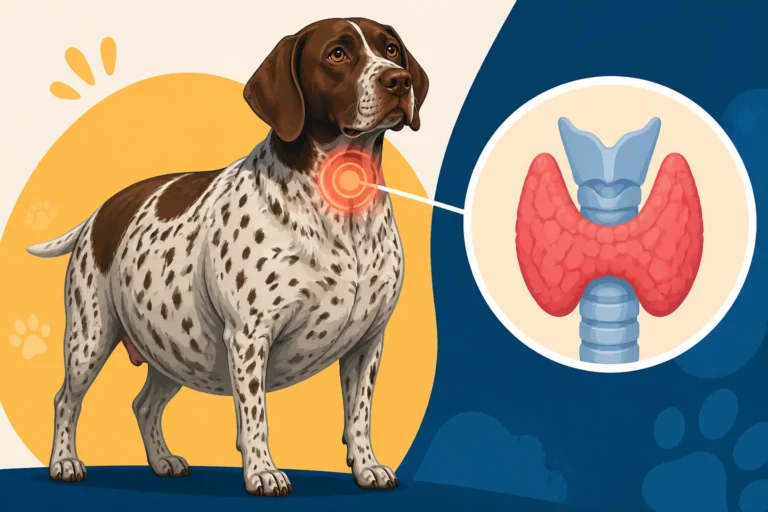
For a German Shorthaired Pointer, this often means checking for things like hip and elbow dysplasia through organizations like the Orthopedic Foundation for Animals (OFA), getting eye certifications from the American College of Veterinary Ophthalmologists (ACVO), and performing cardiac and thyroid clearances. These health checks help ensure that parents aren't passing on genetic weaknesses that could lead to debilitating conditions later in life. Even if a field-bred dog lives an incredibly active life, a strong genetic foundation can offer a significant buffer against some of the wear and tear. You'll often find breeders who are deeply invested in seeing their lines live long, healthy lives, not just performing well in the field, and they'll openly share results from tests like the ones covered in articles like Hips and the CHIC Panel a German Shorthaired Pointer Needs.
The Unique Demands and Risks of a Field-Bred Shorthair
It’s undeniable that a German Shorthaired Pointer bred and trained for field work faces a different set of challenges than a GSP who spends most of its time as a beloved couch potato and weekend park-goer. These demands bring with them specific risks that need to be understood and managed.
Physical Strain and Potential Injuries
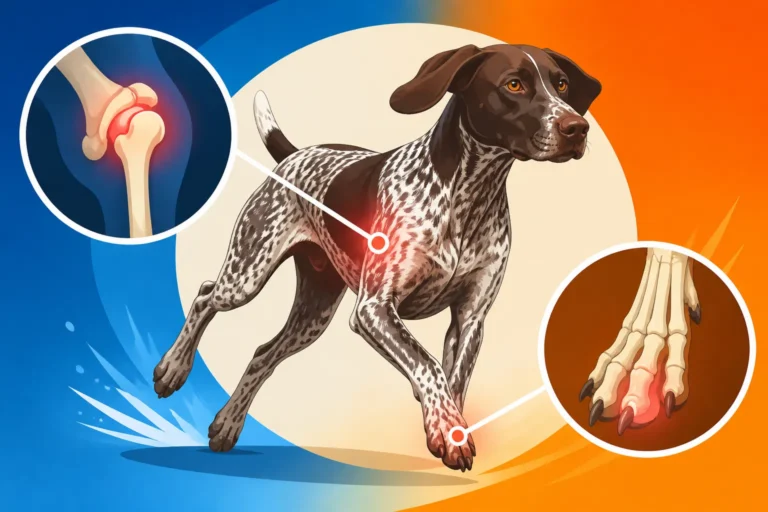
The life of a hunting German Shorthaired Pointer is incredibly physically demanding. Picture a bird dog covering miles of rugged terrain in a single morning, sprinting through dense briar patches, jumping over downed logs, and plunging into icy waters to retrieve a downed bird. This isn't just a leisurely jog; it's an intense athletic performance, day after day, throughout a hunting season that can span several months. This consistent, high-impact activity places immense strain on their joints, muscles, and soft tissues.
Common injuries for these dedicated athletes include things like torn cruciate ligaments, especially in dogs that make quick stops and turns, or jump frequently. Their paw pads are constantly put to the test, leading to painful cuts and abrasions on sharp stubble, rocks, or ice, and they can even experience Cut Pads on a German Shorthaired Pointer After a Long Day. Muscle strains and sprains are also frequent occurrences. Furthermore, running through thick cover means they're constantly at risk of picking up painful foreign bodies like foxtails or grass awns, which can embed in their paws, ears, or even migrate internally. These aren't just minor inconveniences; they often require veterinary attention, sometimes even surgery, and can definitely impact a dog's long-term soundness and contribute to an accumulation of physical stress on their bodies over the years. You can read more about common issues in Field Injuries a Hunting German Shorthaired Pointer Comes Home With.
Environmental Exposures and Hazards
Beyond the physical exertion, field-bred Shorthairs are routinely exposed to a variety of environmental challenges that their pet counterparts rarely encounter. The weather, for instance, is a major factor. Hunting often happens in frigid temperatures, where dogs are expected to break through ice for retrieves, or conversely, in early season heat, where they can quickly succumb to Heat Exhaustion in an Early Season Shorthair if not carefully managed. Their short coats, while efficient for shedding burrs, offer minimal protection against extreme cold or abrasive cover.
Water hazards are another significant concern. Beyond cold water exposure, there’s the risk of ingesting harmful bacteria or toxins from stagnant ponds, like blue-green algae. Wild animals, too, pose a threat; rattlesnake bites are a serious, often life-threatening danger in many hunting regions, requiring immediate and costly veterinary intervention. Ticks and other parasites are a constant concern in tall grass and wooded areas, bringing with them the risk of Lyme disease or other tick-borne illnesses. Accidents, unfortunately, are also a part of the reality. A dog can get tangled in barbed wire, step into a hidden hole, or suffer a fall, leading to severe lacerations or fractures. These aren't just scary moments; they can have lasting health consequences that chip away at a dog's long-term health.
Mitigating Risks and Promoting Longevity in Field Dogs
The good news is that while field dogs face unique challenges, dedicated owners can take many proactive steps to mitigate risks and significantly promote a longer, healthier life for their hunting partners. It's all about diligent care and forethought.
Proactive Veterinary Care and Prevention
For a German Shorthaired Pointer that leads an active life in the field, a standard annual vet visit simply isn't enough. These dogs require a much more tailored and proactive approach to veterinary care. Regular check-ups are paramount, even when they appear healthy, as a vet can often spot subtle issues before they become major problems. This includes more frequent physical exams, blood work, and sometimes even orthopedic evaluations to catch early signs of wear and tear on joints.
Beyond the core vaccinations, field dogs need additional protection against diseases they're more likely to encounter, such as Leptospirosis, Lyme disease, and sometimes even the rattlesnake vaccine, depending on your hunting grounds. Robust parasite prevention protocols are also non-negotiable, given their constant exposure to ticks, fleas, and internal parasites. Furthermore, many owners of active GSPs consider prophylactic surgeries like gastropexy, a procedure that tacks the stomach to the abdominal wall, to prevent the life-threatening condition known as bloat. Bloat is a very real and terrifying risk for deep-chested breeds like Shorthairs, especially after intense activity. Discussing options like The Gastropexy Decision on a Hunting Shorthair with your veterinarian can be a literal lifesaver. This comprehensive preventative approach can make a world of difference in keeping your hard-working dog sound for many years. It's also worth looking into pet insurance providers like Healthy Paws, which can offer significant financial relief for unexpected accidents or illnesses, allowing you to focus on getting your dog the best care without worrying about the bill.
Optimal Nutrition and Conditioning
You simply cannot expect a high-performance athlete to thrive on a mediocre diet, and the same goes for a field-bred German Shorthaired Pointer. Their nutritional needs are significantly higher and more specific than a less active dog. They require a high-quality, calorie-dense diet rich in protein and healthy fats to fuel their intense energy output and support muscle recovery. This often means feeding a premium performance kibble or a carefully balanced raw/fresh food diet, with careful consideration given to calorie intake, especially during hunting season. For more insights, refer to Feeding a Dog That Burns What a Shorthair Burns.
Beyond diet, year-round conditioning is absolutely vital. A dog that goes from being relatively inactive to suddenly being thrown into a demanding hunting season is much more prone to injury. Gradual, consistent exercise that builds stamina, muscle mass, and joint resilience is key. This isn't just about running; it involves various forms of exercise to condition different muscle groups, maintain flexibility, and build endurance. You might find ideas in Conditioning a Shorthair Before Opening Day. Hydration is also paramount. Carrying water for your dog in the field and encouraging them to drink frequently is essential, especially on warmer days, to prevent dehydration and overheating.
Thoughtful Management and Recovery
The adage "an ounce of prevention is worth a pound of cure" holds especially true for active field dogs. Thoughtful management practices and prioritizing recovery are just as important as training and nutrition. After every single hunt or intense training session, a thorough post-activity check is non-negotiable. This means meticulously inspecting their paws for cuts, burrs, or embedded foreign objects, checking their ears for seeds or inflammation (especially after water work), and running your hands over their entire body for any lumps, scrapes, or signs of tenderness. This proactive "once over" can catch minor issues before they escalate. A helpful resource on this is Checking a German Shorthaired Pointer Over After a Hunt.
Adequate rest and recovery are also critical for preventing burnout and allowing their bodies to repair. This means providing comfortable, warm bedding, ensuring they have quiet downtime, and understanding that some days need to be lighter activity days, especially after particularly grueling hunts. Learning to read your dog’s subtle cues for fatigue, soreness, or discomfort is paramount. As they age, it’s important to adjust their activity levels gradually. A ten-year-old GSP might still have the heart of a youngster, but their body will have more limitations. Knowing when to scale back the intensity or shorten the duration of hunts can significantly extend their comfortable, active years, a topic explored in The Age a German Shorthaired Pointer Slows in the Field. This mindful management ensures your partner remains sound and happy for as long as possible.
The Role of Lifestyle vs. Genetics in Lifespan
When it comes to the lifespan of any dog, but particularly one as active and driven as a German Shorthaired Pointer, we often find ourselves wrestling with the classic "nature versus nurture" debate. It's not always a clear-cut answer, and in reality, it's a beautiful, intricate dance between the two.
Nature vs. Nurture – A Balanced View
The truth is, a field-bred German Shorthaired Pointer, when managed appropriately and bred with health in mind, can absolutely live just as long, if not longer, than a GSP that leads a more sedentary life. Think about it: an active lifestyle inherently brings with it incredible health benefits. Regular, intense exercise strengthens the cardiovascular system, maintains lean muscle mass, promotes healthy joint function through regular movement, and perhaps most importantly, keeps their minds engaged and happy. Dogs that are regularly worked are less likely to suffer from obesity, which is a massive contributor to a host of health problems, including diabetes, arthritis, and heart disease. The mental stimulation of hunting or field work also prevents boredom, anxiety, and the destructive behaviors that can often plague an under-exercised GSP.
However, this isn't to say that genetics don't matter, or that an active life doesn't come with its own set of risks. A dog with poor genetic predispositions for certain health issues, even if impeccably cared for, may still face those challenges. Conversely, a dog with excellent genetics but a poor diet, lack of exercise (leading to obesity), or inadequate veterinary care will also likely have a shortened lifespan. The key lies in finding the balance: starting with sound genetics and then providing a lifestyle that supports that genetic potential, managing risks, and ensuring optimal health at every stage.
Real-World Examples and Anecdotes
If you spend any time around seasoned German Shorthaired Pointer enthusiasts or professional bird dog trainers, you'll hear countless stories of dogs that have hunted hard into their senior years. I've personally known several GSPs, like an old boy named "Bullet" from South Dakota, who was still flushing pheasants with gusto at 12 years old. His owner was meticulous with his diet, annual vet visits, and never pushed him past his limits, especially in his later years. Bullet had a wonderful, full life, active right up until his last year, and passed peacefully at 14.
These anecdotes aren't just feel-good stories; they highlight a critical point: the impact of careful management. When you choose a puppy from a reputable breeder who prioritizes health clearances, commit to consistent conditioning, provide top-tier nutrition, and remain vigilant about preventative care and injury management, you are giving your field-bred GSP the very best chance at a long, fulfilling life. It's not just about the intensity of their work, but the holistic approach to their well-being. Many owners dedicate themselves to understanding How Long a Working German Shorthaired Pointer Stays Sound and actively strive towards Keeping a German Shorthaired Pointer Hunting Past Ten. These dedicated owners are proof that a field career and a long life are not mutually exclusive; in fact, for a GSP, a purpose-driven life can often be the happiest and healthiest.
Here’s a quick overview of some common health considerations for field versus pet GSPs:
| Health Consideration | Primary Impact on Field GSPs | Primary Impact on Pet GSPs |
|---|---|---|
| Orthopedic Issues | Higher risk of acute injuries (ACL tears, sprains, fractures) from high-impact work. | Risk of arthritis from general aging, potentially exacerbated by obesity or lack of muscle support. |
| Paw Health | Frequent cuts, abrasions, embedded foreign objects, pad toughness issues. | Less frequent, usually from urban hazards or occasional rough terrain. |
| Environmental Exposure | Greater risk of heatstroke, hypothermia, snake bites, tick-borne diseases, foxtails. | Lower risk, primarily from backyard or park environments. |
| Bloat (GDV) | Elevated risk post-exercise, especially after eating/drinking. | Present risk, but perhaps less acutely triggered by intense activity. |
| Weight Management | Tendency to be lean, needing high-calorie diets to maintain condition. | Higher risk of obesity if diet isn't adjusted to lower activity levels. |
| Mental Stimulation | Well-exercised, mentally fulfilled, lower risk of behavioral issues. | Risk of destructive behaviors, anxiety, or boredom if not adequately stimulated. |
| Overall Fitness | Exceptionally fit, strong cardiovascular system, robust muscle mass. | Varies greatly; can be fit with regular exercise or prone to becoming soft. |
Disclaimer
The information provided in this article is for general informational purposes only and is not a substitute for professional veterinary advice. Always consult with a qualified veterinarian regarding any health concerns or before making any decisions about your German Shorthaired Pointer's health or care. Every dog is an individual, and health outcomes can vary.