The Unproductive Retching That Means a Shorthair Is Bloating
Few things are as terrifying for a German Shorthaired Pointer owner as watching your athletic, energetic companion suddenly struggle, retching and gagging repeatedly, but producing absolutely nothing. That desperate, unproductive heaving can quickly escalate into a life-threatening emergency known as bloat, or gastric dilatation-volvulus (GDV), a condition that demands immediate, decisive action. This guide is here to walk you through recognizing this critical symptom, understanding why it happens to our beloved Shorthairs, and what steps you need to take when every second counts.
Understanding Unproductive Retching and Other Critical Signs of Bloat
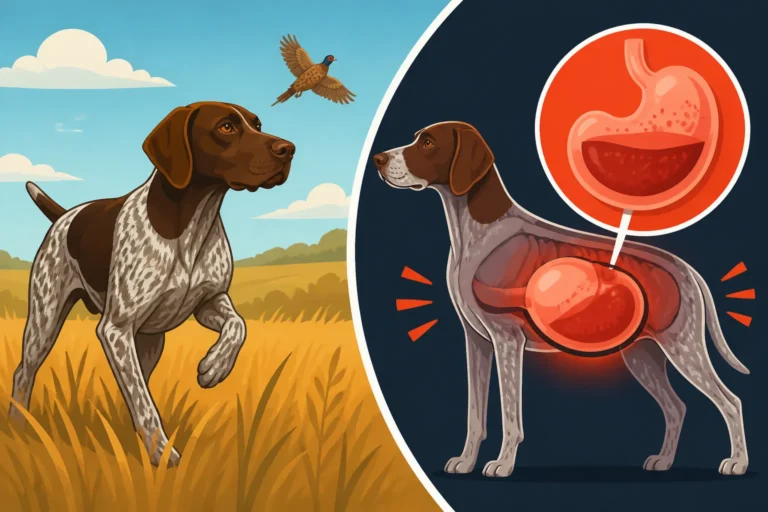
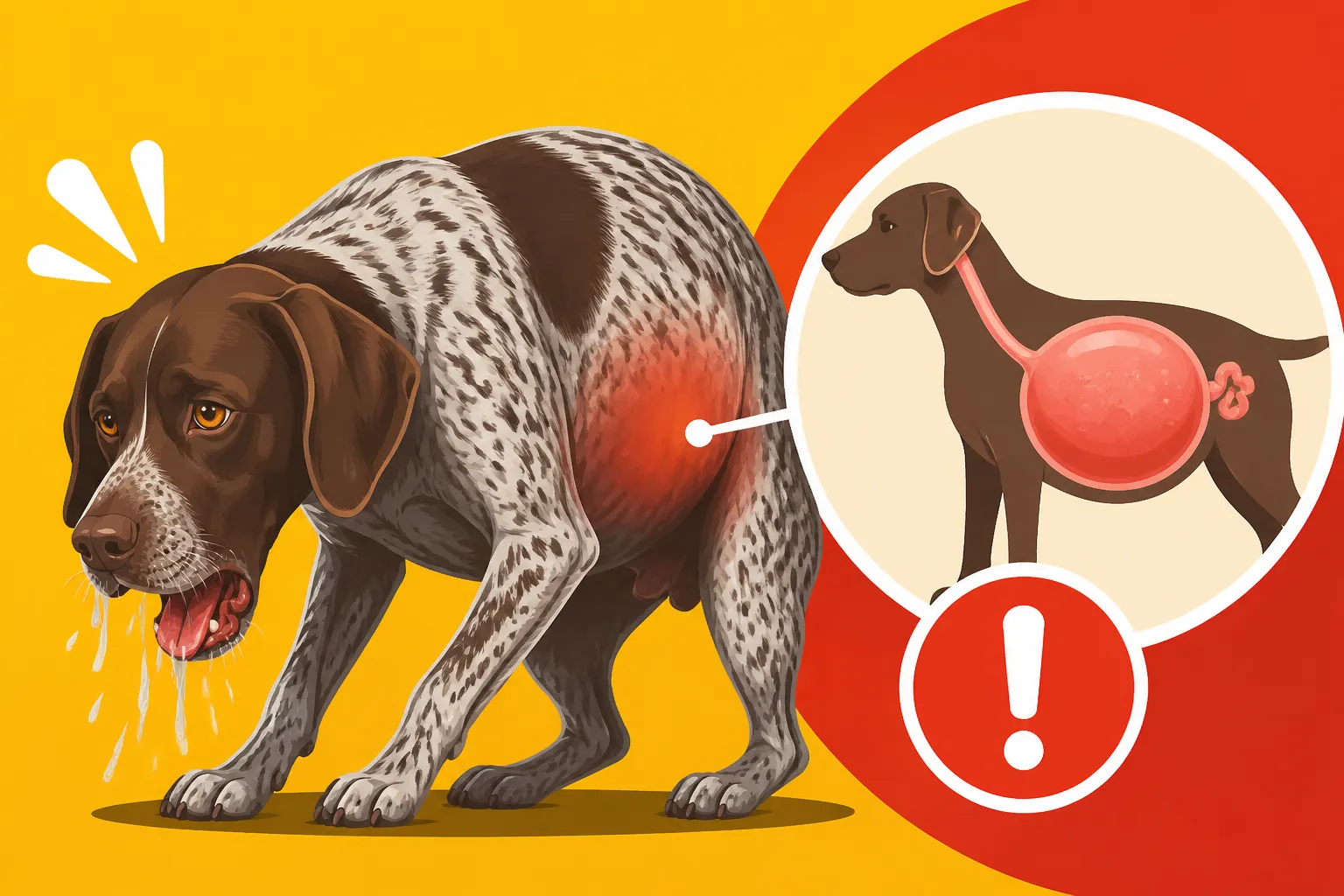
When your German Shorthaired Pointer is dry heaving, it's not just a sign of an upset stomach. With bloat, this "unproductive retching" is one of the hallmark symptoms that your dog's stomach is distended with gas and/or fluid, and potentially twisted, cutting off both entry and exit. It’s an agonizing sight that signals a veterinary emergency, one that can progress from bad to catastrophic in mere minutes. It’s crucial to understand what this looks and feels like so you don't waste precious time.
What Unproductive Retching Looks Like
Imagine your dog has eaten something truly vile, perhaps some garbage from the trash can, and is trying desperately to vomit it up. They might stretch their neck out, their abdomen will contract, and you'll hear that awful, strained gagging sound. The key difference with bloat is the "unproductive" part – nothing, or maybe just a bit of foamy saliva, will come up. Your dog is trying with all their might to relieve the pressure, but their stomach is sealed off. This isn't just a mild stomach ache; this is a dog in severe distress, and their body is literally fighting against itself. They might look hunched, as if trying to relieve abdominal pressure, and they may drool excessively from the effort.
Other Red Flag Symptoms to Watch For
While unproductive retching is incredibly distinctive, it often doesn't happen in a vacuum. You'll likely see a constellation of other alarming signs accompanying it. One of the most obvious, especially in deep-chested breeds like German Shorthaired Pointers, is a rapidly distending abdomen. Their belly will look swollen and feel incredibly tight and hard, almost like a drum. This isn't just a full stomach; it's a tense, painful swelling.
Beyond the physical bloating, you'll notice a marked change in your dog's demeanor. They might become extremely restless, pacing frantically, unable to find a comfortable position. They may whine or groan, indicating significant pain. Panting heavily, even if they haven't been exercising, is another common sign, as is weakness or lethargy. As the condition worsens, their gums might become pale or bluish, and they could collapse. It’s a rapid decline, and sometimes, especially with working dogs that are conditioned to push through pain, these early signs can be subtle before suddenly becoming undeniable. If you’ve ever seen a dog in pain, this is that, amplified and urgent.
Here's a quick comparison of bloat symptoms versus typical indigestion:
| Symptom | Typical Indigestion/Upset Stomach | Gastric Dilatation-Volvulus (Bloat/GDV) |
|---|---|---|
| Retching/Vomiting | Usually productive, may bring up food/bile | Unproductive, dry heaves, foamy saliva, nothing comes up |
| Abdominal Appearance | Normal or slightly bloated | Rapidly distended, hard, tight, painful to touch |
| Behavior | May seem uncomfortable, generally settles | Extreme restlessness, pacing, whining, inability to get comfortable |
| Pain Level | Mild to moderate | Severe, obvious pain and distress |
| Panting | May pant if warm or anxious | Persistent, heavy panting, even when at rest |
| Gums/Mucous Membranes | Normal pink | Pale, white, or bluish (cyanotic) |
| Energy Level | May be low, but usually not collapsing | Weakness, lethargy, eventual collapse |
| Progression Speed | Slow to moderate | Rapid, often worsens in minutes to hours |
Why Bloat Poses Such a Risk for German Shorthaired Pointers
It’s an unfortunate reality that German Shorthaired Pointers, with their deep chests and active lifestyles, are statistically more prone to bloat than many other breeds. This isn't just bad luck; there are specific anatomical and behavioral factors that contribute to this heightened risk. Understanding these factors isn't about blaming your dog or yourself, but about empowering you to take preventative measures and recognize the danger signs even faster.
The Deep-Chested Anatomy and Predisposition
Take a moment to look at your German Shorthaired Pointer's build. They are statuesque, athletic dogs with a distinctive deep chest and narrow waist, perfectly engineered for covering ground swiftly and efficiently in the field. This very conformation, however, creates a larger empty space within the abdomen, allowing the stomach more room to swing or rotate on its axis when filled with gas or food. Think of it like a pendulum – the deeper the swing, the more potential for something to go wrong.
When the stomach distends with gas, perhaps from rapid eating, it can twist, pinching off the esophagus and duodenum. This "volvulus" traps the gas inside, causing agonizing pressure, restricting blood flow to the stomach and other organs, and quickly leading to shock. It's a cruel irony that the very build that makes our Shorthairs such superb hunting companions also makes them susceptible to this sudden and devastating condition. Owners often worry about The Bloat Risk a Shorthair Carries Into Every Season, and for good reason – it's a constant, low-level anxiety for many.
Common Triggers and Risk Factors
While genetics play a huge role, several environmental and behavioral factors can act as triggers, making an already susceptible dog even more vulnerable. One of the most common culprits is rapid eating. A Shorthair that gulps down a large meal quickly can swallow a significant amount of air along with their food, contributing to gas buildup in the stomach. Similarly, feeding one large meal a day, especially to a highly active dog, can be riskier than offering smaller, more frequent meals. You might find yourself researching Feeding a German Shorthaired Pointer Around a Hunt to mitigate this specific risk.
Beyond eating habits, intense exercise immediately before or after meals is a well-documented risk factor. That urge to let your GSP run off some energy right after they’ve eaten, or to offer a hearty meal right after a long hunt, can be a dangerous combination. Stress and anxiety can also play a role, altering digestive processes and potentially contributing to gastric distress. Some studies have even explored links to certain diets, though research is ongoing, with factors like kibble size, moisture content, and ingredients sometimes discussed. Even seemingly benign habits, if combined with the right genetic predisposition, can become dangerous.
Immediate Action: What to Do When Bloat Strikes
The most critical thing to understand about bloat is that it is an extreme emergency. There is no waiting, no "let's see how they are in an hour." If you suspect your German Shorthaired Pointer is bloating, every minute counts. Your actions in those first moments can literally determine life or death. Panic is a natural reaction, but you need to push through it and act swiftly and decisively.
The Importance of Speed: Call Your Vet Immediately
As soon as you notice the tell-tale unproductive retching and a distended, hard abdomen, your absolute first step is to call your veterinarian or the nearest emergency veterinary clinic. Do not waste time searching online for home remedies or advice – there are none that will save your dog from GDV. Tell them you suspect bloat (gastric dilatation-volvulus) in a German Shorthaired Pointer and that you are on your way right now. This gives them crucial time to prepare for your arrival, assembling their surgical team and getting necessary equipment ready. Be ready to give them your dog's breed, age, and a concise description of the symptoms you're seeing. Remember, they need specific information to prepare for Emergency Care for a Bloating German Shorthaired Pointer.
While on the phone, ask for directions if you're unsure, and confirm their hours. If your regular vet isn't open, know which emergency clinic is your closest option. Having this information readily available before an emergency strikes is a true lifesaver. Keep a list of 24-hour emergency vets in your area posted prominently, perhaps on your fridge, because when your dog is in distress, your mind will be racing.
Getting Your German Shorthaired Pointer to Emergency Care
Transporting a dog experiencing bloat needs to be done as calmly and quickly as possible. If your dog is large and unable to move, you may need assistance to carefully lift them. Avoid unnecessary jostling or rough handling, as this can increase their discomfort and stress. If you have a second person, one can drive while the other monitors your dog, offering reassurance and keeping them as still as possible.
Once at the clinic, be prepared for a rapid intake process. The veterinary team will immediately assess your dog, confirm the diagnosis, and begin stabilizing them. This often involves placing an IV catheter, administering pain medication, and attempting to decompress the stomach. Time is of the essence because, as the stomach bloats, it puts pressure on major blood vessels, impairing circulation and leading to shock. The longer the delay, the greater the damage to organs and the higher the risk of complications, including necrosis of the stomach wall. The financial implications can be significant, too; a situation like this can lead to The Bill When a Shorthair Torsions Mid Season, making a good pet insurance plan from a provider like Healthy Paws a wise investment for many GSP owners.
Proactive Prevention: Minimizing Bloat Risk
While we can never entirely eliminate the risk of bloat in German Shorthaired Pointers, there are many proactive steps we can take as responsible owners to significantly reduce the likelihood of this terrifying emergency. Prevention truly is the best medicine, especially for a condition that strikes so suddenly and severely.
Smart Feeding Habits and Meal Management
One of the most effective strategies involves how and when you feed your Shorthair. Instead of one large meal, consider dividing their daily ration into two or three smaller meals. This reduces the amount of food and gas in the stomach at any one time, making a large distension less likely. Feeding your dog from a slow-feeder bowl, or placing a large, non-choking object (like a clean, heavy rock) in their bowl, can also help to slow down enthusiastic eaters who tend to gulp their food and swallow air.
Many owners also wonder about elevated food bowls. Historically, it was thought that elevated bowls could reduce bloat risk, but recent research suggests they might actually increase it in some large breeds. It's a point of contention, and current veterinary advice often recommends feeding from ground level unless there's a specific medical reason (like neck arthritis) to elevate. Discuss this with your vet to make the best choice for your individual GSP. It’s all about finding the right balance for your dog's specific needs, and remember to always consider The Rest a Shorthair Needs Between Eating and Running.
Lifestyle Adjustments and Stress Reduction
Managing your German Shorthaired Pointer’s activity levels around mealtimes is crucial. Avoid strenuous exercise for at least an hour before and, critically, two hours after a meal. This means no vigorous training sessions, no long runs, and no intense play right after they’ve eaten. Let their food digest in peace. A short, calm walk to relieve themselves is fine, but anything more should be delayed. Keeping your Shorthair properly hydrated throughout the day, especially during and after exercise, is also important. Provide fresh water frequently, but avoid allowing them to gulp large quantities of water all at once.
Stress can also contribute to bloat. A highly anxious or stressed dog may eat faster, gulp air, and experience digestive upset. Try to maintain a calm, predictable routine, especially around feeding times. If your GSP is prone to anxiety, work with a professional trainer or vet to manage it. Investing in their overall well-being and reducing unnecessary stressors contributes to a healthier digestive system. These preventative measures, combined with proactive thinking, are key for a long and healthy life for The Twelve to Fourteen Years a German Shorthaired Pointer Gets.
The Gastropexy Decision
For German Shorthaired Pointers, especially those who are highly active or have a family history of bloat, a prophylactic gastropexy can be a literal lifesaver. This surgical procedure involves tacking the stomach to the abdominal wall, preventing it from twisting. While it doesn't prevent the stomach from distending with gas (bloat), it does prevent the life-threatening twist (volvulus). This means if bloat does occur, it's far less severe and typically not a surgical emergency.
A gastropexy can often be performed at the same time as a spay or neuter, making it a combined procedure that minimizes the number of anesthetic events for your dog. This is often an option to consider when thinking about Whether a German Shorthaired Pointer Should Be Tacked at Neuter. Discuss this option thoroughly with your veterinarian. They can assess your dog's individual risk factors, lifestyle, and overall health to help you make an informed decision. While it is an elective surgery, for breeds like the GSP, it's increasingly recommended as a proactive measure against a devastating condition. Pet insurance plans, such as those offered by Healthy Paws, typically cover emergency bloat treatment, but it’s always wise to check if they also cover prophylactic surgeries like gastropexy if it's not deemed medically necessary.
Disclaimer
The information provided in this article is for educational purposes only and is not a substitute for professional veterinary advice. If you suspect your German Shorthaired Pointer is experiencing bloat or any other medical emergency, contact your veterinarian or the nearest emergency animal clinic immediately. Do not attempt to diagnose or treat your pet at home.