Whether Lymphedema in a Shorthair Puppy Improves
It's incredibly disheartening when you bring home a vibrant German Shorthaired Pointer puppy, full of boundless energy and curiosity, only to notice something isn't quite right with their legs – they seem unusually swollen, almost puffy. This can be a sign of primary lymphedema, a condition that leaves many owners wondering if their beloved companion will ever truly "grow out of it." This guide will meticulously explore the nature of lymphedema in Shorthair puppies, delve into its prognosis, and discuss comprehensive management strategies to ensure your dog can live the fullest, happiest life possible.
Understanding Primary Lymphedema in German Shorthaired Pointers
When we talk about lymphedema, especially primary lymphedema in a breed like the German Shorthaired Pointer, we're discussing a condition that affects the lymphatic system, a crucial part of the immune system responsible for fluid balance and waste removal. It's not something a puppy just "catches" or that resolves overnight with a simple antibiotic. This is often a deep-seated issue that manifests early in life and requires understanding and commitment from their human companions.
What is Primary Lymphedema and How it Presents in GSP Puppies?
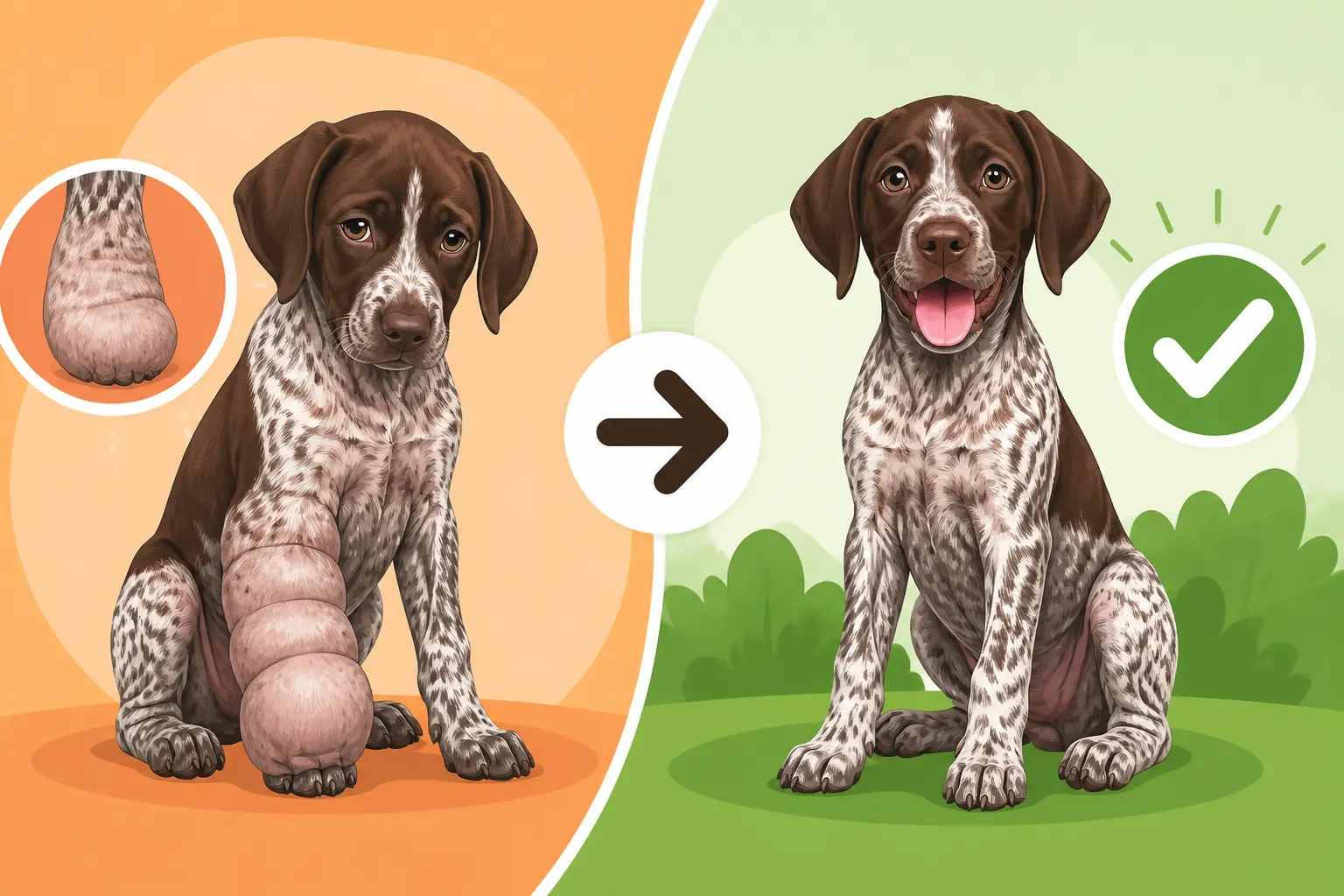
Primary lymphedema is a developmental abnormality of the lymphatic system, meaning the lymphatic vessels themselves don't form correctly or are insufficient in number or function. Instead of effectively draining lymph fluid from the tissues, these compromised vessels allow fluid to accumulate, leading to swelling. For a German Shorthaired Pointer puppy, this most commonly presents as persistent, non-pitting swelling in one or more limbs, often in the hind legs, giving them what many owners describe as "puffy legs." It's quite different from a temporary swelling due to an injury or allergic reaction.
Imagine your puppy's lymphatic system like a network of tiny, delicate pipes designed to collect excess water and waste from every corner of their body and return it to the bloodstream. In a puppy with primary lymphedema, some of these pipes are either too narrow, completely absent, or simply don't function efficiently. This leads to a backup, and the fluid—lymph—starts to pool in the tissues, making the affected limb or limbs noticeably larger and softer to the touch. This swelling might be present from birth, or it could become more apparent as the puppy grows and becomes more active. It's a distressing discovery, especially when you're expecting a robust, athletic companion. You might notice your puppy seems a bit awkward or stiff, or that one leg appears larger than the other without any obvious trauma. Learning about Puffy Legs on a German Shorthaired Pointer Puppy can give you a clearer picture of what to look for.
The Genetic Component: Why Some Shorthairs Are Affected
Unfortunately, primary lymphedema in German Shorthaired Pointers is often attributed to a hereditary component. This means it's passed down through generations within certain lines, although the exact mode of inheritance can be complex and isn't always fully understood for every specific breed. The frustration here for both breeders and prospective owners is immense. Breeders dedicated to the health of the breed strive to avoid passing on such conditions, but without clear genetic markers, it can be a heartbreaking surprise.
When a condition has a genetic basis, it implies that certain genetic mutations or combinations predispose a puppy to developing it. For GSPs, while not as widely known as some other genetic disorders, it’s certainly something conscientious breeders are vigilant about. This isn't just a random occurrence; it's a structural flaw coded into their very being, which is why it's so difficult to "fix." If you're encountering this in your puppy, it's wise to discuss the lineage with the breeder, as it directly relates to Primary Lymphedema in a German Shorthaired Pointer Litter. Understanding the genetic link also underscores why conditions like this don't simply vanish; they are part of the dog's inherent makeup, and while symptoms can be managed, the underlying defect remains. This hereditary aspect is also why, for responsible breeding, there are serious considerations about Whether a Lymphedema Shorthair Line Should Keep Being Bred.
Prognosis and Management of Lymphedema in Growing Shorthairs
The million-dollar question for any owner facing a diagnosis of lymphedema in their young German Shorthaired Pointer is: will it get better? The answer, unfortunately, isn't a simple yes or no. Lymphedema is generally a lifelong condition, meaning the underlying lymphatic system deficiency doesn't typically "cure" itself. However, the severity of the symptoms and the quality of life for an affected puppy can often be significantly improved with dedicated management. It requires a long-term strategy rather than a quick fix.
Does Lymphedema Improve as a Puppy Grows?
Directly addressing the core query, primary lymphedema in a Shorthair puppy does not typically "improve" in the sense of a complete resolution where the lymphatic system spontaneously corrects itself. The structural or functional defects in the lymphatic vessels are permanent. However, the clinical signs – the visible swelling and associated discomfort – can sometimes stabilize or even appear to lessen as the puppy matures, especially with consistent and proactive management. This isn't a cure, but rather a successful mitigation of symptoms.
In some mild cases, as a puppy's body grows and adapts, the existing lymphatic pathways, even if compromised, might become more efficient, or collateral vessels might develop, helping to some extent with drainage. Think of it like a river system where one tributary is blocked: sometimes, smaller streams can pick up some of the slack. But this is not a guarantee and depends heavily on the individual dog and the extent of the lymphatic anomaly. Severe cases, where lymphatic development is significantly impaired, are less likely to show marked improvement and may even worsen without intervention. It's vital to have realistic expectations. While your Shorthair puppy might learn to compensate or respond well to treatment, the condition will always be a consideration. Your veterinarian will be key in helping you understand How Vets Diagnose Lymphedema in a German Shorthaired Pointer and what the specific prognosis for your puppy might be.
Managing the Symptoms: Practical Steps for Owners
Managing lymphedema is a daily commitment, but it's absolutely crucial for your German Shorthaired Pointer's comfort and long-term health. The goal is to reduce swelling, prevent secondary complications like infections, and maintain good mobility. This often involves a multi-modal approach combining several techniques.
One of the cornerstones of lymphedema management is physical therapy. This can include gentle massage techniques, often called manual lymphatic drainage (MLD), performed by a trained professional or taught to you by your vet or a certified canine rehabilitation therapist. The massage helps to gently push the accumulated fluid toward functioning lymphatic nodes or alternative drainage pathways. This isn't a vigorous rub; it's a specific, light touch that encourages fluid movement without damaging delicate tissues. Another important aspect is compression therapy. This might involve specially fitted compression garments or bandages to help support the affected limbs and prevent excessive fluid accumulation. Just like in humans with lymphedema, external pressure can make a big difference in controlling swelling. Finding the right fit and ensuring it's comfortable for an active GSP is key.
Exercise, surprisingly, is also part of the management, but it needs to be carefully monitored. Regular, moderate exercise can help stimulate lymphatic flow through muscle contraction, but overexertion can exacerbate swelling and inflammation. You'll need to work with your vet to determine an appropriate exercise regimen that keeps your Shorthair active and healthy without overstressing their compromised system. Swimming can be a particularly beneficial low-impact exercise. Furthermore, meticulous skin care is paramount. Swollen limbs are more prone to skin infections because the skin can become stretched, thin, and compromised, making it easier for bacteria to penetrate. Regular cleaning, moisturizing, and prompt attention to any nicks or scratches are essential. Your veterinarian might also prescribe diuretics or other medications to help manage swelling in severe cases, though these are typically adjuncts to physical therapies, not standalone solutions. Considering the potential for ongoing care, having pet insurance like Healthy Paws can be invaluable for covering rehabilitation and vet visits over your dog's lifetime.
Long-Term Outlook and Quality of Life for an Affected German Shorthaired Pointer
Living with a German Shorthaired Pointer affected by lymphedema means adapting expectations and committing to ongoing care. While it's a chronic condition, many GSPs can still lead fulfilling, active lives with proper management. The outlook depends largely on the severity of the condition, the owner's dedication to management, and the absence of significant secondary complications.
Potential Complications and Ongoing Care Needs
The most common complications arising from chronic lymphedema include recurrent skin infections (cellulitis), which can be painful and require antibiotic treatment. The stretched skin over swollen areas is more fragile and susceptible to breaks, creating entry points for bacteria. Over time, the constant fluid accumulation can also lead to changes in the skin and underlying tissues, causing fibrosis (hardening) and further impeding lymphatic flow. In severe, unmanaged cases, the limbs can become significantly enlarged and disfigured, impacting mobility and quality of life.
Ongoing care will undoubtedly involve regular veterinary check-ups to monitor the condition, adjust management strategies, and address any emerging complications promptly. This might include periodic courses of antibiotics, anti-inflammatory medications, or pain management if joint discomfort arises due to altered gait or chronic swelling. Just as with The Bleeding Disorder in German Shorthaired Pointer Lines or The Skin Disease That Hits a German Shorthaired Pointer Before One, early detection and consistent intervention are key to preventing the condition from spiraling into more severe health crises. Your vet may recommend specific topical treatments or shampoos to maintain skin health on affected limbs. These routine, yet critical, care needs highlight the financial commitment involved, making a robust pet insurance plan like Healthy Paws a smart consideration.
Supporting a GSP with Lymphedema: Lifestyle Adaptations
To ensure your German Shorthaired Pointer with lymphedema has the best possible quality of life, several lifestyle adaptations will likely be necessary. These adjustments revolve around minimizing stressors on the lymphatic system and providing comfort.
Exercise Modification: While GSPs are naturally high-energy dogs, an affected individual will need a carefully curated exercise routine. This means avoiding high-impact activities that could worsen swelling or cause injury to vulnerable limbs. Instead, focus on consistent, moderate activities like leash walks, swimming, or short, controlled bursts of play. The goal is to stimulate lymphatic flow without causing undue stress. It might mean that dreams of extensive field work or long-distance running need to be tempered, though many can still enjoy modified versions of these activities. Understanding Whether a Shorthair Works as a Running Partner Instead or focusing on less strenuous forms of engagement like scent work can be beneficial.
Diet and Weight Management: Keeping your German Shorthaired Pointer at an ideal, lean body weight is absolutely paramount. Excess weight puts additional strain on the circulatory and lymphatic systems, potentially exacerbating lymphedema. Work with your vet to establish a balanced diet that supports their energy needs without leading to weight gain. This might involve careful portion control and choosing appropriate food, even if it means Feeding a German Shorthaired Pointer That Has Stopped Hunting or has reduced its activity levels significantly.
Environmental Considerations: Provide a comfortable, soft sleeping area to prevent pressure sores on affected limbs. Avoid hard surfaces that could irritate the skin or exacerbate swelling. If your GSP wears compression garments, ensure they are kept clean and dry to prevent skin issues. Regularly inspect their paws and legs for any signs of injury, redness, or heat, especially after outdoor activities, which could signal an impending infection. Investing in Joint Supplements for a Hunting German Shorthaired Pointer may also be a good preventative measure if their mobility is affected long-term.
Emotional Support: Finally, remember that your GSP is still a German Shorthaired Pointer at heart, full of love and a desire to be active. Providing plenty of mental stimulation, affection, and positive reinforcement will go a long way in ensuring their emotional well-being, even if their physical capabilities are somewhat limited. With proper care, patience, and the support of your veterinary team, a German Shorthaired Pointer with lymphedema can truly thrive and be a cherished family member for many years. Don't let the diagnosis deter you from celebrating the wonderful dog they are. Remember that pet insurance companies like Healthy Paws exist to help offset the financial burden of chronic conditions, allowing you to focus on providing the best care. Consistent engagement with your vet is key, following The Vet Schedule a Working Shorthair Should Keep is often a good baseline.
What is the Outlook for a German Shorthaired Pointer with Primary Lymphedema?
While primary lymphedema in German Shorthaired Pointers is a chronic condition without a complete cure, the prognosis for a good quality of life is often favorable with consistent and diligent management. The key lies in early diagnosis, a proactive approach to physical therapy and hygiene, and regular veterinary oversight.
Severity is Key: Puppies with very mild lymphedema might experience minimal discomfort and swelling, sometimes appearing to "grow out of" the most noticeable symptoms, though the underlying condition remains. These cases often require less intensive management. On the other hand, puppies with severe, widespread lymphedema affecting multiple limbs or other body parts will face a more challenging road. Their swelling might be more persistent, and they may be at higher risk for complications.
Owner Dedication: The most significant factor influencing a GSP's quality of life with lymphedema is the owner's commitment to daily care. This includes consistent massage, proper hygiene, careful exercise management, and adherence to veterinary recommendations. Dogs whose owners are vigilant in these areas generally fare much better than those who do not receive consistent care. This is a journey that requires patience and a long-term perspective.
Potential for a Full Life: Despite the challenges, many German Shorthaired Pointers with lymphedema can live full, happy lives. They may not be the champion field trial dogs you initially envisioned, but they can still be wonderful companions, enjoy walks, play in the yard, and bring immense joy to their families. Adaptations are necessary, but they don't diminish the love and bond you share. Financial planning, which can include understanding The Vet Bills a Hunting German Shorthaired Pointer Earns and considering options like Healthy Paws, can help ensure you're prepared for the ongoing costs of specialized care.
Your veterinarian, perhaps working with a canine rehabilitation specialist, will be your best resource in navigating this journey. They can help you develop an individualized management plan tailored to your specific GSP puppy's needs, offering guidance on everything from massage techniques to exercise modifications.
Disclaimer
The information provided in this article is for general informational purposes only and is not a substitute for professional veterinary advice. Always consult with a qualified veterinarian regarding any medical condition or treatment for your German Shorthaired Pointer.