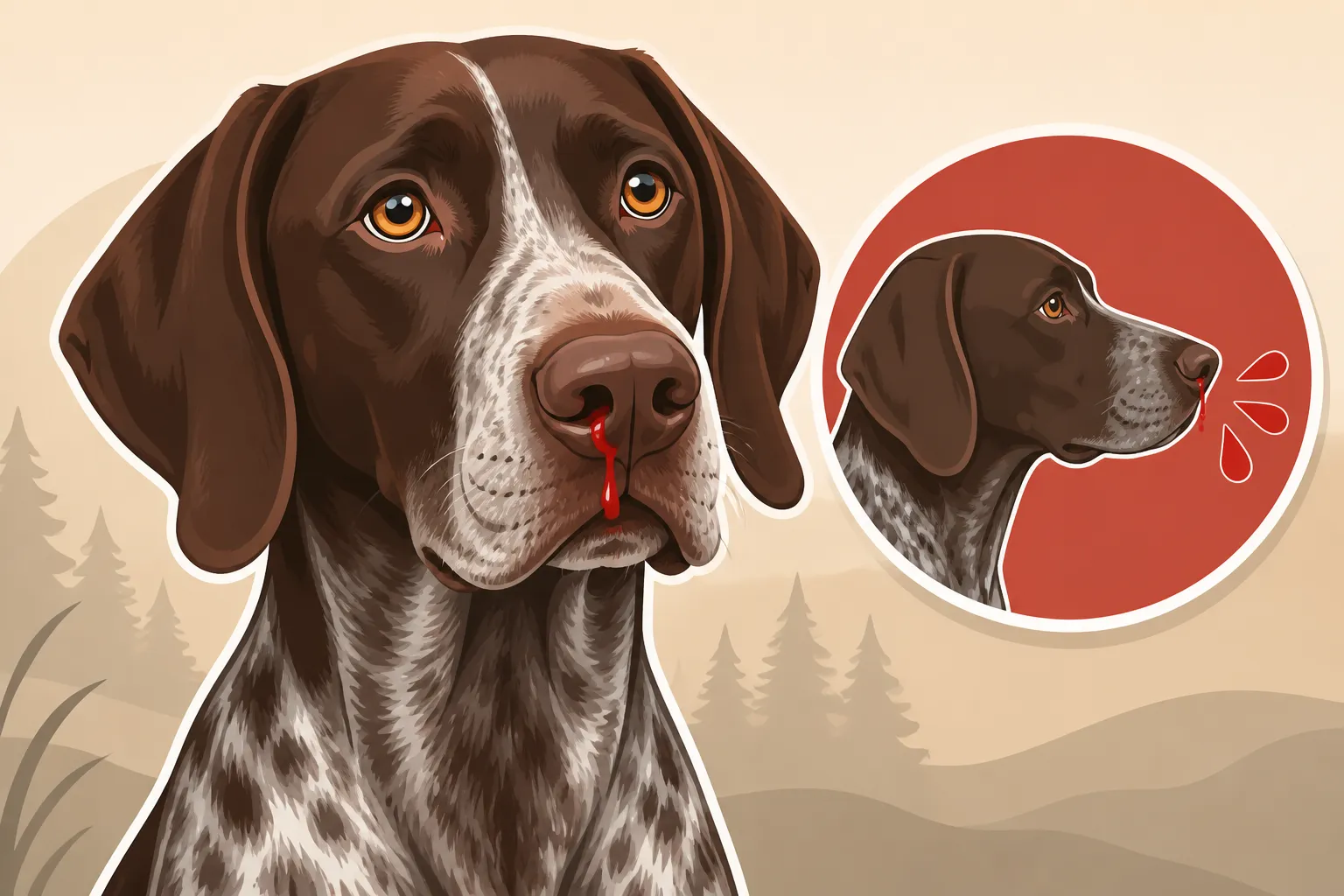
Nosebleeds in a German Shorthaired Pointer
There’s nothing quite as alarming as seeing your energetic German Shorthaired Pointer suddenly start bleeding from their nose. One minute they're happily sniffing around the yard or curled up next to you, and the next, there's a startling spot of blood, or worse, a steady drip. It’s a moment that can send any dog owner into a panic, leaving you wondering if it’s a minor mishap or a sign of something much more serious. This guide is here to walk you through understanding why nosebleeds happen in our beloved GSPs, what to do in the moment, and how to work with your vet to ensure your Pointer stays healthy and happy.
Understanding Nosebleeds in German Shorthaired Pointers
Nosebleeds, or epistaxis as they're medically known, can range from a tiny, barely noticeable speck to a heavy flow that looks like a horror movie scene. German Shorthaired Pointers, with their active lifestyles and curious noses, can be susceptible to a variety of causes, some quite benign and others requiring urgent attention. It’s important to understand the spectrum of possibilities so you can respond appropriately.
Why Nosebleeds Happen: Common Causes
Often, a nosebleed in a GSP can be attributed to more common, less severe issues. These are the things that typically cause a momentary scare but resolve with basic care or a simple vet visit.
First and foremost, trauma is a big one. Think about how active a German Shorthaired Pointer is. They plunge headfirst into brush, chase after birds, and investigate every nook and cranny. Bumping their nose on a tree branch, getting poked by a sharp stick, or even a playful but rough collision with another dog can easily lead to a broken blood vessel in the delicate nasal passages. You might not even witness the event, but suddenly, there's blood. Along similar lines, a foreign body lodged in the nose is another frequent culprit. Imagine a tiny foxtail, a piece of grass, or even a burr getting stuck up there during a romp through the fields. Their body's natural reaction is to try and dislodge it, often leading to irritation, inflammation, and subsequent bleeding. If your GSP has been sniffing vigorously in dense cover, or if they seem to be constantly pawing at their nose, a foreign body should definitely be on your radar.
Infections, both bacterial and fungal, can also cause nosebleeds. A common bacterial infection might follow an injury, or a more insidious fungal infection, such as Aspergillus, can take hold, especially in dogs that spend a lot of time with their noses to the ground in damp environments. These infections cause inflammation and damage to the nasal tissues, making them prone to bleeding. Finally, environmental allergies or irritants can contribute. Just like us, dogs can suffer from seasonal allergies. Continuous sneezing, rubbing, and inflammation due to pollen, dust, or even certain household cleaners can weaken the nasal lining, leading to occasional nosebleeds. It might be subtle at first, maybe just a little streaking, but it's a sign that their nasal passages are stressed.
Less Common, More Serious Causes
While we always hope for the easy fix, it's crucial to be aware that nosebleeds can also signal underlying health issues that demand more serious medical intervention.
One of the most concerning causes involves systemic diseases, particularly those affecting blood clotting. Conditions like von Willebrand's disease, a hereditary bleeding disorder seen in certain GSP lines, can manifest as prolonged or spontaneous bleeding, including from the nose. If you know your dog's lineage or have witnessed excessive bleeding after minor cuts, it's something to investigate. You can find out more about Von Willebrand Testing Before a German Shorthaired Pointer Is Bred to understand the preventative measures. Platelet disorders, where the blood simply doesn't clot effectively, are also a possibility. Tick-borne illnesses, such as Ehrlichiosis or Anaplasmosis, are another major concern, especially for Pointers spending time outdoors in endemic areas. These diseases can attack the blood cells, leading to low platelet counts and an inability to clot, resulting in nosebleeds. If your GSP has been active in tick country, and you see nosebleeds along with other symptoms like lethargy or lameness, get them to the vet pronto.
Beyond blood disorders, tumors in the nasal cavity are a serious, albeit less common, cause. These can be benign polyps or malignant cancers. As these growths expand, they erode blood vessels, leading to recurrent or persistent nosebleeds, often from one nostril. While a scary thought, early detection can significantly improve outcomes. Lastly, hypertension, or high blood pressure, though less common in dogs than humans, can sometimes cause nosebleeds, especially in older German Shorthaired Pointers or those with underlying kidney disease. The increased pressure can burst delicate capillaries in the nose. This is often diagnosed during a routine vet check-up when blood pressure is measured. Understanding Why Shorthairs Get Cancer Younger Than Other Breeds can help you stay vigilant about lumps and unusual symptoms, including nosebleeds.
When to Worry: Signs Beyond Just a Little Blood
It's easy to overreact to any blood, but there are definite signs that should elevate your concern from "keep an eye on it" to "call the vet immediately."
A single, minor nosebleed that stops quickly, especially if you can attribute it to a known bump or scrape, might not be cause for immediate alarm. However, if the bleeding is heavy, doesn't stop after 10-15 minutes of direct pressure, or recurs frequently, it's a red flag. Multiple episodes over a short period, even if they seem minor, warrant veterinary attention. If the blood isn't just a trickle but a steady stream or gushes, that's an emergency. Pay attention to which nostril the blood is coming from. Unilateral bleeding (from one nostril) can sometimes point more directly to a localized issue like a foreign body or a tumor, while bilateral bleeding (from both nostrils) might suggest a systemic problem.
Beyond the blood itself, look for other accompanying symptoms. Is your GSP lethargic, weak, or unusually tired? Are their gums pale, which could indicate significant blood loss? Do they have a decreased appetite, difficulty breathing, or swelling on their face? Are they pawing at their nose, sneezing excessively, or showing signs of discomfort? Have you noticed other bruising, limping, or a general malaise? Any of these additional signs, combined with a nosebleed, particularly if it's severe or persistent, means it's time for an urgent trip to the veterinarian. Sometimes, an experienced owner can even notice subtle shifts, like a change in their GSP's enthusiasm for their usual run or a reluctance to engage in play, which can be early indicators of something amiss.
First Aid for a Bleeding Nose
When your German Shorthaired Pointer starts having a nosebleed, the initial shock can make it hard to think clearly. But quick, calm action can make a real difference in controlling the bleeding and keeping your dog comfortable before you can get professional help.
Staying Calm and Assessing the Situation
First and foremost, take a deep breath. Your dog will pick up on your anxiety, and that can make them even more stressed, raising their heart rate and potentially increasing the blood flow. A calm owner is the best first line of defense. Gently restrain your dog if necessary, but avoid any forceful or sudden movements that could further agitate them.
Once you’ve got yourself and your GSP as calm as possible, take a moment to assess the situation. How much blood is there? Is it a slow drip, or a steady flow? Is it coming from one nostril or both? Has it been ongoing for a while, or did it just start? Is your dog otherwise acting normally, or are there other signs of distress, like difficulty breathing, weakness, or pale gums? Try to remember what your GSP was doing right before the nosebleed started – did they just bump their nose, dive into thick cover, or were they just lying quietly? These details, even small ones, will be incredibly helpful when you speak to your veterinarian. If you have an outdoor GSP, consider if they might have encountered Snake Bites and a German Shorthaired Pointer as some snake venom can cause clotting issues.
Practical Steps to Control Bleeding
Once you’ve got a handle on the situation, it’s time to take some practical steps to try and stem the flow. The goal here is to apply pressure and help constrict blood vessels.
First, try to keep your dog's head elevated slightly, but not tilted back, as this could cause them to swallow the blood, which can lead to stomach upset and vomiting. Instead, keep their head level or slightly down, allowing the blood to drip out naturally. Next, apply gentle, direct pressure to the bleeding nostril or nostrils. You can use a clean cloth, a gauze pad, or even a paper towel. Pinch the soft part of the nose just above the nostrils, similar to how you might apply pressure to a human nosebleed. Maintain this pressure steadily for at least 5-10 minutes. Resist the urge to peek before this time is up, as disturbing the nascent clot can restart the bleeding.
While applying pressure, a cold compress can be very helpful. Wrap a bag of frozen peas or ice in a thin towel and hold it against the bridge of their nose, just below their eyes, or on the top of their head. The cold helps constrict blood vessels, slowing the bleeding. Some vets also recommend placing a cotton ball or a small piece of gauze soaked in a vasoconstrictor, like diluted phenylephrine nasal spray (used for human colds, but consult your vet first!), just inside the nostril. However, this is usually a vet-directed step. Always monitor your dog’s breathing throughout this process, ensuring their airway isn't obstructed. If the bleeding is coming from deep within, direct pressure on the outside might not be enough, but it’s still worth trying.
When Immediate Veterinary Care is Essential
While some nosebleeds can be managed at home, there are definite circumstances where delaying veterinary care could be dangerous. Don’t hesitate if you observe any of these warning signs.
If the bleeding is heavy and doesn't show any signs of slowing down after 10-15 minutes of continuous pressure and cold compresses, it’s time to go to the emergency vet. This isn't a situation to wait out. Similarly, if the nosebleeds are recurring frequently, even if they're minor, it signals an underlying issue that needs to be diagnosed and treated. Any nosebleed accompanied by other alarming symptoms like extreme lethargy, pale gums (which indicate significant blood loss), difficulty breathing, collapse, or obvious signs of pain or distress, warrants immediate emergency care. These could point to severe trauma, a major clotting disorder like The Bleeding Disorder in German Shorthaired Pointer Lines, or an aggressive internal tumor.
If you suspect your GSP has ingested something toxic that might affect clotting, like rat poison (which often contains anticoagulants), or if they’ve had a severe fall or impact, get them to the vet without delay. Even if the bleeding seems to stop, internal injuries or toxic effects can be subtle but devastating. Remember, it's always better to be safe than sorry, especially with an active breed like the German Shorthaired Pointer, whose stoic nature can sometimes mask serious injury or illness. A quick phone call to your vet or an emergency clinic can help you determine the best course of action and what you should expect when you arrive.
Diagnosing and Treating the Root Cause
Once you've managed the immediate bleeding, the next crucial step is to get to the bottom of why your German Shorthaired Pointer had a nosebleed. This will involve a thorough veterinary examination and potentially a battery of diagnostic tests.
The Vet Visit: What to Expect
When you bring your GSP to the vet for a nosebleed, the veterinarian will start with a comprehensive physical examination. They’ll look at your dog's overall condition, check their vital signs, carefully examine their nose, mouth, and throat for any visible injuries, foreign bodies, or abnormalities. They'll also check your dog's gums for paleness and feel for any swelling around the nasal area. Don't be surprised if your vet asks a lot of questions about your GSP's history: when the nosebleeds started, how frequent and severe they are, what your dog typically eats, any recent travel or exposure to other animals, and if they're on any medications. Details about any recent injuries or activities are crucial.
Depending on their initial findings, your vet will likely recommend diagnostic tests. Blood tests are almost always on the list. A complete blood count (CBC) will check for anemia (due to blood loss), infection, and critically, platelet count, which is vital for clotting. A biochemistry panel assesses organ function, which can reveal issues like kidney disease that might contribute to hypertension. Coagulation profiles, like a PT and PTT, specifically evaluate your dog's blood clotting ability. If a foreign body or a tumor is suspected, imaging may be necessary. X-rays of the skull can sometimes reveal changes in the nasal cavity, but more detailed imaging like a CT scan or rhinoscopy (inserting a tiny camera into the nose) might be required for a definitive diagnosis. These procedures often require sedation or general anesthesia for your GSP. If a systemic disease is suspected, like a tick-borne illness, specific tests for those pathogens will be run.
Treatment Approaches for Various Conditions
The treatment plan for your GSP's nosebleeds will be entirely dependent on the underlying cause identified by your vet. There's no one-size-fits-all solution.
For simple trauma or minor irritation, the treatment might be as straightforward as rest, a course of anti-inflammatory medication, or antibiotics if a secondary infection is present. If a foreign body is lodged in the nasal passage, your vet will perform a procedure to carefully remove it, usually under sedation. For bacterial or fungal infections, a targeted course of antibiotics or antifungals will be prescribed, which can sometimes be long-term, especially for resistant fungal infections. In cases of allergies, managing the allergic response with antihistamines, steroids, or allergy-specific immunotherapy might be necessary, along with efforts to minimize exposure to irritants.
When it comes to more serious systemic conditions, treatment becomes more complex. For clotting disorders like von Willebrand's disease, management focuses on preventing bleeding episodes and providing blood transfusions or specific clotting factor replacements if a severe bleed occurs. Tick-borne diseases are typically treated with specific antibiotics like doxycycline, often for several weeks. If a tumor is diagnosed, the treatment options will depend on whether it's benign or malignant, its size, and its location. This could involve surgical removal, radiation therapy, or chemotherapy. In cases of hypertension, medication to lower blood pressure, combined with managing the underlying cause (like kidney disease), will be the focus. The key is addressing the root of the problem, not just patching up the nosebleed itself. This comprehensive approach is why understanding a dog's full health picture, including conditions like The Skin Tumors Shorthairs Get Younger Than Most, is always beneficial.
Long-Term Management and Prevention
Once the immediate crisis is over and a diagnosis is made, establishing a long-term management and prevention plan is key to keeping your German Shorthaired Pointer healthy and free from future nosebleeds.
If your GSP has a condition like chronic allergies, managing their environment is crucial. This might mean using air purifiers in the home, regular cleaning to reduce dust and dander, and avoiding certain outdoor areas during peak pollen seasons. For GSPs prone to nose trauma from enthusiastic outdoor activity, consider protective gear like a snood or muzzle when they’re in dense brush, although this isn’t always practical for a hunting dog. Regularly checking your dog's nose and face after outdoor excursions for any foreign bodies like grass awns or burrs, especially if they've been in heavy cover, can catch potential irritants before they cause a problem. You might also want to look into Foxtails and Grass Awns in a Hunting Shorthair for detailed prevention tips.
For systemic conditions, long-term medication and regular veterinary check-ups will be essential. Dogs with clotting disorders or chronic infections may need ongoing medication and frequent monitoring of their blood work. If your GSP has hypertension or another chronic disease, adhering to the prescribed diet and medication regimen is non-negotiable. Regular blood pressure checks and follow-up diagnostic tests will ensure the condition is under control. Keeping your GSP up-to-date on parasite prevention, especially tick preventatives, is vital for preventing tick-borne illnesses that can lead to nosebleeds. Remember to always communicate any new symptoms or concerns with your vet, no matter how minor they seem. A proactive approach to their health is the best way to ensure your robust German Shorthaired Pointer can continue to enjoy their active life.
Financial Considerations and Support
Dealing with a nosebleed can be stressful enough, but the potential costs of diagnosis and treatment can add another layer of worry. Being prepared and understanding your options can make a big difference.
Understanding the Costs of Diagnosis and Treatment
The cost associated with a German Shorthaired Pointer's nosebleed can vary dramatically depending on the cause and the required diagnostic and treatment steps. A simple vet visit for a minor trauma or foreign body removal might only be a few hundred dollars, covering the exam, sedation, and removal procedure. However, if the cause is more complex, the bills can quickly escalate.
Blood work, including CBC, chemistry, and coagulation profiles, can easily run into several hundred dollars. Advanced imaging, such as CT scans or rhinoscopy, often costs well over a thousand dollars, especially if performed by a specialist. If a tumor is found, surgical removal, followed by biopsy, can be several thousand dollars, with radiation or chemotherapy adding many more thousands. Chronic conditions like severe allergies, clotting disorders, or tick-borne diseases will require ongoing medication and frequent follow-up tests, creating a continuous financial commitment. Emergency visits, particularly after hours, always come with higher fees. It’s not uncommon for a complex nosebleed investigation and treatment to quickly climb into the multi-thousand-dollar range, putting a significant strain on a household budget. This is why having a plan for Emergency Fees for a Shorthair Cut Open in the Field or other unexpected medical events is so important.
The Role of Pet Insurance
This is where pet insurance can truly be a lifesaver for German Shorthaired Pointer owners. Policies, like those offered by Healthy Paws, are designed to help alleviate the financial burden of unexpected veterinary expenses, including those resulting from serious nosebleeds and their underlying causes.
With pet insurance, you typically pay a monthly premium, and in return, the policy covers a percentage of your eligible veterinary bills after your deductible is met. For a GSP prone to accidents or with a family history of conditions like von Willebrand's disease, having a policy in place before any symptoms appear means you won’t have to make treatment decisions based solely on cost. For instance, if your GSP needs an expensive CT scan to find a nasal tumor, Healthy Paws could reimburse you for a significant portion of that expense, making a potentially life-saving diagnosis much more accessible. They cover accidents, illnesses, surgeries, and diagnostic tests, which are all highly relevant to the range of nosebleed causes.
When considering pet insurance, it’s crucial to research different providers and their coverage plans. Look at deductibles, reimbursement percentages, annual limits, and what is considered a pre-existing condition (as these are typically not covered). While you can't predict when a nosebleed will strike, having a robust pet insurance policy, such as one from Healthy Paws, provides invaluable peace of mind, allowing you to focus on your GSP's recovery rather than the looming vet bill. Many owners find that the monthly premiums are a small price to pay for the security of knowing their beloved companion will receive the best possible care, no matter the cost.
Common Nosebleed Causes and Treatments
| Cause | Description | Common Symptoms | Typical Diagnosis | Treatment Approach |
|---|---|---|---|---|
| Trauma | Direct injury to the nose (bump, scratch, foreign object). | Sudden, usually unilateral bleeding; sometimes pain/swelling. | Physical exam, history, visual inspection. | Rest, cold compress, pain management, foreign body removal. |
| Foreign Body | Something lodged in the nasal passage (grass awn, stick). | Unilateral bleeding, sneezing, pawing at nose, nasal discharge. | Rhinoscopy, X-ray, CT scan. | Endoscopic removal under sedation. |
| Infection (Bacterial) | Bacterial infection causing inflammation and tissue damage. | Nasal discharge (often colored), sneezing, mild bleeding, bad odor. | Nasal swab, culture, cytology. | Antibiotics. |
| Infection (Fungal) | Fungal infection (e.g., Aspergillus) affecting nasal tissues. | Chronic unilateral bleeding, pain, depigmentation of nose. | Fungal culture, biopsy, CT scan. | Oral or topical antifungal medications, possibly surgery. |
| Allergies/Irritants | Inflammation from environmental allergens or irritants. | Mild, recurrent nosebleeds, sneezing, itchy face, watery eyes. | History, allergy testing, elimination. | Antihistamines, steroids, environmental management. |
| Clotting Disorder | Inability of blood to clot properly (e.g., Von Willebrand's, platelet issues). | Spontaneous or prolonged bleeding, bruising, pale gums. | Blood tests (CBC, coagulation profile). | Blood transfusions, clotting factor replacement, specific medications. |
| Tick-Borne Illness | Diseases like Ehrlichiosis affecting blood cells. | Nosebleeds, lethargy, fever, joint pain, bruising, poor appetite. | Blood tests, specific pathogen testing. | Antibiotics (e.g., Doxycycline). |
| Nasal Tumor | Growth (benign or malignant) in the nasal cavity. | Persistent, often unilateral bleeding, facial swelling, nasal discharge. | X-ray, CT scan, rhinoscopy, biopsy. | Surgery, radiation therapy, chemotherapy. |
| Hypertension | High blood pressure (often secondary to other diseases). | Sudden nosebleeds, sometimes no other obvious symptoms. | Blood pressure measurement. | Medications to lower blood pressure, treating underlying cause. |
Disclaimer
This article is for general informational purposes only and does not constitute professional advice. Laws, prices and regulations vary by location and change over time. Consult a qualified professional for guidance on your specific situation.