Medicating a Hypothyroid German Shorthaired Pointer
It's incredibly frustrating when your active, high-energy German Shorthaired Pointer starts slowing down, gaining weight, or developing a dull coat, leaving you wondering what's wrong with your once-vibrant companion. Dealing with a diagnosis of hypothyroidism can feel overwhelming, but the good news is that it’s a very manageable condition. This comprehensive guide will walk you through understanding, diagnosing, and effectively medicating your hypothyroid German Shorthaired Pointer, helping them get back to their happy, energetic selves.
Understanding Hypothyroidism in German Shorthaired Pointers
Hypothyroidism, simply put, is when your dog's thyroid gland isn't producing enough thyroid hormones. These hormones are absolutely crucial for regulating metabolism, energy levels, and even coat health. When they're lacking, it can throw everything out of whack. It's a condition we see fairly often, and German Shorthaired Pointers, unfortunately, aren't immune to it. Many owners struggle to pinpoint why their dog is suddenly lethargic or putting on pounds, and hypothyroidism is often the silent culprit.
Why Hypothyroidism is Prevalent in Certain Breeds
While any dog can develop hypothyroidism, some breeds, including German Shorthaired Pointers, seem to have a higher genetic predisposition. This often comes down to an autoimmune process where the dog's own immune system mistakenly attacks and destroys the thyroid gland. It’s not something you did wrong; it's simply a genetic lottery that can affect even the best-bred dogs. Understanding this helps you realize it’s a health challenge to tackle, not a failure on your part as an owner.
The onset typically occurs in middle-aged dogs, often between four and ten years old, though we occasionally see it in younger or older individuals. If you’ve noticed a subtle but persistent shift in your GSP's demeanor or physical condition, it's definitely something to bring up with your vet. Catching it early can make a world of difference in preventing more severe symptoms from developing.
Recognizing the Common Signs and Symptoms
The symptoms of hypothyroidism can be subtle and often mimic other conditions, which is why it can be so tricky to diagnose without proper testing. One of the most common complaints I hear is about a German Shorthaired Pointer that has stopped wanting to run, or seems to tire out much faster than usual. That boundless energy that GSPs are famous for just… isn't there anymore.
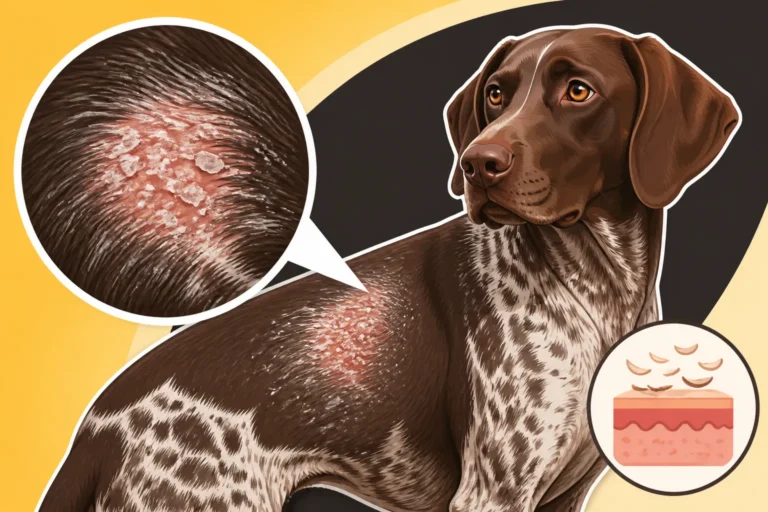
Beyond lethargy, weight gain that points at a Shorthair's thyroid is a huge indicator, even if their diet hasn't changed. They might seem pudgy despite your best efforts to keep them lean. You might also notice significant coat changes from hypothyroidism in a Shorthair, like a dull, dry, or brittle coat, increased shedding, or even hair loss, particularly symmetrical hair loss on the flanks and tail. Some dogs develop a "rat tail" or a sparse coat on their belly. Other less common but important signs can include cold intolerance (they shiver more easily), skin infections, a slow heart rate, or a generally sad or "tragic" facial expression due to puffiness. If you're seeing several of these, it's time to talk to your vet.
The Diagnosis Process for Hypothyroidism
Before you can even think about medicating, your vet needs to confirm the diagnosis. This isn't a condition you want to treat based on guesswork, as the medication is a lifelong commitment, and an incorrect diagnosis can lead to unnecessary treatment and masking other health issues. It's important to approach this methodically to ensure your GSP gets the right care.
Initial Veterinary Consultation and Physical Exam
Your journey begins with a thorough veterinary consultation. When you bring your German Shorthaired Pointer in, your vet will perform a comprehensive physical exam, looking for those tell-tale signs we discussed: lethargy, weight changes, coat quality, and heart rate. They’ll ask you a lot of questions about your dog’s history, changes in behavior, appetite, thirst, and exercise tolerance. Be prepared to share everything you’ve observed, even seemingly minor details. This initial conversation is crucial because it helps your vet decide if thyroid issues are even on the radar.
Don't be surprised if your vet suggests a broader range of tests first. Often, they want to rule out other common issues that can present similar symptoms, such as Cushing's disease or chronic infections. This diligent approach ensures that the eventual diagnosis is accurate and that no other underlying problems are missed.
Essential Bloodwork and Thyroid Panel
The definitive diagnosis of hypothyroidism relies on blood tests, specifically a full thyroid panel. This isn't just a simple "thyroid level" test; it typically involves measuring several different hormones to get a complete picture. The key tests usually include:
- Total T4 (TT4): This measures the total amount of thyroid hormone circulating in the blood. A low TT4 is often the first red flag.
- Free T4 (fT4): This measures the unbound, biologically active form of T4. It's often considered more reliable than TT4 because it's less affected by other illnesses or medications.
- TSH (Thyroid-Stimulating Hormone): In primary hypothyroidism, the pituitary gland tries to compensate for low thyroid hormones by producing more TSH. So, a high TSH in conjunction with low T4 often confirms the diagnosis.
- Thyroid Autoantibodies (TgAA): These tests look for antibodies that indicate an autoimmune attack on the thyroid gland, which is a common cause of hypothyroidism in dogs.
Your vet will interpret these results in combination with your dog's clinical signs. Sometimes, a single low reading might not be definitive, especially if your dog has other illnesses (called "euthyroid sick syndrome"). In such cases, your vet might recommend retesting in a few weeks or pursuing more advanced diagnostics to confirm a primary thyroid problem. It's part of the comprehensive bloodwork worth running on an older Shorthair anyway.
The Medication Protocol for Hypothyroidism
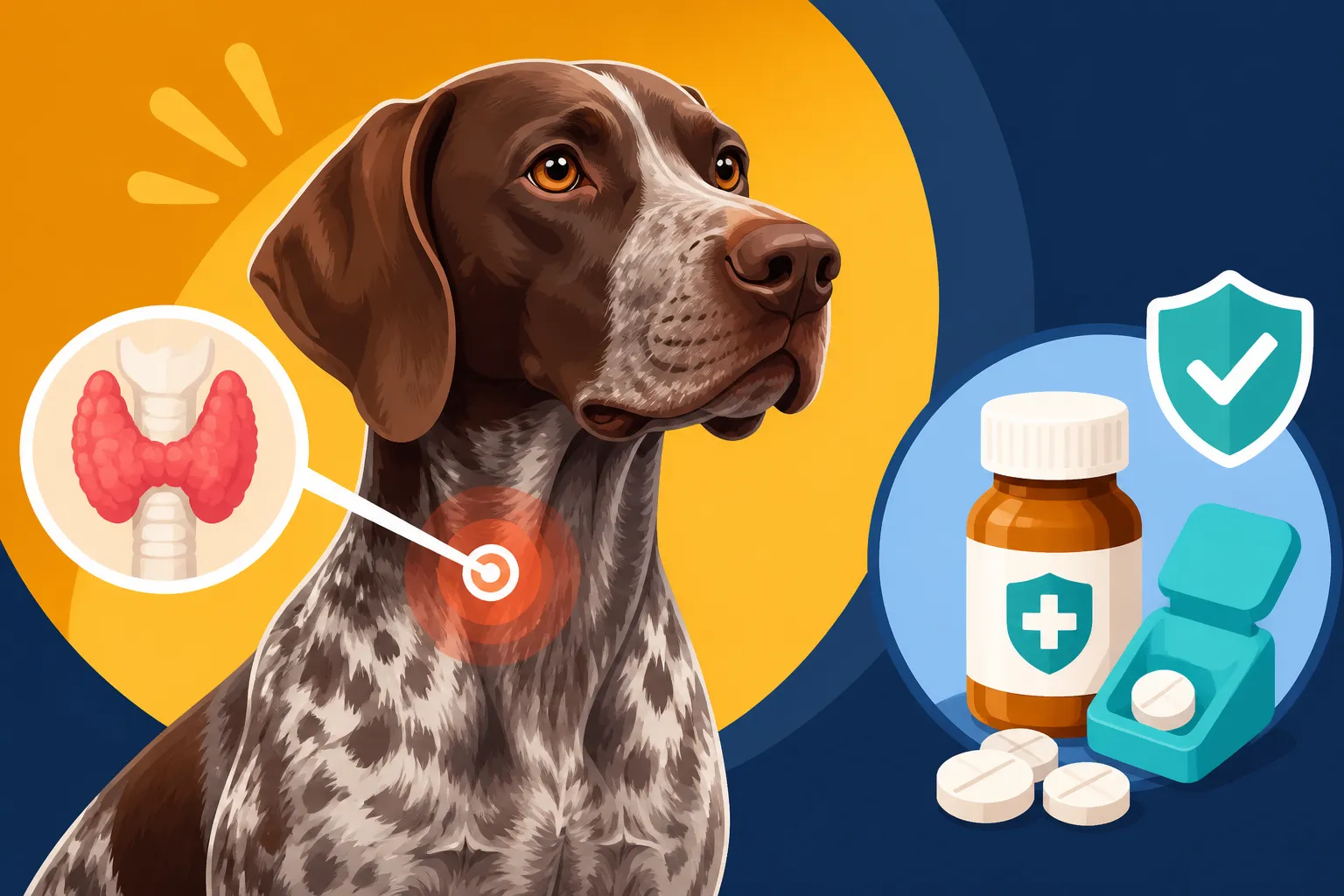
Once hypothyroidism is confirmed, the good news is that treatment is straightforward and highly effective. The primary medication used is a synthetic thyroid hormone replacement called levothyroxine. This medication simply replaces the hormone your German Shorthaired Pointer's body isn't producing enough of naturally.
Levothyroxine Dosage and Administration
Levothyroxine (often prescribed under brand names like Soloxine, Thyro-Tabs, or store-brand equivalents) is given orally, typically once or twice a day, depending on your vet's recommendation. The dosage is calculated based on your dog's weight, but it’s not always a "one size fits all" situation. Your vet will start with an initial dose and then adjust it based on your dog's response and follow-up blood tests. It’s crucial to administer the medication consistently, at the same time each day, and generally on an empty stomach to ensure optimal absorption. This means giving it at least 30-60 minutes before their first meal or a few hours after their last meal.
It's really important not to miss doses, as consistent levels of the hormone are key to managing the condition. If your GSP is particularly resistant to taking pills, talk to your vet about compounding pharmacies that can create flavored liquid medications or chews. Some owners find hiding the pill in a small amount of cheese or peanut butter works wonders, but just make sure it’s a tiny bit so as not to interfere with absorption.
What to Expect Once Medication Begins
You're probably wondering how long it takes to see results once you start medicating a hypothyroid German Shorthaired Pointer. Generally, owners begin to notice improvements in energy levels and attitude within a few days to a couple of weeks. That spark in their eyes might return, and they might show more enthusiasm for walks or playtime. It's a wonderful transformation to witness!
However, some changes take longer. Weight loss, if your dog was overweight due to the condition, will be gradual and will still require appropriate diet and exercise. The coat changes from hypothyroidism in a Shorthair might take several weeks to months to fully resolve, as new, healthy hair needs time to grow in. Don't get discouraged if these aesthetic changes aren't immediate. The most important thing is that your dog is feeling better internally. Keep a journal of your dog's symptoms and improvements; it can be incredibly helpful for your vet during follow-up appointments.
Monitoring and Long-Term Management
Hypothyroidism is a lifelong condition, meaning your German Shorthaired Pointer will need to be on medication for the rest of their The Twelve to Fourteen Years a German Shorthaired Pointer Gets they're blessed with. This might sound daunting, but with proper monitoring and consistency, it’s entirely manageable, allowing your GSP to live a full, active life.
Follow-Up Blood Tests and Dosage Adjustments
The initial weeks and months after starting medication involve a few follow-up blood tests to ensure the dosage is correct. Typically, your vet will recommend retesting four to eight weeks after starting treatment or making a dosage change. These tests, usually a Total T4 and/or Free T4, are ideally performed four to six hours after the morning dose of levothyroxine, as this gives a good indication of the medication's peak effect. This helps your vet fine-tune the dosage to ensure your dog is getting just the right amount – not too little, not too much.
Once your German Shorthaired Pointer's thyroid levels are stable, these blood tests will usually be needed once or twice a year as part of The Vet Schedule a Working Shorthair Should Keep. This regular monitoring is essential because a dog's metabolic needs can change over time, requiring slight adjustments to their monthly medication for a hypothyroid Shorthair. Your vet will look not just at the numbers, but also at your dog's overall health and energy levels to make informed decisions.
Potential Side Effects and What to Watch For
Levothyroxine is generally a very safe medication with few side effects when administered correctly. The most common "side effects" occur if the dosage is too high, essentially creating a temporary hyperthyroid state. In such cases, you might notice your German Shorthaired Pointer becoming overly restless, panting excessively, drinking more, urinating more, or experiencing weight loss despite a good appetite. If you observe any of these signs, contact your vet immediately. They will likely reduce the dosage.
It's rare, but some dogs can have an allergic reaction to the medication, though this is usually to inactive ingredients rather than the hormone itself. If you notice swelling, hives, or difficulty breathing, seek emergency veterinary care. Overall, the benefits of treatment far outweigh the minimal risks, especially when you consider A German Shorthaired Pointer That Has Stopped Wanting to Run can get their zest for life back.
The Importance of Consistent Care and Support
Living with a hypothyroid GSP means a commitment to consistent medication and regular vet check-ups. This consistency is the cornerstone of their long-term health and well-being. Keeping track of prescription refills and ensuring you always have enough medication on hand is critical. Consider setting reminders on your phone or using a pill organizer.
Financial planning for lifelong medication and vet visits is also a practical consideration. Many owners find that pet insurance, like a policy from Healthy Paws, can be incredibly helpful in managing the ongoing costs of chronic conditions. While hypothyroidism itself might be considered a pre-existing condition if diagnosed before coverage, a good policy can still assist with other unexpected health issues or even contribute to the overall costs, especially as your GSP ages and may require Bloodwork Worth Running on an Older Shorthair more frequently. Regular communication with your vet and staying proactive about your dog's health will ensure your German Shorthaired Pointer thrives for years to come.
Other Health Considerations and Hypothyroidism
It's worth noting that managing hypothyroidism doesn't mean ignoring other aspects of your German Shorthaired Pointer's health. In fact, a healthier dog overall often responds better to thyroid medication. Maintaining a healthy weight through appropriate exercise and diet is important, especially if your GSP gained weight due to the condition. This can also help prevent issues like Arthritis in a German Shorthaired Pointer at Eight.
Additionally, keep an eye on their skin and coat. While the medication should improve these, some GSPs might still be prone to environmental allergies or other skin conditions that require separate management. Always discuss any new symptoms or concerns with your vet. A proactive approach to your GSP's complete health, supported by a reliable plan like that offered by Healthy Paws, ensures they can continue to enjoy their active lifestyle, whether it’s in the field or just running around the backyard.
| Symptom Before Medication | Expected Improvement After Medication (Timeframe) |
|---|---|
| Lethargy, low energy | Increased activity, alertness (1-2 weeks) |
| Weight gain | Gradual return to healthy weight (1-3 months) |
| Dull, dry coat | Shinier, healthier coat (2-4 months) |
| Excessive shedding | Reduced shedding, new hair growth (3-6 months) |
| Cold intolerance | Improved tolerance to cold (1-2 months) |
| Slow heart rate | Normalization of heart rate (1-2 weeks) |
| Skin infections | Decreased frequency/severity (2-4 months) |
| Mentally dull | Improved cognitive function (2-4 weeks) |
This table provides a general overview, but individual results can vary. Consistent medication and monitoring are key to seeing these improvements. Remember, a German Shorthaired Pointer with Thyroid Failure in a Middle Aged German Shorthaired Pointer can still lead a full and vibrant life.
Disclaimer
The information provided in this guide is for general informational purposes only and is not intended as a substitute for professional veterinary advice. Always consult with a qualified veterinarian for any health concerns or before making any decisions related to your German Shorthaired Pointer's medical care.