Checking a German Shorthaired Pointer Over After a Hunt
You've just wrapped up an incredible day in the field with your German Shorthaired Pointer. The birds were flying, the points were picture-perfect, and your dog worked tirelessly, nose to the ground. But as the adrenaline fades and the truck ride home begins, it's easy to overlook one of the most crucial parts of the hunt: the post-hunt check. Our tireless GSPs are masters at hiding discomfort, pushing through pain, and often, what seems like a minor scrape can quickly escalate into a serious issue if left unaddressed. This comprehensive guide will walk you through a thorough inspection, helping you spot potential problems early and ensure your four-legged hunting partner stays healthy and sound for many seasons to come.
The Immediate Post-Hunt Once-Over: Why Every Second Counts
That feeling of exhaustion mixed with accomplishment after a long day afield is a shared experience for both hunter and dog. Your German Shorthaired Pointer, with its incredible drive and inherent desire to please, will often ignore or mask pain in the heat of the moment or even just moments after the action has stopped. This stoicism, while admirable, can make it incredibly challenging for us, their human partners, to know when something is truly wrong. That's why an immediate, even quick, scan is so vital before you even get home.
Why the Quick Scan is Non-Negotiable
Think about it: your GSP has been tearing through thick cover, navigating thorny bushes, jumping ditches, and potentially even breaking through ice for retrieves. The terrain is often unforgiving, and they do it all without complaint. This high-octane performance means they're prone to minor scrapes, punctures, and strains that they won't show you until much later, when they've had a chance to cool down and the adrenaline wears off. By performing a swift, but thorough, assessment right after the hunt, you’re looking for those glaring red flags that demand immediate attention, potentially saving you from a much larger veterinary bill or, more importantly, prolonged suffering for your dog. Early detection truly is the name of the game when it comes to keeping your GSP healthy.
What to Look For Right Away
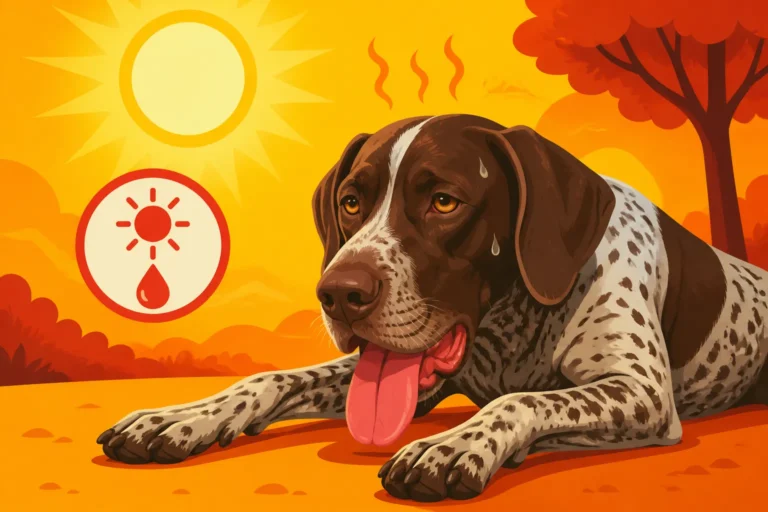
As you load your dog into the kennel or let them stretch out in the truck, take a moment for an initial assessment. Is your dog moving differently than when they started the day? Are they reluctant to jump into the truck or put weight on a particular leg? A subtle limp or an unusual stiffness might be the first clue. Watch their gait as they walk a few paces. Are they holding their head lower than usual, or is their tail tucked? Any obvious signs of blood on their coat, especially around the chest, flanks, or legs, warrant immediate investigation. Swelling, a new lump, or even just a tender spot when you pet them could indicate a deeper bruise or puncture wound. And always, always monitor their breathing and energy levels. Excessive panting long after the activity has ceased, or a dog that's unusually lethargic, could be signaling something more serious like heat exhaustion, especially if you were hunting in early season warmth.
The Detailed Inspection: Nose to Tail for Hidden Hazards
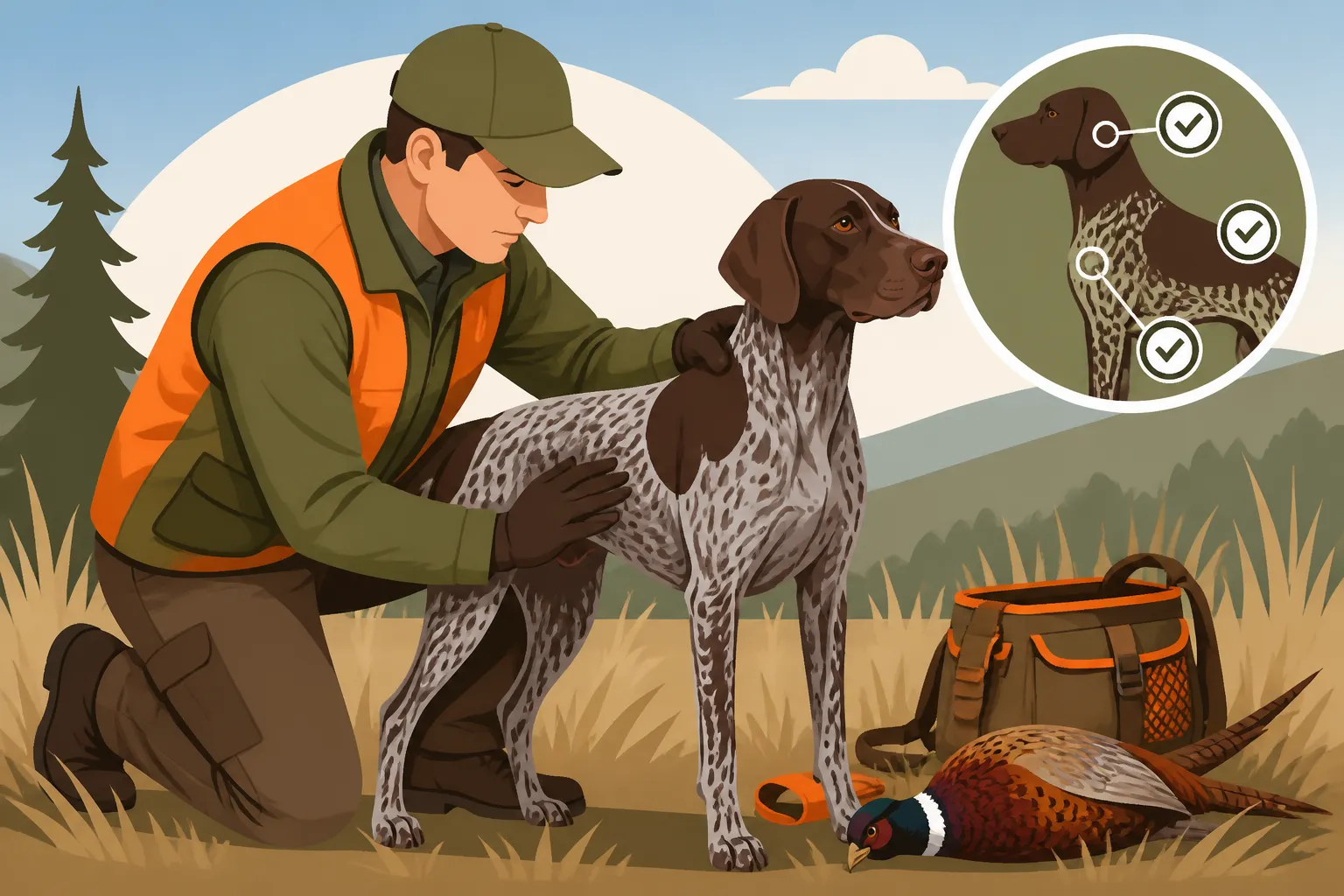
Once you're home and your GSP has had a chance to drink some water and calm down, it’s time for the full, detailed inspection. This isn't just a casual pat-down; it's a methodical, hands-on examination of every inch of your dog, seeking out those insidious foreign objects or injuries that can easily hide under their short, dense coat.
Ears, Eyes, and Nose: The Entry Points for Trouble
These areas are often forgotten but are prime targets for collecting debris.
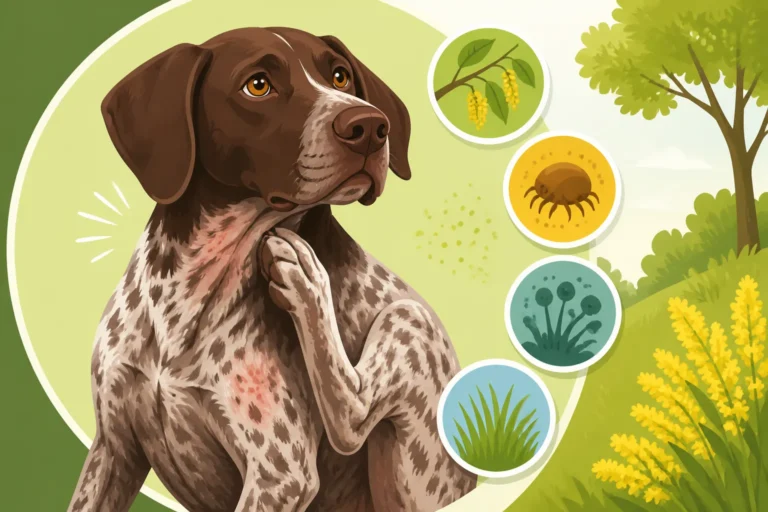
Your GSP's floppy ears are excellent at sweeping up seeds, burrs, and even tiny insects as they run through tall grass. Take a good look inside each ear canal, pulling back the flap to examine the skin for redness, swelling, or any discharge. Give it a sniff – a foul odor is a sure sign of infection. Many a hunting season has been derailed by a stubborn foxtail working its way deep into an ear. Keeping those ears clean and dry, especially after water retrieves, is paramount, as recurrent Ear Infections in a Shorthair That Swims can be a real nuisance.
Next, carefully check their eyes. Look for any squinting, excessive tearing, redness in the whites of the eyes, or discharge. Tiny seeds, dust, or even a scratch from a branch can cause significant irritation. Foreign bodies can be hard to spot, but if your dog is pawing at their face or rubbing their eye, it’s a clear sign something is amiss. Even seemingly minor Eye Injuries a Shorthair Gets Running Heavy Cover can become serious if not addressed promptly.
Finally, their nose – the primary tool of their trade. Is there any bleeding, unusual discharge, or crusting? Look closely at the nostrils; grass awns and other plant material can easily get lodged there, causing irritation, sneezing, or even pain. If your dog is suddenly pawing at their nose or having frequent sneezing fits, it could be a clue that Grass Awns in a German Shorthaired Pointer's Nose have found their way in.
Mouth, Chest, and Abdomen: Internal and External Concerns
Don't forget the mouth. Gently lift their lips and inspect their gums for good pink color and moisture (a quick way to check hydration). Check for any cuts on the tongue or inner cheeks, especially if they've been carrying a lot of birds or sticks. Quickly scan their teeth for any chips or cracks, which can happen if they retrieve hard objects.
Now, move to their chest and ribcage. Run your hands slowly and firmly over their entire torso, feeling for any new lumps, bumps, or tender spots. Look for any small punctures from sharp sticks or thorns, which can be hard to see under their tight coat. These seemingly small wounds can sometimes track deep, leading to abscesses or even migrating into the chest cavity, as can happen with Grass Seed Migration Into a Shorthair's Chest. Listen to their breathing; any rasping, wheezing, or unusually labored breaths are concerning.
The abdomen is a critical area, especially for GSPs. Feel along their belly for any signs of distension or hardness. Gastric Dilatation-Volvulus (GDV), commonly known as bloat, is a life-threatening emergency that German Shorthaired Pointers are particularly susceptible to, especially after strenuous exercise, eating, and drinking. The classic sign is often The Unproductive Retching That Means a Shorthair Is Bloating – your dog tries to vomit but nothing comes up. If you suspect bloat, even for a second, it's a dire emergency. Recognizing Catching Bloat in a German Shorthaired Pointer After a Hunt early can be the difference between life and death.
Legs and Paws: The Workhorses of the Field
Your GSP's legs and paws take the brunt of every hunting trip. These are often the areas most prone to injury.
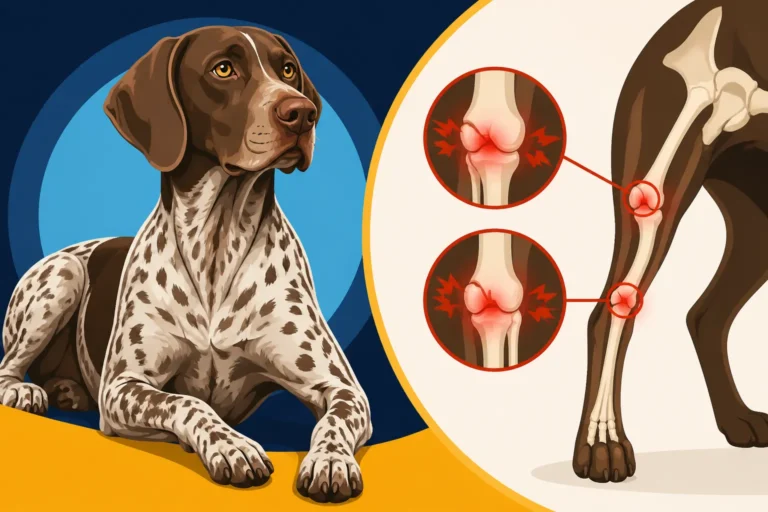
Start at the shoulders and work your way down each leg. Gently feel for any swelling, heat, or tenderness around the joints (shoulders, elbows, wrists, hocks, knees). Flex and extend each joint slowly, noting any reluctance or pain. Ligament strains, muscle pulls, or even small fractures can occur. Be particularly aware of any lameness, even if subtle. German Shorthaired Pointers are tough, and seemingly minor Shoulder and Toe Injuries in a Running Shorthair can often be more serious than they let on.
Finally, the paws – the most vulnerable parts. Carefully inspect each paw pad. Look for cuts, scrapes, punctures from thorns, or embedded debris. Run your fingers between each toe and pad to check for foxtails, burrs, or small cuts. Cut Pads on a German Shorthaired Pointer After a Long Day are common and painful. If you find a foxtail, it's vital to remove it completely, as these barbed seeds can migrate under the skin and cause serious infections. A foxtail that is A Foxtail Lodged in a Shorthair's Paw might need veterinary intervention if it's deeply embedded. Don't forget their nails and dewclaws. Broken or Torn Dewclaws on a Hunting Shorthair are incredibly painful and can bleed profusely, often requiring a vet visit to clean and dress properly. This is the kind of injury that a good pet insurance policy, like those offered by Healthy Paws, can really help with, covering unexpected emergency costs.
| Area to Check | Common Issues | Immediate Action | When to See a Vet |
|---|---|---|---|
| Ears | Grass awns, burrs, redness, discharge, foul odor, swelling | Gently remove visible debris, clean with ear cleaner, dry thoroughly | Persistent redness, strong odor, excessive discharge, suspected embedded awn |
| Eyes | Redness, irritation, foreign bodies (seeds, dust), discharge, squinting | Flush with saline solution; avoid rubbing | Persistent irritation, foreign body cannot be removed, changes in vision |
| Nose | Bleeding, discharge, embedded grass awns, crusting | Clean external area, attempt gentle removal of visible awns with tweezers | Bleeding, deep awns, excessive discharge, persistent sneezing |
| Mouth | Cuts on tongue/cheeks, broken teeth, gum irritation | Rinse with water, assess bleeding | Deep cuts, severely broken teeth, excessive bleeding |
| Chest/Abdomen | Lumps, punctures, tenderness, distension, hardness (bloat), labored breathing | Palpate gently, assess for pain/swelling. Monitor for bloat signs (retching, distension) | Any suspected puncture, persistent pain, signs of bloat (emergency!) |
| Legs/Joints | Swelling, heat, tenderness, lameness, cuts, scrapes, thorns | Clean visible wounds, gently palpate, check range of motion | Persistent lameness, inability to bear weight, severe swelling, deep cuts |
| Paws/Pads | Cuts, tears, punctures, embedded debris (foxtails), cracked pads, torn nails/dewclaws | Clean wounds, remove visible debris, apply paw balm, trim jagged nails | Deep cuts, embedded foxtails, torn dewclaws with heavy bleeding |
Beyond the Physical: Recognizing Subtle Signs and Prevention
Sometimes, the most serious issues aren't immediately obvious, and our GSPs, in their incredible desire to keep going, will often give only the most subtle hints that something is amiss. Learning to read these quiet signals, coupled with proactive care, can truly make a difference in their long-term health.
The Silent Signals of Discomfort
While your initial physical check covers a lot, watch your German Shorthaired Pointer closely over the next 12-24 hours. A dog that refuses to eat or drink normally, or one that suddenly seems less interested in their favorite treat, could be indicating internal pain or illness. Observe how they lie down and get up. Do they shift their weight awkwardly? Are they hesitant to use stairs or jump onto the couch when they normally would? Excessive licking of a specific area, even if you found nothing there during your inspection, often points to a sore spot, a muscle strain, or a small wound you missed. Sometimes, a subtle lameness, like The Shifting Lameness in a Six Month Shorthair, might not show up right after the hunt but will gradually appear hours later as their muscles cool and stiffen. This delayed onset can be particularly tricky, as you might attribute it to simple fatigue, but it could be indicative of a deeper injury.
Essential Post-Hunt Care and What to Keep Handy
Having a well-stocked dog first aid kit is non-negotiable for any GSP owner, especially if you hunt regularly. This kit should include items like antiseptic wipes or spray (such as Vetericyn or diluted Betadine), sterile gauze pads, self-adhering vet wrap, blunt-tipped tweezers for removing thorns or splinters, a small bottle of saline solution for flushing eyes, and perhaps some Benadryl (check with your vet for dosage) in case of insect stings. If your vet has prescribed any pain medication for previous injuries, always have some on hand.
Beyond first aid, proper recovery is crucial. Ensure your dog has access to plenty of fresh water. Watering a German Shorthaired Pointer Through a Long Day is important, but rehydration afterward is just as vital. Offer a high-quality, easily digestible meal. Consider adding electrolytes to their water or food if they've been working extremely hard. After a grueling day, sometimes a warm, comfortable bed away from drafts is all they need to recuperate.
Know when to call the vet. This is perhaps the most important takeaway. If you find a deep puncture wound, suspect a broken bone, notice severe swelling, or your dog exhibits any signs of bloat (distended abdomen, unproductive retching, pacing, drooling), do not hesitate. Call your emergency vet immediately. These situations can be life-threatening, and having a plan, perhaps even understanding what your pet insurance covers, can reduce stress in these critical moments. Companies like Healthy Paws are there to help with unexpected veterinary costs for accidents and illnesses that often crop up from an active lifestyle. Proactive paw care throughout the year is also key. Using a paw balm regularly and conditioning their pads with products specifically designed to toughen them, like Pad Toughener Products for a Hunting Shorthair, can make a huge difference in preventing those painful splits and cracks.
Proactive Steps for a Healthier Hunting Dog
The best offense is a good defense, and that certainly applies to keeping your GSP healthy for hunting. Regular physical conditioning, not just in the weeks leading up to the season but year-round, is fundamental. A well-conditioned dog is less likely to suffer strains, sprains, and other soft tissue injuries. Consistent exercise, including roadwork, swimming, and mental stimulation, helps build stamina and muscle tone. Think about Conditioning a Shorthair Before Opening Day as a marathon, not a sprint.
Proper nutrition, tailored to their high energy levels, is also paramount. Feeding a dog that Feeding a Dog That Burns What a Shorthair Burns requires a diet rich in protein and healthy fats, ensuring they have the fuel they need without carrying excess weight. A lean, athletic build is always ideal for a GSP.
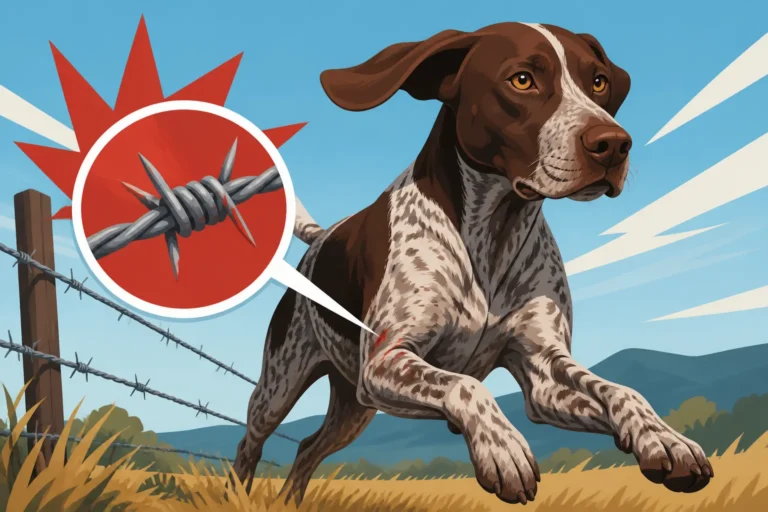
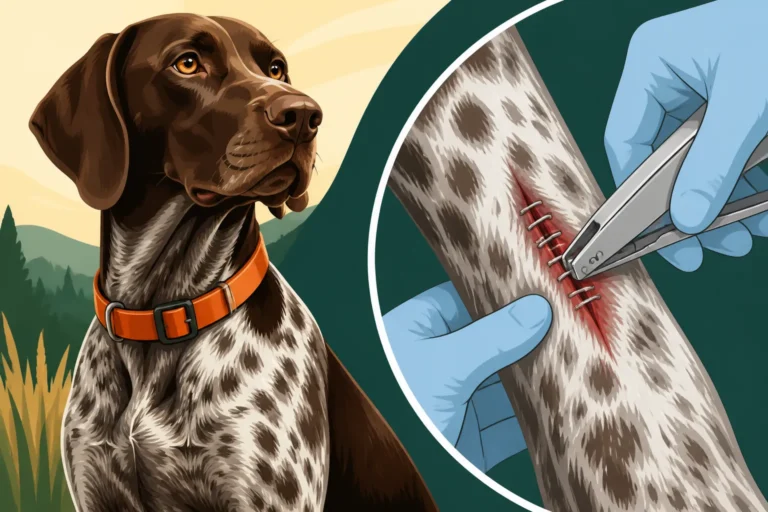
Finally, maintaining a consistent The Vet Schedule a Working Shorthair Should Keep ensures that any underlying health issues are caught early. Regular check-ups, vaccinations, and parasite prevention are your best tools for long-term health. And, as mentioned before, investing in pet insurance from a reputable provider like Healthy Paws can provide immense peace of mind. Knowing that you have support for those inevitable emergency vet visits, whether it's a deep cut from barbed wire or a sudden bout of bloat, allows you to focus on getting your beloved GSP the best care without financial stress.
Disclaimer
This article is intended for informational purposes only and does not constitute medical advice. Always consult with a qualified veterinarian for any health concerns or before making any decisions about your pet's health or treatment.