Snake Bites and a German Shorthaired Pointer
For German Shorthaired Pointer owners, especially those who spend time afield, few thoughts are as terrifying as the possibility of a snake bite. These highly active, curious dogs, with their low-to-the-ground sniffing and fearless pursuit of game, are unfortunately prime candidates for encountering venomous snakes. This guide is here to walk you through understanding the risks, knowing what to do in that terrifying moment, and preparing yourself and your beloved GSP for such an event.
Understanding the Threat: Common Venomous Snakes and Their Bites
When you have a German Shorthaired Pointer, you're signing up for a dog that lives for adventure, whether it's bounding through tall grass, exploring dense cover, or retrieving from thick brush. These are precisely the environments where venomous snakes often reside, creating an unavoidable risk for our four-legged companions.
Identifying Venomous Snakes in North America
While there are many types of snakes, the vast majority in North America are non-venomous and relatively harmless to dogs. However, it's the few venomous species that demand our attention and vigilance. Knowing what to look for, and where these dangerous snakes typically live, is your first line of defense.
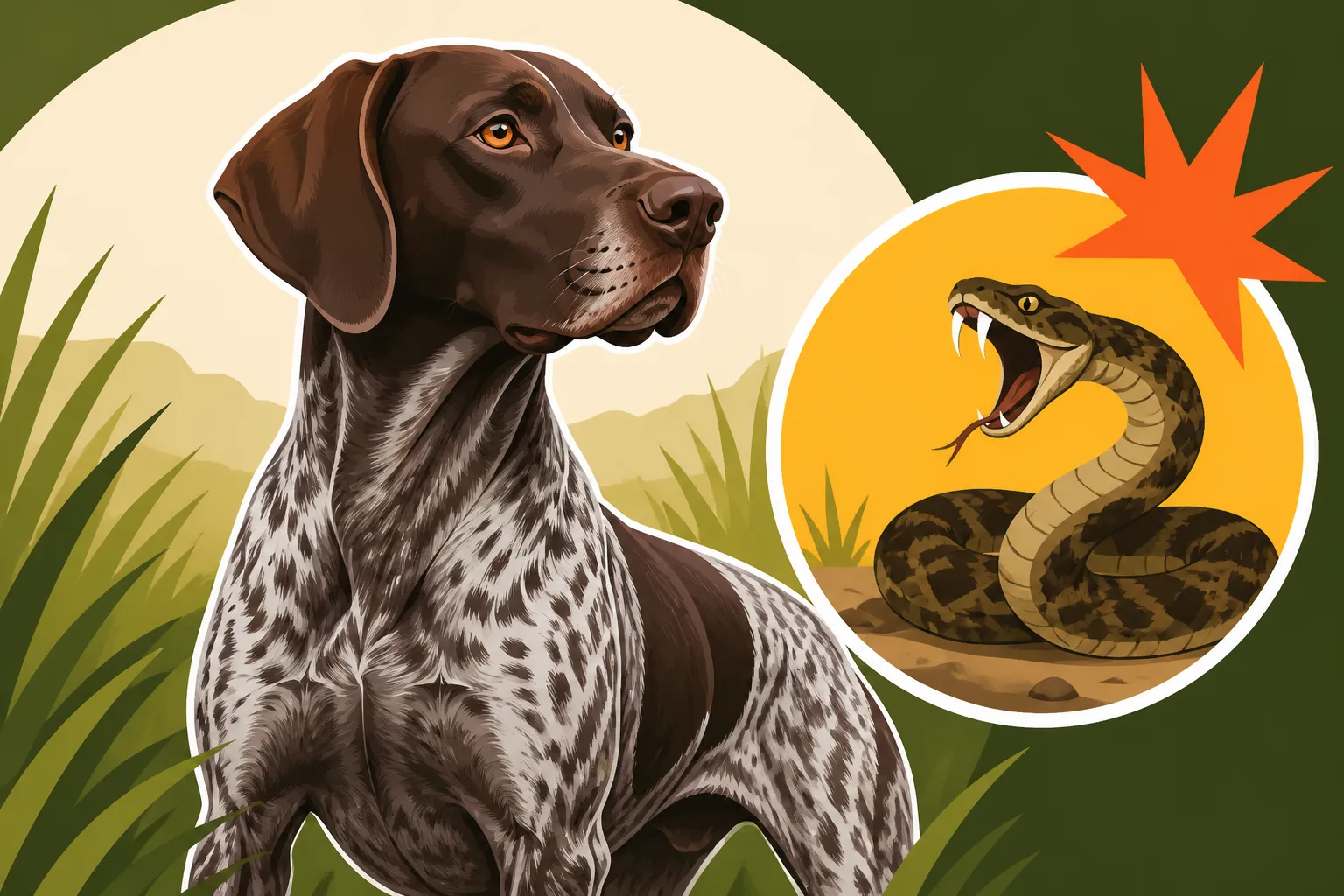
In the United States, the main culprits you need to be aware of are rattlesnakes, copperheads, and cottonmouths (also known as water moccasins). Rattlesnakes are widespread, found in almost every state, and are easily identified by the distinctive rattle on their tail, though sometimes it can be broken off or they might not rattle before striking. They prefer arid, rocky terrain, but can be found in grasslands and forests. Copperheads are most common in the eastern and central U.S., often blending seamlessly into leaf litter with their hourglass-shaped, coppery-brown bands. They favor woodlands, forests, and rocky hillsides, but will venture into suburban areas. Cottonmouths are semi-aquatic, found in the southeastern U.S. near swamps, marshes, ponds, and slow-moving streams. They're typically dark-colored and, when threatened, will open their mouths to reveal a startling white interior, hence the "cottonmouth" name. It’s crucial to remember that young venomous snakes can be just as dangerous, sometimes even more so, as they may not regulate their venom injection, delivering a full dose with a bite.
How a Bite Affects a German Shorthaired Pointer
The immediate aftermath of a snake bite on a German Shorthaired Pointer can be incredibly frightening. Venom, depending on the snake species, can have various effects. Most venomous snake bites in North America are from pit vipers (rattlesnakes, copperheads, cottonmouths), whose venom is primarily hemotoxic. This means it attacks and destroys red blood cells and tissues, causing severe pain, swelling, and tissue damage around the bite site. It can also lead to internal bleeding and organ damage if left untreated. Neurotoxic venom, typically found in coral snakes (though less common and often with a "chewing" bite rather than a quick strike), affects the nervous system, leading to paralysis, difficulty breathing, and muscle weakness.
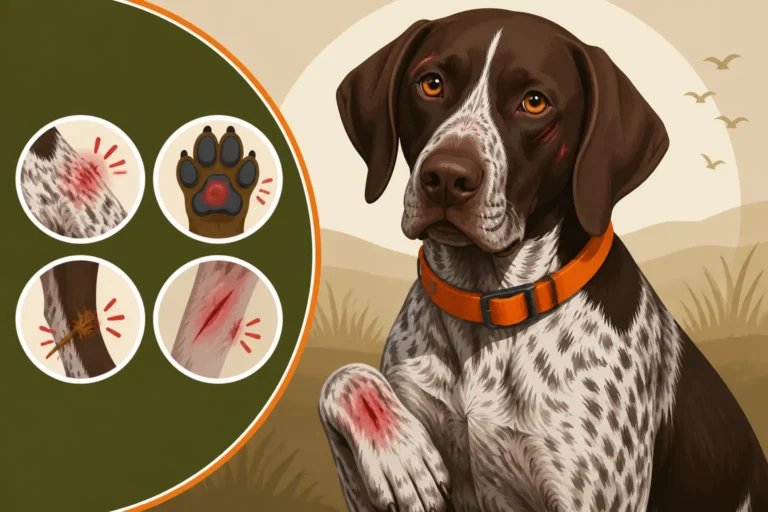
Symptoms you might observe in your GSP include sudden yelping or crying out, followed by rapid swelling at the bite site, which is often on the face, neck, or a leg. The area might be very painful to the touch, and you might see two small puncture marks, though sometimes only one or none are visible due to swelling or hair. Your dog might become weak, lethargic, start drooling excessively, or even collapse. Their gums could become pale or discolored, and they might exhibit rapid breathing or a racing heart rate. The speed and severity of these symptoms depend on the amount of venom injected, the size of your dog, and the location of the bite. A bite on the face or neck is generally more dangerous due to proximity to airways and vital organs. This is why immediate, calm action is so incredibly vital for your GSP.
Risk Factors for German Shorthaired Pointers
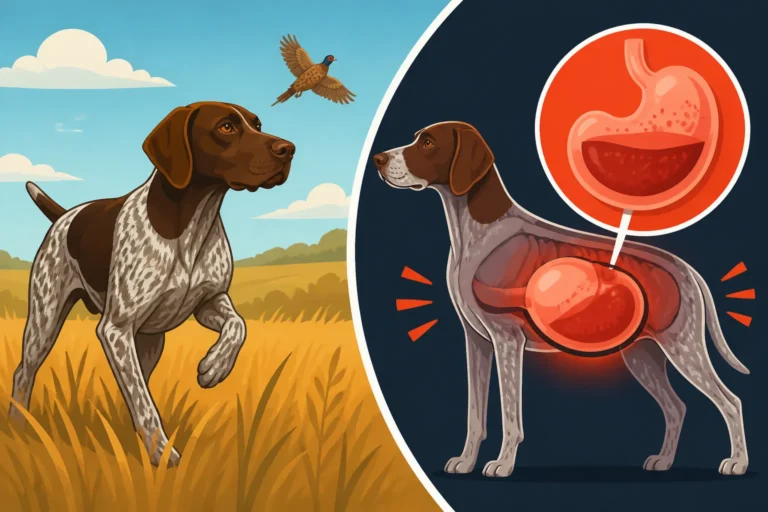
Let's be honest, German Shorthaired Pointers are, by their very nature, predisposed to snake encounters. Their intense prey drive means they’re constantly using their powerful noses, often with their heads low to the ground, sniffing out every interesting scent. This makes them particularly vulnerable to striking snakes that are camouflaged in the grass, leaves, or rocks.
When a GSP is working a field, whether it's for pheasants, quail, or just enjoying a vigorous run, they are often crashing through dense cover that humans would shy away from. This is prime snake habitat. Their boundless energy and fearless approach to the world mean they aren't going to carefully circumvent a hidden threat; they're going to dive right in. Young, inexperienced dogs, in particular, might be more likely to investigate a snake out of curiosity, not recognizing the danger. Even seasoned hunters, focused intently on a scent, can be caught off guard. Remember how easily your GSP can get a Foxtail Lodged in a Shorthair's Paw or Grass Awns in a German Shorthaired Pointer's Nose? It's that same inquisitive nature and exposure to dense cover that puts them at risk for snake bites. The fact that these dogs can sustain Field Injuries a Hunting German Shorthaired Pointer Comes Home With is a testament to their dedication and the challenging environments they navigate, and snake bites are unfortunately one of those risks.
Immediate Actions After a Suspected Snake Bite
Finding your German Shorthaired Pointer yelping or showing signs of a snake bite can send a jolt of panic through any owner. It’s a moment where every second feels like an hour, and your ability to act quickly and correctly can make all the difference.
Prioritizing Safety and Remaining Calm
The very first thing you need to do, before anything else, is ensure your own safety and the safety of your dog from further bites. Snakes often strike multiple times, especially if provoked or startled. Gently but firmly get your GSP away from the area where the bite occurred. If the snake is still visible, back away slowly and calmly. Do NOT try to capture or kill the snake. Not only does this put you at extreme risk, but it also wastes precious time that your dog needs to get to the vet. Knowing the type of snake can sometimes help veterinarians, but your priority is your dog’s life, not snake identification.
Once your dog is moved to a safe spot, take a deep breath. Panicking will only make the situation worse, both for you and your dog. Your GSP will pick up on your stress, which can elevate their heart rate and potentially spread the venom faster. Try to keep your dog as still and calm as possible. Carry smaller dogs, or gently encourage larger dogs to walk slowly to your vehicle. Limiting movement helps to slow the spread of venom through the lymphatic system and bloodstream. If you’re far from your vehicle, consider calling for help if available, but the ultimate goal is rapid transport to a veterinary emergency clinic.
First Aid Myths versus Realities
The internet and old wives' tales are full of "first aid" tips for snake bites that are not only ineffective but can actually cause more harm to your German Shorthaired Pointer. It’s crucial to separate fact from dangerous fiction.
What NOT to do:
- Do NOT apply a tourniquet: This can cut off blood flow, leading to severe tissue damage, necrosis, and potentially necessitating amputation.
- Do NOT cut the bite wound: This increases the risk of infection, further tissue damage, and can worsen bleeding, especially if your GSP has a The Bleeding Disorder in German Shorthaired Pointer Lines.
- Do NOT try to suck out the venom: This is ineffective and can introduce bacteria into the wound.
- Do NOT apply ice or heat: Ice restricts blood flow, potentially concentrating venom and exacerbating tissue damage. Heat can speed venom absorption.
- Do NOT try to give pain medication without vet instruction: Human medications can be toxic to dogs, and some can interfere with veterinary treatments.
- Do NOT let your dog run or walk extensively: As mentioned, movement increases circulation and speeds venom distribution.
What TO do:
- Keep calm: Your composure helps your dog stay calm.
- Limit movement: Carry your dog if possible, or keep them quiet and still.
- Position the bite site below the heart if possible: This is a minor point, but it may slightly slow venom spread.
- Get to the vet immediately: This is the most critical step. Time is tissue, and early antivenin administration is vital for the best outcome.
The Critical Role of Veterinary Care
Once you arrive at the veterinary emergency clinic, the team will take over. This is where your preparedness and quick thinking pay off. The veterinarian will assess your GSP, looking for fang marks, swelling, pain, and signs of systemic venom absorption. They will likely check vital signs, perform blood tests, and begin supportive care.
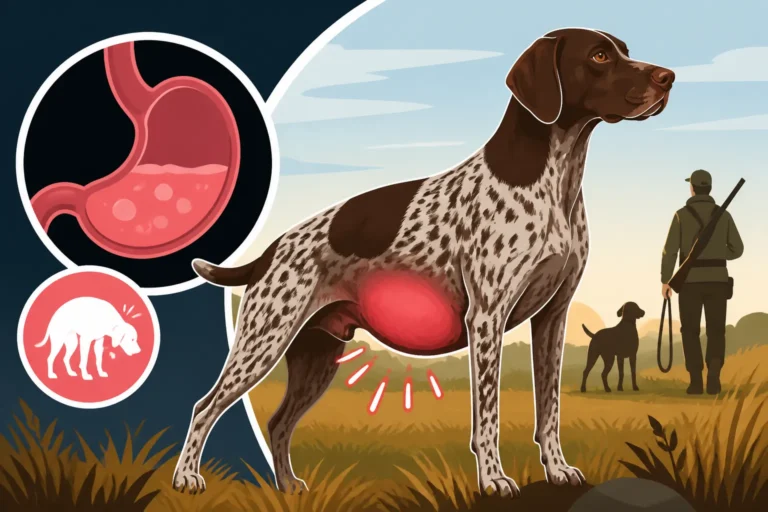
The cornerstone of snake bite treatment for venomous bites is antivenin. Antivenin works by binding to the venom molecules, neutralizing them and stopping further damage. The sooner antivenin is administered, the more effective it is and the better the prognosis for your dog. However, antivenin is expensive and carries a small risk of allergic reaction, which your vet will monitor for. Beyond antivenin, your GSP will receive pain management, often with injectable analgesics, intravenous fluids to support blood pressure and organ function, and potentially antibiotics to prevent secondary infections. Many GSPs require an overnight stay, or even several days, for observation and continued treatment, especially for more severe bites. This is a situation where you might find yourself facing bills similar to what you'd see for Emergency Care for a Bloating German Shorthaired Pointer or The Bill When a Shorthair Torsions Mid Season, underscoring the importance of financial preparation.
Prevention and Preparedness for German Shorthaired Pointers
While the thought of your GSP being bitten by a snake is terrifying, there are proactive steps you can take to minimize the risk and ensure you're as prepared as possible if the worst happens.
Training for Snake Avoidance
Training is one of the most effective tools in your prevention arsenal. Professional snake avoidance clinics are available in many regions where snakes are prevalent. These clinics typically use live, muzzled venomous snakes, a remote collar, and professional trainers to teach your dog to recognize and avoid snakes. The goal is to create a negative association with the sight, sound, and smell of a snake, prompting your GSP to back away rather than investigate. These are not cruel methods; they are about teaching a life-saving skill.
Beyond specialized clinics, general obedience training is also crucial. A strong "leave it" command can be a literal lifesaver, allowing you to stop your GSP from investigating something suspicious from a distance. A reliable recall is equally important, enabling you to call your dog back to you if you spot a snake first. Practicing these commands regularly, even in distracting environments, builds a solid foundation for safety. Remember that a German Shorthaired Pointer's high drive often means they want to be out front, so working on commands like "heel" and "stay" can keep them closer to you in potentially risky areas.
Protective Gear and Environmental Awareness
Just as you'd equip your GSP with the right gear for hunting, like a good vest or durable leads, there are ways to think about protective gear and smart practices for snake country. While not foolproof, some items can offer a layer of defense. Snake gaiters or vests designed for dogs, made of tough, puncture-resistant material, can offer some protection, particularly for leg and body bites. However, many bites occur on the head and neck, which are harder to protect. Consider what types of Boots for a Shorthair on Rock and Stubble might also offer some protection for their lower legs and paws if you're regularly in rough, snake-prone terrain.
More importantly, environmental awareness is key. Know your local venomous snake species and their preferred habitats. If you're hiking, hunting, or running your dog in an area known for snakes, keep your GSP on a leash, especially during warmer months when snakes are most active. Avoid letting them explore dense brush, rock piles, or tall grass, particularly when you can't see what's ahead. Be extra cautious at dawn and dusk when many snakes are most active. When you're Checking a German Shorthaired Pointer Over After a Hunt, especially if you suspect they've been in dense cover, always check thoroughly for any signs of injury, including potential snake bites.
Considering the Rattlesnake Vaccine
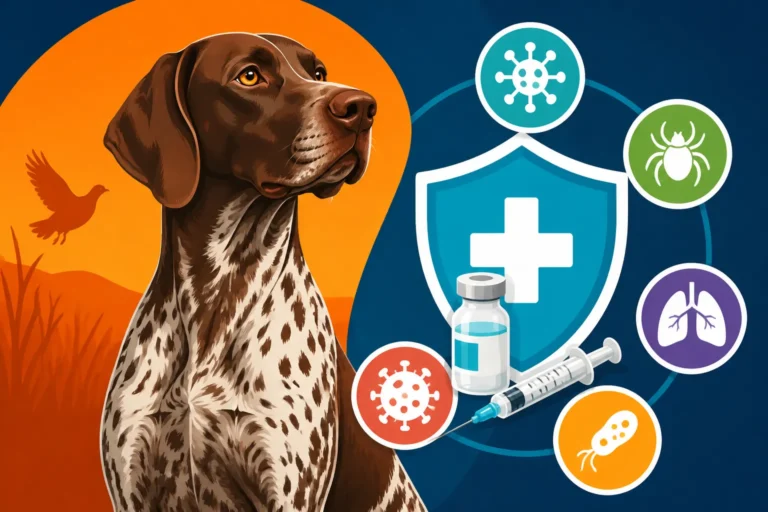
Yes, there's a vaccine available that can help reduce the severity of rattlesnake venom effects. This vaccine, often discussed in the context of Whether a Shorthair Needs a Rattlesnake Vaccine, is designed to stimulate an immune response that creates antibodies against certain components of rattlesnake venom. It doesn't prevent a bite, and it doesn't make your dog immune to venom, but it can buy you critical time and lessen the severity of the reaction, reducing swelling and tissue damage, and potentially lowering the amount of antivenin needed.
The rattlesnake vaccine is not a substitute for immediate veterinary care, nor does it protect against all types of snake venom (it's primarily for Western Diamondback Rattlesnake venom, though it may offer some cross-protection against others). Discuss with your veterinarian whether the rattlesnake vaccine is appropriate for your German Shorthaired Pointer based on your location, your dog's activity level, and the prevalence of venomous snakes in your area. They can provide guidance on the specific The Rattlesnake Vaccine Price Per Shorthair and what to expect. It's often recommended for dogs that spend significant time in snake habitats, offering an additional layer of protection, similar to how you might consider The Vaccines a Hunting Shorthair Needs Beyond the Core for other risks.
Financial Preparedness: Insurance and Emergency Funds
Let's talk frankly about the cost of a snake bite. Treatment, especially with antivenin, can be incredibly expensive. A single dose of antivenin can cost hundreds, if not thousands, of dollars, and some severe bites require multiple doses. Add to that emergency vet fees, hospitalization, pain medication, and supportive care, and you're looking at a bill that can easily reach into the thousands. This financial burden, on top of the emotional stress, can be overwhelming.
This is where planning ahead truly makes a difference. Consider investing in pet insurance. Companies like Healthy Paws offer comprehensive plans that can cover a significant portion of unexpected veterinary costs, including those arising from snake bites. While an accident-only plan might seem appealing, a comprehensive policy from providers like Healthy Paws often provides broader coverage for unexpected illnesses and injuries, which is critical for a breed as active as a GSP. Make sure to understand what your policy covers, the deductible, and reimbursement rates. If insurance isn't feasible, start an emergency fund specifically for your dog's health. Setting aside a certain amount each month can build a safety net for unforeseen events, just as you'd budget for The Monthly Food Bill for a Hard Working Shorthair or What a GPS Tracking Collar Costs a Shorthair Owner. Knowing you have a plan in place can alleviate immense stress during a crisis and allow you to focus solely on your dog's recovery, potentially even covering things like Physical Therapy for a Shorthair After Knee Surgery if extensive tissue damage from a bite requires it.
Disclaimer
The information provided in this guide is for general educational purposes only and is not a substitute for professional veterinary advice. If your German Shorthaired Pointer is bitten by a snake or you suspect they have been, seek immediate veterinary attention. Always consult with your veterinarian for diagnosis and treatment options.