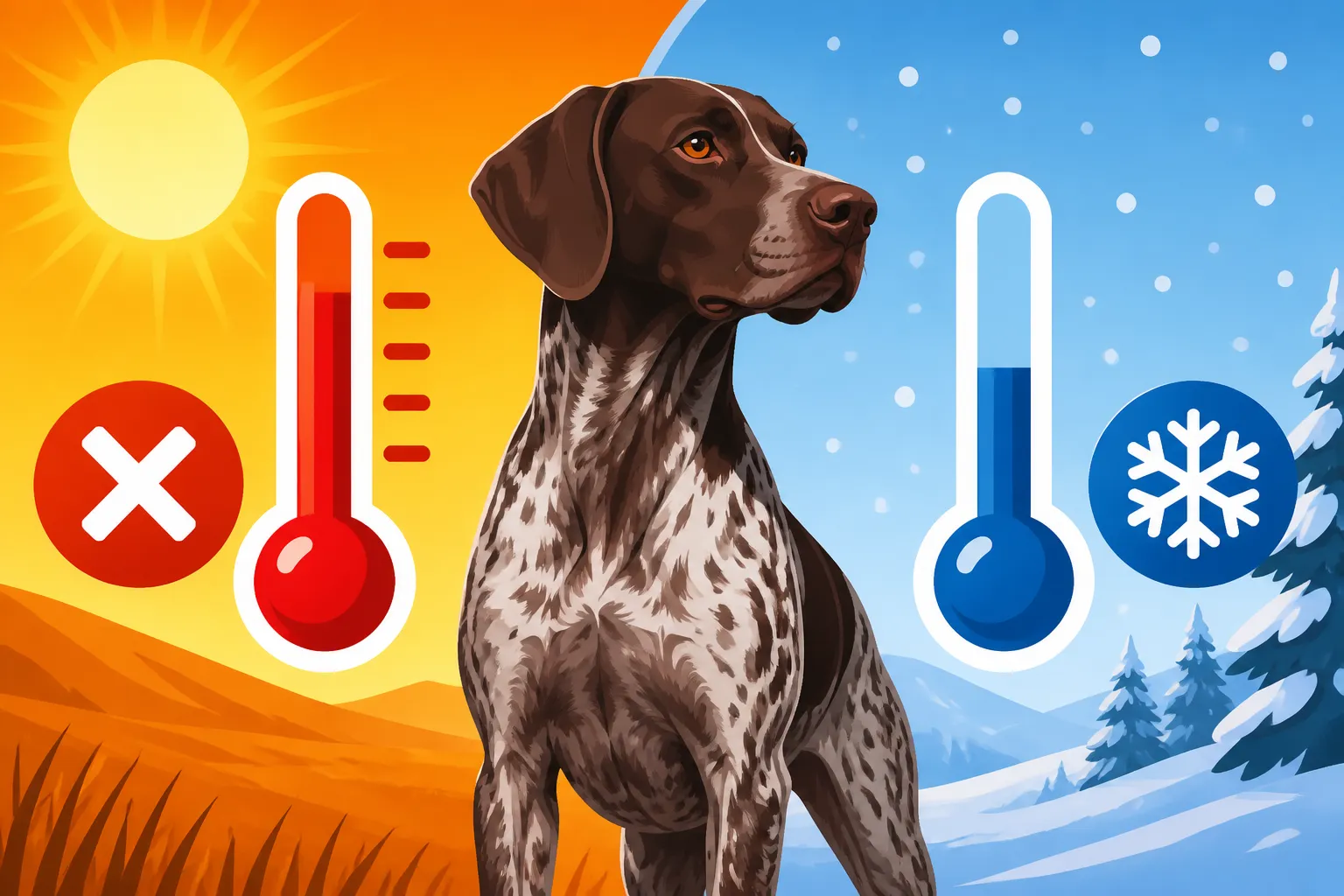
The Temperature a German Shorthaired Pointer Should Not Hunt In
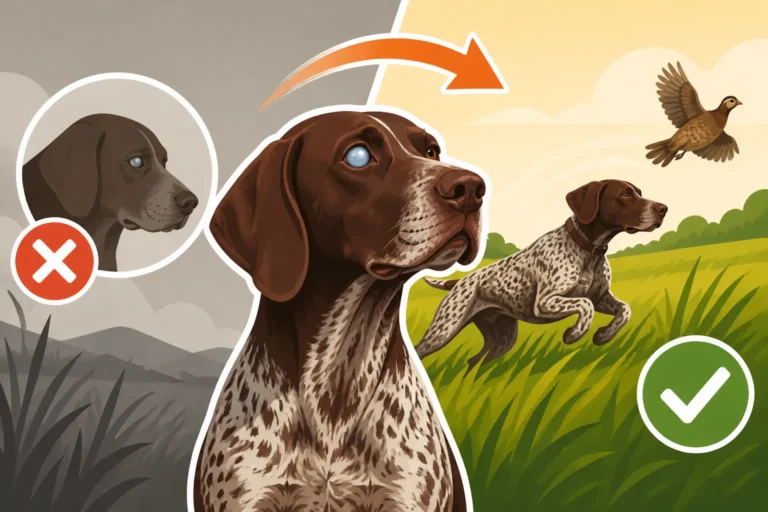
One of the biggest worries for any German Shorthaired Pointer owner, especially those who cherish spending time with their companions in the field, is ensuring their dog's safety and well-being. These incredible athletes are built for endurance, but pushing them too hard in extreme temperatures can have devastating consequences. This guide aims to thoroughly explore the critical temperature thresholds for hunting with your GSP, helping you make informed decisions to protect your beloved partner.
Understanding Your German Shorthaired Pointer's Heat Tolerance
German Shorthaired Pointers are, without a doubt, bundles of energy with an almost limitless desire to run, point, and retrieve. However, this high drive, combined with their physiology, makes them particularly susceptible to overheating. It’s not just about comfort; it's about life or death.
The Dangers of Overheating in Shorthairs
When your GSP is working hard, their body temperature naturally rises. Unlike humans who sweat efficiently, dogs primarily cool themselves by panting. In hot or humid conditions, this mechanism becomes less effective, and their core temperature can quickly climb to dangerous levels. This isn't a gradual decline; it can happen shockingly fast.
Imagine a crisp September morning that turns into a surprisingly warm afternoon. You're deep in the pheasant fields of South Dakota, and your GSP, Tracker, is tearing through heavy cover, adrenaline pumping. He's retrieving bird after bird, barely taking a moment to rest. What you might not immediately see is the internal struggle. His short coat, while great for shedding burrs, offers little insulation against direct sun, and his panting is working overtime. If he can't dissipate heat, his body starts to shut down. This can lead to severe heatstroke, which manifests as excessive panting, drooling, wobbly legs, bright red gums, and eventually collapse. The internal damage can be catastrophic, affecting kidneys, liver, brain, and heart, even if the dog survives the initial episode. Dehydration is a significant co-factor, exacerbating the problem as the dog loses vital fluids through heavy panting and exertion. This is why vigilance for "Heat Stroke in a September Shorthair" is so important.
Ideal Temperature Ranges for Hunting
Generally speaking, German Shorthaired Pointers thrive in cooler temperatures. For intense activity like hunting, a good rule of thumb is to aim for ambient temperatures below 60°F (15°C). However, this is just a starting point, and several other factors must be considered. Humidity is a huge one; high humidity traps heat and makes it much harder for your dog to cool itself, so 60°F with 90% humidity is far more dangerous than 60°F with dry air. Direct sunlight, the intensity and duration of the hunt, and the type of cover your dog is working in all play a role. Hunting in thick cattails or dense woods on a warm day is much riskier than working open stubble fields in a breeze.
Many seasoned GSP owners prefer to hunt primarily when temperatures are between 30°F (-1°C) and 55°F (13°C), as this range typically offers a good balance of comfort and safety for their dogs. On warmer days, especially those creeping into the high 50s or 60s, planning your hunt for the early morning or late evening hours is crucial. The ground temperature is often cooler, and the sun's intensity is much lower. Always be ready to cut a hunt short if conditions change or if your dog shows even the slightest sign of distress. Their drive will often make them push past their limits, so it's up to you to be their advocate.
When the Chill Becomes Too Much for a Shorthair
While heat is often the primary concern for active GSPs, their short, dense coat, while offering some water resistance, provides minimal insulation against biting cold. Winter hunting presents its own unique set of challenges and risks.
Risks of Hunting in Cold Temperatures
Hunting in freezing temperatures, especially with wind chill, can lead to hypothermia in a German Shorthaired Pointer. Their sleek bodies and lack of a thick undercoat mean they lose heat more quickly than many other breeds. Hypothermia occurs when their body temperature drops below normal, impairing their physiological functions. This can be particularly dangerous if they are retrieving in icy water or waiting in a blind for extended periods.
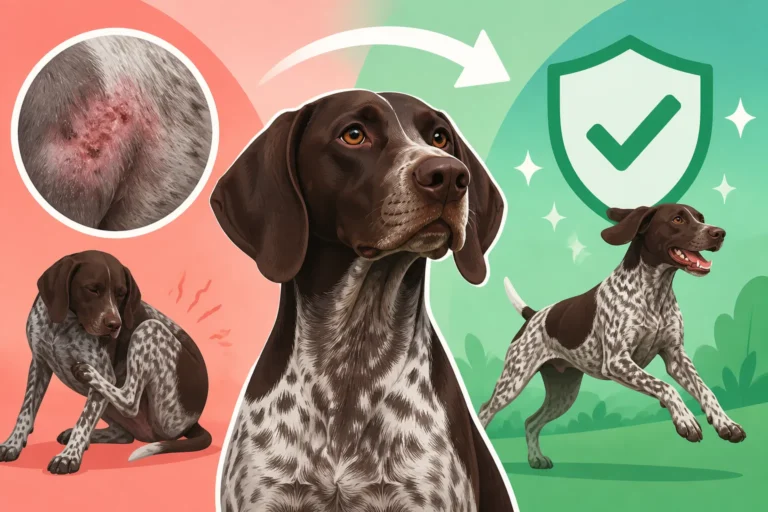
Beyond systemic cold, localized injuries are also a major concern. Paw pads can suffer from exposure to frozen ground, snow, and ice, leading to cracking, cuts, or even "Frostbite on a Late Season German Shorthaired Pointer". Ice balls can form between their toes, causing discomfort and lameness. Their ears, while somewhat protected, can also be susceptible to frostbite if exposed to extreme cold and wind for too long. Imagine your GSP, Scout, making an icy retrieve from a slough in North Dakota, then sitting by your side in a stiff breeze. Despite his boundless enthusiasm, that repeated exposure to cold water and wind can quickly draw heat from his core, leaving him vulnerable to chills and more serious conditions.
Signs Your Shorthair is Struggling in the Cold
Recognizing the early signs of cold stress is vital. A shivering dog is an obvious indicator, but sometimes it’s more subtle. Your GSP might start moving slower, appearing stiff, or showing a reluctance to enter water or work cold cover. They might try to curl up more tightly, tuck their tail, or lift their paws off the ground frequently.
Their ears might feel unusually cold to the touch, or their pads might be sensitive. If your GSP, normally full of relentless energy, starts seeking shelter behind you or in a dense bush, take it as a clear signal. Don't mistake their desire to please for true comfort in harsh conditions. Always check their body temperature by feeling under their front leg in their armpit area; if it feels unusually cold, they're losing heat. It’s always better to err on the side of caution and cut the hunt short or provide warmth than to push them into dangerous territory.
Essential Strategies for Safe Hunting in Varied Climates
Preparation is your best friend when it comes to keeping your German Shorthaired Pointer safe and effective in the field, regardless of the temperature swings you might encounter. Proactive measures can prevent a potential emergency.
Acclimation and Conditioning
Just like human athletes, your GSP needs to be properly conditioned for the demands of hunting. A dog that's been lounging on the couch all summer can't suddenly be expected to run miles in varied terrain without risk. Gradual acclimation to weather conditions is key. If you know you'll be hunting in cooler fall temperatures, start increasing their exercise intensity and duration in the weeks leading up to the season. Similarly, if early season hunts might still encounter warmer days, gradually expose them to slightly warmer conditions during exercise, always with ample water and breaks.
This isn't about pushing them to their limit in extreme heat, but rather building their overall cardiovascular fitness and endurance. A fit dog manages temperature regulation more efficiently. Regular, vigorous exercise sessions, mimicking hunt conditions, are far more beneficial than sporadic bursts of activity. This kind of preparation is integral to "Conditioning a Shorthair Before Opening Day" and will serve your dog well throughout the season.
Hydration and Nutrition
Water, water, water! It cannot be stressed enough. Always carry more water than you think you'll need for both you and your dog. Offer water frequently, even if your dog doesn't seem thirsty. A GSP's drive can make them ignore their body's signals, especially thirst. Portable water bowls or squeeze bottles are indispensable. In colder weather, dogs still need water, and you might need to carry warm water to prevent it from freezing or to entice them to drink.
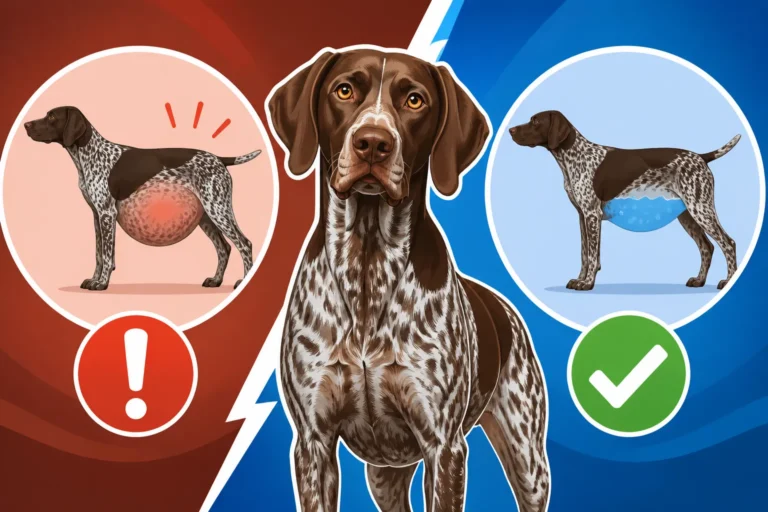
Nutrition also plays a significant role. A high-quality, performance-oriented diet provides the fuel your dog needs for sustained energy and recovery. Consider timing meals around hunts to ensure proper digestion and energy availability. Avoid feeding a large meal right before a strenuous hunt, as this can increase the risk of bloat. Many owners find value in understanding "Feeding a German Shorthaired Pointer Around a Hunt" to optimize performance and health. Additionally, especially on long, hard days in the field, supplementing their water with electrolytes can help replace vital minerals lost through sweat and panting, giving them that extra edge. This is why keeping "Electrolytes for a German Shorthaired Pointer in the Field" on hand can be a real game-changer.
Gear and Equipment
The right gear can make a world of difference for your GSP. In hot weather, cooling vests that you wet down can help keep their core temperature lower. While they don't solve the problem of extreme heat, they can offer a few degrees of relief. For cold weather, a well-fitting neoprene vest is practically essential. It provides crucial insulation, especially during water retrieves or when your dog is working in wet cover. Many owners find that knowing "What a Neoprene Vest Costs for a Shorthair" is a small price to pay for their dog's safety and comfort.
Protective boots or paw balms are invaluable for safeguarding their pads from rough terrain, ice, snow, or hot pavement. Get your dog accustomed to wearing boots well before the season starts. For more comprehensive insights, consider researching "Vests and Boots for a Hunting German Shorthaired Pointer". Having a first aid kit specifically for your dog, including wound care, pain relief, and emergency supplies, is also non-negotiable.
Recognizing and Responding to Distress Signals
Being able to spot the subtle (and not so subtle) signs of distress is crucial.
For Heatstroke:
- Excessive, frantic panting.
- Bright red or pale gums.
- Thick, ropy saliva and profuse drooling.
- Vomiting or diarrhea.
- Weakness, stumbling, or collapse.
- Rapid heartbeat.
- Glassy eyes.
If you suspect heatstroke, immediately move your dog to shade, offer small amounts of water, and apply cool (not icy) water to their belly, armpits, and groin. Use towels soaked in cool water. Get them to a vet immediately.
For Hypothermia:
- Shivering (can become extreme).
- Lethargy, weakness.
- Stiffness or uncoordinated movement.
- Pale gums.
- Cold to the touch (especially ears and paws).
- Shallow breathing.
If you suspect hypothermia, get your dog to a warm, dry place. Wrap them in blankets or warm towels. Offer warm broth or water if they can drink. Seek veterinary attention promptly. Emergency situations like these can be incredibly stressful, both emotionally and financially. This is where pet insurance providers like Healthy Paws can truly be a lifesaver, helping cover unexpected emergency veterinary costs when your dog needs immediate, critical care.
Age, Health, and Hunting Temperature Adjustments
A German Shorthaired Pointer's ability to handle temperature extremes isn't static; it changes throughout their life and can be significantly impacted by their overall health.
Hunting with Senior Shorthairs
As our beloved GSPs age, their physical capabilities naturally decline. They might still have the heart of a young dog, but their bodies often tell a different story. Senior dogs (generally considered around eight years and older for GSPs) have reduced stamina, less efficient thermoregulation, and may have underlying health issues that make them more vulnerable to both heat and cold.
For a senior Shorthair, a once-ideal temperature range might now be too extreme. They tire more easily, meaning they're less capable of generating heat in the cold or cooling themselves in the warmth. Their joints might be arthritic, making cold, damp conditions particularly painful. If you're wondering "The Age a German Shorthaired Pointer Slows in the Field", it often starts around 7-9 years, though individual variation is huge. Shorter hunts, in milder conditions, with plenty of breaks, become the new norm. It's about quality over quantity, savoring those precious moments afield. Many dedicated owners find ways of "Keeping a German Shorthaired Pointer Hunting Past Ten" by carefully managing their activity levels and selecting optimal conditions.
Impact of Health Conditions
Any pre-existing health condition can drastically affect your GSP's temperature tolerance. Dogs with heart conditions, such as "The Heart Murmur a German Shorthaired Pointer Puppy Can Carry" or more advanced cardiac disease, struggle to circulate blood efficiently, making both heat and cold more dangerous. Respiratory issues can impair their ability to pant effectively. Dogs with orthopedic problems like hip or elbow dysplasia might be less active, making them more susceptible to cold, or they might struggle to find comfortable positions to cool down.
Metabolic disorders, kidney disease, or even certain medications can alter a dog's ability to regulate its body temperature. If your GSP has any chronic health issues, a thorough discussion with your veterinarian is essential before taking them into the field, especially when temperatures are less than ideal. Your vet can provide tailored advice on safe activity levels and environmental limits. Again, having a robust pet insurance plan like those offered by Healthy Paws can provide immense peace of mind, covering the costs associated with managing ongoing health conditions that might impact your GSP's ability to hunt safely. Regular veterinary check-ups, aligned with "The Vet Schedule a Working Shorthair Should Keep", are crucial for monitoring these conditions.
Temperature Guidelines for German Shorthaired Pointers
This table provides a quick reference for general temperature guidelines, but always remember to observe your individual dog and factor in other environmental conditions like humidity, wind, and direct sunlight.
| Temperature Range | Activity Level & Precautions | Key Risks & Watch For | Essential Gear & Tips |
|---|---|---|---|
| Below 20°F (-6°C) | AVOID strenuous hunting. Short potty breaks only. | Hypothermia, frostbite (ears, paws), internal organ damage. | Insulated kennel/crate, warm bedding, warm water. |
| 20-30°F (-6°C to -1°C) | Very limited, short hunts. Focus on dry conditions, minimal water work. Frequent checks for cold stress. | Hypothermia, frostbite (paws, ears), stiff muscles, pad injuries. | Neoprene vest, paw balm/boots, frequent breaks, warm-up/cool-down. |
| 30-55°F (-1°C to 13°C) | IDEAL for moderate to strenuous hunting. Monitor for fatigue, provide water. | Minimal risks with proper conditioning and hydration. Keep an eye on paw pads. | Water, high-quality food, general field first aid kit. |
| 55-65°F (13°C to 18°C) | Moderate activity. Early morning/late evening hunts. Frequent water breaks, close monitoring. Avoid heavy cover. | Overheating, dehydration. | Extra water, cooling vest (optional), shorter sessions, light work. |
| Above 65°F (18°C) | AVOID strenuous hunting. If absolutely necessary, very short, low-intensity sessions in shaded, breezy conditions. HIGH RISK. | Severe heatstroke, rapid dehydration, organ failure, death. | DO NOT HUNT. Save it for another day. Consider light exercise only, in cool hours. |
Always prioritize your German Shorthaired Pointer's health and safety over the desire to hunt. The birds will always be there, but your cherished hunting partner deserves your utmost care and protection.
Disclaimer
The information provided in this article is for educational and informational purposes only, and does not constitute veterinary advice. Always consult with a qualified veterinarian for any health concerns or before making any decisions related to your pet's medical care or training regimen.