What a GPS Tracking Collar Costs a Shorthair Owner
There’s nothing quite like the heart-stopping moment when your German Shorthaired Pointer, full of boundless energy and drive, disappears into a thicket of cover or sprints off the trail, locked onto a scent. That sudden pit in your stomach, the frantic calls, the worry that grows with every silent second – it’s a universal fear for any Shorthair owner. We pour so much into these incredible dogs, from their training to their health, and the thought of them getting truly lost is enough to make anyone anxious. This guide is here to walk you through the real costs and considerations behind investing in a GPS tracking collar, helping you bring a little more peace of mind to your adventures together.
Why a GPS Tracking Collar Isn't Just a "Nice to Have" for Your Shorthair
Let's be honest, German Shorthaired Pointers are magnificent athletes with an insatiable desire to hunt and explore. Their noses are legendary, and their prey drive is a force of nature. While these traits make them unparalleled partners in the field, they also mean your Shorthair can cover an incredible amount of ground in a blink, often disregarding your frantic calls when a hot scent takes over. It’s not disobedience; it's instinct. A GPS tracking collar isn't about controlling them, but about knowing where they are when those powerful instincts kick in. It's an indispensable tool for safety and peace of mind.
Imagine this scenario: you're out pheasant hunting in wide-open country, and your German Shorthaired Pointer, a blur of liver and white, locks onto a running bird. They're off like a rocket, disappearing over a rise. You call, you whistle, but the wind is up, or they're just too focused. Without a tracking collar, you're left to guess, to backtrack, to experience that gnawing panic. With a GPS collar, you can pull out your device or phone, see their exact location, and calmly make your way to them. This isn't just about convenience; it's about minimizing the risk of a lost dog, preventing exposure to dangers like roads, predators, or getting tangled in fences, and dramatically reducing the stress for both you and your loyal companion. For owners whose dogs are prone to self-hunting (see A German Shorthaired Pointer That Self Hunts) or those in areas with tricky terrain, it’s truly invaluable.
The Inherent Wanderlust of a German Shorthaired Pointer
Shorthairs were bred for versatility and endurance, covering vast tracts of land, pointing, and retrieving. This heritage is hardwired into them. They aren't dogs content to stick to a tight heel in the field; they need to range, to cast, to cover ground. This natural inclination to explore, coupled with their incredible speed and stamina, means they can quickly put miles between themselves and their handler. This isn't a fault; it's simply who they are.
This inherent wanderlust makes them uniquely susceptible to getting temporarily out of sight or range, particularly in heavy cover, dense woods, or unfamiliar territory. A GPS tracking collar acts as an invisible tether, allowing them the freedom to express their natural behaviors while providing you with the ultimate safety net. It respects their drive while ensuring you can always locate them, whether they've found a bird or simply veered off course following an irresistible scent.
Mitigating Risks Beyond Just Getting Lost
Beyond the simple act of disappearing, a German Shorthaired Pointer out of sight is a Shorthair potentially exposed to a multitude of dangers. From accidental encounters with wildlife to the very real threat of traffic, or even falling into unexpected hazards like old wells or deep ditches, the risks are significant. During hunting season, there's the added concern of other hunters or equipment.
A GPS tracking collar allows you to react swiftly if your dog gets into trouble. If you see them stopped in one place for an unusual amount of time, or moving erratically, you know something might be wrong. This immediate awareness can be the difference between a minor scare and a devastating outcome. The ability to quickly pinpoint their location can be crucial in emergencies, especially if your dog sustains Field Injuries a Hunting German Shorthaired Pointer Comes Home With or shows signs of distress that require rapid intervention, like those associated with The Bloat Risk a Shorthair Carries Into Every Season. Speed matters when your dog's well-being is on the line.
Breaking Down the Initial Costs of GPS Tracking Collars
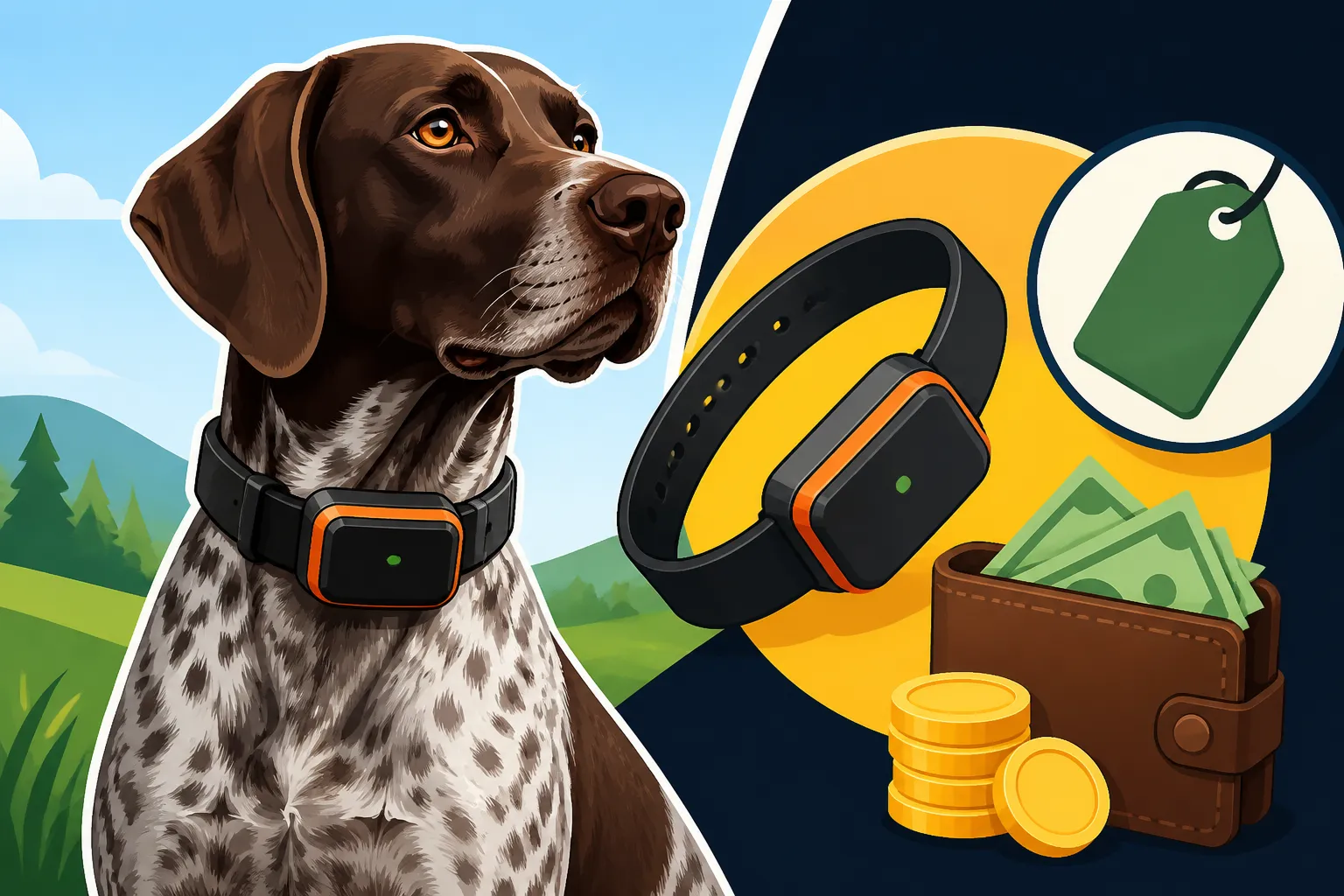
When you start looking at GPS tracking collars, the first thing you'll notice is the upfront cost of the device itself. This isn't a simple collar; it's a piece of sophisticated technology, designed to withstand the rigors of a German Shorthaired Pointer's active life. The price can vary significantly based on the brand, features, durability, and the type of tracking technology it employs. It's an investment, plain and simple, and one that requires careful consideration.
Think of it like buying a specialized tool for a hobby or profession. You wouldn't skimp on a critical piece of equipment if it meant the success or safety of your endeavors. For many Shorthair owners, this device falls squarely into that category. You're not just buying a gadget; you're buying assurance. The market offers a range of options, from more basic, app-based trackers to robust, professional-grade handheld units with advanced mapping capabilities.
Device Purchase Prices: What to Expect Upfront
The initial outlay for a GPS tracking collar for your German Shorthaired Pointer typically falls into a few broad categories. At the lower end, you might find more compact, app-based trackers designed primarily for general pet safety and smaller roaming areas. These often connect to your smartphone and rely on cellular networks for location data. They're great for neighborhood walks, trips to the dog park, or if your Shorthair has a tendency to sneak out of the yard. You might find several options available on pet supply sites like Chewy.
For serious hunters or those with dogs that range extensively in remote areas, the investment significantly increases. High-end systems often include a dedicated handheld receiver, allowing you to track multiple dogs without needing a cell signal, using satellite communication or powerful radio frequency (RF) technology combined with GPS. These systems are built tough, with durable casings, long-lasting batteries, and advanced mapping features, justifying their higher price point. They're engineered to withstand brush, water, and the inevitable bumps and scrapes a hard-running Shorthair will put them through.
Features That Drive Up the Price Tag
So, what makes some GPS tracking collars more expensive than others? It often boils down to a combination of tracking technology, mapping capabilities, and durability. Collars that rely solely on cellular service tend to be less expensive upfront, but their utility diminishes rapidly outside of populated areas where cell towers are scarce – a common problem for hunters.
More robust systems, often favored by serious German Shorthaired Pointer enthusiasts and professionals, integrate satellite tracking or powerful RF signals that don't depend on cell towers. These collars provide reliable tracking even in the most remote wilderness. Beyond just location, higher-priced models might offer real-time tracking updates every few seconds, geo-fencing alerts, activity monitoring, and even bark detection. Some units include pre-loaded topographic maps, while others allow for custom map downloads, giving you a detailed view of the terrain your Shorthair is covering. The ruggedness of the device, its water resistance rating, and the battery life also play a significant role in its cost. A collar meant to survive repeated dives into icy ponds or thorny thickets will naturally command a higher price than one designed for suburban strolls.
Understanding the Ongoing Subscription Fees for Shorthair GPS Trackers
Just like your smartphone or streaming services, most GPS tracking collars come with ongoing subscription fees. This is a critical part of the cost calculation that many new owners overlook. That initial purchase price is just the first step; you'll need to factor in the monthly or annual service charges to keep your collar operational. These fees cover the cost of data transmission, access to mapping services, and often, customer support.
It’s important to understand what these subscriptions entail, as they vary widely depending on the type of collar and the level of service you choose. Some are straightforward, offering basic tracking, while others bundle in advanced features like detailed health reports or international tracking capabilities. These recurring costs are an integral part of ensuring your device can actually do its job when you need it most, whether your German Shorthaired Pointer is simply exploring the backyard or ranging far afield during a hunt.
The Real Cost of Connectivity: Cellular vs. Satellite Plans
The core of most GPS tracking collar subscriptions is the connectivity. For collars that rely on cellular networks, the subscription fee essentially pays for the data plan that transmits your dog's location data to your phone or a web portal. These plans are generally more affordable than satellite options, but their reliability is directly tied to the availability of cell service. If you live or hunt in an area with spotty coverage, a cellular-only collar might leave you in the lurch.
Satellite-based tracking systems, or those that combine GPS with RF technology (like some professional hunting dog systems), have higher subscription costs. This is because they use more expensive infrastructure for communication. However, the trade-off is often guaranteed coverage, even in the most remote wilderness where cell towers are non-existent. For a German Shorthaired Pointer owner whose dog spends significant time exploring vast, wild landscapes, this increased reliability is often worth the premium. When considering The Vet Bills a Hunting German Shorthaired Pointer Earns, the cost of a robust tracking plan suddenly seems like a very reasonable preventative measure.
Tiered Plans and What They Offer
Many GPS tracking collar providers offer tiered subscription plans, allowing you to choose a level of service that matches your needs and budget. A basic plan might include real-time location tracking and activity monitoring. A mid-tier plan could add features like geo-fencing (alerts when your dog enters or leaves a predefined area), longer battery life optimization, or more frequent location updates.
The highest tiers often come with premium features such as access to advanced mapping, historical location data, family sharing options (so multiple people can track the dog), and sometimes even international tracking. It’s crucial to evaluate these tiers carefully. Don't pay for features you won't use, but also don't skimp on a critical safety feature that your German Shorthaired Pointer's adventures truly demand. For a dog that might wander far from home, whether accidentally or while on the trail of a strong scent, investing in a comprehensive plan can provide significant peace of mind. Some owners even consider bundling these costs into their overall pet care budget, alongside things like quality food from brands like Ollie or preventative health measures.
Beyond the Basics: Accessories and Hidden Costs to Consider
When budgeting for a GPS tracking collar for your German Shorthaired Pointer, it's easy to focus solely on the device itself and its subscription. However, there are often additional accessories and unforeseen costs that can creep up, especially if your Shorthair is a serious field dog. These aren't necessarily "hidden" in a deceptive way, but rather things you might not think about until you've been using the system for a while. Planning for these can prevent unwelcome surprises down the road and ensure your tracking system remains fully functional for the long haul.
Consider the wear and tear a high-energy German Shorthaired Pointer puts on everything they own. From running through dense cover to swimming in ponds, their gear takes a beating. Factor in potential replacements, upgrades, and maintenance to get a truly realistic picture of the ongoing investment.
Replacement Parts and Upgrades
Even the most rugged GPS tracking collars aren't invincible, especially when subjected to the rigors of a German Shorthaired Pointer's life. Collars can get chewed, batteries can lose their charge over time, and antennas can get snagged and broken. Thinking ahead about replacement parts is wise. Many manufacturers offer replacement straps, charging cables, or even new battery packs.
For high-end hunting dog systems, you might consider investing in extra batteries to swap out during a long day in the field, ensuring continuous tracking. If your Shorthair is particularly hard on gear, you might find yourself replacing components more often than anticipated. Sometimes, you might even want to upgrade the software on your handheld unit or purchase new, more detailed mapping packages, which can incur additional fees. These aren't just one-off costs; they're part of maintaining a reliable tracking system. It’s also important to consider if your dog somehow manages to lose the entire receiver unit itself; in that case, the cost of Replacing the Receiver a Shorthair Lost in the Field can be substantial.
Protective Gear and Other Investments
Beyond the collar itself, you might find other pieces of protective gear or complementary investments beneficial. A durable, waterproof protective case for your handheld tracking device is often a wise purchase, shielding it from drops, dirt, and water damage. If your German Shorthaired Pointer frequently navigates dense brush, you might also consider a more robust, specialized collar strap designed to resist tearing, or even a protective cover for the tracking unit itself to prevent scratches and impacts.
For hunting dogs, a good chest protector or vest can not only offer protection from thorns and briars but also provide an extra layer of security for the tracking device if it's mounted in a specific way. These aren't strictly necessary for every owner, but for those whose Shorthairs are consistently pushing boundaries in challenging environments, they can extend the life of your expensive tracking equipment. Much like buying Boots for a Shorthair on Rough Ground to protect their paws, these additional items protect your investment and your dog.
Choosing the Right GPS Tracking Collar for Your German Shorthaired Pointer's Needs
Deciding on the right GPS tracking collar isn't a one-size-fits-all situation for German Shorthaired Pointer owners. Your choice should be heavily influenced by how your Shorthair spends its time, the environments you frequent, and your personal comfort level with technology. A pet owner whose Shorthair mainly enjoys walks in a fenced park will have very different needs than a dedicated hunter whose dog is traversing miles of rugged wilderness. Understanding these differences is key to making an informed and cost-effective decision.
Don't just jump for the cheapest option or the most expensive without due diligence. What works for a sedentary lapdog certainly won't cut it for a high-drive, fast-moving Shorthair. Conversely, if your needs are simple, there's no reason to overspend on features you'll never utilize. This decision requires a bit of introspection about your dog's lifestyle and your own expectations for the device.
Assessing Your Shorthair's Lifestyle and Environment
The first step in choosing a GPS tracking collar is to honestly assess your German Shorthaired Pointer's typical activities and the environments you frequent.
- Backyard Explorer / Casual Walker: If your Shorthair mainly stays in your yard and enjoys on-leash walks or visits to local dog parks, a basic, app-based cellular tracker might be perfectly adequate. These are generally less expensive upfront and have lower monthly fees. They’re great for peace of mind if your dog ever slips their leash or digs out of the yard.
- Active Family Dog / Hiker: For Shorthairs that regularly go on longer hikes, camping trips, or off-leash adventures in areas with reliable cell service, a slightly more robust cellular tracker with better battery life and perhaps geo-fencing capabilities would be a good fit.
- Dedicated Hunting Dog / Backcountry Adventurer: This is where the serious investment comes in. For a German Shorthaired Pointer that regularly hunts or explores vast, remote, or heavily wooded areas, a dedicated handheld GPS tracking system with satellite or powerful RF capabilities is almost essential. These systems excel where cellular service fails and offer the precision and range needed to track a dog that can cover incredible distances. For dogs that sometimes ignore Recall on a German Shorthaired Pointer That Is Locked On, these devices become your ultimate failsafe.
Consider also the weather conditions you'll be using it in. Is it truly waterproof, or just water-resistant? Will the battery hold up in cold weather? These practical considerations are crucial for a breed that thrives outdoors in all seasons.
Key Features to Prioritize
Once you understand your needs, you can prioritize features.
- Tracking Range and Accuracy: For urban or suburban use, a range of a few miles is usually fine. For hunting, you need a system that can track your German Shorthaired Pointer over multiple miles, even beyond your line of sight. Accuracy (often measured in feet or meters) is also important – knowing your dog is within 10 feet is much more helpful than knowing they’re within 100 feet when you’re trying to locate them in dense cover.
- Battery Life: This is critical for any active Shorthair. Look for collars with extended battery life, especially if you plan on long days afield or multi-day trips. Some devices offer power-saving modes, but they might reduce tracking frequency. An extra battery pack for your handheld receiver, or a portable charger for app-based collars, can be a lifesaver.
- Durability and Water Resistance: Your Shorthair will put its collar through the wringer. It needs to be rugged, resistant to impacts, and genuinely waterproof (not just splash-proof). Look for IP ratings (e.g., IPX7 for immersion up to 1 meter for 30 minutes) to understand its water capabilities.
- Mapping and Interface: Do you prefer a dedicated handheld unit with pre-loaded maps, or are you comfortable using a smartphone app? Some apps integrate with popular mapping services, while others have their own proprietary maps. Consider how easy it is to read the map in bright sunlight or quickly navigate the interface when you’re in a hurry.
- Multi-Dog Tracking: If you run multiple German Shorthaired Pointers, ensure the system can track all of them simultaneously from a single device or app. This usually means purchasing additional collars but managing them all from one interface.
Maximizing the Value and Lifespan of Your Shorthair's Tracking Investment
Investing in a GPS tracking collar for your German Shorthaired Pointer is a significant financial commitment, but it's one that can pay dividends in safety and peace of mind. To truly get the most out of your investment and ensure its longevity, it's not enough to simply buy the device and pay the subscription. Proper care, maintenance, and regular practice are essential. Think of it as a piece of vital outdoor equipment that needs attention and respect, just like your hunting shotgun or your best pair of hiking boots.
By taking proactive steps, you can extend the life of your tracking system, minimize unexpected replacement costs, and ensure it's always ready to perform when your adventurous Shorthair needs it most. This approach helps to justify the initial outlay and ongoing fees by ensuring maximum utility and reliability.
Regular Maintenance and Care Tips
Just like any electronic device, your GPS tracking collar benefits from regular care. After every outing, especially if your German Shorthaired Pointer has been in wet, muddy, or dusty conditions, take the time to clean the collar and tracking unit. Use a damp cloth to wipe away dirt and debris, paying close attention to charging ports and buttons, ensuring they are free of mud or grit that could hinder function.
Always ensure the collar is thoroughly dry before recharging, especially if it’s been submerged. Check the strap for any signs of fraying, cuts, or excessive wear that could lead to it breaking in the field. Inspect the antenna for damage and make sure all seals are intact to maintain water resistance. Store the device in a cool, dry place, and keep it charged, even during the off-season. Most devices benefit from periodic full charge/discharge cycles to maintain battery health. These small efforts can significantly prolong the operational life of your expensive equipment.
Practice Makes Perfect: Familiarity with Your System
Having the best GPS tracking collar means nothing if you don't know how to use it effectively, especially when adrenaline is high and your German Shorthaired Pointer is out of sight. Make a habit of practicing with your device in non-stressful situations. Take your Shorthair out for a walk or a training session with the collar on and actively track them. Familiarize yourself with all the features: how to read the map, how to get direction cues, how to set geo-fences, and how to interpret different alerts.
Practice retrieving your dog using the tracking information. This isn't just about finding them; it's about building your confidence in the system. The more comfortable you are with the technology, the faster and more efficiently you can react in a real emergency. This practice also helps you understand the limitations of your specific device, such as potential signal drops in certain terrains or how The Temperature a German Shorthaired Pointer Should Not Hunt In might affect battery performance. Investing time in learning the system thoroughly enhances its value tenfold. It’s an investment in your peace of mind that complements your dedication to Checking a German Shorthaired Pointer Over After a Hunt after every adventure.
Understanding the Financial Commitment to Your German Shorthaired Pointer's Safety
Owning a German Shorthaired Pointer is an incredible journey filled with adventure, companionship, and, yes, a certain financial commitment. A GPS tracking collar is a prime example of an investment that, while not insignificant, directly contributes to your dog's safety and your peace of mind. It’s a tool that can prevent heartache and potentially save you from much larger costs down the road, such as those associated with Emergency Fees for a Shorthair Cut Open in the Field or extensive search parties for a lost dog.
From the initial device purchase to ongoing subscription fees and potential accessories, the total cost can vary significantly based on the features you need and the environments you and your Shorthair explore. By taking the time to research, choose wisely, and maintain your equipment, you're not just buying a gadget; you're investing in a critical safety net for your adventurous companion. Ultimately, knowing you can always locate your beloved German Shorthaired Pointer, no matter how far their nose takes them, is a priceless reassurance for any dedicated owner.
| Cost Category | Typical Range (Illustrative) | Key Considerations |
|---|---|---|
| Device Purchase | Moderate to Substantial | App-based (cellular) vs. Handheld (satellite/RF). Durability, water resistance, battery life, advanced features (mapping, multi-dog). Brands like Garmin and SportDOG often dominate the higher end for hunting-specific models. |
| Subscription Fees | Minor to Moderate (Recurring) | Monthly or Annual plans. Cellular plans are generally lower but limited by coverage. Satellite/RF plans are higher but offer broader, more reliable coverage. Tiered options for features. |
| Accessories | Minor (As needed) | Extra batteries, protective cases for handheld units, durable collar straps, charging cables. |
| Replacement Parts | Minor to Moderate (As needed) | Replacement straps, antennas, or battery packs due to wear and tear. Cost of Replacing the Receiver a Shorthair Lost in the Field can be significant. |
| Total Investment | Significant over time | Evaluate your Shorthair's lifestyle. A basic tracker for neighborhood use will be far less than a professional hunting system. Consider this part of the overall cost of owning a GSP, alongside quality food and preventative vet care. |
Disclaimer
This article is for general informational purposes only and does not constitute professional advice. Laws, prices and regulations vary by location and change over time. Consult a qualified professional for guidance on your specific situation.