What a Second Shorthair Actually Adds Per Month
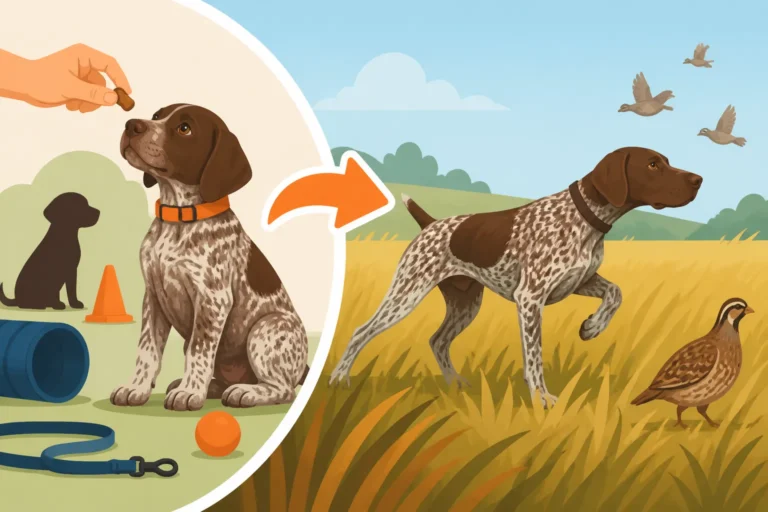
Bringing one German Shorthaired Pointer into your home is a monumental commitment, a whirlwind of energy, intelligence, and boundless affection. You've likely experienced the joy and challenges firsthand – the intense exercise needs, the constant companionship, the way they burrow into your life. So, when the thought of adding a second GSP crosses your mind, it’s completely natural to pause and wonder: what does that actually mean for your monthly budget and daily routine? This guide is here to break down the real financial implications and lifestyle shifts you can expect when welcoming another spirited GSP into your pack.
The Initial Outlay: More Than Just Another Puppy Price Tag
It's tempting to think of a second dog as just "one more of everything," but the initial investment often involves more than a simple doubling. Beyond the actual cost of the dog itself, you're looking at a whole new round of one-time expenses that can add up quickly, setting the stage for your ongoing monthly commitments.
Double the Adoption or Purchase Cost
Whether you're looking for a purebred puppy from a reputable breeder or hoping to give a deserving rescue a second chance, the cost of acquiring your second German Shorthaired Pointer is, of course, a significant upfront expense. If you're going the breeder route, you're looking at the full price tag again, and that can vary widely depending on the region, the breeder's reputation, and the lineage of the pups. A well-bred GSP from health-tested parents often commands a higher price, reflecting the breeder's investment in health, temperament, and proper early socialization. You can learn more about The Six Hundred to Fifteen Hundred Range on Shorthair Puppies in other resources.
On the other hand, adopting a GSP from a rescue organization often involves an adoption fee that covers some of the costs for spaying/neutering, initial vaccinations, and microchipping. While usually less than a breeder's price, it's still a substantial sum that needs to be factored in. Remember, these organizations often rely on these fees to continue their vital work, helping dogs like Where Rehomed German Shorthaired Pointers Come From. Regardless of where your new GSP comes from, this foundational cost immediately doubles your initial financial commitment to your canine family.
Initial Vet Visits and Supplies, Twice Over
Once you bring that wiggly, adorable bundle of GSP energy home, the clock starts ticking on a new set of essential services and supplies. Your new addition will need a comprehensive veterinary check-up right away, which includes deworming, fecal checks, and setting up their vaccination schedule. If they came from a rescue, some of this might be done, but a new vet visit is always prudent. This first visit is crucial not only for the new pup's health but also to ensure they aren't bringing any unexpected parasites or illnesses into your existing dog's environment.
Beyond the initial vet bills, think about the practical items. You'll need another appropriately sized crate or dog bed – remember, GSPs grow quickly, so you might be sizing up more than once during their first year. You'll also need a second set of food and water bowls, especially if your dogs are prone to eating at different paces or guarding resources. Don't forget new collars, leashes, and a fresh batch of durable chew toys to keep those powerful GSP jaws busy. These aren't just "nice-to-haves"; they are necessities for integrating a second dog safely and comfortably into your home.
Everyday Expenses: Doubling Down on the Essentials
The true test of a multi-GSP household budget comes with the ongoing, everyday expenses. These are the costs that hit your wallet month after month, and with two high-energy, intelligent German Shorthaired Pointers, they can add up faster than you might expect.
Food and Supplements
Anyone who has lived with a German Shorthaired Pointer knows they are not dainty eaters. Their high metabolism and intense activity levels demand high-quality, calorie-dense food. With a second GSP, your food bill will essentially double, and potentially more if your dogs have different dietary needs or preferences. Imagine going through a 30-pound bag of premium kibble in half the time, or needing to order fresh food from services like Ollie twice as often. This consistent, significant expense is often the largest single monthly cost for a GSP owner.
Beyond just the kibble, many active GSPs benefit from supplements, especially as they age or if they're working hard in the field. Joint supplements, fish oil for a healthy coat, or even special probiotics for digestive health can become a regular purchase. Brands like Chewy make it easy to get bulk orders delivered, but the cost itself is still there. Monitoring their weight and adjusting their diet, especially for Feeding a German Shorthaired Pointer That Runs All Day or if one is prone to Weight Gain That Points at a Shorthair's Thyroid, becomes a double duty. These aren't minor expenses; they are critical for maintaining the health and vigor of two energetic dogs.
Routine Veterinary Care and Prevention
Even the healthiest German Shorthaired Pointers need regular vet care. Annual check-ups, vaccinations, and routine preventative medications are non-negotiable for keeping your dogs healthy. With two GSPs, you're essentially looking at two sets of these expenses every year. This means double the cost for heartworm prevention, double for flea and tick medications, and double for those annual wellness exams. It's a foundational expense that simply doubles when you add another dog.
Consider the potential for minor ailments, too. Ear infections, especially for a Shorthair's Ear Infection That Returns Every Duck Season, or minor cuts and scrapes from an adventurous romp can mean two trips to the vet instead of one, and two courses of medication. While these might not be monthly, budgeting for regular vet visits for two dogs helps mitigate the impact of unexpected illness or injury. Keeping both dogs on a consistent preventative schedule is key to avoiding more serious, and expensive, health issues down the line.
Training, Socialization, and Exercise
German Shorthaired Pointers are incredibly intelligent and eager to please, but their high energy and strong prey drive mean that consistent training and socialization are absolutely vital, especially in their early years. When you bring a second GSP into the mix, you’re not just training one dog; you’re managing two distinct personalities and teaching them how to coexist and interact appropriately. Even if your first GSP is perfectly behaved, a new puppy will need dedicated, one-on-one training time, which can involve professional puppy classes or private sessions. This can be a considerable monthly or per-course investment.
Beyond formal training, the sheer volume of exercise required for two GSPs can significantly impact your schedule and potentially your wallet. Two German Shorthaired Pointers need The Two Hours a Day a German Shorthaired Pointer Needs of vigorous exercise, minimum. This might mean longer runs, more frequent trips to secure dog parks, or even enrolling them in doggy daycare to burn off steam, especially if you work long hours. If you opt for professional dog walkers or specialized training like bird work, those costs will naturally apply to both dogs, essentially doubling your investment in their mental and physical well-being. Proper exercise and continued training help prevent behavioral issues, ensuring both dogs are happy and well-adjusted members of your family.
The Unforeseen and the "Nice-to-Haves": Beyond Basic Needs
While food and routine vet care are predictable, there are other categories where a second GSP can significantly increase your monthly or annual spend. These range from crucial safety nets like pet insurance to lifestyle choices like boarding and specialized gear.
Pet Insurance Premiums
One of the most valuable investments you can make for any German Shorthaired Pointer is pet insurance, and this becomes even more critical when you have two. GSPs are active, adventurous dogs, which unfortunately means they can be prone to injuries like Torn Cruciates in a Field Bred German Shorthaired Pointer or ingesting foreign objects like Foxtails and Grass Awns in a Hunting Shorthair. When you have two of them, the statistical probability of one needing unexpected veterinary care effectively doubles.
Monthly insurance premiums are typically per-animal, so having a second GSP means doubling this expense. While it's an added cost each month, many owners find the peace of mind invaluable when faced with a sudden illness or accident. Companies like Healthy Paws offer various plans that can help cover a significant portion of unexpected vet bills, preventing you from having to make difficult financial decisions during a stressful time. It’s important to research what a policy covers for a breed as active as a Shorthair and ensure you understand deductibles and reimbursement rates. This isn't just a "nice-to-have"; it's a crucial part of responsible ownership for two high-energy dogs.
Boarding, Daycare, and Travel
Life happens, and sometimes you need to travel without your dogs. Finding reliable care for one high-energy GSP can already be a challenge; finding it for two often doubles the cost. Most boarding kennels, pet sitters, and doggy daycare facilities charge per animal, so if you're accustomed to paying a certain rate for one, expect that to double for two. This can quickly add up for even a weekend trip, turning a short getaway into a significant expense.
If you enjoy traveling with your dogs, consider the logistics and costs involved for two. Airline pet fees are per animal, and securing safe, crash-rated crates for two large GSPs for car travel requires more space and a larger initial investment. Even things like finding pet-friendly accommodations might involve higher fees for two dogs. Planning for these occasional, but often necessary, expenses is crucial when you have a multi-dog household.
Gear and Replacements
Your first German Shorthaired Pointer likely has a collection of gear: collars, leashes, beds, toys, and perhaps specialized hunting equipment like a GPS tracking collar or a neoprene vest. With a second GSP, you'll need duplicates of many of these items. Beds will wear out faster, toys will be destroyed at double the rate, and collars might get lost or broken in spirited play. While some items, like a communal water dish, might not require an exact duplicate, most personal items will.
For those who hunt with their GSPs, the gear costs can be even higher. A second GPS collar, an extra e-collar, or another set of Vests and Boots for a Hunting German Shorthaired Pointer will be necessary. These specialized items are an investment and add to the overall monthly or seasonal budget. Even seemingly small things, like dental chews or grooming supplies, will be consumed twice as fast, creating a steady stream of smaller, but cumulative, expenses.
Bringing a second German Shorthaired Pointer into your life is a wonderful, enriching experience, but it's essential to go into it with open eyes and a clear understanding of the financial commitment involved. From doubling your food bill and routine vet care to higher pet insurance premiums and increased costs for boarding or training, the expenses add up. While the love, companionship, and endless entertainment they provide are priceless, the reality is that two GSPs mean a significantly larger financial footprint than one. Budget wisely, plan proactively, and you'll be well-prepared to enjoy the boundless joy of a two-GSP household.
Here's a look at how some common monthly expenses might compare for one versus two German Shorthaired Pointers:
| Expense Category | Monthly Estimate (One GSP) | Monthly Estimate (Two GSPs) | Notes |
|---|---|---|---|
| High-Quality Food | Moderate to High | Significantly Higher | GSPs eat a lot due to high energy; two will consume double the amount. Check specific brand pricing, e.g., for Ollie or kibble. |
| Routine Preventative Vet | Low to Moderate | Moderate to High | Heartworm, flea/tick medication, routine check-ups are per dog. |
| Pet Insurance Premiums | Moderate | High | Premiums are per dog. Research providers like Healthy Paws for current rates. |
| Training & Classes | Variable | Variable, often Higher | Initial puppy classes will double. Ongoing training or specialty work is per dog. |
| Treats & Chews | Moderate | Significantly Higher | Two active chewers will go through treats and durable chews quickly. |
| Toys & Gear Replacement | Low to Moderate | Moderate | Beds, collars, leashes, and toys wear out faster with two. |
| Grooming Supplies | Low | Low | Basic bathing/brushing tools aren't usually doubled, but shampoo consumption increases. |
| Boarding/Daycare | Variable | Significantly Higher | Most services charge per dog. |
| Unexpected Vet Bills | Variable | Higher Probability | Though insurance helps, the chance of an emergency increases with two dogs. |
Disclaimer
This article is for general informational purposes only and does not constitute professional advice. Laws, prices and regulations vary by location and change over time. Consult a qualified professional for guidance on your specific situation.