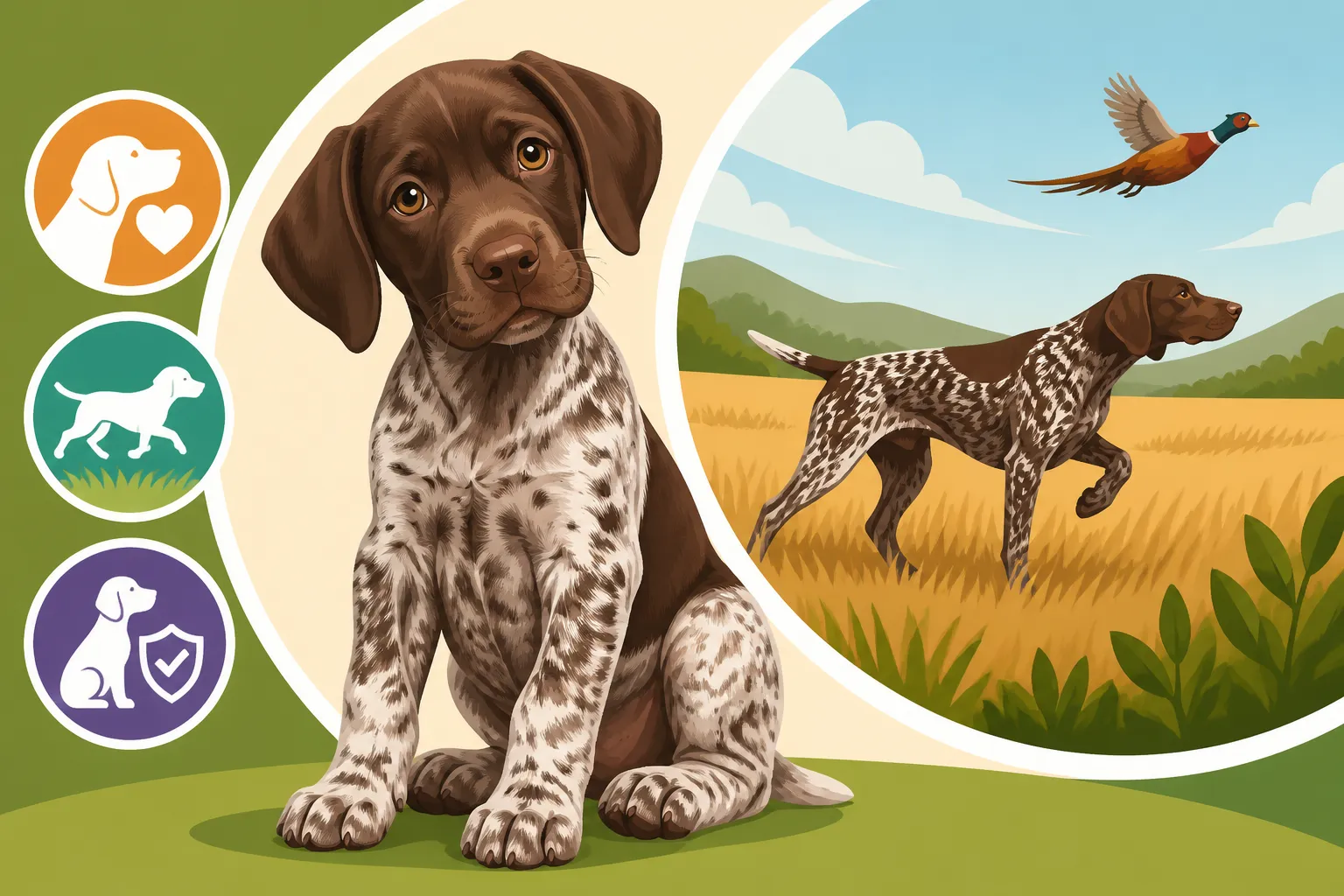
Raising a Shorthair Puppy Toward Its First Season
Bringing home a German Shorthaired Pointer puppy is an exhilarating experience, filled with dreams of crisp autumn mornings and perfectly executed points. But let's be honest, those first few months can also feel like a whirlwind of boundless energy, nipping, and seemingly endless demands. Many new owners feel overwhelmed trying to channel that incredible drive into a well-mannered family member and a future hunting partner. This comprehensive guide will walk you through the essential steps and realistic expectations for raising your Shorthair puppy, laying a solid foundation for their first hunting season and a lifetime of partnership.
Understanding the German Shorthaired Pointer Puppy's Drive
German Shorthaired Pointers aren't just dogs; they're finely tuned athletes and intelligent problem-solvers, bred for centuries to perform specific tasks. When you bring one home, you're not just getting a cute, floppy-eared furball; you're getting a genetic powerhouse with an inherent need to work. Understanding this innate drive is the first step in successfully navigating their puppyhood.
Early Instincts and Energy Levels
From the moment they arrive, a GSP puppy will demonstrate an almost unbelievable level of energy. This isn't naughtiness; it's instinct. They're wired to run, explore, sniff, and interact with their world with incredible intensity. You'll see it in the way they launch themselves across the room, the relentless nipping (their way of exploring and demanding attention), and the insatiable curiosity that leads them to investigate every nook and cranny. This isn't a breed that’s content to be a couch potato, even as a tiny pup. They often develop a strong scenting drive early, sometimes pointing at butterflies, leaves, or even dust bunnies. This is a sign of their incredible potential, but it also means you need to be ready to channel that drive positively. Ignoring it or trying to suppress it will only lead to frustration for both of you, often manifesting as destructive behaviors or anxiety.
The Importance of Early Socialization
Proper socialization is absolutely critical for a German Shorthaired Pointer, not just for polite house manners, but especially for their future success and confidence in the field. A well-socialized GSP is more likely to handle novel environments, loud noises, strange people, and other dogs with calm assurance rather than fear or aggression. Think about the diverse situations a hunting dog might encounter: bustling parking lots before a hunt, crowded training grounds, unfamiliar terrain, sudden gunshots, and interactions with other hunting dogs. A puppy who hasn't been exposed to these things in a positive way can become timid, reactive, or shut down, which can ruin their potential as a working dog and make them a difficult pet. Take your puppy on short, positive outings to various places – quiet parks, pet-friendly stores, friends' houses. Introduce them to a variety of safe, vaccinated dogs and different types of people. Remember, it's about quality exposure, not quantity. One positive, controlled interaction is worth a dozen overwhelming ones. You can find harnesses, leashes, and travel crates on platforms like Amazon that make these early adventures safer and more comfortable.
Foundation of Trust and Relationship Building
Beyond simply training commands, building a deep bond of trust and mutual respect is paramount with a German Shorthaired Pointer. These dogs thrive on partnership and look to their human for guidance and leadership, especially when working in high-stimulus environments. A GSP that trusts you implicitly will be more likely to respond reliably to commands when its prey drive is in full swing, or when a sudden shot rings out. This trust isn't built through force or intimidation; it's forged through consistent, fair training, positive reinforcement, clear communication, and spending quality time together. Regular grooming, gentle play, consistent feeding routines, and simply being a reliable presence in their life all contribute to this bond. When your puppy sees you as a predictable, benevolent leader, they are far more likely to defer to your direction when it matters most, whether it's holding a point or recalling away from a tempting scent.
Essential Puppy Training for the Field
Every successful hunting dog starts with a solid foundation in basic obedience. These aren't just "nice-to-haves" for a well-behaved pet; they are vital safety commands and control mechanisms that will be used constantly in the field.
Basic Obedience: The Non-Negotiables
Before you even think about birds or guns, your GSP puppy needs to master the absolute basics. "Sit," "stay," "come," and polite leash manners are the bedrock of all future training. Imagine your Shorthair locked on point at the edge of a busy road – a reliable "come" isn't just convenient, it's life-saving. A solid "stay" can prevent a disaster if you need them to hold position while you retrieve equipment or navigate an obstacle. Start these commands early, in short, frequent sessions (5-10 minutes, several times a day) in low-distraction environments, then gradually increase the distractions. Use high-value treats and enthusiastic praise to make learning fun and rewarding. Don't be afraid to enroll in puppy classes, which provide excellent structured learning, socialization opportunities, and help you, the owner, learn how to communicate effectively. Puppy Classes Before a Shorthair Starts Field Work will set you and your puppy on the right path.
Introducing "Whoa" from the Start
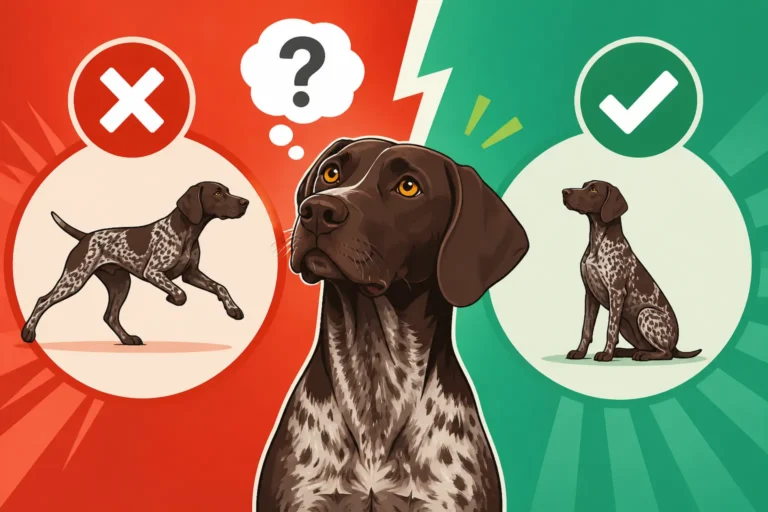
"Whoa" is perhaps the single most important command for a pointing breed like the German Shorthaired Pointer. It's not just a "stay"; it's a command to freeze in place, often while maintaining a specific body posture, usually in the presence of bird scent. Begin teaching "whoa" long before birds are involved. Many trainers start with a simple "whoa post" or a barrel, placing the puppy on it and gently asking for "whoa" while preventing movement. The goal is to teach the puppy that "whoa" means absolute immobility until released. This early, controlled introduction builds muscle memory and mental understanding without the overwhelming distraction of live game. Use a check cord for control, gently guiding them back into position if they break the command. Consistency is far more important than speed at this stage. You want this command to be automatic, a reflex that will kick in even when their instincts are screaming otherwise. For more on this, consider exploring resources on The Age a Shorthair Puppy Starts Whoa.
Leash Training and Off-Leash Prep
A German Shorthaired Pointer on a leash can be a force of nature if not properly trained. Their powerful drive to explore and pull towards every scent can make walks a struggle. Start leash training early, associating the collar and leash with positive experiences. Don't just clip it on and drag them; let them wear it for short periods inside, making it part of their normal attire. Then, introduce gentle pressure and release, rewarding steps taken on a loose leash. Once they're comfortable walking politely on a leash, you can begin preparing for off-leash work. This isn't about letting them run wild; it's about building an incredibly strong recall in controlled, safe environments. Start in a fenced yard, gradually increasing the distractions. Play games that encourage them to come back to you. Use a long line (a very long leash) to give them the illusion of freedom while you still maintain control, practicing recall frequently. The goal is for your GSP to choose to come back to you, even when there are fascinating smells or sights in the distance.
Nuances of Bird and Gun Introduction
Introducing a German Shorthaired Pointer to birds and gunfire requires immense patience, careful timing, and a deep understanding of their innate sensitivities. Rushing these steps can create lifelong problems.
Gentle Bird Exposure for Young Pups
The first exposure to birds for a GSP puppy should always be a positive, low-pressure experience designed to ignite and encourage their natural pointing and hunting instincts. For very young puppies, a "wing on a string" can be a fantastic way to introduce bird scent and movement in a fun, playful manner. Tie a pheasant or chukar wing to a fishing pole or string and drag it along the ground, letting the puppy chase and mouth it. This builds desire without demanding performance. As they get a little older, typically around 4-6 months, you can introduce them to live birds in a controlled environment, such as a training pen. Use pigeons or quail, which typically hold well. The goal is to allow the puppy to find the bird, get scented, and make a natural point. Do not pressure them, do not correct them, just let their instincts take over and praise them calmly for showing interest. This is about nurturing their natural abilities and building confidence, not drilling commands. For more specific guidance, read about Wing on a String for a Shorthair Puppy.
Desensitizing to Gunfire
Gun shyness is a real and devastating problem for a hunting dog, and it's almost always preventable with a careful introduction process. Never, ever surprise a puppy with a gunshot. The first gun exposure should be gradual, positive, and from a significant distance. Start by associating distant, quiet sounds with positive experiences. For example, while your puppy is eating their favorite meal or playing with a beloved toy, have someone fire a .22 blank pistol or even just clap their hands loudly from a couple of hundred yards away. Gradually decrease the distance and increase the sound (moving to a 20 gauge, then a 12 gauge, always with blanks) over weeks or months, ensuring the puppy remains comfortable and focused on the positive activity. If your puppy shows any signs of fear – cowering, running, shaking – you've moved too fast. Stop immediately and go back several steps. The key is to build a positive association, not just tolerate the sound. Details on Starting a Shorthair's Gun Introduction With a Cap Pistol can provide more structured steps.
Managing Over-Excitement Around Birds
Once your GSP puppy is confidently finding and pointing birds, the next challenge is managing their intense excitement to prevent them from "bumping" (flushing) birds prematurely or chasing after the shot. This is where "whoa" really comes into play, transitioning from a general obedience command to a field-specific skill. Start by simply having the puppy hold a point on a controlled bird for a few seconds before you release them to retrieve or for the bird to flush. Gradually extend the "whoa" time. Then, introduce the concept of "steady to wing" (holding point while the bird flushes) and "steady to shot" (holding point after the shot and before being sent to retrieve). This requires immense patience and consistency. A check cord is your best friend here, allowing you to gently remind them of the "whoa" command if they try to break. Remember, you're working against deeply ingrained instincts, so be fair, firm, and persistent. It's a journey, and bumps will happen. If your Shorthair tends to flush birds early, you might find valuable insights in A Shorthair That Bumps Birds Instead of Pointing.
Physical and Mental Conditioning for a Young Hunter
A German Shorthaired Pointer's body and mind develop rapidly, and it's crucial to condition both appropriately to ensure they grow into a robust, balanced hunting partner.
Appropriate Exercise for Growing Joints
German Shorthaired Pointers are large, athletic dogs, and their bones and joints need time to mature properly. While they have boundless energy, forced, repetitive, high-impact exercise (like long runs on hard surfaces, jumping off high objects, or excessive retrieving) should be avoided in puppies, especially before their growth plates close, typically around 12-18 months. Instead, focus on free-play in soft, varied terrain like grass or fields. Swimming is an excellent, low-impact exercise that builds muscle and cardiovascular fitness without stressing developing joints. Long walks in the woods or fields, allowing them to explore and use their nose at their own pace, are also ideal. Over-exercising a young GSP can lead to serious orthopedic issues down the line, such as hip or elbow dysplasia. It’s a fine balance between tiring them out and protecting their growing body. More detail on this delicate balance can be found in Whether Running a Shorthair Puppy Damages Its Joints.
Mental Stimulation Beyond the Field
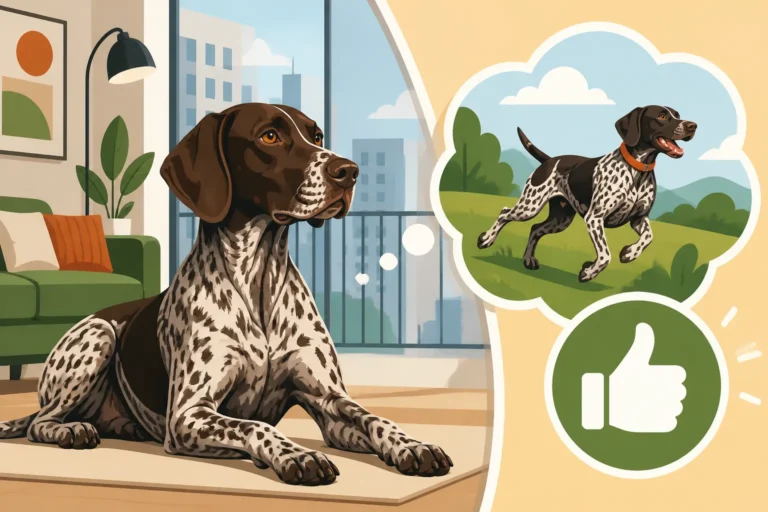
A GSP's mind is just as active as its body, and mental stimulation is just as important as physical exercise. An under-stimulated Shorthair is a recipe for destructive behavior. Puzzle toys that dispense kibble or treats can keep them engaged for extended periods, working their brains to solve a problem. Scent games, where you hide treats around the house or yard and encourage them to find them, tap into their natural olfactory abilities and provide immense mental satisfaction. Short, frequent training sessions, even just practicing known commands in a new location, offer mental challenges. Teaching new tricks or advanced obedience commands also serves this purpose. Engaging their minds helps to tire them out more effectively than just endless physical activity and prevents boredom, which often leads to chewing furniture, digging holes, or counter-surfing. Consider checking out interactive toys on Amazon designed for active breeds.
Building Stamina and Endurance Gradually
As your GSP puppy matures, you'll gradually increase their physical conditioning to prepare them for the demands of a full hunting season. This isn't a sprint; it's a marathon. Start with longer, more challenging walks or free-runs in varied terrain, slowly increasing the duration and intensity. Introduce uphill and downhill walking to build hindquarter strength. Once your vet confirms their growth plates are closed (usually after 12-18 months), you can cautiously introduce more structured exercise like roadwork or short periods of running alongside a bike, always starting slow and building up. The key is never to push them to exhaustion, especially in warm weather, and always to ensure they have access to plenty of water. Conditioning should be a year-round effort, maintaining a baseline of fitness even in the off-season. Neglecting this can lead to injuries when the season starts. For guidance on when to start more intense activities, refer to The Age a German Shorthaired Pointer Can Start Roadwork.
Nutrition and Health for the Future Working Dog
A German Shorthaired Pointer puppy needs optimal nutrition and diligent health care to grow into a strong, healthy hunting companion. Their high energy and rapid growth make specific considerations crucial.
High-Quality Puppy Diet
Feeding a German Shorthaired Pointer puppy isn't just about filling a bowl; it's about providing the precise fuel for their incredible growth and activity levels. They need a high-quality puppy food specifically formulated for large breeds, which typically has a balanced calcium-to-phosphorus ratio to support proper bone development without promoting too rapid growth, which can contribute to joint issues. Look for foods with good protein and fat levels to support their energy needs, but don't overfeed. Obesity in puppies puts undue stress on developing joints. Always follow the feeding guidelines on your chosen food, adjusting as needed based on your puppy's individual metabolism and activity level. Their ribs should be easily palpable but not visible. Hydration is also paramount, especially for active pups; always ensure fresh water is available. Guidance on Puppy Food That Suits a Growing German Shorthaired Pointer can help you make informed choices.
Regular Vet Care and Preventative Measures
Maintaining a strict schedule of veterinary care is non-negotiable for a GSP puppy destined for the field. This includes their initial series of vaccinations to protect against common canine diseases, regular deworming, and consistent flea and tick prevention. Hunting dogs are exposed to higher risks for parasites and vector-borne diseases due to their time spent in tall grasses, woods, and around water. Discuss with your vet about additional vaccines that might be important for a hunting dog, such as those for Leptospirosis or Lyme disease, depending on your geographic location and local risks. Regular check-ups allow your vet to monitor their growth, joint development, and overall health, catching any potential issues early. This proactive approach ensures your future hunting partner remains sound and healthy for many seasons to come.
Early Injury Prevention
German Shorthaired Pointers are fearless and driven, which unfortunately can sometimes lead to injuries, even as puppies. Being proactive about injury prevention is key. Puppy-proof your training areas, ensuring there are no sharp objects, loose wires, or dangerous chemicals. Supervise playtime carefully, especially with other dogs, to prevent rough housing that could lead to sprains or fractures. When working in grassy or brushy areas, be vigilant about checking for hazards like foxtails, burrs, and thorns, which can easily embed in their coat, paws, or ears. These seemingly innocuous plant materials can cause serious infections and require veterinary intervention. Develop a habit of a quick post-outing check, inspecting their ears, paws (especially between the toes), and entire coat for any foreign objects or scrapes. For more on protecting your active pup, read Foxtails and Grass Awns in a Hunting Shorthair.
Common Challenges and Troubleshooting
Raising a GSP puppy for hunting is a rewarding journey, but it's rarely without its bumps in the road. Knowing how to anticipate and address common challenges will save you a lot of headaches and keep your training on track.
Managing the Adolescent "Rebellious" Phase
Just like human teenagers, German Shorthaired Pointers often go through an adolescent phase, typically between 6 and 18 months, where they seem to "forget" all their training. What was once a perfect recall suddenly becomes optional, and basic commands are ignored in favor of more exciting distractions. This isn't spite; it's a normal developmental stage as their brains mature, hormones surge, and they test boundaries. During this time, consistency becomes even more crucial. Double down on your basic obedience, revisit commands in low-distraction environments, and then slowly reintroduce distractions. Avoid getting frustrated; instead, calmly and firmly guide them back to compliance. Use a long line during this period to ensure you can enforce commands like "come," even if they try to bolt. Patience, humor, and persistence are your best allies during this phase. If you're struggling with this, the article The Adolescent Shorthair That Stops Listening offers excellent advice. Many owners find structured online training programs, like those offered by BAXTER & Bella, helpful during this period for consistent guidance.
Dealing with Nipping, Chewing, and Jumping
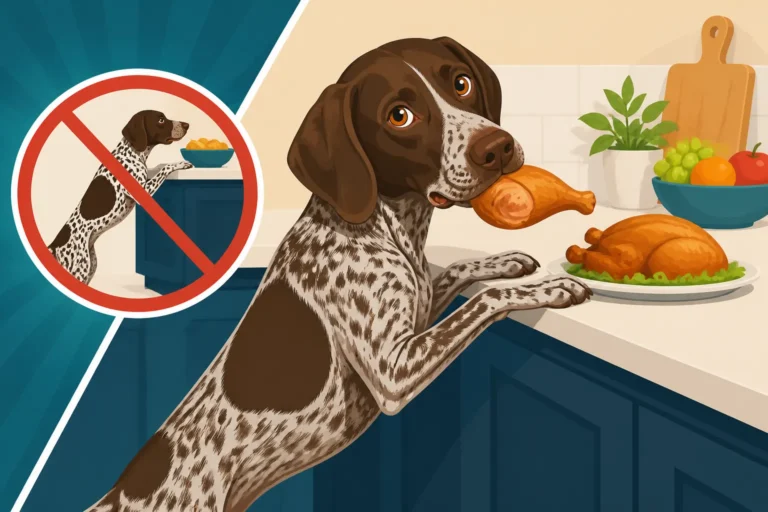
The high energy and strong prey drive of a GSP puppy often manifest as excessive nipping, destructive chewing, and boisterous jumping. While these behaviors are natural for puppies, they must be managed from day one to prevent them from becoming ingrained habits. For nipping, consistent redirection to appropriate chew toys is essential. If nipping becomes too hard, yelp loudly (like another puppy would) and disengage for a moment. For chewing, ensure your puppy always has a variety of safe, durable chew toys available. Rotate them to keep things interesting. Bitter apple spray can deter chewing on inappropriate items. Jumping can be managed by teaching an incompatible behavior, like "sit." Every time your puppy jumps, calmly turn your back or step away. Only engage when all four paws are on the floor. Consistency from everyone in the household is key for these behaviors. For more tips on this, see The Month a Shorthair Puppy Stops Nipping.
Separation Anxiety and Crate Training
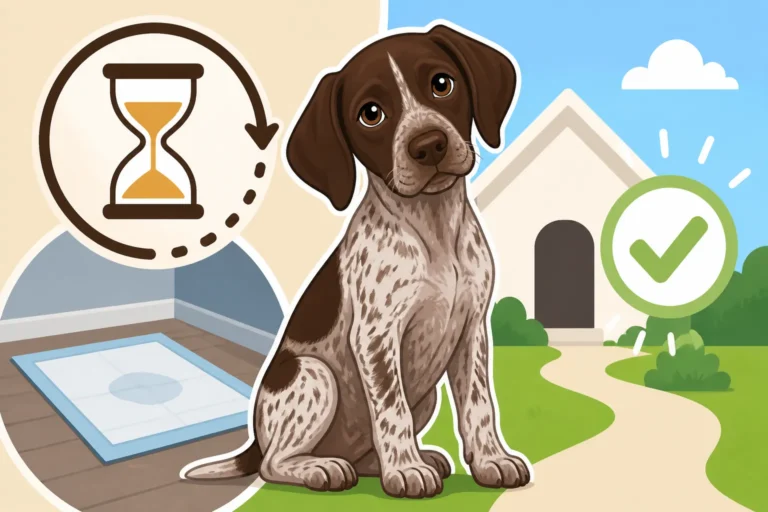
German Shorthaired Pointers are often called "Velcro dogs" due to their strong desire to be with their people. This wonderful trait, however, can sometimes lean towards separation anxiety if not managed properly from puppyhood. Crate training is an invaluable tool for GSPs, not only for house training but also for building independence and providing a safe, comfortable den. Introduce the crate gradually, making it a positive place with treats, toys, and comfy bedding. Never use the crate for punishment. Start with short periods of crating, gradually increasing the duration, and practice leaving the house for short intervals. The goal is for your GSP to feel secure and relaxed when left alone, rather than panicking. If your Shorthair shows signs of true separation anxiety (excessive barking, destructive behavior, frantic attempts to escape when left alone), seek professional help from a certified dog trainer or veterinary behaviorist. Read A Shorthair That Panics Alone in the House for more in-depth solutions. The BAXTER & Bella online puppy program often has modules dedicated to managing these common behavioral challenges.
The Journey to Opening Day
The first hunting season is a milestone for both you and your German Shorthaired Pointer. It's the culmination of months of hard work, patience, and dedication, and it's important to approach it with a clear strategy and realistic expectations.
Simulating Hunt Scenarios
As opening day approaches, it's incredibly beneficial to simulate as many real-world hunt scenarios as possible during your training. This means taking your GSP to different types of cover – tall grass, brush, woods, and around water – to accustom them to varied terrain. Practice walking with your gun unloaded (or with blanks) and having them hold a point while you walk up, simulate the flush, and fire a shot. Work on blind retrieves or marking retrieves in challenging cover. Introduce distractions like other hunting partners or even other dogs (if you plan to hunt with a brace mate). The more varied and realistic your practice scenarios, the better prepared your Shorthair will be for the unpredictable nature of an actual hunt. This builds confidence and adaptability, ensuring they aren't surprised by anything they encounter in the field.
The Importance of Consistency and Patience
Training a German Shorthaired Pointer for the field is a long-term commitment that demands unwavering consistency and infinite patience. There will be days when your puppy seems to regress, when commands are ignored, or when a bird flushes prematurely. These are not failures; they are learning opportunities. Reacting with anger or frustration will only damage the trust you've worked so hard to build. Instead, calmly reassess, go back to basics if necessary, and celebrate every small success. Every training session, every walk, every interaction is a chance to reinforce good habits and strengthen your bond. Remember that your GSP wants to please you, but their instincts are powerful. Your job is to be their guide, helping them channel those instincts into productive, controlled behavior. There are no shortcuts; dedication over time is what builds a reliable hunting partner.
Setting Realistic Expectations for the First Season
Your GSP's first hunting season is primarily a learning experience, for both of you. Do not go into it expecting perfection or a finished gun dog. It's more about building positive associations, gaining experience, and seeing how all the pieces of their training come together in a real-world environment. Your puppy might bump birds, get distracted by deer, or struggle with a retrieve. This is normal. Focus on making each outing enjoyable and low-pressure. Keep sessions shorter than you might with an experienced dog, allowing for plenty of breaks and positive reinforcement. Observe your dog, learn their tendencies, and identify areas where more training is needed. The goal of the first season is to instill a love for the hunt, build confidence, and deepen your partnership, not to fill your game bag. The serious work of refining their skills will come in subsequent seasons.
Puppy Training Milestones
This table outlines general training goals for a GSP puppy on the path to their first hunting season. Individual progress may vary, and flexibility is key.
| Age Range (Months) | Key Focus Areas | Specific Skills / Goals | Important Considerations |
|---|---|---|---|
| 8-16 Weeks | Socialization & Basic Manners | Name recognition, Sit, Down, Come (in low distraction), Crate training, Leash manners, Bite inhibition, Potty training | Positive experiences are crucial, short sessions, avoid overwhelming, focus on fun |
| 4-6 Months | Foundation Obedience & Instinct Nurturing | Reliable Sit/Down/Come, Stay (short duration), Introduction to "Whoa" (without birds), Wing on a string, Gentle retrieves, Environmental exposure | Protect growing joints, continue socialization, avoid forced retrieves, start distant gunfire sounds |
| 6-12 Months | Adolescence & Intermediate Training | Extending Stay & Whoa, Consistent recall with distractions, Live bird exposure (controlled), Gradual gun introduction (closer), Water introduction, Basic quartering | Expect "rebellious" phases, reinforce basics, increase exercise & mental stimulation, protect joints from impact |
| 12-18 Months | Pre-Season Conditioning & Refinement | Steady to wing/shot, Advanced retrieves, Expanding range on whistle/hand signals, Building stamina, Simulated hunt scenarios, Heel with gun | Vet check for growth plate closure, careful increase in strenuous exercise, focus on consistency |
Disclaimer
This article is for general informational purposes only and does not constitute professional advice. Laws, prices and regulations vary by location and change over time. Consult a qualified professional for guidance on your specific situation.