The Adolescent Shorthair That Stops Listening
Ah, the adolescent German Shorthaired Pointer – a glorious bundle of energy and intelligence that suddenly seems to forget every single command you taught them just yesterday! It's like living with a furry teenager who's decided the rules no longer apply. If you're tearing your hair out because your once-obedient Shorthair puppy has turned into a deaf, rebellious rocket, this guide is for you. We'll dive deep into why this phase happens, what common behaviors to expect, and most importantly, how to navigate it with grace, patience, and a renewed sense of purpose.
Understanding the Adolescent Brain of a German Shorthaired Pointer
When your sweet, eager-to-please GSP puppy hits adolescence, it's not that they've suddenly decided to spite you. Their brain is literally undergoing a massive remodel, much like a human teenager's. This period, usually between 6 and 24 months, can be incredibly frustrating for owners, but understanding the biological underpinnings can really help you reframe your approach.
The Hormonal Rollercoaster and Its Impact
Just like us, dogs experience a surge of hormones during adolescence. For male Shorthairs, this might mean an increased drive to scent mark, roam, and challenge other males. For females, heat cycles bring their own set of hormonal fluctuations that can make them incredibly distracted or even moody. These internal changes aren't just about reproduction; they profoundly influence behavior. Your GSP might become more reactive to other dogs, ignore your calls in favor of a tantalizing scent, or just seem generally more independent and less focused on you. It's a natural, albeit challenging, part of their development into a mature adult, driven by ancient instincts to find a mate and establish their place in the world.
Brain Development and Impulse Control
The frontal lobe of the brain, responsible for impulse control, decision-making, and understanding consequences, is one of the last areas to fully develop in dogs. During adolescence, this part of your Shorthair's brain is still very much a work in progress. This means that while they might know what "come" means, their ability to suppress the urge to chase that squirrel, investigate that new smell, or greet that passing stranger is severely compromised. It's not a lack of intelligence; it's a lack of mature brain wiring. They are often operating on instinct and immediate gratification, rather than thoughtful consideration. This is why even well-trained dogs can seem to "forget" their manners or suddenly struggle with commands they once aced.
The "What's in it for Me?" Mentality
Adolescent German Shorthaired Pointers often develop a very clear "what's in it for me?" attitude. The treats that once sent them into a frenzy of obedience might now seem utterly boring when compared to the vast, exciting world around them. Their priorities shift from pleasing you to exploring their environment, interacting with other dogs, and generally pushing boundaries to see what they can get away with. This isn't necessarily malicious; it's a natural part of maturing and testing their independence. To them, the reward of sniffing that interesting bush might far outweigh the small piece of kibble you're offering. This requires a serious re-evaluation of your reward strategy, making sure that what you're offering is truly valuable enough to capture their fleeting attention.
Common Behavioral Shifts During Shorthair Adolescence
This period of transition can manifest in several predictable, and often exasperating, ways. Knowing what to expect can help you prepare and react effectively, rather than feeling like your otherwise wonderful GSP has been replaced by an alien.
Selective Hearing and Receding Recall
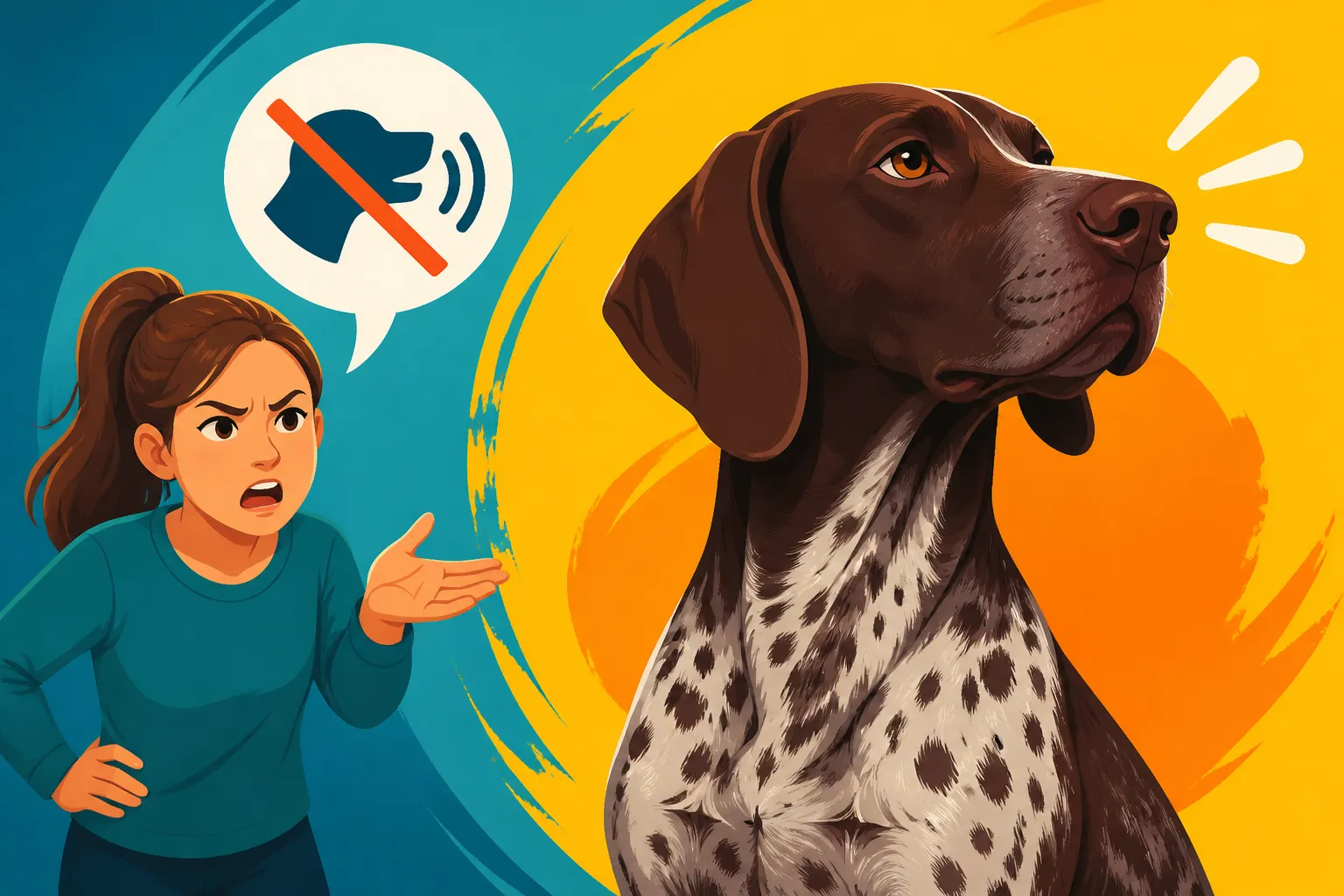
Perhaps the most common complaint among GSP owners with adolescent dogs is the sudden onset of "selective hearing." Your Shorthair, who used to come rocketing back at your first call, now seems to hear nothing at all when they are more than ten feet away. This is largely due to the combination of hormones driving exploration and an immature frontal lobe making impulse control difficult. They hear you, alright, but the urge to investigate or pursue whatever has caught their attention is simply too strong for their developing brain to override. This can be especially dangerous for a breed as fast and driven as the German Shorthaired Pointer, whose passion for scent can lead them miles away in mere minutes. Recall on a German Shorthaired Pointer That Is Locked On becomes an entirely new challenge during this phase.
Increased Boldness and Boundary Pushing
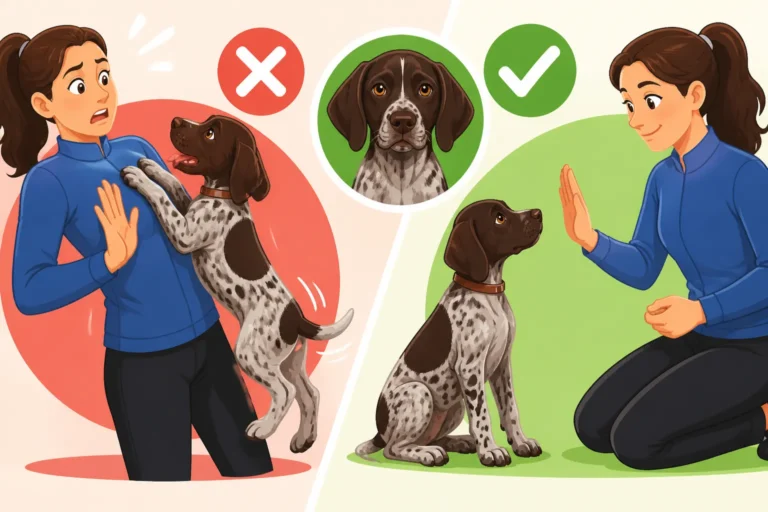
Where your puppy might have been hesitant, your adolescent GSP is suddenly full of bravado. They might challenge other dogs they previously ignored, bark more at strangers, or generally test the limits of what's acceptable in your home and on walks. Counter surfing becomes an Olympic sport, and items previously left alone are now fair game for chewing. This is their way of trying to figure out their place in the world and in your "pack." It's essential to calmly and consistently reinforce boundaries without resorting to harsh punishment, which can damage your bond and make them more resistant. They are looking for leadership and clear rules, even if they pretend they aren't.
Heightened Distractibility in the Field and Home
The world just became infinitely more interesting to your adolescent Shorthair. Every rustle in the leaves, every distant scent, every new person or dog becomes a monumental distraction. This is particularly challenging for a hunting breed like the GSP. What once was focus in the field can now devolve into a chaotic chase after anything that moves. Even at home, their ability to settle can diminish. They might pace, whine, or seem unable to relax, constantly searching for something to do or investigate. This heightened awareness of their environment, while an asset in their working life, can be a real struggle in everyday training and life. It means you need to re-think your training approach, often making the rewards more exciting than the distractions. Puzzle Feeders and Scent Games for a Shorthair can be a great way to channel some of that distractibility into productive mental work.
Re-Establishing Communication and Reinforcement
It can feel disheartening when your adolescent Shorthair seems to forget everything you’ve taught them. But this isn't the time to give up; it's the time to double down on your efforts, albeit with a renewed strategy that accounts for their developing mind.
Going Back to Basics with Core Commands
Think of this as a necessary reset. Your adolescent GSP might know "sit," but in a distracting environment, that knowledge often evaporates. Go back to basics in low-distraction environments, celebrating every small success as if it's the first time they've ever performed the command. Short, frequent training sessions are far more effective than long, drawn-out ones. Break down complex behaviors into smaller steps. For example, if you're working on "stay," start with just a second or two, then gradually build up the duration and distance. This rebuilds their confidence and reminds them that listening to you is a rewarding experience. It also reminds you of the fun you had when they were a puppy, which can be a much-needed boost during this trying period. Consistency is key here; everyone in the household needs to be on the same page.
The Power of High-Value Rewards
That dry kibble or basic biscuit that worked wonders for your puppy? It's likely not cutting it anymore. During adolescence, you need to bring out the big guns: high-value treats. Think small pieces of cooked chicken, cheese, hot dogs, or specially formulated training treats that are incredibly palatable. The goal is to make listening to you more exciting and rewarding than whatever distraction is vying for their attention. Experiment to find what truly motivates your individual Shorthair. Some might go wild for a squeaky toy or a quick game of tug as a reward, while others are absolute food connoisseurs. Keep these special rewards only for training sessions, making them truly novel and exciting. The Monthly Food Bill for a Hard Working Shorthair can include these high-value treats as a strategic investment. You can find a fantastic array of high-value training treats on platforms like Amazon, offering different textures and flavors to keep things interesting and motivating for your discerning adolescent.
Consistency, Patience, and Predictability
These three words are your mantra during Shorthair adolescence. Consistency means that everyone in the household enforces the same rules and uses the same commands. If one person lets your GSP jump on them, but another corrects it, your dog will be confused and more likely to test boundaries. Patience is paramount; there will be days when you feel like you're getting nowhere, but remember that this phase is temporary. Your dog isn't trying to be difficult; they are genuinely struggling with impulse control and brain development. Predictability in their routine, training, and expectations helps them feel secure and understand what's expected of them. A consistent schedule for meals, exercise, and training creates a stable environment, which is especially important for an adolescent navigating so many internal changes.
Managing Adolescent Shorthair Energy and Environment
German Shorthaired Pointers are, by their very nature, high-energy dogs. During adolescence, this energy can feel amplified, and if not managed properly, can lead to destructive behaviors and even more "mislistening."
Structured Exercise to Channel Energy
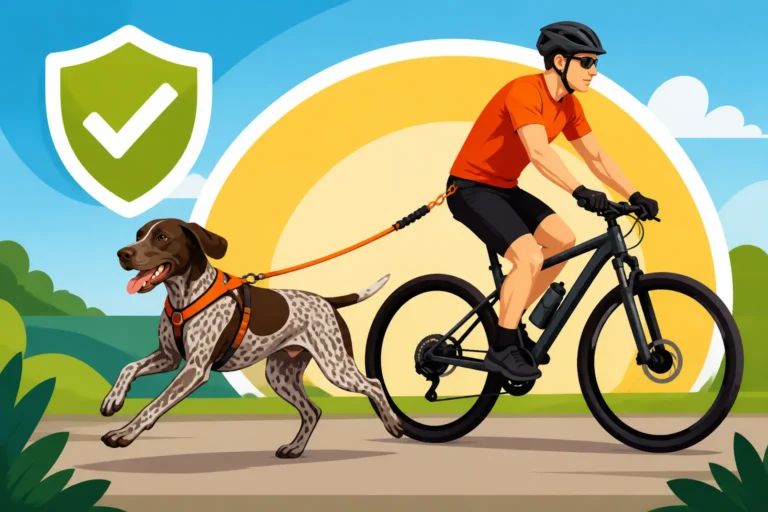
Your adolescent GSP needs a lot of exercise, but it needs to be structured exercise, not just letting them out in the yard. Running in circles by themselves often doesn't tire out a Shorthair's mind or body. Think long, brisk walks or jogs (once their growth plates are closed, typically around 12-18 months), off-leash running in safe, contained areas, swimming, or even biking with your dog. The Two Hours a Day a German Shorthaired Pointer Needs is a bare minimum, and often more is required during this energetic phase. Engage them in activities that require them to think while moving, like fetching over varied terrain or practicing commands during a hike. This physical outlet helps burn off excess energy that might otherwise be directed into destructive behaviors like chewing furniture or digging up your prize-winning petunias.
Mental Stimulation to Engage Their Brains
Physical exercise alone won't always cut it for a smart breed like the GSP. Their minds need a workout too! Mental stimulation is incredibly important, especially during adolescence, to help them focus and prevent boredom-induced mischief. Incorporate puzzle toys, sniff games, obedience drills, or even learning new tricks into their daily routine. For example, hiding treats around the house for them to find engages their incredible nose and brain. You can find a wide variety of interactive toys and puzzle feeders on Amazon that can keep your Shorthair entertained and mentally challenged when you can't actively engage with them. Consider enrollment in an online training program like BAXTER & Bella, which offers structured activities and lessons designed to build a strong foundation and keep adolescent dogs engaged. Even 15-20 minutes of dedicated mental work can be as tiring as a long run and help improve their focus during training sessions.
Creating a Safe and Predictable Home Environment
During adolescence, your GSP is likely to test boundaries and explore with their mouth. Creating an environment where they can succeed, and you can reduce opportunities for mischief, is crucial. This means diligent puppy-proofing, even if you thought you were done with that phase. Keep valuable or dangerous items out of reach. Use crates or secure pens for unsupervised time, especially when you're not home. Crating a Shorthair That Has Energy to Burn isn't just about safety, but also about teaching them to settle and providing a secure den. A predictable routine for feeding, potty breaks, exercise, and quiet time helps reduce anxiety and provides structure for their developing minds. The more consistent their environment and routine, the easier it is for them to understand expectations and make good choices.
Addressing Specific Challenges: Recall, Leash Pulling, and More
Adolescence often brings a resurgence or intensification of challenging behaviors. Here's how to tackle some of the most common ones with an adolescent GSP.
Reviving the Reliable Recall
A solid recall is non-negotiable for an active, far-ranging breed like the German Shorthaired Pointer. When adolescence hits and they start ignoring your calls, it's not the time to despair, but to re-train. Go back to basics in a low-distraction environment. Use a long line (a 20-30 foot leash) in a safely fenced area to allow them freedom while maintaining control. Practice calling them, rewarding them enthusiastically with those high-value treats every single time they come, no matter how reluctantly. Make coming to you the most amazing thing that could possibly happen. Never call your dog to you for something unpleasant, like a bath or to scold them; always go to them instead. Gradually introduce more distractions, but always set them up for success. Remember, a GSP's nose is powerful, and when it's locked on, you need an even stronger incentive to break that focus.
Tackling Leash Pulling and Over-Excitement
That strong GSP body can pull quite a bit when they're excited to explore! If your adolescent Shorthair is dragging you down the street, it's time to refresh their loose-leash walking skills. Use a front-clip harness or a head halter, as these tools can give you more control without causing discomfort or damage to their throat. Practice in quiet areas first, rewarding them frequently for walking politely by your side. Every time they pull, stop walking. Only resume when the leash is slack. This teaches them that pulling gets them nowhere, while polite walking gets them to their destination. Loose Leash Walking a German Shorthaired Pointer can be greatly improved by increasing the frequency of walks and ensuring they get ample exercise before heading out, as a tired GSP is often a more manageable one.
Dealing with Destructive Chewing and Counter Surfing
The urge to chew is strong in adolescent dogs, partly due to exploring their world with their mouths, partly due to boredom, and sometimes due to lingering teething discomfort. Ensure your GSP has an ample supply of appropriate chew toys – durable rubber toys, safe chew bones, or even frozen Kongs stuffed with peanut butter or yogurt. Rotate them to keep things interesting. When you can't supervise, use a crate or a puppy-proofed area. For counter surfing, teaching a strong "leave it" command is essential. Practice this by placing tempting items on the floor, then on low surfaces, gradually increasing the challenge. Consistently remove them from the counter if they jump up, and reward them for keeping "four on the floor." Remember, prevention is key: don't leave tempting food within reach.
Seeking Professional Guidance (When and Why)
While adolescence is a normal phase, sometimes the challenges can feel overwhelming, or specific behaviors might escalate beyond what you feel comfortable handling on your own. There's absolutely no shame in seeking professional help.
Recognizing When You Need Extra Help
It can be tough to admit you need help, especially when you feel like you should be able to handle your dog. However, if you're feeling constantly frustrated, overwhelmed, or your dog's behavior is genuinely causing stress or becoming unsafe, it's time to reach out. Signs that you might need professional help include: severe leash reactivity (lunging, barking aggressively at other dogs or people), destructive behaviors that persist despite your best efforts, fear or anxiety that seems debilitating, or an inability to control your dog's recall even in low-distraction environments. If you find yourself avoiding walks or social interactions because of your dog's behavior, that's a clear indicator that a professional could offer valuable strategies. Reading a German Shorthaired Pointer's Stress Signals is important for understanding their communication, but a professional can help interpret and address them.
Finding a Qualified Trainer or Behaviorist
Not all dog trainers are created equal, and it's important to find someone who uses positive reinforcement methods and understands the unique needs of working breeds like the GSP. Look for certifications (like CPDT-KA or KPA-CTP for trainers, or a veterinary behaviorist who is a DACVB for more severe issues). Ask about their methods and philosophy. A good trainer will be happy to answer your questions, allow you to observe a class, and provide references. Avoid anyone who uses harsh punishment, intimidation, or claims to "dominate" your dog. For severe issues, a veterinary behaviorist can also rule out underlying medical causes for behavioral changes, which is always a wise first step. Organizations like the APDT (Association of Professional Dog Trainers) or IAABC (International Association of Animal Behavior Consultants) can be great resources for finding qualified professionals in your area.
The Benefits of Ongoing Training Classes
Enrolling in ongoing training classes can be incredibly beneficial for adolescent GSPs and their owners. Not only do classes provide a structured environment for learning and practicing commands with distractions, but they also offer opportunities for socialization in a controlled setting. Group Obedience Before a Shorthair Starts Birds or more advanced classes can help strengthen your bond, teach new skills, and provide mental stimulation. It's also a chance for you to connect with other dog owners who are likely experiencing similar challenges, offering a sense of community and shared understanding. Many reputable trainers offer classes specifically for adolescent dogs, acknowledging this challenging but critical developmental stage. These classes reinforce the idea that learning is a lifelong process for both you and your GSP, laying the groundwork for a well-adjusted and well-mannered adult companion.
| Adolescent GSP Behavior | Why it's Happening | Owner Response Strategy |
|---|---|---|
| Ignoring Recall | Hormonal drive, brain immaturity, high distractions | Go back to basics, use high-value rewards, long line in safe areas. |
| Leash Pulling | Excitement, strong prey drive, lack of impulse control | Front-clip harness/head halter, stop-and-go method, pre-walk exercise. |
| Counter Surfing/Stealing | Curiosity, "what's in it for me?", seeking attention | Strict management (no tempting items), "leave it" command, appropriate chews. |
| Destructive Chewing/Digging | Boredom, energy, anxiety, mouth exploration | Ample chew toys, mental stimulation, increased structured exercise. |
| Increased Reactivity | Hormonal changes, territoriality, lack of socialization | Controlled exposure, positive reinforcement, professional guidance if severe. |
| Boundary Pushing | Testing limits, seeking leadership, growing independence | Consistent rules, calm enforcement, predictable routine, clear expectations. |
Disclaimer
This article is for general informational purposes only and does not constitute professional advice. Laws, prices and regulations vary by location and change over time. Consult a qualified professional for guidance on your specific situation.