Conditioning a Shorthair Before Opening Day
That crisp morning air on opening day, the excitement vibrating through your German Shorthaired Pointer as they hit the field – it’s a picture every bird hunter dreams of. But too often, that dream quickly turns into a nightmare of an exhausted dog, pulled muscles, or worse, an injury that ends the season before it truly begins. Many of us, myself included, have been guilty of letting our dogs get a little too comfortable during the off-season, only to scramble in the weeks leading up to the hunt. This guide is here to help you avoid that panic and ensure your shorthair is genuinely ready, both physically and mentally, for the demands of the field.
Understanding Your Shorthair's Current Fitness Baseline
Before you can even think about adding miles or tougher retrieves, you really need to take an honest look at where your German Shorthaired Pointer is right now. It's tempting to jump right into intense training, especially if opening day is looming, but that's a surefire way to court disaster. Your dog might look fine trotting around the yard, but the demands of a full day in diverse terrain are a whole different ballgame. Neglecting this initial assessment is like building a house without a foundation – it's just going to crumble when the pressure hits.
Evaluating Their Off-Season Lifestyle
Let's be real, most of us don't keep our working dogs in peak hunting condition twelve months a year. The off-season often means a more relaxed pace, maybe a bit more couch time, and less structured, intense exercise. Think about what your shorthair has actually been doing. Have they been enjoying long, leashed walks around the neighborhood, or have they had ample opportunities for off-leash, full-throttle runs in open fields? There's a huge difference between maintaining general pet fitness and keeping the kind of condition a German Shorthaired Pointer needs to hunt for hours on end, day after day.
Consider a scenario: your shorthair, "Dixie," has spent the summer romping in the backyard and getting daily leashed walks around the block. That's good, but it's not the explosive, sustained effort required to quarter a field, point, and retrieve. A dog that's been consistently active, perhaps joining you on hikes or long runs, will have a much higher starting point. On the other hand, if "Buddy" has mostly been a couch potato, his muscles will be deconditioned, his cardiovascular system less efficient, and his joints not ready for high impact. This isn't about judging, it's about being realistic so you can build a safe and effective conditioning plan. Remember, a German Shorthaired Pointer is bred for serious work, and they truly need The Two Hours a Day a German Shorthaired Pointer Needs of actual, vigorous exercise to thrive, even in the off-season.
Spotting the Signs of Being Out of Shape
It’s not always obvious when a dog is out of shape, especially with a breed as stoic and driven as a German Shorthaired Pointer. They often have an incredible will to please and will push themselves far beyond what their body is ready for. However, there are clear indicators if you know what to look for. Excessive panting after minimal exertion, lagging behind on walks, needing more frequent breaks, or stiffness and reluctance to move after a bit of activity are all red flags. You might also notice a change in their body condition; perhaps they’ve put on a little extra weight, or their muscle tone isn't as defined as it should be.
Here's a quick comparison to help you differentiate:
| Indicator | Out of Shape Shorthair | Peak Fitness Shorthair |
|---|---|---|
| Breathing | Heavy panting, labored breathing after short effort | Controlled panting, recovers quickly |
| Energy Level | Tires easily, lags behind, takes frequent breaks | Sustained energy, eager to continue |
| Movement | Stiff, perhaps slightly limping, clumsy, less agile | Fluid, powerful, agile, covers ground effortlessly |
| Recovery | Long recovery time, sore the next day | Quick recovery, ready for more activity |
| Body Condition | Softer feel, less defined muscles, potentially overweight | Lean, hard, well-defined muscle, tucked waist |
| Enthusiasm | Might show initial excitement, then wanes quickly | Consistent high drive and eagerness throughout activity |
If you see more signs from the "Out of Shape" column, it's a clear signal that a gradual and thoughtful conditioning plan is essential. Ignoring these warnings can lead to serious consequences, from pulled muscles and torn ligaments to Heat Exhaustion in an Early Season Shorthair when the demands of the field hit their unprepared body. It’s far better to start slow and build them up correctly than to risk their health and well-being.
Designing a Progressive Conditioning Program
Once you've honestly assessed your dog's current fitness, it's time to put together a plan. The key word here is "progressive." You can't go from zero to sixty overnight without risking injury. Think of it like training a human athlete; you wouldn't send someone who hasn't run in years to run a marathon tomorrow. Your shorthair deserves the same careful, thoughtful approach to building their stamina and strength. This phased approach allows their muscles, joints, and cardiovascular system to adapt safely and effectively.
Building Cardiovascular Stamina Safely
The foundation of a good hunting dog's fitness is excellent cardiovascular endurance. This allows them to cover miles of ground, scenting and searching without burning out quickly. Start with longer, brisk walks, gradually increasing the duration each week. If your shorthair is accustomed to 30-minute walks, aim for 45 minutes, then an hour. Once they can comfortably handle an hour of brisk walking without showing signs of fatigue, you can begin to introduce light jogging. Remember, this isn't about speed initially; it's about sustained, moderate effort.
After a few weeks of light jogging, you might consider incorporating "roading" or running alongside a bicycle, but only if you have control and your dog is well-trained on leash. Roading a German Shorthaired Pointer for Fitness is an excellent way to build steady endurance on a consistent surface, but always prioritize safety, ensuring your dog can maintain a comfortable pace without being forced. Begin with short distances, perhaps a mile or two, and slowly add mileage as your dog's stamina improves. Always be mindful of the temperature and humidity, especially during warmer months, as shorthairs can overheat quickly. Variety also helps: don't just stick to the same path. Explore different terrains like grassy fields, dirt trails, and even shallow water. Using Water Work to Wear a Shorthair Out can be a fantastic, low-impact way to build stamina and muscle, especially on warmer days, without putting excessive stress on their joints.
Enhancing Muscle Strength and Agility
While cardiovascular fitness is crucial, a strong, agile dog is less prone to injury in the field. Hunting demands quick stops, sudden turns, jumping over obstacles, and powerful bursts of speed. To build this kind of functional strength, incorporate activities that mimic these movements. Hill repeats are excellent for building powerful hindquarters – start with a few short sprints up a gentle incline, allowing full recovery between each, and gradually increase the number and steepness. Off-leash retrieves in open fields, where your dog has to change direction and accelerate rapidly, also help develop agility and muscle control.
Consider incorporating controlled obstacle work. Simple jumps over logs or low fences, done safely and gradually, can improve their coordination and build confidence. Just ensure the jumps are appropriate for their current fitness level and age, to avoid undue stress on their developing or aging joints. For dogs that are already strong, integrating some playful tug-of-war or short, intense bursts of fetch can contribute to overall muscle development. Remember to observe your dog closely for any signs of discomfort or lameness. Adding a high-quality joint supplement, especially for older or actively working dogs, can also be beneficial in supporting cartilage health and reducing inflammation, ensuring their body can keep up with their spirit. Look for options that contain glucosamine, chondroitin, and MSM. There are many reputable brands available on Amazon, and talking to your vet about Joint Supplements for a Hunting German Shorthaired Pointer is always a good idea.
Preparing Pads and Paws for the Toughest Terrain
One of the most common issues that can sideline a hunting dog is foot injuries. Think about it: your shorthair is running, stopping, turning, and leaping over all kinds of rough ground – stubble fields, rocky trails, frozen earth. Their paws are their primary tools, and if they're not conditioned properly, they'll crack, bleed, and become incredibly painful, ending your hunt prematurely. Many owners overlook this vital aspect of pre-season conditioning, but it’s just as important as building cardiovascular endurance.
Gradually Toughening Footpads
Just like human feet need to be broken into new shoes or toughened for long hikes, a German Shorthaired Pointer's paw pads need to be gradually acclimated to the rigors of hunting. If your dog has spent the summer on soft grass or carpet, their pads will be soft and susceptible to injury. Start by incorporating walks on varied, progressively rougher surfaces. Begin with dirt trails, then move to gravel roads, and eventually, if possible, some areas with light stubble or rocky patches. The key is gradual exposure – don't throw them onto sharp, frozen ground immediately.
Consistency is crucial. Daily exposure, even for short periods, will help the pads thicken and become more resilient. You can also use specialized products to aid in this process. Many owners swear by paw balms or pad tougheners, which can be applied regularly to help moisturize and strengthen the pads. These products often contain ingredients like beeswax, lanolin, or various oils designed to prevent cracking and promote healthy pad tissue. You can find a wide selection of Pad Toughener Products for a Hunting Shorthair from various brands on Amazon that can be a real game-changer for foot health. Apply them consistently as part of your daily routine.
Protecting Paws from Field Hazards
Even with well-conditioned pads, the hunting field presents numerous hazards that can cause serious injury. Sharp rocks, thorny bushes, barbed wire, and even frozen ground can all lead to cuts, abrasions, or even punctures. While toughened pads offer a baseline of protection, sometimes you need an extra layer of defense, especially in particularly harsh environments or for dogs prone to paw injuries. This is where protective dog boots come into play.
Introducing boots early and making them a positive experience is key. Don't wait until opening day to try them for the first time; your dog will likely reject them. Start with short sessions around the house, offering treats and praise. Gradually increase the duration and try them on short walks. This positive association and gradual habituation will make them much more likely to tolerate the boots when they're actually needed in the field. There are many durable options for Boots for a Shorthair on Rock and Stubble available, designed to withstand tough conditions and provide traction. Having a set on hand can be invaluable, especially if you anticipate hunting in rocky, thorny, or icy conditions. Regular checks of your dog's paws before, during, and after a hunt are also paramount; look for any cuts, punctures, or signs of irritation, and address them immediately to prevent infection or worsening of the injury.
Optimizing Nutrition and Preventing Pre-Season Setbacks
As you ramp up your German Shorthaired Pointer's exercise regimen, their body's caloric and nutrient needs will change dramatically. You can't expect them to perform like a top athlete on a diet designed for a more sedentary lifestyle. Proper nutrition is the fuel that drives their performance, aids in muscle recovery, and helps prevent injuries. Equally important is a proactive approach to their overall health, including vet checks and a keen eye for any potential issues that could derail your conditioning efforts.
Fueling Your Shorthair for Peak Performance
A German Shorthaired Pointer in heavy training for hunting season burns a tremendous amount of calories. Their diet needs to reflect this increased energy expenditure. Many owners switch their dogs to a high-quality "performance" or "sporting" dog food during this period. These formulas are typically higher in protein and fat, providing the sustained energy and muscle-building blocks that active dogs require. Don't make an abrupt change, though; gradually transition your dog to the new food over 7-10 days to avoid digestive upset. You'll want to pay close attention to the Protein and Fat Ratios for a Hunting German Shorthaired Pointer to ensure they are getting adequate fuel for their demanding workload.
Beyond kibble, consider how you’re managing their hydration. Especially as the weather warms up before fall, or if you’re hunting in dry conditions, adequate water intake is critical to prevent dehydration and overheating. Always carry extra water for your dog in the field. You might also consider adding electrolyte supplements to their water on particularly strenuous days, though always consult your vet first. These supplements can help replenish vital minerals lost through sweat and heavy exertion. Electrolytes for a German Shorthaired Pointer in the Field can make a huge difference in their stamina and recovery. Track how much food your shorthair is consuming and adjust as needed. You can gauge roughly How Many Pounds of Food a Shorthair Eats Monthly when they are highly active, and this will help you understand their caloric needs.
The Importance of a Pre-Season Vet Check and Ongoing Care
Before you truly commit to an intense conditioning program, a visit to your veterinarian is non-negotiable. This pre-season check-up is vital, especially for older dogs or those with any known health concerns. Your vet can perform a thorough physical exam, checking for any subtle lameness, joint issues, or underlying health problems that could be exacerbated by increased activity. They might recommend specific blood work or other diagnostics to ensure your dog is in optimal health for the season. This proactive approach can catch small issues before they become serious problems. Make sure you adhere to The Vet Schedule a Working Shorthair Should Keep to maintain their overall health year-round.
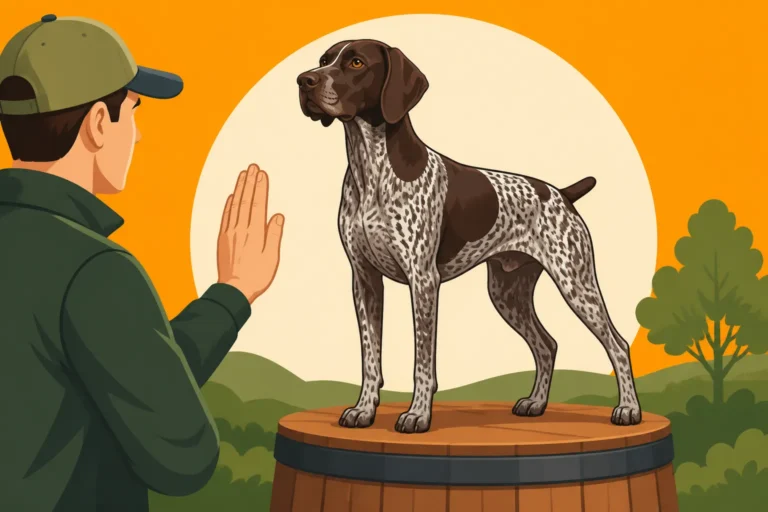
Beyond the vet visit, ongoing care at home is crucial. After each conditioning session, make it a habit to perform a quick "once-over" of your dog. This includes checking their paws for cuts or abrasions, feeling their legs and joints for any swelling or tenderness, and looking into their ears for any debris, especially if they’ve been in tall grass. Checking a German Shorthaired Pointer Over After a Hunt should become second nature. Pay attention to any changes in their gait or behavior – a subtle limp, a reluctance to jump, or even excessive licking of a paw could indicate a developing injury. Early detection and intervention are key to preventing minor issues from turning into season-ending problems. Remember, consistency in care, just like consistency in training, is the bedrock of a successful and healthy hunting season. Even simple obedience and handling skills, like those taught through programs like BAXTER & Bella, contribute to safer conditioning by ensuring your dog responds reliably, preventing them from running into hazards or over-exerting themselves unnecessarily.
Disclaimer
This article is for general informational purposes only and does not constitute professional advice. Laws, prices and regulations vary by location and change over time. Consult a qualified professional for guidance on your specific situation.