Whether a Pet Shorthair Needs Whoa at All
It's a question many German Shorthaired Pointer owners wrestle with: do you really need to teach your pet GSP "whoa"? This command, so fundamental to a hunting dog's repertoire, can feel daunting and perhaps unnecessary if your dog's biggest hunt is for dropped kibble under the kitchen table. But while your shorthair might never set foot in a pheasant field, the core principles behind "whoa" can profoundly impact their safety, manners, and overall quality of life, channeling that boundless GSP energy into focused control. This guide will help you understand the true value of "whoa" for your pet GSP, even if they're purely a companion.
Understanding the "Whoa" Command in Hunting Dogs
For those unfamiliar with gun dog training, "whoa" isn't just another synonym for "stay" or "stop." It's a highly specialized command that demands absolute stillness, often in the face of immense temptation, and is deeply ingrained in the natural instincts of a breed like the German Shorthaired Pointer. It's about freezing in place, maintaining a point, and not moving until explicitly released, no matter what happens around them.
The Traditional Purpose of "Whoa"
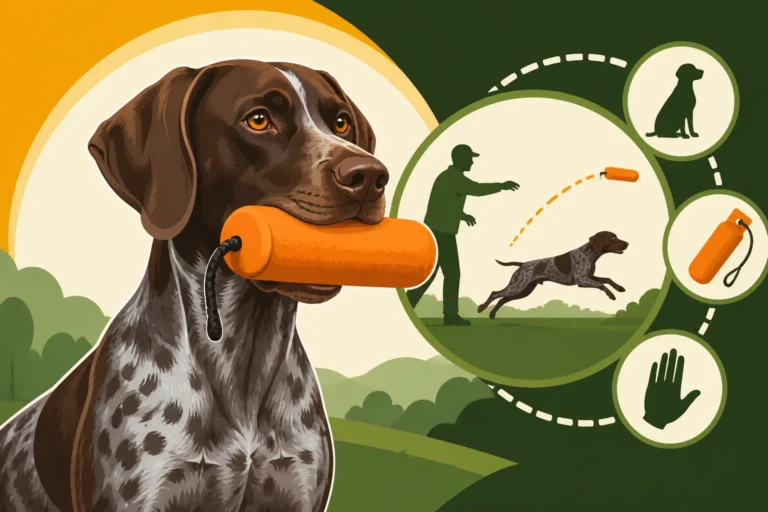
In the hunting world, "whoa" is the bedrock of a well-trained bird dog. Imagine your GSP, nose to the ground, locked onto the scent of a pheasant. Suddenly, they freeze, tail rigid, muzzle pointing like an arrow. This is the point. The "whoa" command ensures that your dog holds this point, giving you time to walk in, flush the bird, and take your shot. Without "whoa," a high-drive shorthair might charge the bird, flushing it out of range or even catching it, which is not the goal. It teaches immense self-control, ensuring the dog doesn't break point, chase the flush, or retrieve the bird without permission. It's about control, respect for the quarry, and teamwork in the field. This level of steadiness requires significant training, starting with simple commands and gradually introducing distractions like live birds and gunfire.
"Whoa" Versus Other Stop Commands
Many owners wonder if "stay" or "wait" isn't sufficient. While "stay" and "wait" are incredibly useful commands for any pet, "whoa" takes it to a different level. "Stay" typically means remaining in a specific position (sit, down, stand) until released. "Wait" often implies a temporary halt, usually at a doorway or before a meal. "Whoa," by contrast, is a command that overrides instinct. It’s about freezing mid-action, often from a distance, without needing to be in a formal sit or down. It demands a mental and physical commitment to absolute stillness, even when their body is screaming to move. For a breed like a German Shorthaired Pointer, whose genetics are hardwired for intense prey drive and movement, this command taps into their very essence and redirects it. It’s not just about stopping; it’s about holding that stop, body and mind, in anticipation of a future command.
Here's a quick comparison of these vital commands:
| Command | Primary Function | Implied Action | Typical Use Case (Pet GSP) |
|---|---|---|---|
| Stay | Hold current position (sit, down, stand) | Passive, waiting for release | Holding position for a photo, waiting during grooming |
| Wait | Pause before an action (often short-term) | Implying action to follow | Waiting at a door, before eating, entering the car |
| Whoa | Freeze in place, often mid-action, overriding instinct | Active stillness, intense focus, absolute halt | Stopping mid-chase, freezing on a perceived threat, impulse control |
The Unexpected Benefits of "Whoa" for a Pet German Shorthaired Pointer
Even if your German Shorthaired Pointer will never see a shotgun or a game bird, the "whoa" command can be incredibly valuable. It builds an unparalleled level of impulse control and responsiveness, which translates directly to a safer, more manageable, and happier pet.
Building Supreme Impulse Control
German Shorthaired Pointers are renowned for their boundless energy and powerful prey drive. This is wonderful in the field, but it can be a handful in a suburban park or on a walking trail. A strong "whoa" command teaches your GSP to override their natural impulses to chase, explore, or react. Think about it: a squirrel darts across the path, a child on a scooter whizzes by, or another dog bounds up. Without solid impulse control, your GSP might pull, lunge, or even try to give chase. The Two Hours a Day a German Shorthaired Pointer Needs is a lot of time to manage that energy, and impulse control makes it easier.
"Whoa" helps your dog pause, assess, and wait for your instruction. It teaches them that even when their instincts are screaming at them to go, they must stop and listen to you first. This mental discipline is huge. It's not just about physical restraint; it's about mental engagement and deference to your command, which strengthens your bond and establishes you as the reliable leader in any situation. A dog that can "whoa" can regulate itself, making them a much calmer companion in the long run.
Enhancing Safety in Everyday Life
Safety is paramount for any dog owner, and a GSP's speed and curiosity can put them in harm's way quickly. Imagine your GSP, off-leash in a designated area, suddenly spotting something interesting across a busy road. A well-executed "whoa" could be the difference between a close call and a tragedy. It allows you to halt your dog's progress instantly, giving you time to recall them or reach them. This is especially critical in areas where deer or other wildlife might unexpectedly appear, triggering your GSP's hunting instincts.
Beyond traffic, "whoa" can prevent accidental run-ins with other dogs, people, or hazards like broken glass or tempting, but toxic, discarded food. It teaches them to stop before they bolt out an open door, leap out of the car, or plow into a small child during an enthusiastic greeting. This level of immediate, unwavering control is far more reliable than a general "stay" when a high-stakes distraction presents itself. It's peace of mind, knowing that you have a powerful "off switch" for your dog's intense drive.
Managing That GSP Prey Drive
Let's be real, your German Shorthaired Pointer has generations of hunting heritage running through their veins. They will point birds, squirrels, rabbits, and maybe even that interesting leaf blowing across the yard. This prey drive is innate and isn't going anywhere. Instead of fighting it, "whoa" allows you to channel it. When your GSP locks onto a squirrel in the park, instead of letting them lunge, you can use "whoa" to freeze them in their natural pointing posture. This gives them an outlet for their instinct without allowing them to act on it inappropriately.
This controlled expression of their natural behavior can be incredibly satisfying for your dog. They get to engage their senses and fulfill a part of their genetic destiny, but under your precise direction. It's a way to acknowledge their breed traits while maintaining control in a non-hunting environment. This managed engagement can even reduce frustration and destructive behaviors that stem from unfulfilled instincts, making for a happier, more balanced dog.
How to Introduce "Whoa" to Your Pet GSP
Teaching "whoa" requires patience and consistency, but it's entirely achievable for a pet GSP. It's best to start in a controlled environment and gradually increase distractions. Remember, for a GSP, "whoa" is more than just stopping; it's about holding that stop with intense focus.
Starting with the Basics: Low Distraction Environment
Begin your "whoa" training in a quiet, familiar space with minimal distractions – your living room or a fenced yard are ideal. Have your GSP on a flat collar and a six-foot lead or check cord. The goal is to get them to freeze their movement and remain still.
- Walk and Halt: Start walking with your GSP on the lead. After a few steps, calmly say "whoa" in a firm, clear voice and immediately stop walking. Do not pull on the leash initially, just stop your movement.
- Gentle Pressure: If your dog moves past you or tries to keep walking, apply very gentle, steady pressure on the check cord, guiding them to a standstill. The moment they stop moving, release the pressure and praise them quietly with a calm "good whoa." Avoid overly excited praise, as this might encourage them to move.
- Hold and Release: Ask them to hold the "whoa" for just a few seconds initially, then release them with a clear "okay" or "free" command, and offer a small, high-value treat. Repeat this many, many times, gradually increasing the duration they hold the "whoa."
- No Formal Position: Crucially, "whoa" doesn't require a sit or down. They can stand. The emphasis is on stillness and holding their current posture. Building Whoa on a Shorthair With a Check Cord is a great resource to deepen this early training.
Think of this stage as building the foundational understanding of the word and the action. You're teaching them that "whoa" means "absolutely freeze right now." Consistency is your best friend here. Every time you say "whoa," you enforce that absolute stop, no matter how brief.
Utilizing a Whoa Post or Barrel
Many traditional gun dog trainers use a "whoa post" or "whoa barrel" to teach this command. This method is incredibly effective for pet GSPs too, as it physically limits their movement and helps them understand the concept of static stillness.
A whoa post is simply a sturdy post or, more commonly, a modified barrel that your dog stands on or next to, secured by a lead. The idea is that they cannot move off the post without falling or being uncomfortable, so they learn to stand still.
- Introduction: Gently guide your GSP onto a stable whoa barrel or next to a post, securing them so they cannot easily move off. Make sure they are comfortable and balanced.
- The Command: Give the "whoa" command. Because their movement is restricted, they will naturally stand still. Praise them calmly and consistently for holding still.
- Duration: Gradually increase the time they spend on the whoa post, always praising for stillness. This teaches them duration and solidifies the understanding that "whoa" means holding position.
- Transition: Once they reliably hold "whoa" on the post for several minutes, start practicing off the post, using the same gentle check cord pressure from the initial steps. The physical muscle memory and mental understanding gained on the post will transfer.
You can find plans for building a simple whoa post online or even purchase ready-made training aids. Consider checking a reputable online retailer like Amazon for sturdy check cords, long lines, or even an introductory whoa post kit to get started. Whether a Shorthair Puppy Needs a Whoa Post discusses how beneficial this can be even for young dogs.
Adding Distractions and Movement
Once your GSP understands "whoa" in a low-distraction environment, it's time to slowly introduce distractions and increase the complexity. This is where the command truly becomes functional in real-world scenarios.
- Visual Distractions: Start by having a family member walk by at a distance, or introduce a rolling toy. Command "whoa" and reinforce the stillness with your check cord if necessary. Gradually bring the distraction closer or make it more enticing.
- Sound Distractions: Play quiet sounds that might pique your dog's interest – a doorbell, a squeaky toy in another room, or even distant bird calls. Build up to louder, more sudden noises.
- Movement: Practice "whoa" while you are moving away from your dog. Have them "whoa," then take a few steps back, maintaining eye contact. If they move, gently guide them back to their original spot and repeat. This builds reliability from a distance.
- Outdoor Practice: Move your training sessions to a fenced park or open field with minimal activity. Introduce real-world elements like people walking by, other dogs at a distance, or even the scent of wildlife if possible. Remember Common Mistakes That Ruin Whoa on a Shorthair often involve rushing this stage.
- Simulated Prey Drive: For pet GSPs, you can simulate a flush by throwing a squeaky toy or even a dummy bird after they have successfully held "whoa." This allows them to see something move without breaking their command. Over time, they'll learn that holding "whoa" often precedes a fun activity.
Remember, every session should end on a positive note. Keep it fun, keep it engaging, and always be consistent with your expectations. Online training platforms, like those offered by BAXTER & Bella, can provide structured lessons and expert guidance on advanced impulse control and obedience that integrate well with "whoa" training.
The Long-Term Impact: Beyond the Field
Teaching "whoa" to your pet German Shorthaired Pointer isn't just about a single command; it's about fostering a deeper level of communication, trust, and mutual respect between you and your dog. It's a testament to your GSP's intelligence and their capacity for incredible self-control.
A More Harmonious Household
A GSP with a reliable "whoa" command often means a calmer, more harmonious household. No more bolting out the door every time someone knocks, no more counter-surfing attempts, and a much-reduced risk of destructive behaviors stemming from unmanaged excitement. This command helps to instill a sense of calm expectation and structure in your dog's daily routine. It's an invaluable tool for The Structure a German Shorthaired Pointer Needs Daily.
Consider how often your dog gets overly excited: meal times, greeting guests, returning from a walk. "Whoa" can be applied in these moments to teach your dog to pause, settle, and wait for your cue. This not only makes life easier for you but also reduces stress for your GSP, as they learn to navigate stimulating situations with more control. It creates a more predictable environment for everyone, including children and other pets, and significantly improves your GSP's manners in public.
Deepening the Bond and Trust
When you invest the time to teach a command as demanding as "whoa," you're not just teaching obedience; you're building trust. Your GSP learns that even when their instincts tell them to do one thing, listening to you leads to safety and reward. This reinforces your role as a reliable leader and builds incredible confidence in your dog. They learn to trust your judgment, knowing that your commands are for their ultimate good.
This deepened trust also improves your communication. Your GSP will be more attuned to your cues, body language, and voice, knowing that paying attention to you yields positive results. This makes future training easier and strengthens the emotional connection you share. A GSP that trusts you implicitly is a joy to live with, whether they're pointing pheasants or simply enjoying a quiet evening by your side. Off Leash Time a German Shorthaired Pointer Needs Weekly becomes a much safer and more enjoyable experience for both of you when you have that bedrock of trust.
A Versatile Skill for a Versatile Breed
The German Shorthaired Pointer is known as a versatile hunting dog, capable of pointing, retrieving, and even tracking. While a pet GSP may not engage in these activities, the underlying trainability and intelligence that makes them versatile in the field can be channeled into other areas of their lives. "Whoa" is a prime example of taking a highly specialized hunting command and applying its principles for general pet excellence.
It's a testament to the breed's intelligence that they can master such a nuanced command. By teaching "whoa," you're not denying their heritage but honoring it by providing a framework for their incredible instincts. It's a skill that makes them more adaptable to various environments, whether it's a bustling dog park, a quiet hiking trail, or just managing their enthusiasm when the mail carrier arrives. You're giving them a tool to navigate the human world safely and politely, making them a truly well-rounded companion.
Disclaimer
This article is for general informational purposes only and does not constitute professional advice. Laws, prices and regulations vary by location and change over time. Consult a qualified professional for guidance on your specific situation.