The Age a Shorthair Meets Its First Wild Bird
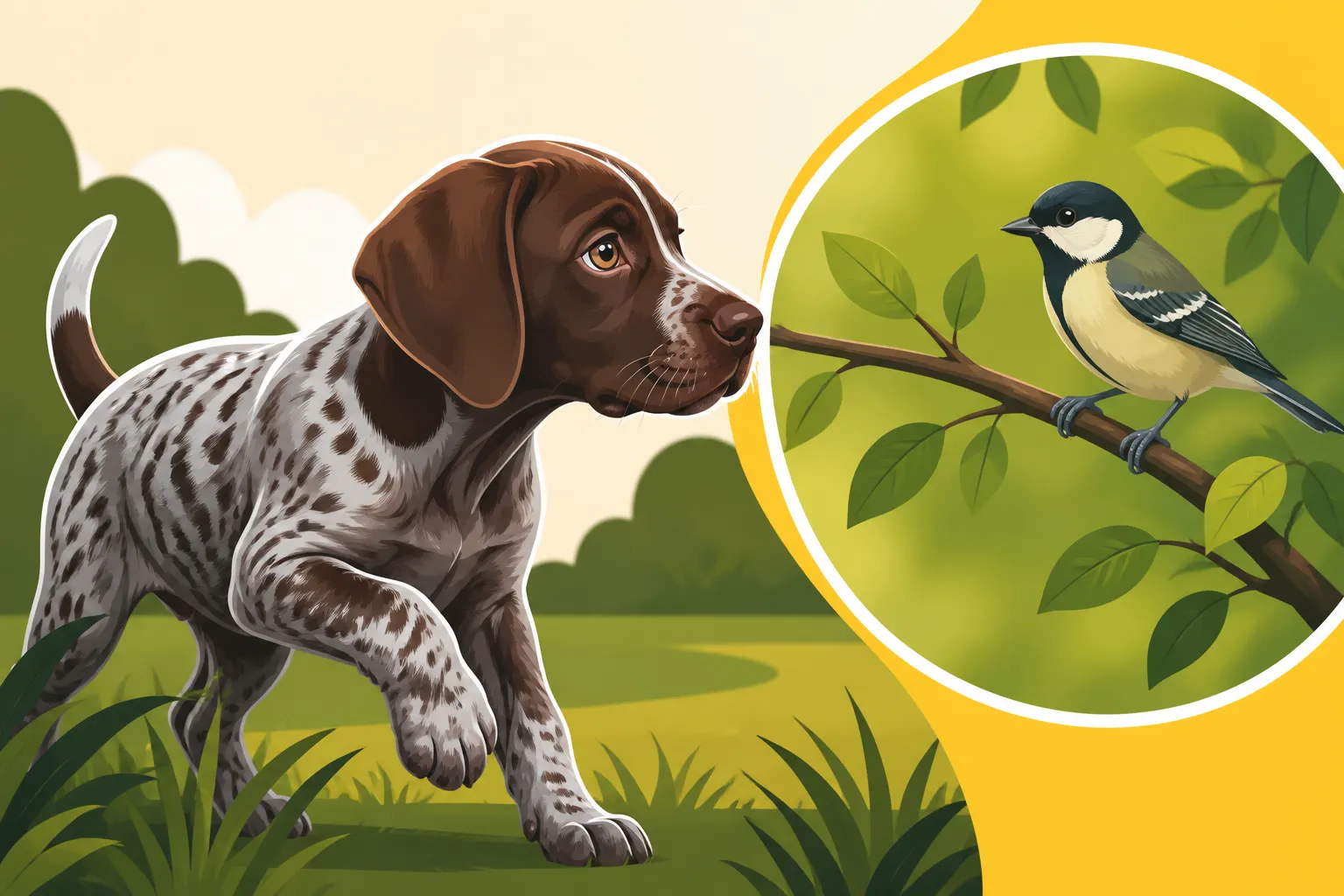
It's an age-old question for every German Shorthaired Pointer owner with hunting aspirations: when exactly is the right time to introduce your eager, bouncy puppy to its first wild bird? It's a moment filled with anticipation, but getting the timing right can make all the difference between fostering a natural hunter and overwhelming a young dog. This guide will walk you through the optimal age, essential preparations, and how to make that crucial first wild bird encounter a success for your developing Shorthair.
Understanding the "Right" Age for a Wild Bird Introduction
There's a common misconception that the younger a German Shorthaired Pointer puppy is introduced to birds, the better. While early exposure to birds can be beneficial, rushing the introduction to wild birds can actually be counterproductive, even damaging. Wild birds carry a lot more unpredictability and stimulation than controlled training birds, and a puppy needs a certain level of maturity and foundational training to process it all positively.
Why Maturity Matters for Wild Birds
Think about it from your Shorthair's perspective. A wild bird isn't just a bird; it's a sensory explosion. It has a stronger, more complex scent than a pen-raised bird. It often moves faster, flushes harder, and can fly much further. The environment is also less controlled, with more distractions like different terrain, other smells, and changing cover. A very young puppy, still developing its nervous system and focus, can easily become overstimulated or even scared by such an intense experience. We've all seen that high-strung Shorthair that gets too excited, bumps birds, or doesn't know how to handle the pressure. Much of that can stem from overwhelming experiences early on.
Instead of a specific calendar age, think about developmental readiness. Your German Shorthaired Pointer needs to have a solid grasp of basic obedience, including a reliable recall and the beginnings of "whoa." It should be confident in various environments and have a good understanding of what you expect of it. For many Shorthairs, this stage typically falls between 6 to 12 months of age. Some highly confident, naturally driven puppies might be ready closer to six months, especially if they've had excellent preliminary bird introductions. Others, particularly those that are a bit softer or more easily distracted, might benefit from waiting until they are closer to their first birthday. Pushing too hard, too fast, often leads to a dog that's not steady, bumps birds, or even develops gun shyness if gun introduction isn't handled carefully beforehand. You can explore The Age a Shorthair Puppy Starts Whoa for more insights into foundational training.
Avoiding Early Overwhelm and Negative Associations
The goal of the first wild bird introduction isn't to get a finished hunt, but to ignite and shape natural instincts in a positive way. If a puppy has a negative experience – for instance, it's scared by a loud flush, overwhelmed by too many birds, or corrected too harshly – it can develop a fear or aversion that's incredibly difficult to overcome. This isn't just about gun shyness; it can be bird shyness, cover shyness, or a general lack of confidence in the field.
Imagine taking a six-month-old Shorthair, barely past puppy classes, into a dense pheasant field on a windy day. The birds are explosive, the scent is overwhelming, and the wind is carrying your commands away. The puppy might chase every bird wildly, get lost, or simply shut down from the sensory overload. That experience could teach it that hunting is chaotic and scary, rather than an exciting partnership with you. We want to build confidence, not chip away at it. It's much easier to build good habits from the start than to fix bad ones later. For strategies on initial bird exposure, refer to The First Live Bird for a German Shorthaired Pointer.
Building the Foundation: Preparing Your Shorthair for Game
Before your German Shorthaired Pointer steps foot into wild bird country, there's a good amount of foundational work that needs to happen. This isn't just busywork; it's critical for setting your dog up for success and ensuring that when that first wild bird does flush, your Shorthair is prepared to handle it.
Essential Obedience and Steadiness Drills
A strong foundation in basic obedience is non-negotiable. Your Shorthair needs to understand and reliably respond to commands like "here" (recall), "sit," "stay," and, crucially, "whoa." These aren't just parlor tricks; they are safety commands and control mechanisms in the field. A dog that won't come when called is a danger to itself and a frustration to its owner. A dog that won't "whoa" will be bumping every bird it finds.
- Recall: Practice recall in increasingly distracting environments. Start in the backyard, then a park with mild distractions, then areas with more interesting smells. A long lead or check cord, easily found on Amazon, can be invaluable here. Always make coming back to you a positive experience with praise and treats.
- Whoa: This command teaches your dog to stop and stand still, regardless of distractions. It’s the cornerstone of a steady bird dog. Many trainers start this on a "whoa post" or "whoa table" to instill the concept of stopping and staying. Gradually introduce distractions like a rolled wing, then a remote-controlled bumper, and eventually live birds on a check cord. Teaching a Shorthair Whoa on a Table or Barrel offers detailed guidance on this.
- General Manners: Your GSP should be comfortable with being handled, wearing a collar, and walking on a leash. They should be calm enough to sit quietly in a truck or dog box, which will be essential for getting to and from hunting locations. Think of an online puppy training program, such as those offered by BAXTER & Bella, which can provide structured guidance for these early stages.
Gradual Bird and Gun Introduction
Your Shorthair shouldn't encounter its first wild bird and its first gunshot and its first wide-open field all at the same time. These experiences need to be introduced gradually and positively.
Starting with Controlled Bird Exposure
Before wild birds, your Shorthair should have positive experiences with pen-raised birds like pigeons, quail, or chukar. These birds are less explosive and can be controlled more easily, allowing you to shape desirable behaviors without overwhelming the puppy.
- Wing on a String: For very young puppies (3-5 months), a simple pheasant or quail wing tied to a fishing pole can be a fantastic way to spark interest without pressure. Let them chase, mouth, and get excited about the scent and feathers. See Wing on a String for a Shorthair Puppy for more.
- Controlled Flushes: Once they're a bit older and showing good bird drive, introduce live, pen-raised birds. Start by placing a bird in cover and letting your Shorthair find it. Let it point, then flush the bird. The key is to make it exciting and positive. Don't worry about perfect steadiness at this stage; focus on igniting the prey drive and encouraging a natural point. You can read more about Using Pigeons to Start a Shorthair for practical steps.
- Introducing the Gun: Gun introduction must be done slowly and from a distance. Start with a cap gun or .22 blanks fired far away while your Shorthair is focused on something positive, like eating or playing. Gradually decrease the distance and increase the sound. Never force it or associate the sound with anything negative. A gun-shy dog is a heartbreaker, and it's far easier to prevent than to cure. Check out Building a Shorthair's Gun Tolerance From a Distance to ensure you do this right.
Physical Conditioning and Environmental Exposure
A well-conditioned dog is a more confident dog. Your Shorthair needs to be physically capable of navigating varied terrain without becoming exhausted or sore. This also means exposure to different environments.
- Varying Terrain: Take your GSP on walks and runs through different types of cover – tall grass, light woods, over logs, through shallow water. This builds muscle, coordination, and confidence in navigating unfamiliar ground.
- Sensory Experiences: Expose them to new sights, sounds, and smells. Let them explore safely. This helps them learn to process new stimuli without fear or overreaction, which is crucial for the unpredictable nature of wild bird hunting.
- Vet Check-Up: Before embarking on serious field work, ensure your Shorthair has had a full vet check-up. They need to be in good health, up-to-date on vaccines, and have a clean bill of health to handle the rigors of hunting. Don't forget their flea and tick prevention, especially if you're headed into tall grass. The Vet Schedule a Working Shorthair Should Keep outlines typical requirements.
The First Encounter: Making a Successful Wild Bird Introduction
This is it—the moment you've been waiting for! Introducing your German Shorthaired Pointer to its first wild bird should be a carefully managed event, focusing on building positive associations and shaping natural instincts, rather than expecting a perfect hunt. Remember, this is a learning experience for your dog, not a test of your training.
Choosing the Right Environment and Conditions
Location and timing are crucial. You want to choose a place where you know there are wild birds, but not an overwhelming number of them. Think of it as a quality over quantity approach.
- Bird Abundance: A field with a moderate, predictable population of wild birds is ideal. You don't want a "bird factory" with flushes every few steps, as this can overstimulate a young dog. A place with good pheasant, quail, or grouse cover works well.
- Weather: Pick a mild day. Avoid extreme heat or bitter cold, as these can quickly lead to discomfort and distract your dog from the task at hand. Also, consider wind conditions; a light breeze can help carry scent, but a strong, gusty wind can make communication difficult and scenting challenging for a novice.
- Minimize Distractions: Try to go when there are minimal other hunters or dogs around. This ensures your Shorthair can focus on the birds and on you without too many competing stimuli.
- Time of Day: Early morning or late afternoon often offers cooler temperatures and more active birds. It also tends to be quieter.
Managing Expectations and Shaping Behavior
Your first wild bird introduction isn't about bringing birds to hand or having a flawless point. It's about letting your German Shorthaired Pointer experience the excitement, scent, and unique challenge of wild game.
- Keep it Short and Sweet: The first few sessions should be brief. Aim for one or two good finds, then end on a high note. You want your dog to leave the field wanting more, not exhausted or frustrated.
- Focus on the Point: Encourage your dog's natural pointing instinct. When your Shorthair gets birdy and locks up, give gentle encouragement. Let them hold the point for a moment. This is a critical instinct that will be refined over time. You can learn more about Reading a Shorthair's Point Before It Breaks.
- Handle the Flush Positively: When the bird flushes, your Shorthair will likely chase. This is natural and exciting! Don't punish the chase initially. The goal is to build prey drive. Over time, you'll start to introduce "whoa" to steady them to wing and shot, but the very first few times, let them experience the thrill.
- Gun Safety and Reinforcement: If you plan to shoot over your dog, ensure their gun introduction has been thorough beforehand. Fire a small gauge shotgun from a distance after the bird is in the air and your dog is focused on the flush. Watch their reaction carefully. If they show any signs of fear, stop immediately and revert to earlier gun introduction steps. Your dog's well-being and confidence come first.
- Positive Reinforcement: Shower your Shorthair with praise and affection for good behavior. A pat, an excited voice, and even a special treat can reinforce the positive experience. Avoid harsh corrections. If your dog makes a mistake, redirect them gently or simply end the session and try again another day.
Common Pitfalls to Avoid
Even with the best intentions, it's easy to fall into traps that can derail a successful wild bird introduction.
- Overworking: A tired puppy is a distracted, inefficient learner. Don't let your Shorthair run for hours. Short, focused sessions are far more effective.
- Too Much Pressure: Avoid putting too much pressure on your dog or yourself. If you're stressed, your dog will pick up on it. Keep it fun and relaxed.
- Ignoring Body Language: Pay close attention to your Shorthair's cues. Are they happy and engaged? Or are they showing signs of stress, fear, or disinterest? A tucked tail, avoiding eye contact, or a lack of enthusiasm are all red flags.
- Lack of Control: Always use a check cord or keep your dog in a controlled environment until you are absolutely certain of their recall and steadiness. The last thing you want is a lost puppy or one that runs into danger.
Beyond the First Bird: Continuing Development and Exposure
The first wild bird encounter is just the beginning of a long and rewarding journey with your German Shorthaired Pointer. Think of it as laying the groundwork. Now, you’ll focus on refining those natural instincts and building a more polished hunting partner.
Progressive Training and Increasing Expectations
Once your Shorthair has had a few positive wild bird experiences, you can gradually increase your expectations and introduce more advanced training concepts.
- Steadying to Wing and Shot: This is where that "whoa" command really comes into play. After your dog points, you'll encourage them to hold their position while the bird flushes and you fire a shot. This takes immense patience and consistency. You might start by having a helper flush the bird while you hold your dog on a check cord, gradually releasing the pressure as they become more reliable.
- Retrieving: While many German Shorthaired Pointers are natural retrievers, formal training is often needed, especially for retrieving to hand. This could involve using bumpers first, then gradually introducing cold game. Some GSPs may require force fetch training to ensure a reliable and soft-mouthed retrieve. Learn about Force Fetch Explained for a Shorthair Owner.
- Working with Other Dogs: If you plan to hunt with multiple dogs, introduce your Shorthair to working alongside a brace-mate gradually. Teach them to honor another dog's point, a skill known as "backing." This requires discipline and respect for another dog's work.
- Advanced Handling: As your Shorthair matures, you can introduce whistle commands and hand signals for directing them at a distance, especially useful in big, open country. This allows you to guide them into productive cover without constant verbal commands.
Continued Exposure to Diverse Environments
Don't limit your Shorthair's experiences to just one type of cover or bird. Exposure to various hunting scenarios will make them a more versatile and adaptable hunter.
- Different Birds: Introduce them to different species of upland birds if available – quail, grouse, chukar, and even pheasants. Each bird presents unique challenges in terms of scent, flush, and habitat.
- Varied Terrain: Hunt in different types of fields, woods, and marshy areas. This helps them learn to navigate various obstacles, scent conditions, and footing. A dog that is only used to flat fields might struggle in dense woods or over rocky terrain.
- Changing Weather: As your dog gains experience, gradually expose them to hunting in different weather conditions – crisp autumn mornings, light rain, or even slightly warmer early season days. Always prioritize their safety and comfort, especially in extreme temperatures. Heat Exhaustion in an Early Season Shorthair provides valuable information on managing your dog in warmer conditions.
The Lifelong Learner: Your German Shorthaired Pointer
Even after your German Shorthaired Pointer becomes a seasoned hunter, the learning never truly stops. Regular training refreshers, continued physical conditioning, and simply spending time in the field together will strengthen your bond and keep their skills sharp.
Think of it this way: your German Shorthaired Pointer is an athlete, and like any athlete, they need consistent practice and care. Keep those "whoa" drills sharp, ensure their recall is always impeccable, and continue to expose them to new, positive experiences. The investment you make in their early training and wild bird introduction will pay dividends for years to come, turning that eager puppy into a truly magnificent and trusted hunting companion. And remember, the journey is just as important as the destination.
Disclaimer
This article is for general informational purposes only and does not constitute professional advice. Laws, prices and regulations vary by location and change over time. Consult a qualified professional for guidance on your specific situation.