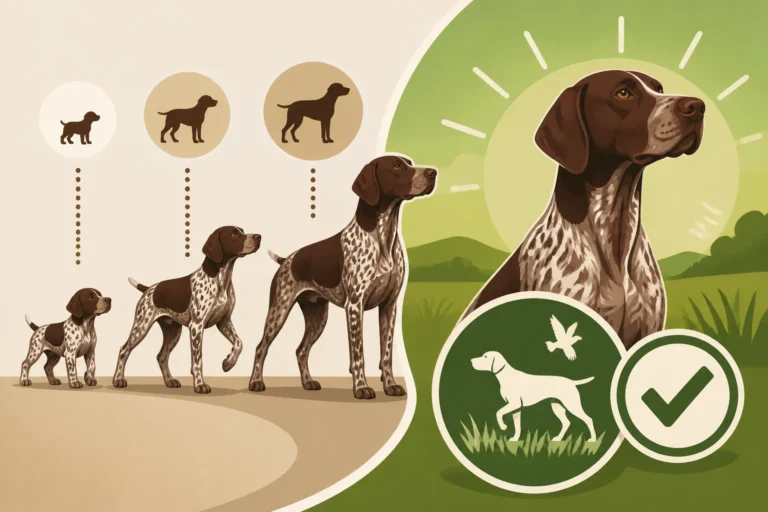
Whether a Pet Shorthair Should Be NAVHDA Tested
It's a common question that swirls through the minds of German Shorthaired Pointer owners who adore their energetic companions but don't necessarily hunt with them: "Should my pet Shorthair be NAVHDA tested?" You love seeing your dog use their instincts, but you might worry if these rigorous tests are even relevant or beneficial if you're not planning to take them to the field. This guide aims to clear up that confusion, exploring what NAVHDA is all about and whether its unique blend of instinct and structure could be a fantastic, fulfilling path for your pet GSP, or if other avenues might be a better fit.
Understanding NAVHDA's Core Mission for the German Shorthaired Pointer
Before we can even begin to answer whether a pet German Shorthaired Pointer should be NAVHDA tested, we first need to understand what NAVHDA actually is. The North American Versatile Hunting Dog Association (NAVHDA) was founded with a very specific, noble purpose: to foster, promote, and improve the versatile hunting dog breeds in North America. These aren't just "pet" tests; they are designed to evaluate and ultimately improve dogs capable of excelling in the field, finding birds, retrieving them, and tracking.
The Philosophy Behind NAVHDA's Tests
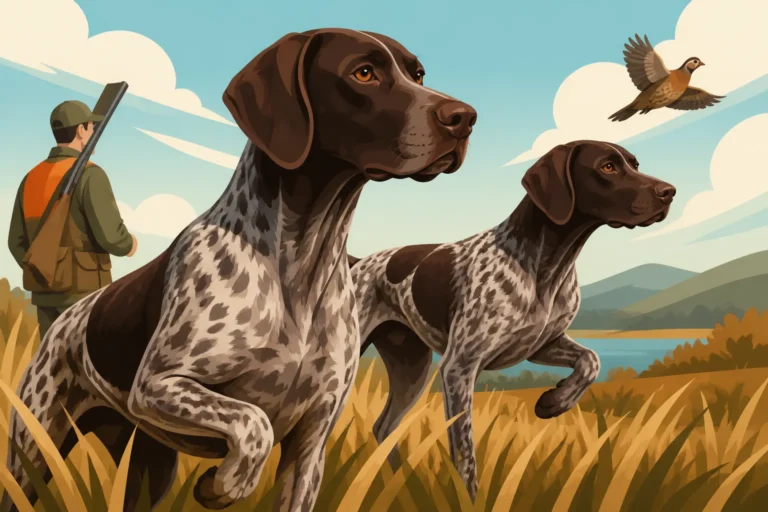
NAVHDA’s philosophy is rooted in the belief that the best hunting dogs are those that possess a wide range of natural abilities, alongside the trainability to harness those instincts. They call it "versatility" – a dog that can point upland birds, track wounded game, and retrieve from land and water. This isn't just about getting a title; it's about preserving and enhancing the very traits that make German Shorthaired Pointers such incredible working partners. When a GSP steps into a NAVHDA test, it's not just showing off tricks; it's demonstrating its genetic heritage and how well it embodies the characteristics carefully bred into the line for generations. It’s a showcase of purpose, not just performance.
Overview of the Natural Ability Test (NA)
For many owners, especially those with a young German Shorthaired Pointer, the Natural Ability (NA) test is the first, and sometimes only, exposure to NAVHDA. This test is specifically designed for young dogs, generally under 16 months of age, though older dogs can still run it. The genius of the NA test is that it evaluates innate traits, not extensive training. Judges are looking for the raw material, the building blocks of a great hunting dog. They assess seven distinct areas:
- Nose: How well the dog uses its scenting ability to find game.
- Search: The dog's desire and pattern in searching for birds.
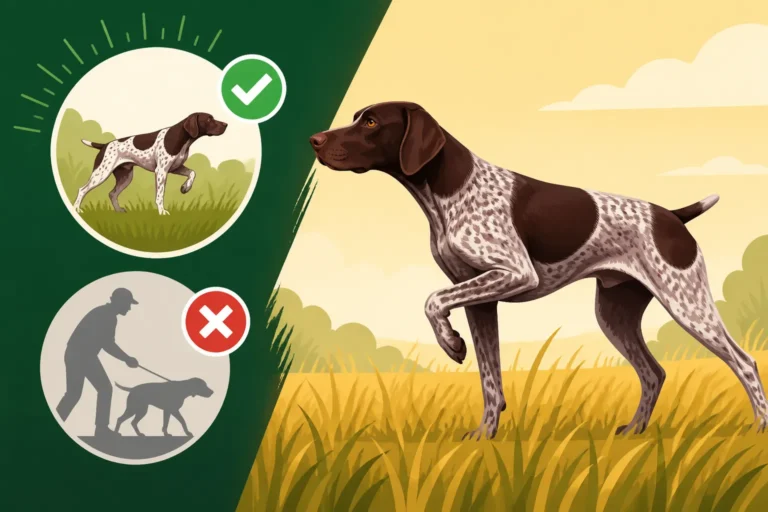
- Pointing: The natural tendency to lock onto game.
- Tracking: The ability to follow a scent trail.
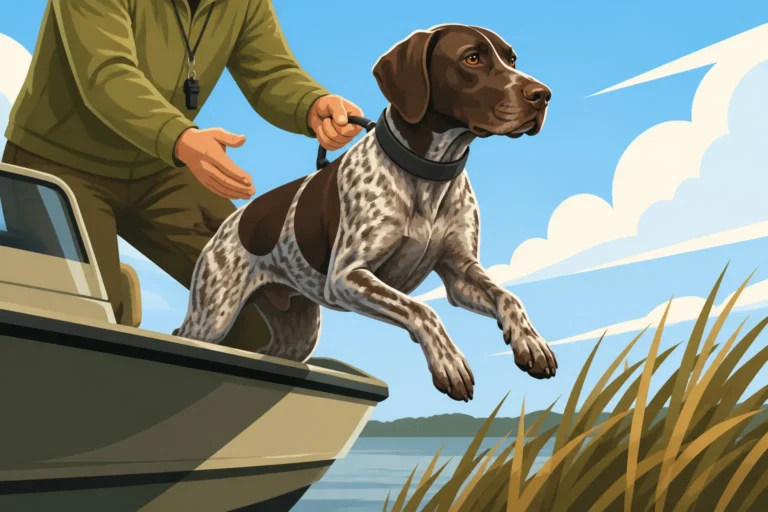
- Water: The desire to enter water and retrieve.
- Desire to Work: The enthusiasm and drive the dog shows throughout the test.
- Temperament: How the dog handles various situations and interactions.
It's truly fascinating to watch a young Shorthair perform, often on little more than instinct, showing flashes of brilliance that hint at their potential. You might see a dog with an incredible nose or one that just adores the water, and the NA test gives you objective feedback on these inherent traits. This can be a huge eye-opener for owners who have only ever seen their GSP as a couch potato or a running buddy. The scoring provides insight into What the Natural Ability Test Scores on a Shorthair, giving you a clear picture of their natural gifts.
Beyond NA: Other Levels and Their Demands
While the Natural Ability test is often the entry point, NAVHDA offers more advanced levels for those who wish to pursue hunting dog development further. The Utility Preparatory Test (UPT) and the Utility Test (UT) build upon the NA, introducing more complex scenarios and requiring a higher degree of training and control. These tests involve retrieving multiple birds, advanced water work, steadiness to wing and shot, and specific handling commands at a distance. Finally, the ultimate challenge is the Invitational Test, where dogs must demonstrate exceptional versatility and skill in a simulated hunting scenario.
These higher levels demand significant commitment, time, and advanced training techniques, often involving professional trainers and specialized equipment. For the average pet owner, the NA test is usually the most relevant and accessible, as it focuses on raw talent rather than polished performance, making it a viable consideration even if you don't intend for your GSP to become a fully finished gun dog.
Why a "Pet" Owner Might Consider NAVHDA Testing
It might sound counterintuitive to consider NAVHDA for a dog that primarily lives as a family companion. After all, if you're not going out to hunt pheasants every fall, why bother? But for German Shorthaired Pointers, who are literally bred to hunt, engaging their instincts is about more than just a sport; it's about their very well-being. Thinking about whether a Shorthair needs to hunt to be happy reveals that while not every Shorthair needs to be a competitive field dog, they absolutely thrive when their natural abilities are acknowledged and channeled.
Tapping into Natural Instincts for Enrichment
German Shorthaired Pointers are, by design, high-drive, intelligent animals with a powerful prey drive and an incredible nose. Ignoring these innate traits often leads to frustration for the dog, manifesting in destructive behaviors, excessive barking, or anxiety. Instead of fighting against their nature, embracing it, even in a non-hunting capacity, can be incredibly enriching.
The NAVHDA Natural Ability test provides a structured way to allow your GSP to explore and utilize these instincts in a controlled environment. Imagine watching your dog, tail wagging furiously, nose to the ground, as they methodically search for a bird, or confidently plunge into water to retrieve a bumper. These aren't just "tests"; they are deeply satisfying experiences for a breed that lives to work. It's a fantastic mental and physical workout that goes far beyond a walk around the block, tapping into the very core of what makes a Shorthair a Shorthair.
Building a Stronger Bond Through Shared Activity
The journey of preparing for a NAVHDA test, even just the NA, is a bonding experience like no other. It’s not about perfection; it’s about discovery and partnership. You're learning to read your dog, to understand their drives, and to encourage their natural talents. The training involved, whether it's working on recall around distractions, introducing them gently to a The First Live Bird for a German Shorthaired Pointer, or simply building confidence in new environments, strengthens the connection between you and your dog.
Think of it as a shared adventure. You might not become a master trainer, but the process of engaging in an activity that your dog loves and is hardwired for creates a unique understanding. It’s a chance to witness your dog truly "shine" in their element, and that pride and connection are invaluable. This kind of focused work also contributes significantly to The Structure a German Shorthaired Pointer Needs Daily, helping to create a well-rounded and contented companion.
Gaining an Objective Assessment of Your Dog's Potential
For pet owners, a NAVHDA test can also serve as an objective evaluation of their GSP's inherent qualities. Maybe you've always suspected your dog has a great nose, or that they're a natural retriever. The NA test provides a professional assessment from experienced judges, confirming these observations and sometimes revealing talents you hadn't even recognized.
This insight can be incredibly useful. If your GSP scores well in areas like desire and search, it tells you they have a strong work ethic and intelligence that can be channeled into various activities, not just hunting. It helps you understand your dog better and can guide you in choosing other enrichment activities or sports that might align with their strengths. It’s not about validating your dog as a "hunter" if that's not your goal, but about understanding their full potential as a German Shorthaired Pointer.
Practicalities and Challenges for the Non-Hunting Home
While the idea of tapping into your GSP's natural instincts through NAVHDA sounds fantastic, it’s important to be realistic about the practical challenges, especially if you're not immersed in the hunting dog world. It's not as simple as signing up and showing up.
Time and Training Commitment Required
Even for the Natural Ability test, which emphasizes natural instinct, some preparation is necessary. Your dog needs to be comfortable with new environments, people, and other dogs. They need basic obedience, including a reliable recall, and ideally, some exposure to the elements of the test. While you don't need a "finished" gun dog, a GSP that has never seen a live bird, never been in water, or never heard a blank pistol might struggle, or worse, develop negative associations.
This means dedicating consistent time to training, even if it's just for a few months leading up to the test. For busy pet owners, finding The Two Hours a Day a German Shorthaired Pointer Needs for general exercise, let alone specific training, can be a hurdle. It's not just about the hours you spend, but the quality and consistency of that time. Online resources, like those offered by BAXTER & Bella, can provide a solid foundation in puppy obedience and basic manners, which are crucial precursors to any specialized training, including NAVHDA prep. While not specifically hunting-focused, a well-behaved dog is a dog ready to learn anything.
Access to Birds and Training Grounds
This is often the biggest hurdle for pet owners. NAVHDA tests, by their very nature, require birds (chickens, pigeons, pheasants, or quail) to evaluate a dog's pointing and retrieving instincts. If you don't have a hunting background, finding sources for birds can be tricky and expensive. Similarly, you need access to suitable training grounds – open fields for search and point, and a pond or lake for water work.
Many NAVHDA chapters offer training days, clinics, and resources, which can be invaluable. However, if you live in an urban area without easy access to such facilities or a supportive community, this can be a significant logistical challenge. You might need to travel, which adds to the time and cost. Without proper exposure, your dog might not perform to their potential, or worse, develop a fear of the unfamiliar elements.
Financial Investment in Training and Entry Fees
While not as costly as advanced hunting trials, entering a NAVHDA Natural Ability test still involves some financial outlay. There are membership dues for NAVHDA, chapter dues, entry fees for the test itself, and potentially costs for birds if you're training independently or attending clinics. If you opt for professional help to prepare your dog, even for just a few sessions, those costs can add up quickly.
Consider also the gear: a good check cord for working on whoa (essential for field work), a quality whistle, and perhaps a robust dog crate or box for safe transport to training and tests. While you can find many items on Amazon, for example, a high-quality GPS tracking collar or a durable vest built for active dogs can represent a notable investment. You're not just paying for a test; you're investing in a new facet of your dog's life and your relationship with them. It's important to weigh these costs against your budget and commitment level.
Alternatives and Complementary Activities for Your Pet GSP
Let's be clear: not every German Shorthaired Pointer needs to be NAVHDA tested to be happy and fulfilled. If the commitment seems too daunting, or if your circumstances don't align, there are countless other ways to engage your brilliant companion. The goal is always to provide adequate mental and physical stimulation to prevent boredom and What a Shorthair Destroys in Its First Year if left under-exercised.
Other Dog Sports That Celebrate Athleticism
German Shorthaired Pointers excel in a wide array of dog sports that can scratch that athletic and mental itch. Many of these require less specialized equipment or land than traditional NAVHDA training.
- Agility: This fast-paced sport involves navigating an obstacle course, which is fantastic for a GSP's speed, athleticism, and problem-solving skills.
- Dock Diving: If your Shorthair loves water, dock diving is a perfect outlet! It taps into their natural retrieving and jumping abilities in a fun, competitive way.
- Obedience/Rally Obedience: These sports build on foundational skills, offering structure and mental challenge. Group Obedience Before a Shorthair Starts Birds is always a good idea, and these sports take it to the next level.
- Nose Work/Scent Work: This is arguably one of the most natural fits for a GSP who wasn't bred solely for hunting. It hones their incredible sense of smell, allowing them to search for specific odors. This is immensely rewarding and can be done almost anywhere.
- Canicross/Bikejoring: If you're an avid runner or cyclist, these sports allow your GSP to pull you, providing an amazing physical outlet for their boundless energy.
These activities offer fantastic ways to bond, challenge your dog, and burn off that famous GSP energy without the specific focus on hunting game.
Local Training Groups and Mentors
Even if you decide against NAVHDA testing, seeking out local dog training clubs or groups is highly recommended. These communities often provide a wealth of knowledge, support, and friendship. You might find groups focused on specific sports, or just general "fun with your dog" meetups. Many experienced GSP owners are passionate about their breed and happy to share their insights, helping you navigate the unique challenges and joys of living with a Shorthair.
These groups can be a great way to access shared resources, like training fields or even just knowledge about where to find safe swimming spots for your water-loving companion. They provide that critical social outlet for both you and your dog, which is vital for a well-adjusted GSP.
Backyard Brain Games and Scent Work
You don't need fancy equipment or a specific title to keep your German Shorthaired Pointer engaged. Simple activities at home can make a huge difference in their daily fulfillment.
- Hide-and-Seek: Hide treats or toys around the house or yard and encourage your GSP to find them using their nose. This is a basic form of scent work that they adore.
- Puzzle Feeders and Scent Games for a Shorthair: These are fantastic for mental stimulation. Instead of just eating from a bowl, your dog has to "work" for their meal, solving a puzzle or sniffing out kibble hidden in a snuffle mat.
- Fetch/Retrieve Games: Utilize their natural retrieving drive with games of fetch, or even practice a "blind" retrieve where they have to find a thrown object they didn't see land. This can be as simple as throwing a bumper from a brand like Ruffwear into tall grass.
- "Find It" Games: Teach your dog to find specific items by scent. Start with something simple like your car keys, and gradually increase the difficulty.
These kinds of activities don't just tire your dog out; they make them think, which is often more exhausting (in a good way!) than pure physical exercise for an intelligent breed like the German Shorthaired Pointer. It keeps their minds sharp and their bodies engaged, reinforcing that deep bond you share, whether you pursue titles or simply a happy, well-adjusted pet.
Disclaimer
This article is for general informational purposes only and does not constitute professional advice. Laws, prices and regulations vary by location and change over time. Consult a qualified professional for guidance on your specific situation.