A Shorthair That Points Butterflies and Birds Alike
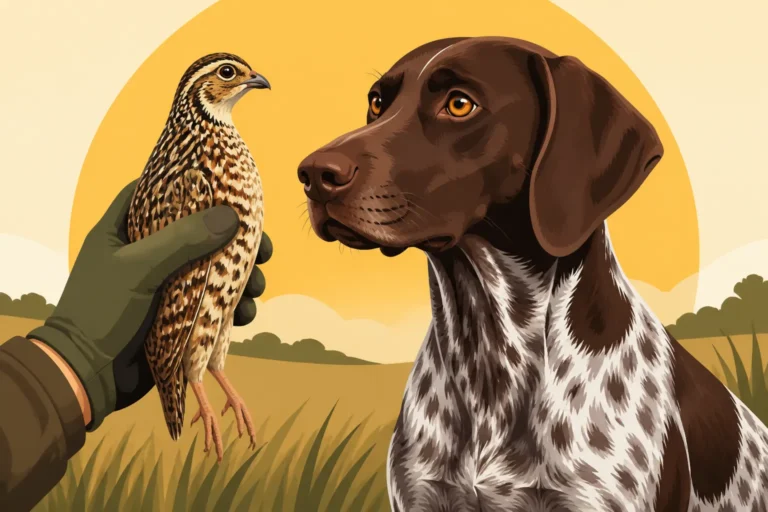
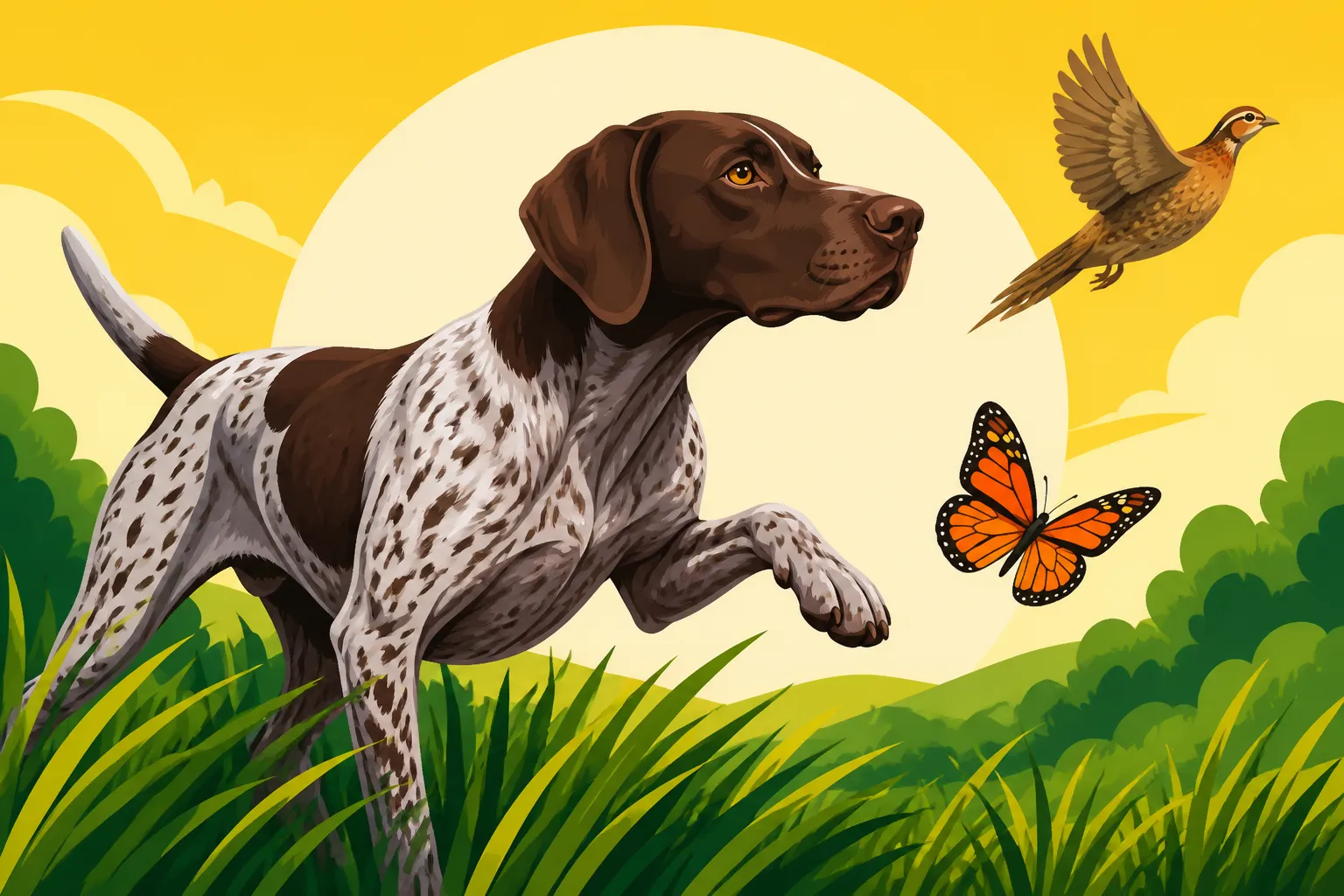
Oh, the joy of watching your beautiful German Shorthaired Pointer lock up on point… only for you to realize it's a leaf. Or a butterfly. Or your cat's tail. It's a common, if sometimes comical, frustration for GSP owners, especially with younger dogs who seem to think everything deserves a hard point. While it's a testament to their incredible instincts, it can also be a bit perplexing when you're trying to train a focused bird dog. This guide will delve into why your eager Shorthair points butterflies and birds alike, and more importantly, how you can help them refine that powerful instinct into the precise, discerning bird-finding machine they were bred to be.
Understanding Your Shorthair's Natural Instincts
German Shorthaired Pointers are, by their very design, natural-born hunters. Their entire history is steeped in the tradition of finding, pointing, and retrieving game. This isn't just a learned behavior; it's hardwired into their DNA, a deep-seated instinct passed down through generations. When you see your GSP pointing a dandelion, you're witnessing the raw, unpolished version of this incredible genetic inheritance.
The Intense Prey Drive of a GSP
The German Shorthaired Pointer was specifically developed in Germany to be a versatile hunting dog, capable of excelling in the field, forest, and water. This meant breeding for an intense prey drive and an unwavering pointing instinct. They needed to find birds, hold steady, and then retrieve them, sometimes even tracking furred game. This intense drive means they are highly attuned to movement, scent, and visual cues in their environment. Every twitch, every flutter, every sudden change can trigger that powerful pointing response.
Think about the earliest days of the breed in The German Kennels the Shorthair Was Built In. These dogs weren't just pets; they were essential partners in providing food. Their ability to locate and indicate game was paramount. This history means that what we call "pointing" is less about intellectual discernment in a young dog and more about a primal freeze response when their senses are overloaded with something interesting. It's a sudden halt, a moment of intense focus, that says, "Aha! Something is here!"
The Difference Between Instinct and Trained Behavior
It's crucial to differentiate between instinct and trained behavior when working with your Shorthair. Instinct is the raw material – the inherent urge to point, chase, or retrieve. It's what makes a GSP a GSP. Trained behavior, however, is the refinement and channeling of that instinct into a controllable, useful action. A puppy points a butterfly because its instinct tells it to "freeze and focus" on movement. An experienced bird dog points a pheasant because it has learned through countless repetitions that this specific type of movement and scent is what we're looking for, and holding steady on it brings a reward.
Your goal isn't to eradicate the instinct – that would be impossible and undesirable! Instead, you want to shape it. You want to teach your GSP when and on what to apply that magnificent instinct. This means providing structure and clear expectations, which is where consistent training comes in. Without it, your dog will operate purely on instinct, which, while impressive to watch, isn't always practical for specific hunting or even polite household behavior.
Why "Everything" Becomes a Pointing Opportunity
It can be endearing, exasperating, and occasionally hilarious to watch a GSP point literally anything that catches its eye or nose. But why do they do it? It boils down to a combination of sensory processing, lack of experience, and the sheer joy of engaging their natural abilities.
Sensory Overload in a Young or Untrained Dog
Imagine being a young German Shorthaired Pointer puppy, seeing the world for the first time with those powerful senses. Every leaf that blows, every insect that buzzes, every shadow that shifts—it's all new, exciting, and potentially a "bird" in their undeveloped understanding. Their keen eyes track movement, their powerful noses pick up a myriad of scents, and their brains are trying to make sense of it all. In this state of sensory overload, the "point" becomes their default response to anything remotely interesting. It's their way of saying, "Hey, human! Look! What is this fascinating thing?"
A young Shorthair hasn't yet learned to filter out the irrelevant stimuli. To them, the rustle of a squirrel in the bushes is just as captivating as the scent cone of a quail, at least initially. Their inherited drive to find game is so strong that it often generalizes to any novel stimulus. This is perfectly normal and a sign of a healthy, inquisitive, and highly driven dog. It's not a flaw, but rather an unrefined skill waiting for your guidance.
Lack of Discernment and Experience
The ability to discern what constitutes "game" versus what is just a random distraction comes with experience and careful training. A GSP doesn't come pre-programmed to ignore songbirds or butterflies. They need to be taught. Without exposure to actual game birds in a controlled environment, and without consistent feedback from their handler, they simply don't have the context to differentiate. They're like a novice chef who sees every ingredient as equally important without understanding the recipe.
This is why proper bird introduction is so critical. If a young GSP's only "pointing opportunities" are butterflies in the backyard, they'll become very proficient at pointing butterflies. They need direct, positive experiences with real birds to learn what the true target is. This is also why we sometimes see a Shorthair that points butterflies but bumps birds: they haven't learned the steady resolve required for game, only the initial freeze. Whether a Shorthair Points Naturally Without Training is a good question, and while the instinct is natural, the refined, discerning point is not.
The Joy of the Act Itself
Let's be honest, pointing feels good to a German Shorthaired Pointer! It's an act that engages their deepest instincts and provides a powerful rush. The tension in their body, the intense focus, the stillness—it's a complete expression of their purpose. Sometimes, a dog will point things simply because it feels good to engage that instinct, regardless of the actual value of the object. It's a self-reinforcing behavior.
This inherent satisfaction means that if you want your Shorthair to point only birds, you need to make pointing birds even more rewarding than pointing a leaf. This means ensuring that successful points on game lead to positive outcomes – a flush, a retrieve, praise, and continued hunting. This positive association helps build that crucial discernment, reinforcing the desired behavior.
Strategies to Refine Your Shorthair's Point
Turning your enthusiastic "everything-pointer" into a focused bird dog requires patience, consistency, and a structured approach. It's about channeling that incredible drive, not suppressing it.
Foundation Training: "Whoa" and Steadiness
Before you even think about introducing birds, your German Shorthaired Pointer needs a rock-solid foundation in obedience, particularly the "whoa" command. "Whoa" isn't just "stop"; it's a command to freeze in place, regardless of distractions, maintaining the position until released. This command is the cornerstone of a steady point. Without it, your dog will break point, chase, and essentially undo all the refinement you're trying to build.
Start teaching "whoa" in a calm, distraction-free environment. Many trainers begin with a "whoa post" or a barrel, teaching the dog to stand still for increasing durations. You can also work on it with a check cord, gently applying pressure and praising stillness. The Age a Shorthair Puppy Starts Whoa is often quite young, as building this foundation early is key. Consistency is paramount. Gradually introduce minor distractions as your dog masters the command. Remember, the goal is for "whoa" to be an automatic response, a mental anchor for your dog when its instincts scream to move. Online resources, like those offered by BAXTER & Bella, can provide excellent step-by-step guidance for early puppy training and foundational commands like "whoa."
Controlled Bird Introductions
Once your Shorthair has a reliable "whoa," you can begin controlled bird introductions. This is where you teach your dog what to point. Start with homing pigeons or pen-raised quail, as they are often more predictable than wild birds. The key is to control the situation so that your dog has successful, positive experiences.
A common method involves placing a bird in a bird launcher or a controlled pen, then bringing your dog in on a check cord. As the dog catches scent and locks up on point, reinforce that "whoa" command. Let them hold the point. Then, flush the bird. The goal is for the dog to stay steady until the bird is in the air. This teaches them that holding steady is what leads to the exciting flush. The First Live Bird for a German Shorthaired Pointer should be a highly positive, low-pressure experience. Over time, you can transition to more challenging birds like chukar or pheasants, and eventually, wild birds. Using tools like a "wing on a string" can even help build interest and the pointing instinct in very young puppies before live bird exposure.
Repetition and Positive Reinforcement
Training a discerning bird dog is all about repetition and consistent positive reinforcement. Every successful point, every steady hold, every retrieve needs to be praised and rewarded. This builds strong neural pathways, helping your dog understand what you want. Avoid harsh corrections, especially when a dog is trying to figure things out; this can make them hesitant or "soft." Instead, focus on setting them up for success and rewarding the correct behavior.
If your Shorthair points a butterfly, gently redirect them. Don't punish them for instinct. Simply bring their attention back to you or a more appropriate task. When they then point a bird correctly, lavish them with praise. Use high-value treats or their favorite toy as rewards during early training. The more positive experiences they have pointing birds, the more they will gravitate towards that specific target. You can find a wide range of training dummies, check cords, and bird launchers on Amazon to aid in these repeated training sessions.
Minimizing Distractions During Training
Especially in the early stages, minimize distractions. Don't expect your Shorthair to ignore a rabbit darting across the field if you're still working on basic whoa. Gradually increase the level of distraction as your dog progresses. Start in your quiet backyard, then move to a slightly busier park, and finally, to actual hunting fields.
When training for pointing, try to use areas where you can control bird placement. This isn't always possible in a wild environment, but simulated hunting scenarios are excellent for building focus. The less "noise" there is from irrelevant stimuli, the easier it will be for your GSP to focus on the task at hand: finding and pointing game.
| Behavior Characteristic | Unrefined Pointing (Puppy/Untrained) | Refined Pointing (Experienced Bird Dog) |
|---|---|---|
| Target | Butterflies, leaves, shadows, birds | Game birds (e.g., quail, pheasant) |
| Steadiness | May break point easily, creep, chase | Holds point until commanded, steady to wing and shot |
| Focus Intensity | High, but easily redirected by other novel stimuli | Laser-focused on game, ignores non-game distractions |
| Body Language | Excited, tense, sometimes hesitant | Confident, still, often intense "locked" posture |
| Discernment | Low; points anything stimulating | High; differentiates game from other wildlife |
| Handler Reliance | May need constant guidance/correction | Responds to subtle cues, self-corrects |
When to Seek Professional Guidance
Sometimes, despite your best efforts, your German Shorthaired Pointer might struggle to refine their pointing instincts, or perhaps you're simply new to bird dog training and need a more hands-on approach. There's absolutely no shame in seeking professional help; in fact, it's often the smartest decision for both you and your dog.
Identifying Persistent Issues
If you've been consistently working on foundation commands like "whoa" and have introduced birds in a controlled manner, but your Shorthair continues to struggle with discernment, steadiness, or understanding what is expected of them, it might be time to call in an expert. Persistent issues could include:
- Bumping Birds: The dog consistently flushes birds before you can get to them, rather than holding a point.
- Lack of Whoa: They simply can't hold a steady point, even on planted birds, and always break.
- Extreme Distractibility: They're still pointing everything and anything, showing no progress in focusing on game.
- Lack of Drive: On the opposite end, some dogs might not show enough innate interest in birds, which can also be addressed by a pro.
These aren't necessarily failures on your part, but rather indicators that a fresh perspective or more advanced techniques might be needed. The longer you let undesirable habits solidify, the harder they can be to correct down the line.
Finding the Right Trainer
Choosing a professional bird dog trainer is a big decision. You want someone who understands the German Shorthaired Pointer breed specifically, and who employs humane, effective training methods. Look for trainers who:
- Specialize in bird dogs: Not just general obedience, but someone experienced in pointing breeds.
- Use positive reinforcement: While e-collars can be part of advanced bird dog training, they should be used judiciously and never for fear-based training.
- Are transparent: They should be happy to show you their facilities, explain their methods, and provide references.
- Have a philosophy that aligns with yours: Do you want a strictly competition dog, or a solid hunting companion? Discuss your goals.
- Communicate well: A good trainer will teach you as much as they teach your dog, ensuring you can maintain the training at home.
Don't be afraid to interview a few trainers. Ask about their approach to specific GSP challenges, such as a dog that points butterflies. You might find that looking into NAVHDA (North American Versatile Hunting Dog Association) trainers in your area is a great starting point, as they are often highly skilled with versatile breeds like the GSP and understand the full spectrum of What the Natural Ability Test Scores on a Shorthair.
Benefits of a Structured Training Program
Enrolling your Shorthair in a structured professional training program offers several benefits. Firstly, professional trainers have the experience and resources (like live birds and varied training grounds) to expose your dog to consistent, effective scenarios. They can quickly identify the root cause of pointing problems and implement targeted solutions.
Secondly, these programs often provide intensive, daily training that's hard to replicate at home. This can accelerate the learning process significantly. Pro Trainer Rates by the Month for a Shorthair can be a consideration, but the investment often pays off in a more confident, focused, and well-trained hunting partner. Finally, a good program will include handler lessons, teaching you how to effectively work with your now more refined German Shorthaired Pointer, ensuring that the training sticks and continues to develop long after your dog comes home. Even for pet owners, understanding Whether a Pet Shorthair Needs Whoa at All can be beneficial, as it instills invaluable control and respect for your dog's instincts.
Disclaimer
This article is for general informational purposes only and does not constitute professional advice. Laws, prices and regulations vary by location and change over time. Consult a qualified professional for guidance on your specific situation.