How Far From a Shorthair to Fire the First Shot
Bringing a German Shorthaired Pointer into your home, especially with the intention of developing them into a capable bird dog, is an exciting journey filled with anticipation. But then comes the moment you realize you have to introduce them to gunfire, and a knot forms in your stomach. Many new GSP owners, and even some seasoned ones, worry endlessly about making their dog gun shy, because let's face it, that's a mistake that can derail their entire career in the field. This guide is here to walk you through how to properly introduce your Shorthair to the sound of a gun, focusing on the crucial first steps, especially that initial distance, to ensure a positive, calm association rather than fear.
Understanding Your German Shorthaired Pointer's Sensitivity to Noise
German Shorthaired Pointers are incredible athletes with keen senses, and their hearing is no exception. This heightened auditory perception, combined with their naturally sensitive and intelligent nature, means that how you introduce them to loud noises, especially gunfire, is paramount. You can't just take them out to the range and expect them to be okay; that's a recipe for disaster.
The Instinctive Reaction to Loud Noises
Think about it from your dog's perspective. A sudden, sharp, percussive sound is not natural. For many animals, loud bangs signal danger, an explosion, or a threat. While GSPs are bred to work with guns, that genetic predisposition means they can be conditioned, not that they are born immune to startling noises. Their prey drive might make them curious about birds, but the accompanying sound needs careful management. Some dogs might show a startle response, a quick twitch of the ears, or a moment of stillness. Others might react more dramatically: cowering, trying to flee, or even shutting down completely. Understanding this primal reaction is the first step to counteracting it effectively.
Identifying Early Signs of Noise Sensitivity
Before you even think about firing a shot, spend time observing your GSP's general reactions to everyday noises. How do they respond to a dropped pot, a car backfiring down the street, or a thunderstorm? Do they merely acknowledge the sound and move on, or do they visibly startle, tuck their tail, or seek comfort? Pay attention to subtle cues. A slight stiffening of the body, a quick flick of the ears to the side, or even just a wide-eyed stare can be early indicators of sensitivity. If your pup is already wary of a sudden thunderclap or fireworks, you know you'll need to be extra patient and methodical when it comes to gun introduction. Ignoring these early signs sets you up for challenges later on. For more insights on how to gauge your dog's reactions, you might find Reading a German Shorthaired Pointer's Stress Signals helpful.
The Genetic Component of Gun Shyness
It's a tough truth, but genetics play a significant role in a dog's predisposition to gun shyness. Even with the most careful introduction, a dog from lines prone to noise phobias or anxiety might struggle more. Responsible breeders are keenly aware of this and strive to produce dogs with sound temperaments, but sometimes, a sensitive individual can still emerge. This doesn't mean your dog is "broken" or can't be trained; it simply means you need to be even more patient, strategic, and ready to adapt your approach. Knowing your dog's lineage and asking your breeder about the temperament of their parents and previous litters can give you valuable insight into what to expect.
The Gradual Approach: Determining the Initial Distance
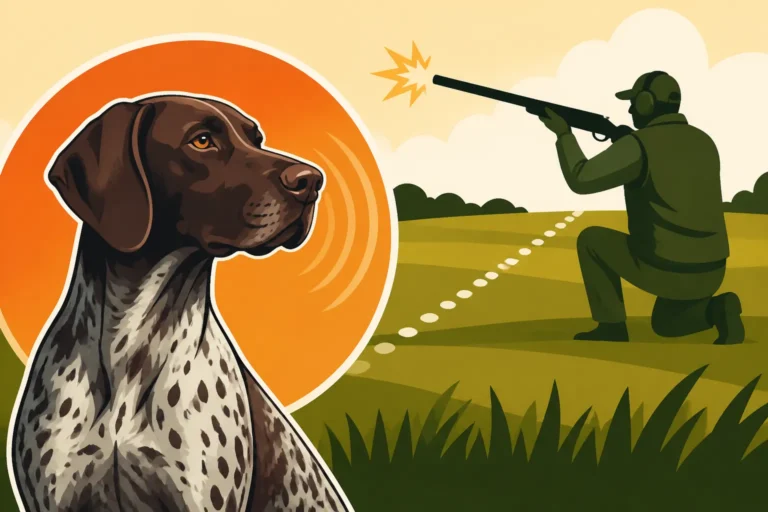
The absolute most critical aspect of introducing your German Shorthaired Pointer to gunfire is distance and gradual exposure. There's no single "magic number" that works for every dog, but the principle is universal: start so far away that the sound is barely a whisper, or ideally, completely unnoticed.
Starting with Distant, Low-Impact Sounds
When we talk about "the first shot," we're not talking about a 12-gauge next to a bird launcher. We're talking about something far less intense, from a significant distance. Many experienced trainers recommend starting with a cap pistol, not a blank gun or a shotgun. A cap pistol delivers a sharp but relatively low-decibel pop. The goal is for the sound to blend into the background, a non-event.
So, how far?
- Initial Baseline: Aim for at least 100 to 200 yards away from your GSP for the very first controlled sound. Some trainers even advocate starting at 300-400 yards, especially if you have a known sensitive pup or are just naturally cautious. The key is that the dog should be completely absorbed in a positive activity (like eating a favorite meal or playing with a beloved toy) and not even notice the sound at first.
- Why so far? If the dog notices the sound at this distance, it's too close. The whole point is to introduce the sound so subtly that it doesn't even register as startling. Their ears are incredibly sensitive. What sounds like a faint pop to you at 200 yards might still be a distinct, sudden noise to them.
- What if I don't have that much space? If you live in a suburban area and can't get hundreds of yards away, you need to get creative. Consider using even quieter sound sources (like snapping fingers or clapping at a great distance) or, if possible, take your dog to a quiet, open rural area for these critical first sessions. You can also start with a dog-friendly sound app on a smartphone, played at a very low volume from a distance, then gradually increase the volume and decrease the distance over many sessions. Starting a Shorthair's Gun Introduction With a Cap Pistol delves into this in more detail.
Creating a Positive Association
The entire purpose of starting far away and with low-impact sounds is to create a positive association. We don't want the dog to associate the sound with fear, pain, or confusion. We want them to associate it with good things: food, play, praise, and comfort.
Here's how to build that positive link:
- Engage and Distract: Have your GSP focused on something they absolutely love. This could be a high-value chew, a game of fetch, or their dinner bowl.
- Sound and Reward: While they are happily engaged and unaware, have a helper (or yourself, if using a remote device) fire the cap pistol at the predetermined safe distance. The moment the sound occurs, immediately give your dog a super high-value treat or engage in an even more enthusiastic play session. The sound becomes a predictor of good things.
- No Reaction is a Good Reaction: If your dog doesn't even flinch, great! That's the ideal scenario. If they perk an ear but immediately go back to their activity when rewarded, that's also good. If they show any sign of alarm, even a slight startle, you're too close. Stop, wait for them to calm, and try again further away next time.
- Keep it Brief: These initial sessions should be short and sweet. A few repetitions and then quit while you're ahead. You want to leave them wanting more, not overwhelmed.
Remember, this isn't a race. You're building a foundation of trust and confidence. Haste can undo weeks of careful work.
Observing Your Dog's Comfort Zone
Your dog will tell you when they are ready to decrease the distance or increase the volume. Learning to read their body language is vital. Look for:
- Relaxed Body: Loose tail, soft eyes, natural posture, no stiffening.
- Interest, Not Fear: A brief ear flick or turn of the head towards the sound, followed by immediate return to the rewarding activity.
- Eagerness: Actively engaging with their treat or toy, not shutting down or becoming distracted by the sound.
If you see any of the following, you've gone too fast or too close:
- Startling: Jumping, flinching, tensing up.
- Seeking Escape: Trying to run, hide, or pull away.
- Fear Signals: Tail tucked, ears flattened, yawning, lip licking, avoiding eye contact, trembling.
- Shutting Down: Freezing, refusing treats, losing interest in play, or becoming lethargic.
If any of these occur, immediately increase the distance and lower the intensity of the sound. You may even need to go back to previous, more successful steps. There's no shame in taking two steps back to ensure you don't create a gun-shy dog. Building a Shorthair's Gun Tolerance From a Distance provides more guidance on pacing.
Tools and Techniques for a Smooth Introduction
Beyond just distance and positive association, there are specific tools and techniques that can help make the gun introduction process smoother for your German Shorthaired Pointer. It’s about leveraging every available resource to set your dog up for success.
Utilizing Different Sound Sources
The journey from a barely audible pop to a full-blown shotgun blast is a marathon, not a sprint. You'll progress through different sound sources, gradually increasing decibels.
Here’s a common progression:
- Cap Pistol: This is your absolute starting point. As mentioned, fire it at extreme distances (100-200+ yards) while your GSP is happily engaged. You can buy these at novelty stores or sometimes even through online retailers like Amazon.
- Dog-Friendly Sound Apps/Recordings: There are smartphone apps and online recordings specifically designed for desensitizing dogs to various noises, including gunshots. These allow you to control the volume precisely. Start with these played very softly, even in a different room, while your dog is relaxed. Gradually increase the volume over many, many sessions, always associating it with something positive.
- .22 Caliber Blank Pistol: Once your Shorthair is completely unfazed by the cap pistol and loud recordings at closer distances, you can introduce a .22 caliber blank pistol. Again, start at a significant distance – often 75-100 yards minimum, even if they were fine with cap pistols at 25 yards. The sound profile is different and louder. Whether a Shorthair Hears a Blank Pistol or a Shotgun First can offer insight into the differences.
- 9mm Blank Pistol: This is the next step up, providing a louder bang, but still not a true shotgun report. Maintain distance, observe, and reward.
- Small Gauge Shotgun (e.g., .410 or 20 gauge): Finally, you'll introduce an actual shotgun. Again, begin with the smallest gauge you have, and fire it at a very far distance. Your dog should be completely unaware, focused on a bird (if you're at that stage) or a treat.
- Full Gauge Shotgun (12 gauge): This is the ultimate goal. By the time you get here, your GSP should be so well-conditioned that the sound of a 12-gauge is just part of the exciting hunt.
Key Rule: Never progress to the next sound source or closer distance until your GSP is completely relaxed and happy with the current level of sound and proximity. Table 1 below illustrates a possible progression.
Table 1: Gradual Gun Introduction Progression
| Stage | Sound Source | Initial Distance (Minimum) | Primary Goal | Associated Activity |
|---|---|---|---|---|
| 1 | Cap Pistol | 100-200 yards | No noticeable reaction; positive association | Eating, play |
| 2 | Sound App/Recording | Room away, low volume | Relaxed acceptance of increasing volume | Cuddles, quiet chew |
| 3 | .22 Blank Pistol | 75-100 yards | Unfazed by louder, sharper sound | Fetch, birds (distant) |
| 4 | 9mm Blank Pistol | 50-75 yards | Maintained focus despite increased volume | Retrieval, working birds |
| 5 | Small Gauge Shotgun | 50-75 yards | Comfortable with actual gun report | Active hunting drill |
| 6 | Full Gauge Shotgun | 25-50 yards (or closer in field) | Fully accepting as part of hunting | Real hunting scenarios |
Incorporating Positive Reinforcement
Positive reinforcement isn't just about treats; it's about making every step of the gun introduction a positive, rewarding experience. This means praise, play, and creating a strong emotional connection between the gun sound and something good.
- Food Rewards: High-value treats, like bits of cooked chicken or cheese, are fantastic for these sessions. Make the reward immediate and exciting the moment the sound occurs.
- Play Rewards: If your GSP is highly toy-motivated, a quick game of tug or fetch after a successful sound exposure can be incredibly reinforcing.
- Praise: Your enthusiastic "Good dog!" can do wonders. The tone of your voice conveys confidence and happiness, which your dog will pick up on.
- Controlled Bird Introductions: Once your GSP is showing strong bird drive and is comfortable with very distant, low-level sounds, you can start combining the two. Fire a very distant cap pistol shot just as a bird is flushed or retrieved. This directly links the sound to the excitement of the hunt. Many trainers use pigeons for this initial stage, as discussed in Using Pigeons to Start a Shorthair. The key is that the bird excitement should always outweigh any potential startling from the sound.
Don't be afraid to shower your dog with affection and praise when they handle the sounds well. This builds confidence and reinforces their positive behavior. Many great online training resources, like those offered by BAXTER & Bella, emphasize positive reinforcement methods that can be easily applied to gun introduction.
When to Seek Professional Guidance
There are times when even with the most diligent and patient efforts, a GSP might still exhibit fear or anxiety towards gun sounds. This is not a failure on your part, nor is it a sign your dog is untrainable. It's a signal that you need a specialist.
- Persistent Fear: If your dog consistently shows fear signals despite your gradual approach and significant distance, a professional can offer new strategies.
- Regression: If your dog suddenly regresses and starts reacting negatively to sounds they were previously fine with, a trainer can help identify the cause and formulate a recovery plan.
- True Gun Shyness: If you suspect your GSP is truly gun shy, meaning they have an ingrained fear response that prevents them from working, seeking help immediately is crucial. A skilled gun dog trainer or a veterinary behaviorist can often help rehabilitate these dogs, or at least help you manage their condition so they can live a happy, fulfilled life, even if a hunting career isn't in the cards. Fixing a Gun Shy German Shorthaired Pointer offers more hope and direction for these difficult situations.
A professional trainer has experience with many different temperaments and can observe nuances in your dog's behavior that you might miss. They can also use specialized equipment and environments to facilitate the desensitization process safely.
Common Pitfalls and How to Avoid Them
Even with the best intentions, it's easy to make mistakes during gun introduction. Being aware of these common pitfalls can help you navigate the process more effectively and avoid creating issues that are difficult to undo.
Rushing the Process
This is, without a doubt, the most common and damaging mistake. The desire to get your GSP out in the field can lead owners to push too fast, too soon. You might think, "Oh, they handled that cap pistol at 50 yards, surely they can handle a blank gun at 75 now!" This kind of thinking is dangerous.
- No Shortcuts: There are no shortcuts when it comes to gun introduction. Each step needs to be thoroughly cemented before moving on. What might seem like a small leap to you can be a terrifying jump for your dog.
- Building Confidence, Not Tolerance: You're not just trying to get your dog to tolerate the sound; you're aiming for them to be confident and excited by it because it signals fun things are happening. This takes time, patience, and many, many positive repetitions.
- The "One Bad Shot" Rule: Many trainers adhere to the "one bad shot" rule – a single negative experience can undo weeks or months of careful work and potentially create a gun-shy dog. If your dog has any negative reaction, you've gone too far. Retreat, re-evaluate, and slow down.
Don't compare your GSP to your friend's dog or the videos you see online. Every dog is an individual. Focus on your dog's progress, not a timetable.
Ignoring Subtle Fear Signals
As discussed earlier, GSPs can be masters of subtle communication. They might not always cower or try to run. Sometimes, their fear manifests in less obvious ways that can be easily missed if you're not paying close attention.
- Body Language: Look for a slight stiffening, a hesitant retrieve, a momentary loss of focus, excessive yawning, lip licking, or turning their head away from the sound source. These are all appeasement gestures or signs of stress.
- Changes in Behavior: If your dog, who normally bolts for a bird, suddenly hesitates, or if their tail, usually wagging furiously, is now held low, pay attention. These small shifts are your dog telling you they're uncomfortable.
- Delayed Reactions: Sometimes a dog won't react immediately, but will show signs of stress or anxiety in the minutes or hours following a session. They might be clingy, restless, or reluctant to engage in activities they normally love.
Your job as an owner is to be your dog's advocate. If you see any of these subtle signs, even if you think you're being overly cautious, back off. It's better to be safe than sorry. Remember to consult resources like Reading a German Shorthaired Pointer's Stress Signals for a deeper understanding of these cues.
The Impact of Negative Experiences
A single negative experience during gun introduction can set your German Shorthaired Pointer back significantly, or even permanently. This isn't just about loud sounds, but also about the overall environment and context.
- Sudden, Uncontrolled Exposure: Never expose your Shorthair to an unexpected, loud gunshot without proper preparation. This includes hunting without having properly introduced them, or taking them to a shooting range "just to see."
- Forcing the Issue: If your dog is showing fear, do not force them to stay in the situation, drag them closer, or scold them for being scared. This will only confirm their fear and damage your relationship.
- Pain or Injury: Ensure your dog is healthy and pain-free. An ear infection, a sore muscle, or even a minor cut can make them more vulnerable to fear responses if they associate the sound with their discomfort.
- Stressful Environments: Avoid introducing gunfire in environments that are already stressful for your dog, such as a busy, unfamiliar place, or during training sessions where they are struggling with other commands. Keep the environment as calm and predictable as possible.
The goal is to build an unshakeable confidence in your German Shorthaired Pointer around gunfire. This confidence comes from careful, positive, and slow conditioning, ensuring that every bang is associated with excitement and reward, never fear. By starting far away, watching your dog closely, and taking your time, you'll set your GSP up for a lifetime of happy hunting.
Disclaimer
This article is for general informational purposes only and does not constitute professional advice. Laws, prices and regulations vary by location and change over time. Consult a qualified professional for guidance on your specific situation.