Whether a Shorthair Chases Deer Off a Point
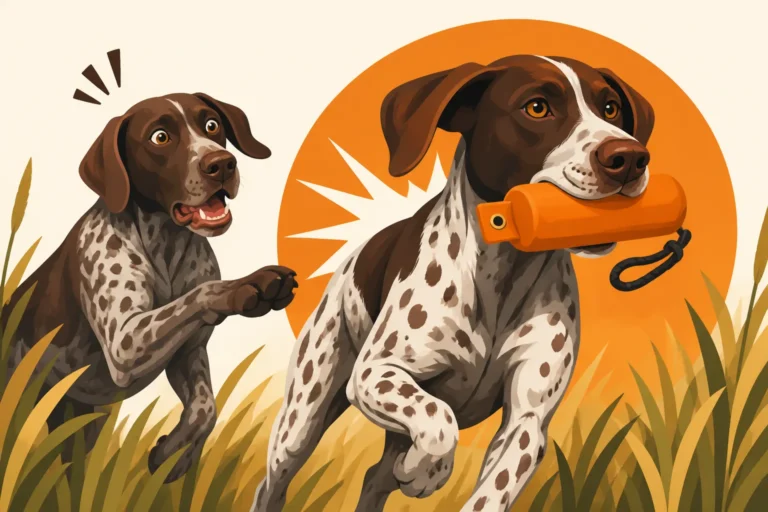
It's a familiar scenario for so many German Shorthaired Pointer owners: you're out in the field, maybe on a leisurely hike, or perhaps you're actually hunting birds, when suddenly, your diligent bird dog locks up on something completely unexpected – a deer. The point is picture-perfect, intense, and then, in a blink, the deer bolts, and your Shorthair, despite all your bird training, gives chase. This guide will walk you through why this happens, the challenges it presents, and effective strategies to prevent and manage a German Shorthaired Pointer's natural instinct to chase deer off a point, helping you maintain control and focus, whether in the hunting field or on a trail.
Understanding the German Shorthaired Pointer's Innate Prey Drive
German Shorthaired Pointers are, by their very design, magnificent hunting machines. They were bred for versatility, meaning they were intended to point game birds, retrieve them from land and water, and even track furred game. This deep-seated instinct to pursue and engage with prey is what makes them such incredible partners in the field, but it can also be the very thing that leads them astray when a deer crosses their path. It's not a flaw in their character; it's simply a strong manifestation of their heritage.
When your German Shorthaired Pointer "points" a deer, it's often a momentary display of that hardwired instinct before the chase kicks in. They're processing the scent, the sight, the movement, and sometimes, the sheer excitement overwhelms the careful bird-specific training you've instilled. The sudden flush of a deer, especially if it breaks cover close by, can be an irresistible temptation for a dog whose entire being is geared towards pursuit.
This isn't just about hunting; even GSPs who live purely as companion animals exhibit this drive. A strong prey drive means they're constantly scanning, scenting, and reacting to their environment. A deer, with its powerful scent and rapid movement, is a high-value target that can easily trigger that chase sequence, regardless of how well-behaved they are in other situations. Owners often feel frustrated, wondering why their dog who holds a steady point on a pheasant will blow past a deer, but it’s a different kind of prey with different triggers.
The Instinct to Hunt and Track
The lineage of the German Shorthaired Pointer includes a variety of hunting breeds, some of which were specifically used for tracking larger game, not just birds. This means that while your dog might be focused primarily on birds in training, the ancestral memory of tracking a rabbit or even a deer is still very much alive within them. The scent of a deer, particularly a fresh one, can ignite an entirely different part of their brain, overriding current commands.
This deep hunting heritage is a double-edged sword. On one hand, it gives them that incredible drive and athleticism we adore; on the other, it means we have to constantly work with and manage those powerful instincts. It's why consistent training, especially around impulse control, is so vital for this breed. They are thinkers, but they are also deeply instinctual creatures, and that instinct can be incredibly strong.
It's crucial to distinguish between bird work and deer work in your dog's mind. For many Shorthairs, a bird is something to be pointed, held, and then retrieved. A deer, however, might trigger a more primal chase response, especially if they haven't been specifically trained to ignore it. This is where the challenge lies – teaching them discrimination in the heat of the moment, when their adrenaline is pumping and every fiber of their being screams "chase!"
Why Deer Chasing is a Problem
While it might seem harmless at first, a German Shorthaired Pointer chasing deer can lead to a host of significant problems, both for the dog and the owner. These issues range from safety concerns to legal repercussions, and even to the degradation of your bird dog's meticulously developed field skills. It's not just an annoyance; it can be genuinely dangerous and counterproductive.
Imagine your Shorthair disappearing over a ridge, lost in the chase, unaware of roads, fences, or other hazards. This isn't just a hypothetical; it's a real fear for many owners whose dogs have a strong deer drive. Beyond safety, there's the very real impact on your training. If your dog learns that chasing deer is a rewarding experience, it can undermine all the effort you've put into developing a reliable recall and steady point on game birds.
From a practical standpoint, wildlife laws often prohibit harassing or chasing deer, especially during certain seasons or in specific areas. You could face fines or other legal consequences if your dog is caught pursuing deer. For the serious bird hunter, deer chasing can ruin a hunt for yourself and others, disturbing game and forcing you to retrieve a dog that's far out of range.
Safety Risks for Your Shorthair
When a German Shorthaired Pointer is locked into a deer chase, their awareness of their surroundings drops dramatically. They aren't looking for roads, barbed wire fences, or other hunters. They are solely focused on the fleeing deer. This tunnel vision puts them at immense risk of injury or getting lost. Field Injuries a Hunting German Shorthaired Pointer Comes Home With can easily include scrapes, cuts, torn pads, or worse, if they run through unforgiving terrain or cross a busy road.
Beyond physical dangers, there's also the risk of your dog encountering other wildlife, such as coyotes or even larger predators depending on your region. A dog that is too focused on one chase might not notice other threats until it's too late. The adrenaline and excitement can also lead to exhaustion, especially if the chase is long, potentially resulting in Heat Exhaustion in an Early Season Shorthair if it's a warm day, or even dehydration.
It's a terrifying thought for any dog owner to have their beloved companion vanish into the woods, especially when driven by such a powerful instinct. This fear alone is enough motivation for many to prioritize preventing deer chasing. The unpredictable nature of the wild means that a momentary lapse in control can have devastating, long-lasting consequences for your dog's safety and well-being.
Undermining Bird Dog Training
The core purpose of a German Shorthaired Pointer as a bird dog is to find, point, and retrieve game birds, all while remaining attentive to their handler's commands. When they repeatedly chase deer, it directly conflicts with this objective. It teaches them that their instincts can override your authority, and that a self-rewarding chase is more valuable than holding a steady point or honoring a recall.
Every time your Shorthair successfully chases a deer, even if they don't catch it, the act of the chase itself is incredibly rewarding. This makes it exponentially harder to reinforce desirable behaviors like "whoa" or a reliable "here" command. It can muddy the waters of their understanding, making them question if they should hold point on a bird or chase something that runs. Whether a Shorthair Points Naturally Without Training is a common question, but even those with natural ability need guidance to discriminate between acceptable and unacceptable game.
Furthermore, a dog that is frequently chasing deer becomes unpredictable. You can't trust them to stay in range or to remain steady when game appears, because that strong, unmanaged prey drive can take over at any moment. This not only frustrates the handler but can also negatively impact the dog's performance in hunt tests or actual hunting scenarios. Consistency in training is key, and deer chasing introduces a massive inconsistency.
Strategies for Preventing Deer Chasing
Stopping a German Shorthaired Pointer from chasing deer isn't a one-time fix; it's a continuous process that involves consistent training, clear boundaries, and appropriate management tools. The goal is to redirect their powerful prey drive and reinforce that birds are the acceptable quarry, while deer are to be ignored. It's about building a solid foundation of obedience and impulse control.
One of the most effective strategies is to instill an iron-clad recall. A dog that comes back to you reliably, regardless of distractions, is a dog you can trust more in the field. This means practicing "here" or "come" in increasingly distracting environments, starting with low-stakes situations and gradually introducing more temptation. Think of it as building a muscle; the more you exercise it, the stronger it becomes. Recall on a German Shorthaired Pointer That Is Locked On is a difficult skill, but essential.
Beyond recall, teaching a solid "whoa" command is paramount. "Whoa" isn't just about stopping on a bird; it's about freezing in place, no matter what's happening around them. If your dog can reliably "whoa" when a bird flushes, the aim is to extend that control to deer encounters. This requires careful introduction of deer scent or sight in a controlled manner, so you can practice the command and reward compliance, before heading out into the wild where deer might appear unpredictably.
Foundational Obedience and Impulse Control
Before you even think about putting your German Shorthaired Pointer in a situation where they might encounter deer, you need to have a strong foundation of basic obedience. This includes commands like "sit," "stay," and a reliable "come." These aren't just parlor tricks; they are the building blocks of communication and control that will serve you well in high-distraction scenarios. A well-trained dog understands that listening to you is always the most rewarding option.
Beyond basic commands, focus heavily on impulse control exercises. This means teaching your dog to wait patiently, to leave tempting items alone until released, and to maintain focus on you even when exciting things are happening nearby. Puppy classes, and even online programs like BAXTER & Bella, often emphasize these crucial skills early on, setting a strong precedent that can be invaluable when facing the ultimate distraction of a deer.
Practicing "leave it" with various tempting items, both stationary and moving, is a fantastic way to build this control. Start with treats on the floor, then move to toys, and eventually introduce controlled scenarios with other animals or strong scents. The more your dog practices making the right choice under your guidance, the more likely they are to do so when that deer jumps out. It’s about creating a default behavior of checking in with you before reacting.
Using Training Aids Effectively
When dealing with a German Shorthaired Pointer's powerful drive, training aids become invaluable tools, not crutches. A long line, for instance, allows you to practice recall and impulse control in a more open environment while still maintaining a physical connection to your dog. This is especially helpful when introducing new distractions or working in areas where deer might be present. You can find excellent quality long lines on platforms like Amazon.
For more advanced training or for dogs with a particularly strong deer drive, an electronic collar (e-collar) can be a highly effective tool when used correctly and humanely. An e-collar isn't about punishment; it's about communication and reinforcement. It allows you to deliver a consistent, clear stimulation to get your dog's attention and reinforce commands, especially a "whoa" or "here," at distances where a leash or voice command might not be effective. E-Collars Built for a Running German Shorthaired Pointer can be powerful tools, but they require careful introduction and proper training from a knowledgeable handler or professional.
Another often overlooked aid is a good whistle. A whistle command travels further and cuts through distractions more effectively than a human voice. Developing a consistent whistle recall or "whoa" can be incredibly beneficial for a dog that might tune out your voice when their prey drive is engaged. Pair your whistle with positive reinforcement, and make it a highly rewarding signal for your dog to respond to.
Here’s a quick overview of useful training aids:
| Training Aid | Purpose for Deer Chasing Prevention | Best Use Case |
|---|---|---|
| Long Line | Physical control, practicing recall at distance, preventing chase. | Early training stages, new environments, building reliable "come." |
| E-Collar | Remote communication, reinforcing "whoa" and "come" at range. | Advanced stages, strong-willed dogs, field situations with distractions. |
| Training Whistle | Clear, consistent signal that carries over distance and distraction. | Recall, "whoa," directional commands in noisy or open environments. |
| GPS Tracking Collar | Safety, locating a dog if a chase does happen. | Peace of mind in large areas, remote hunting grounds. |
Controlled Exposure and Desensitization
Part of preventing deer chasing involves teaching your German Shorthaired Pointer what's not acceptable quarry. This can be done through controlled exposure. It's not about letting your dog chase, but about creating situations where deer are present, but your dog is under control, and you can reward them for ignoring the deer or for responding to your commands. This might involve working with a professional trainer who has access to facilities where deer are present but contained.
Start by observing deer from a distance with your dog on a leash or long line. When your Shorthair notices the deer but remains calm or looks to you, reward them heavily. Gradually decrease the distance as they show more reliability. The goal is to build an association: "deer appear, I look to my handler, and good things happen." It's about making you more interesting and rewarding than the deer itself.
For hunting dogs, this might mean occasionally walking them through areas known for deer, but with no intention of hunting birds. The focus is purely on obedience and control around the deer. If your dog starts to lock up, give your "whoa" command, and reward them for holding it. If they try to move, correct them gently but firmly. Over time, they should learn that deer are simply part of the background, not something to be pursued.
What to Do When Your Shorthair Chases Deer
Even with the best training, a German Shorthaired Pointer's powerful instincts can sometimes take over. If your Shorthair does break point or otherwise gives chase to a deer, your immediate reaction is crucial, both for their safety and for reinforcing your training. Panicking won't help; a calm, strategic approach will yield the best results.
First and foremost, immediately issue your strongest recall command. Use the word or whistle signal you've practiced extensively. If you're using an e-collar, this is the time to apply a consistent, attention-getting stimulation paired with your recall. The goal is to interrupt the chase, not to punish, and to get their attention back on you.
Once your dog disengages and returns, avoid scolding or physical punishment. Your dog needs to associate returning to you with positive outcomes, even if they just chased a deer. Instead, praise them for returning and immediately put them back on a leash or long line. Reinforce basic commands like "sit" or "stay" before moving on. The lesson should be: "chasing deer leads to an immediate recall and loss of freedom, but returning to handler is rewarded."
Intervening in the Moment
When your German Shorthaired Pointer takes off after a deer, time is of the essence. Yelling their name repeatedly often just becomes background noise to a dog fueled by adrenaline. Your recall command needs to be sharp, clear, and consistent. Use a strong, firm voice or your pre-established whistle signal.
If you have an e-collar, use the consistent stimulation level you've established for recall. The objective is to make the experience of running away less pleasant than the experience of returning. Once they turn back, immediately release the stimulation and offer verbal praise as they come towards you. The moment they break focus from the deer and start heading your way, the "discomfort" should cease.
It's tempting to sprint after them, but that can sometimes egg them on or make them think it's a game. Stay in place and continue to issue your recall. If you have a GPS tracking collar, check their location to understand their trajectory and if they're heading into danger. Many owners find robust GPS tracking collars on platforms like Amazon indispensable for peace of mind, especially in large, open territories.
Post-Chase Reinforcement and Management
Once your Shorthair has returned (and they will return if your recall is strong enough), leash them immediately. This signals that their "free run" is over due to their decision to chase. Do not yell or physically punish. Instead, praise their return, then move directly into some controlled obedience work. Have them "sit," "stay," and "heel" for a few minutes. This reminds them of their handler-dog relationship and that you are in control.
Consider the environment where the chase occurred. Was it an area known for deer? Was your dog under-exercised that day? The Two Hours a Day a German Shorthaired Pointer Needs is a serious commitment, and insufficient exercise can lead to an overabundance of energy that makes them more prone to giving in to impulse. If you suspect insufficient exercise played a role, adjust their routine.
For a period after a deer chase incident, increase your management and control. This might mean more time on a long line, using the e-collar more judiciously, or choosing areas for exercise where deer sightings are less likely. It's about setting them up for success and rebuilding trust, rather than putting them back in a tempting situation where they're likely to fail again. Consistency is your most powerful tool in managing this behavior.
Living with a German Shorthaired Pointer and Wildlife
Living with a German Shorthaired Pointer means acknowledging and respecting their inherent drive. They are magnificent athletes with keen senses and an undeniable urge to hunt. While we can train and manage their behaviors, completely eradicating their prey drive isn't realistic, nor is it desirable. The goal is coexistence and control, ensuring their safety and your peace of mind while enjoying their companionship.
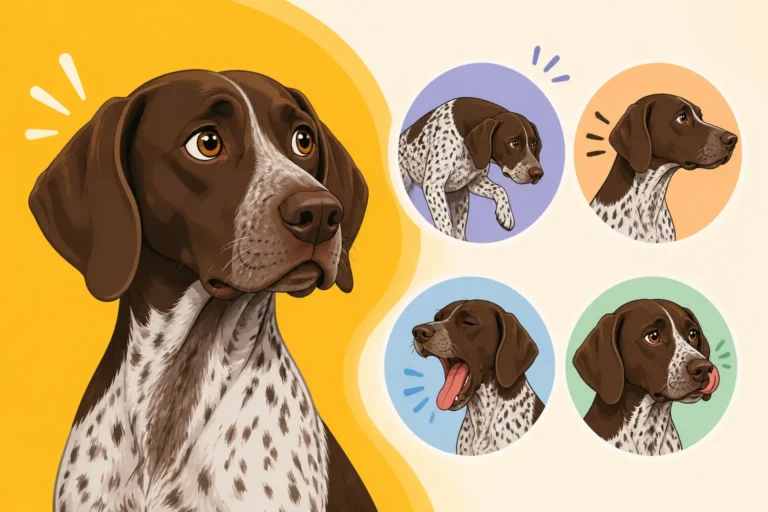
This means being a proactive and vigilant owner. Always be aware of your surroundings, especially in areas where deer or other wildlife are common. Understand your dog's "tells" – those subtle cues they give before they lock onto something. Are their ears perked? Is their tail stiffening? Are they sniffing the air intently? Learning to read your dog can give you precious seconds to intervene before a chase begins.
Ultimately, successful management of deer chasing comes down to continuous reinforcement of your leadership and the bond you share. Your Shorthair needs to see you as the primary source of direction and reward, even when the world offers tempting distractions. It's a lifelong journey with these incredible dogs, one filled with dedication, patience, and immense satisfaction when they respond reliably, choosing you over their instincts.
The Importance of Consistent Training
Consistency is the golden rule when training a German Shorthaired Pointer, especially concerning their prey drive. Every interaction, every command, every walk in the woods contributes to their understanding of what you expect. A strong "whoa" and "recall" are not just commands; they are anchors that keep your dog safe and focused. The Structure a German Shorthaired Pointer Needs Daily extends to their training, which should be regular and reinforcing.
Vary your training locations and distractions. Don't just practice recall in your backyard. Take them to parks, open fields, and areas with different sights, sounds, and smells. The more varied the training environment, the more generalized their obedience becomes, making it more reliable when truly tested by a deer. A great resource for diversified training environments can be found within the online dog training community.
Remember that an adolescent Shorthair might test boundaries. The Adolescent Shorthair That Stops Listening is a common phase for many breeds, but for GSPs with their high energy and drive, it can be particularly challenging. Double down on training during these periods, ensuring that every command is followed, and every good choice is rewarded. This reinforcement during critical developmental stages is vital.
Exercise and Mental Stimulation
An under-exercised German Shorthaired Pointer is a recipe for trouble. Their boundless energy and intelligence need an outlet. If they're not getting enough physical activity, they'll seek their own forms of entertainment, and chasing wildlife is a prime candidate. How Far a German Shorthaired Pointer Runs in an Hour is a testament to their stamina, and they need substantial daily exercise to be content.
Combine physical exercise with mental stimulation. Puzzle toys, scent work, and advanced obedience commands can tire a Shorthair out mentally, making them less likely to react impulsively to distractions like deer. A physically and mentally satisfied dog is generally a more compliant dog. Ensure they have enough appropriate activities to fulfill their needs.
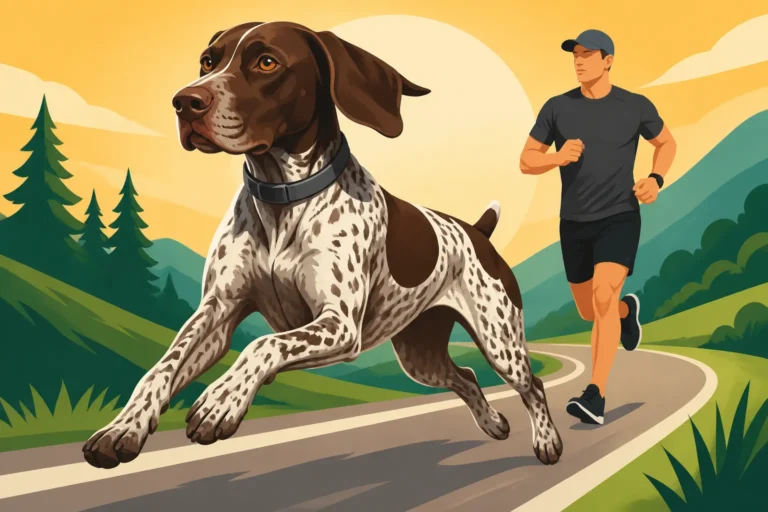
Consider incorporating different types of exercise, such as running, swimming, or even biking alongside you (once fully grown and properly trained). This variety helps keep them engaged and prevents boredom. A well-exercised Shorthair is simply less likely to feel the overwhelming urge to bolt after every deer they see, because a significant portion of their drive has already been channeled appropriately.
Disclaimer
This article is for general informational purposes only and does not constitute professional advice. Laws, prices and regulations vary by location and change over time. Consult a qualified professional for guidance on your specific situation.