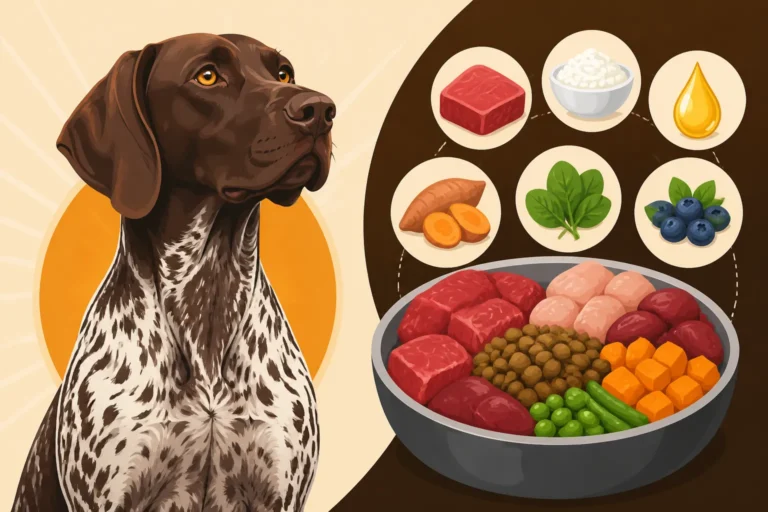
Puppy Food That Suits a Growing German Shorthaired Pointer
Bringing home a German Shorthaired Pointer puppy is an exhilarating experience, filled with boundless energy and puppy breath. But along with the joy comes the very real anxiety of wanting to do everything right for this little bundle of drive, especially when it comes to their diet. Choosing the right puppy food for a German Shorthaired Pointer can feel like navigating a nutritional minefield, with so many brands and conflicting advice, all while knowing their rapid growth and intense activity demand specific support. This comprehensive guide will cut through the confusion, helping you understand precisely what your growing Shorthair needs to thrive.
Understanding Your German Shorthaired Pointer Puppy's Unique Growth Needs
Let's be honest, a German Shorthaired Pointer puppy isn't just any puppy. These are active, intelligent, and famously fast-growing dogs. They might start as a tiny, squirming fluffball, but within a few short months, they're developing into powerful athletes. This incredible growth spurt, particularly in their first year, means their dietary needs are distinct and critical. Neglecting these specific requirements can lead to lifelong health issues, which is the last thing any loving GSP owner wants.
The Rapid Growth Phase and Its Demands
From eight weeks to about six months, your GSP puppy will experience an astonishing rate of growth. They're not just getting bigger; their bones are lengthening, their muscles are developing, and their internal organs are maturing at an incredible pace. This isn't a leisurely stroll through development; it's a full-on sprint. During this period, their metabolism is incredibly high, requiring a dense, nutrient-rich diet to fuel every new cell and every burst of puppy energy.
However, this rapid growth also presents a unique challenge: growing too fast. While it might seem counterintuitive, you don't want to accelerate their growth beyond its natural pace with excessive calories or incorrect nutrient ratios. Overfeeding, especially with inappropriate calcium levels, can contribute to serious orthopedic problems down the line, such as hip or elbow dysplasia. It's a delicate balance, making the choice of Puppy Food That Suits a Growing German Shorthaired Pointer so incredibly important. You’re aiming for steady, strong growth, not a sprint to adult size that might compromise their developing joints.
Joint and Bone Development: A Critical Foundation
German Shorthaired Pointers are predisposed to certain joint conditions, like hip and elbow dysplasia, as they get older. The foundation for preventing or mitigating these issues is laid during puppyhood, primarily through proper nutrition. Their long bones and joints are undergoing immense development, and they need the right building blocks without any excess that could stress their fragile growth plates.
This means paying close attention to the mineral content, particularly calcium and phosphorus. Large breed puppy foods are specifically formulated to control calcium intake, which is crucial. Too much calcium, or an imbalanced calcium-to-phosphorus ratio, can interfere with proper bone mineralization and lead to skeletal deformities. It’s not just about getting enough; it's about getting the right amount and the right balance. Your puppy's diet during this crucial stage directly impacts their athletic capability and comfort for the rest of The Twelve to Fourteen Years a German Shorthaired Pointer Gets.
Energy Levels and Brain Development in Young Shorthairs
Anyone who's lived with a GSP puppy knows they're not just growing physically; their brains are also working overtime! They're constantly learning, exploring, and burning off incredible amounts of energy. This demands a diet that provides sustained fuel, not just empty calories. High-quality fats are essential for cognitive development, helping those busy puppy brains absorb fat-soluble vitamins and supporting healthy skin and coat.
DHA (docosahexaenoic acid), an omega-3 fatty acid, is particularly vital for neurological and retinal development. Many premium puppy foods include DHA specifically for this reason, mimicking the benefits found in mother's milk. Without adequate energy and the right building blocks for brain development, your GSP puppy might struggle with focus during early training, or simply not have the stamina to be the happy, curious explorer they're meant to be. This means supporting them nutritionally as they figure out the world and their place in it.
Key Nutritional Components for German Shorthaired Pointer Puppies
When you're sifting through endless bags of puppy kibble or discussing fresh food options, the sheer volume of information can be overwhelming. But for a German Shorthaired Pointer puppy, a few core nutritional components are non-negotiable. These aren't just buzzwords; they are the fundamental elements that will build a healthy, robust hunting partner or a cherished family companion. Getting these right is paramount.
The Role of Protein and Fat for Muscle and Stamina
Protein is the cornerstone of muscle development and tissue repair, and your rapidly growing GSP puppy needs plenty of it. Look for high-quality animal proteins as the first few ingredients on the label, such as chicken, beef, lamb, or fish. These provide the essential amino acids necessary for building strong muscles, ligaments, and tendons – all crucial for a breed that will be running hard and pointing birds.
Fat, often misunderstood, is actually an incredibly important energy source for active puppies. It's more calorie-dense than protein or carbohydrates, providing sustained energy for their tireless antics without having to eat excessive volumes. Beyond just energy, healthy fats like omega-3 and omega-6 fatty acids contribute to healthy skin and a shiny coat, support immune function, and, as mentioned, aid in brain development. For a GSP puppy, adequate, high-quality fat is not a luxury; it’s a necessity for maintaining their drive and physical condition. A food providing a balance of these elements will support a puppy like yours through The Growth Year of a German Shorthaired Pointer Puppy.
Calcium and Phosphorus: A Delicate Balance
This is perhaps the most critical mineral consideration for large breed puppies like German Shorthaired Pointers. While calcium is vital for strong bones and teeth, too much, or an incorrect ratio to phosphorus, can be detrimental. Excess calcium can lead to skeletal deformities, joint problems, and other orthopedic diseases. You absolutely do not want to supplement your GSP puppy's diet with extra calcium unless specifically advised by your veterinarian, as this can easily throw off the delicate balance in their formulated puppy food.
Ideally, a large breed puppy food should have a calcium percentage between 1.2% and 1.5% on a dry matter basis, with a calcium-to-phosphorus ratio between 1.1:1 and 1.4:1. These figures are usually found in the guaranteed analysis section of the food label. Choosing a food specifically labeled for "large breed puppies" or "all life stages" that meets these guidelines is essential. It's often safer to opt for a quality commercial food that has done the balancing for you, rather than trying to improvise with supplements or home-cooked meals that might have incorrect Calcium Levels in a Shorthair Puppy's Diet.
Essential Vitamins and Minerals for Overall Health
Beyond protein, fat, calcium, and phosphorus, a well-rounded puppy food provides a spectrum of other vitamins and minerals vital for overall health. Vitamin D is essential for calcium absorption, working hand-in-hand to build strong bones. Vitamins A and E support vision, skin health, and immune function. B vitamins are crucial for metabolism and energy production, helping your GSP convert their food into the fuel they need.
Minerals like zinc, selenium, and copper also play key roles in immune response, coat health, and enzyme function. A high-quality commercial puppy food designed for large breeds should contain all these in appropriate amounts. When checking ingredient lists, you’ll often see these listed as vitamin and mineral supplements towards the end, ensuring that even after processing, the food remains nutritionally complete and balanced for a growing, active breed like the German Shorthaired Pointer.
Types of Puppy Food for German Shorthaired Pointers
The pet food aisle, both online and in brick-and-mortar stores, can be dizzying. From traditional kibble to trendy raw diets, it's tough to know what's truly best for your energetic GSP puppy. Each option has its own set of advantages and disadvantages, and what works for one dog or owner might not be the right fit for another. Let's break down the most common types you'll encounter.
Dry Kibble: Convenience and Specific Formulations
Dry kibble remains the most popular choice for many reasons, primarily convenience and cost-effectiveness. Modern kibble formulations have come a long way, with many reputable brands offering "large breed puppy" specific formulas. These are crucial for GSPs because they are designed with controlled calcium levels and appropriate calorie densities to support steady growth and reduce the risk of orthopedic issues. You can find a vast array of options on platforms like Chewy, allowing you to compare ingredients and reviews easily.
The pros of kibble include its long shelf life, ease of storage, and typically lower price point compared to other options. It also helps keep teeth cleaner through abrasive action. However, the quality can vary drastically between brands. Always look for a kibble that lists real meat as the first ingredient and avoids excessive fillers or artificial additives. It’s also important to ensure it's "complete and balanced" according to AAFCO (Association of American Feed Control Officials) guidelines for growth or all life stages. For a busy GSP owner, the consistency and carefully balanced nutrition of a good large breed puppy kibble can be a real lifesaver.
Wet Food: Palatability and Hydration
Wet food, often found in cans or pouches, can be a great addition to a GSP puppy's diet, either as a primary food source or mixed with kibble. Its higher moisture content contributes to better hydration, which is especially beneficial for active puppies. Many GSPs find wet food far more palatable and enticing than dry kibble, which can be helpful for puppies who are picky eaters or those recovering from illness.
However, wet food is typically more expensive per serving and has a shorter shelf life once opened. It also generally has a lower calorie density, meaning you have to feed a larger volume to meet your GSP's energy needs, which can be costly. While some brands offer complete and balanced wet food for puppies, always check the label carefully, especially for large breed specific formulations and mineral balance. Mixing a high-quality wet food with their regular kibble can add moisture, flavor, and excitement to mealtime without breaking the bank.
Fresh/Human-Grade and Raw Diets: The Growing Trends
The world of fresh, human-grade, and raw diets has exploded in popularity, with brands like Ollie offering customized meal plans. Proponents argue that these diets offer superior digestibility, better nutrient absorption, and improved overall health benefits by feeding food closer to its natural state. Fresh-cooked diets often involve gently cooked meats, vegetables, and grains, prepared to human food safety standards. Raw diets, on the other hand, consist of uncooked meat, bones, and organs, mimicking what a dog's wild ancestors might have eaten.
While fresh and raw diets can offer benefits, they also come with significant considerations. Raw diets, in particular, carry risks of bacterial contamination (like Salmonella), can be difficult to ensure nutritional completeness without expert guidance, and may not provide the precise calcium/phosphorus balance critical for a large breed puppy. Fresh-cooked diets are generally safer but require careful formulation to be complete and balanced, and are often the most expensive option. If you're considering a Whether a Raw Diet Suits a Hard Running Shorthair or fresh diet for your GSP puppy, consulting with a veterinary nutritionist is highly recommended to ensure it meets all their specific needs for proper growth and development, especially regarding skeletal health. You can often find a variety of specific ingredients to prepare fresh food on platforms like Amazon if you choose to go that route.
Reading Food Labels and Choosing Wisely
Walking into a pet store or browsing online can be incredibly overwhelming given the sheer number of puppy food brands available. Every bag seems to promise the best for your furry friend. But armed with a little knowledge about how to read a food label, you can cut through the marketing jargon and make truly informed decisions for your German Shorthaired Pointer puppy. This isn't just about picking a fancy bag; it's about understanding what's inside it.
Deciphering the Ingredient List
The ingredient list is one of the most important sections on any pet food bag, as ingredients are listed in descending order by weight. For a GSP puppy, you want to see high-quality animal protein as the first ingredient, and ideally, the first few ingredients. This could be deboned chicken, lamb meal, salmon, or beef. "Meat meal" (like chicken meal) is often a concentrated source of protein, which can be even better than whole meat (which contains a lot of water weight) at the top of the list.
Avoid foods that list corn, wheat, or soy as the primary ingredients, as these are often fillers with lower nutritional value for carnivores and can sometimes be allergenic. Also be wary of vague terms like "meat by-products" without specific sources. Look for healthy fats, like chicken fat or salmon oil, and digestible carbohydrates such as sweet potatoes, peas, or brown rice. The more specific the ingredients, the better. A good quality food will have a transparent ingredient list that doesn't hide behind vague categories.
Understanding the Guaranteed Analysis
The Guaranteed Analysis provides a breakdown of the minimum percentages of crude protein and crude fat, and maximum percentages of crude fiber and moisture. For your GSP puppy, you're primarily interested in the protein and fat levels, and crucially, the calcium and phosphorus (if listed).
Here's what to look for:
- Protein: Aim for a minimum of 25-30% crude protein (dry matter basis) for a growing GSP puppy.
- Fat: A crude fat percentage of 12-18% (dry matter basis) is generally appropriate for their energy needs.
- Calcium and Phosphorus: As discussed, this is paramount. For large breed puppies, look for calcium between 1.2% and 1.5% and a calcium-to-phosphorus ratio between 1.1:1 and 1.4:1. This is often the hardest to find directly on the bag; sometimes you need to visit the manufacturer's website or call their consumer line to get precise figures.
Remember, the percentages are crude and as fed. To accurately compare foods, you might need to convert these to a "dry matter basis" by subtracting the moisture content, but generally sticking to large breed puppy formulas helps ensure these balances are met.
The AAFCO Statement: Your Seal of Approval
The AAFCO statement is a small but mighty declaration on the pet food label that indicates whether the food is nutritionally complete and balanced for a specific life stage. For your GSP puppy, you want to see a statement that says something like:
- "Formulated to meet the nutritional levels established by the AAFCO Dog Food Nutrient Profiles for growth."
- "Formulated to meet the nutritional levels established by the AAFCO Dog Food Nutrient Profiles for all life stages."
Avoid foods that only state "for adult maintenance," as these will not provide the necessary nutrients for a growing puppy. The AAFCO statement is your assurance that the manufacturer has formulated the food to meet the recognized nutritional standards. Without this statement, you can't be sure your puppy is getting everything they need to grow strong and healthy. It's a fundamental check, especially when you're looking for Whether a Shorthair Puppy Can Eat Adult Food Early, because a food labeled "all life stages" should be suitable for both.
Transitioning and Feeding Schedules for Your German Shorthaired Pointer Puppy
So you've chosen the perfect food for your GSP puppy – congratulations! But the journey doesn't end there. How you introduce the new food and establish a consistent feeding schedule is just as important as the food itself. A proper transition prevents digestive upset, and a consistent routine helps with house-training and sets expectations for your energetic youngster.
Smoothly Transitioning to a New Food
Sudden changes in diet can wreak havoc on a puppy's digestive system, leading to upset stomachs, vomiting, or diarrhea. This is especially true for sensitive GSPs. Always introduce a new food gradually over 7-10 days, even if you’re switching from one high-quality large breed puppy food to another.
Here's a typical transition schedule:
- Days 1-2: 75% old food, 25% new food
- Days 3-4: 50% old food, 50% new food
- Days 5-6: 25% old food, 75% new food
- Days 7-10: 100% new food
Watch your puppy closely during this time. If you notice any digestive upset, slow down the transition and give them a few extra days at the current ratio before increasing the new food. This gradual approach allows their system to adjust to the new ingredients and ensures a happy tummy. If you’re ever wondering about Loose Stools in a German Shorthaired Pointer, a sudden diet change is often the first culprit to investigate.
Establishing a Consistent Feeding Schedule
Consistency is key for puppies. German Shorthaired Pointer puppies typically need to be fed 3-4 times a day until they are around 4-6 months old. As they get older, you can gradually reduce this to 2-3 meals a day. Always follow the feeding guidelines on the food package, but remember these are just starting points. Your individual GSP's metabolism, activity level, and growth rate will dictate their exact needs.
A good rule of thumb is to feed small, frequent meals rather than one or two large ones. This aids digestion, helps maintain steady blood sugar levels, and keeps their energy consistent throughout the day. It also helps with house training, as you can predict when they'll need to go outside after eating. Knowing How Many Meals a Shorthair Puppy Gets is fundamental to establishing a good routine, and often, the structure of meal times can greatly benefit a busy GSP puppy’s day.
Monitoring Weight and Body Condition
Your eyes and hands are your best tools for monitoring your GSP puppy's health. Don't just rely on the scale. While it's helpful to track What a Shorthair Puppy Should Weigh at Four Months and beyond, a puppy's body condition tells a more complete story. You want your puppy to be lean, with a visible waist and ribs that you can feel easily but not see prominently.
Run your hands along their sides. You should be able to feel their ribs without pressing hard. If they feel like a washboard, they might be too thin. If you have to press firmly to feel them, they might be carrying too much weight. A healthy GSP puppy should have plenty of energy, clear bright eyes, and a shiny coat. Adjust their food intake as needed based on their activity levels and body condition. If you notice them getting a bit soft, slightly reduce their meal portions. If they seem too lean, and you've ruled out other health issues, a small increase might be in order. The goal is to keep them lean and hard, building muscle without excess fat, which puts unnecessary strain on developing joints. This careful monitoring will serve them well through their first year.
Common Feeding Mistakes and How to Avoid Them
Even with the best intentions, it's easy to make common feeding mistakes when raising a German Shorthaired Pointer puppy. Their boundless energy and insatiable appetites can sometimes lead us astray, but avoiding these pitfalls is crucial for their long-term health and well-being. A little foresight can prevent a lot of problems down the line.
Overfeeding and Its Consequences
This is arguably the most common and damaging mistake when feeding a large breed puppy like a GSP. It's tempting to think that a bigger, faster-growing puppy is a healthier one, but the opposite is often true. Overfeeding provides too many calories and, often, too much calcium, accelerating growth beyond what their developing skeletal system can safely handle. This significantly increases the risk of orthopedic problems such as hip and elbow dysplasia, osteochondrosis dissecans (OCD), and panosteitis (growing pains).
These conditions can lead to chronic pain, costly veterinary treatments, and limit your GSP's athletic potential later in life. Instead of aiming for a chubby puppy, strive for a lean, energetic one. Stick strictly to the feeding guidelines for large breed puppies, and adjust downwards if your puppy seems to be gaining weight too quickly. Remember, a slightly lean puppy is a healthier puppy, especially during that critical first year of growth.
Inappropriate Supplementation
Unless specifically instructed by your veterinarian, you should never supplement your GSP puppy's diet with extra vitamins, minerals (especially calcium), or protein. High-quality commercial large breed puppy foods are already meticulously formulated to provide everything your puppy needs in the correct ratios. Adding supplements can throw off this delicate balance, leading to nutrient excesses or imbalances that are just as harmful as deficiencies.
For example, adding a calcium supplement when your puppy is already eating a properly balanced large breed puppy food can lead to dangerously high calcium levels, exacerbating the risk of joint problems. Similarly, adding extra protein might not be beneficial and could even cause digestive upset. If you're concerned about your puppy's nutritional intake, talk to your vet. They can assess your puppy's individual needs and recommend specific supplements if, and only if, they are truly necessary. While there are Joint Supplements Worth Giving a Working Shorthair as an adult, they are not typically for puppies on a balanced diet.
Feeding Adult Food Too Early or Inconsistent Diet
Another mistake is transitioning your GSP puppy to adult dog food too early. Adult dog food typically has lower calorie and protein levels, and often an inappropriate calcium-to-phosphorus ratio for a growing large breed puppy. Your GSP needs their specialized puppy food until they reach closer to their adult size, usually between 12-18 months of age, depending on their individual growth trajectory. Feeding adult food prematurely can result in nutritional deficiencies that hinder proper development.
Consistency in diet is also important. Frequent changes in food brands or types can upset your puppy's digestive system, leading to diarrhea or vomiting. Once you find a high-quality large breed puppy food that your GSP thrives on, stick with it. If a change is absolutely necessary, always follow the slow transition method described earlier. Your GSP's digestive system, and indeed their whole body, appreciates a consistent, balanced diet designed specifically for their unique and rapid growth phase.
Table: Key Nutritional Considerations for GSP Puppies
Understanding these numbers can make a huge difference when selecting the right food.
| Nutrient Category | What Your GSP Puppy Needs | Why It's Important | Common Sources in Food |
|---|---|---|---|
| Protein | 25-30% (min, dry matter) | Muscle development, tissue repair, growth. | Deboned chicken, lamb meal, fish, eggs. |
| Fat | 12-18% (min, dry matter) | Concentrated energy, healthy skin & coat, brain development. | Chicken fat, salmon oil, flaxseed. |
| Calcium | 1.2-1.5% (dry matter) | Strong bones & teeth (critical balance). | Bone meal, dicalcium phosphate. |
| Phosphorus | 1.0-1.2% (dry matter) | Bone health, energy metabolism (balanced with calcium). | Meat, bone, grains. |
| Calcium:Phosphorus Ratio | 1.1:1 to 1.4:1 | Prevents skeletal growth abnormalities. | Carefully formulated large breed puppy foods. |
| DHA | Often listed as part of fatty acids | Brain and eye development. | Fish oil (salmon, anchovy), algae. |
| Glucosamine/Chondroitin | Often added to large breed formulas | Joint support (preventative). | Green-lipped mussel, chicken cartilage. |
This table provides a quick reference, but always remember to look for a complete AAFCO statement for "growth" or "all life stages" to ensure the overall balance.
Preparing Your German Shorthaired Pointer for a Lifetime of Activity
The care and nutrition you provide during your German Shorthaired Pointer's puppyhood lays the groundwork for their entire life. We're talking about a breed built for action, whether it's tearing through a pheasant field or retrieving ducks from icy water. Every meal you offer contributes to building the strong bones, resilient muscles, and sharp mind they'll need to excel and enjoy their activities, whatever they may be. It's a significant responsibility, but also an incredibly rewarding one.
Beyond the Bowl: Holistic Puppy Care
While diet is a huge piece of the puzzle, it’s not the only factor in raising a healthy GSP. Exercise, but appropriate exercise, is just as crucial. Over-exercising a growing GSP puppy, especially on hard surfaces, can be just as damaging to their developing joints as an improper diet. Focus on short, controlled play sessions and age-appropriate activities, rather than long runs or forced strenuous exercise. Let them be puppies; explore, sniff, and play naturally. This helps prevent issues like Whether Running a Shorthair Puppy Damages Its Joints.
Regular veterinary check-ups are also indispensable. Your vet can monitor your puppy’s growth curve, assess their body condition, and catch any potential health issues early. They are your best resource for personalized nutritional advice, especially if your puppy has any unique needs or develops sensitivities. Remember to maintain a consistent vaccination and deworming schedule, which protects them from internal and external parasites that can affect their ability to absorb nutrients and thrive.
Fueling Future Adventures
From the moment your GSP puppy arrives, every decision you make regarding their food is an investment in their future. A well-fed puppy, with a diet specifically tailored to their large breed growth requirements, is more likely to develop into a robust, healthy adult free from preventable joint and skeletal issues. This foundational nutrition ensures they have the energy, stamina, and physical soundness to enjoy all the adventures you'll share – from long walks in the woods to intense hunting seasons.
So, take the time, read those labels, ask your vet, and choose wisely. Your German Shorthaired Pointer puppy deserves the best start in life, and providing optimal nutrition is one of the most loving and impactful things you can do. By understanding their unique needs and avoiding common pitfalls, you're setting them up not just for survival, but for a lifetime of thriving, running, and being the magnificent dogs they are meant to be. This commitment to proper nutrition means more years in the field and more happy memories for you both.
Disclaimer
This article is for general informational purposes only and does not constitute professional advice. Laws, prices and regulations vary by location and change over time. Consult a qualified professional for guidance on your specific situation.