Whether a Lymphedema Shorthair Line Should Keep Being Bred
Primary lymphedema in German Shorthaired Pointers creates ethical breeding challenges regarding genetic health, swelling, and lifelong puppy care.
Know what to watch for.
Breed-specific conditions, screening and DNA tests, what surgery actually costs, and the daily habits that stretch a healthy lifespan.

Primary lymphedema in German Shorthaired Pointers creates ethical breeding challenges regarding genetic health, swelling, and lifelong puppy care.
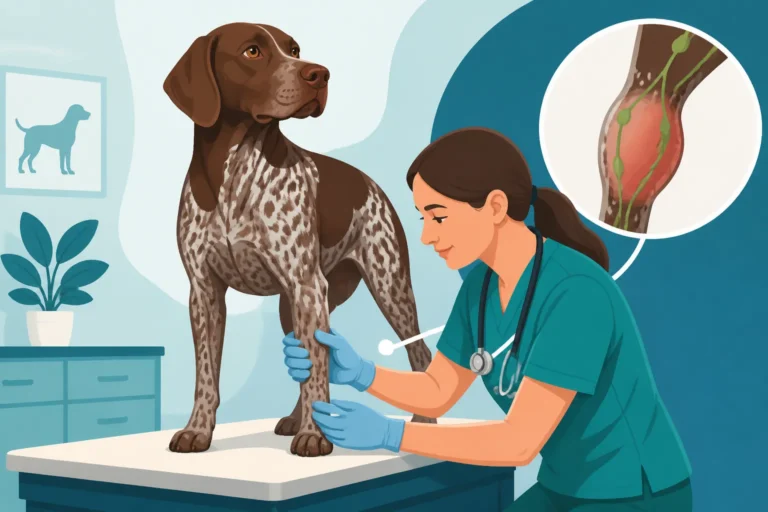
Veterinary diagnosis of primary lymphedema in German Shorthaired Pointers involves systematic examinations to identify inherited lymphatic vessel issues.
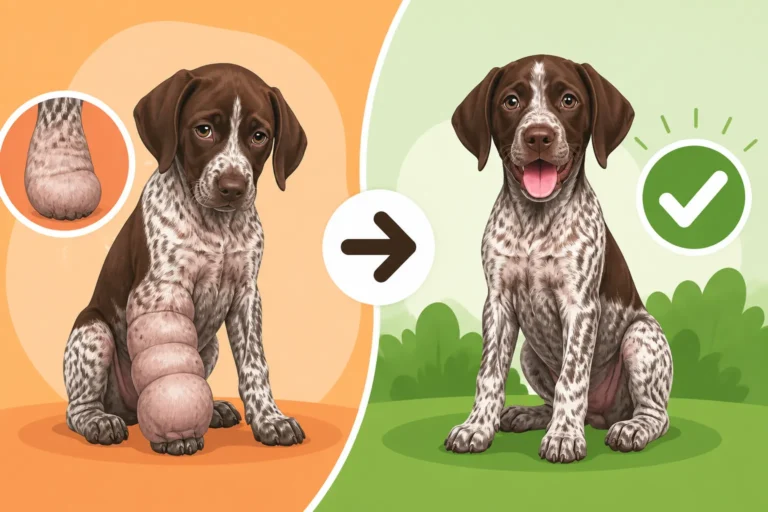
Primary lymphedema in German Shorthaired Pointer puppies causes swollen limbs due to hereditary lymphatic system developmental abnormalities.
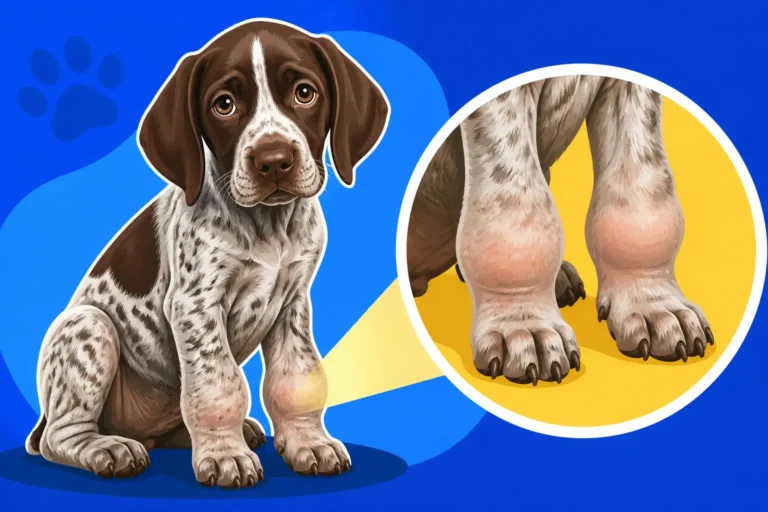
German Shorthaired Pointer puppy leg swelling and joint inflammation causes, warning signs, and veterinary care guidance.
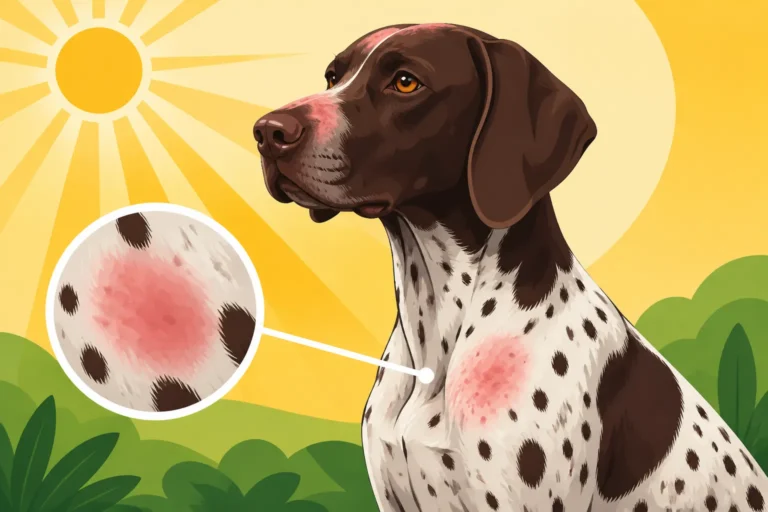
White-marked German Shorthaired Pointers face high sun damage risks due to low melanin, causing sunburns, lesions, and skin cancer.
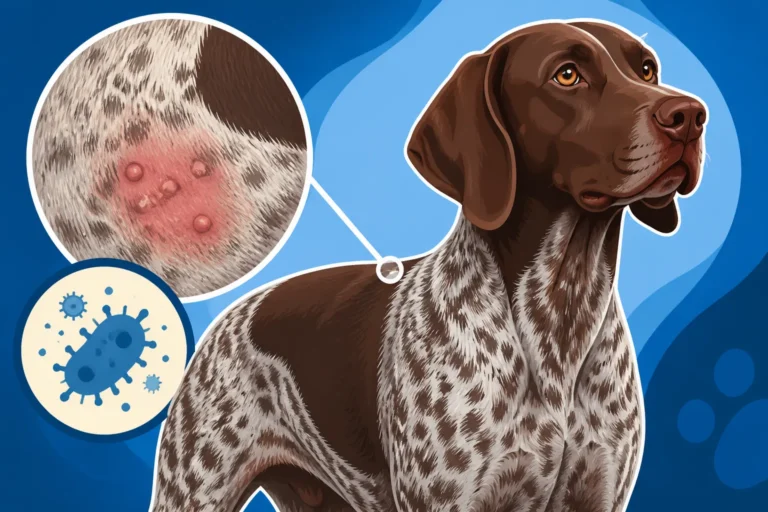
German Shorthaired Pointer skin infections, caused by trapped moisture and allergies, require proper care to maintain dog health.

Environmental allergies in working German Shorthaired Pointers cause paw licking, skin flare ups, and recurring ear infections.
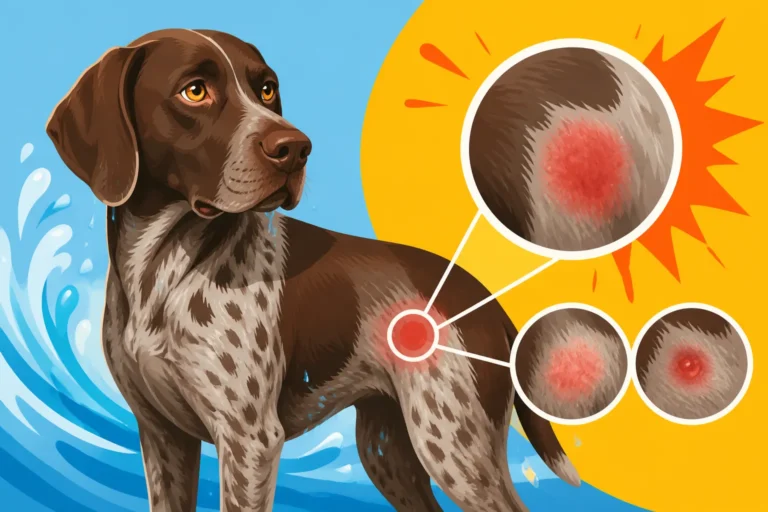
German Shorthaired Pointer hot spots after swimming occur when trapped moisture causes rapid bacterial growth and skin infections.
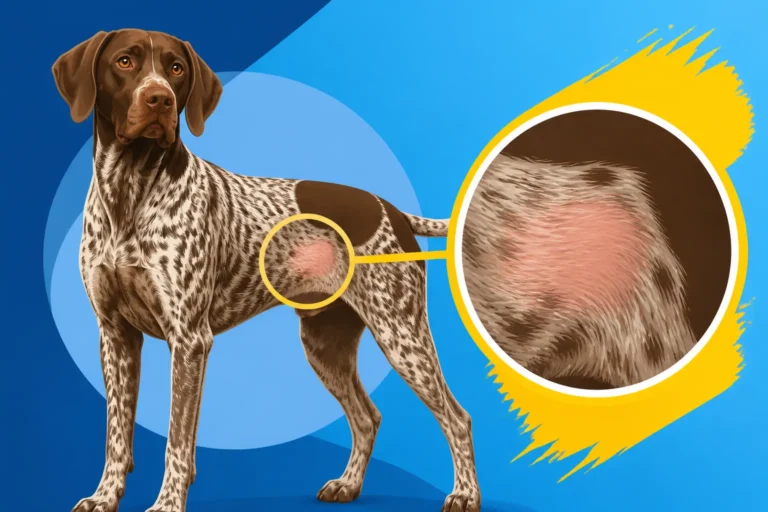
German Shorthaired Pointer flank hair loss often indicates seasonal flank alopecia linked to changing daylight hours and melatonin production.

Breeding a German Shorthaired Pointer with a genetic condition requires evaluating ethical considerations, diagnoses, and symptom severity.