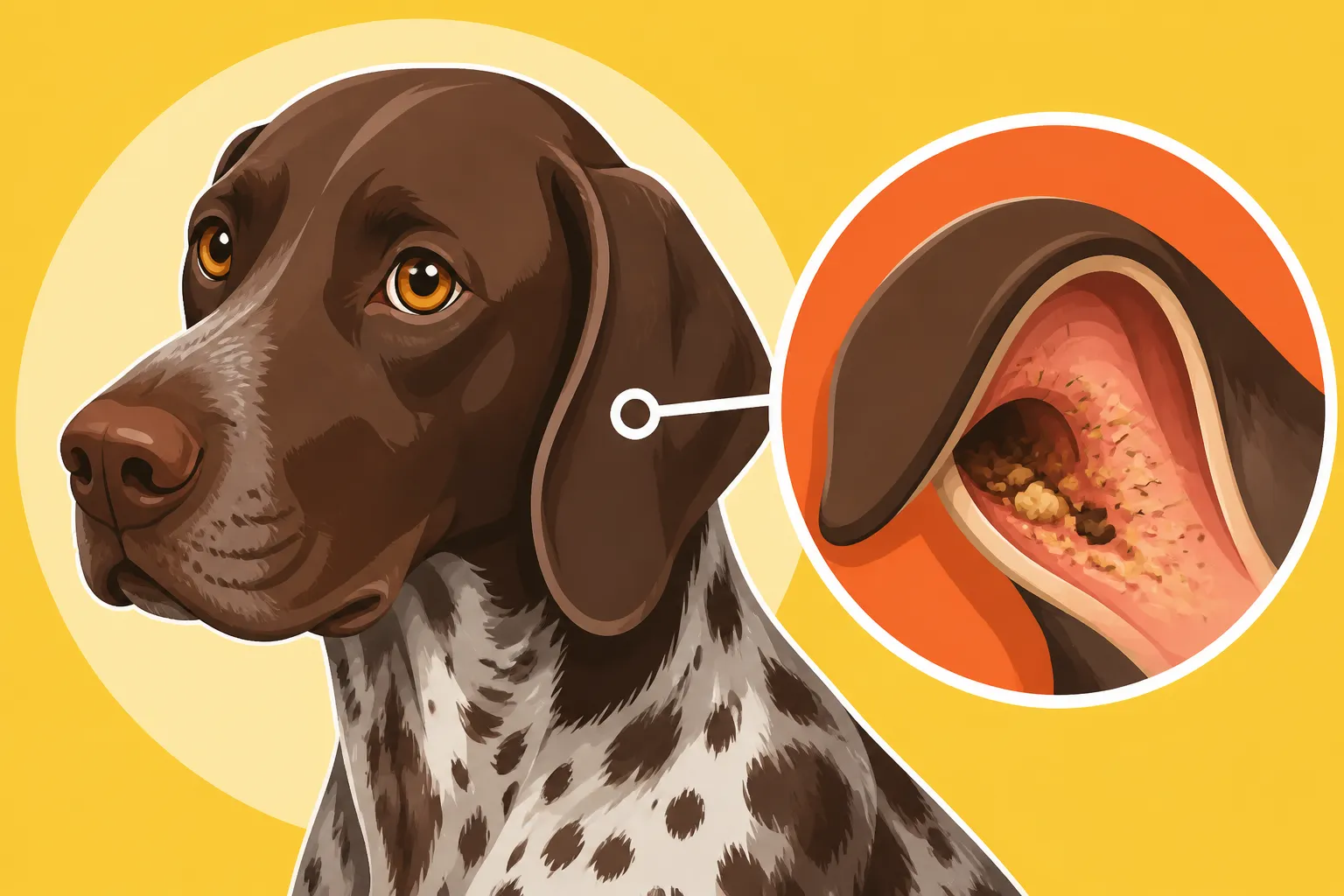
What Collects in a Shorthair’s Folded Ear
The distinct, dropped ears of a German Shorthaired Pointer, while adding to their noble appearance, unfortunately create a perfect storm for all sorts of unwelcome guests and issues within the ear canal. Many GSP owners, especially those with active hunting companions who spend their days exploring dense cover and splashing through water, know the frustration of constantly battling ear irritation and infection. This guide is here to help you understand precisely what collects in your Shorthair's folded ears, why it's such a persistent problem, and, most importantly, how you can proactively prevent discomfort and serious health issues for your beloved companion.
Understanding the German Shorthaired Pointer's Ear Anatomy
When you look at your German Shorthaired Pointer's expressive face, those long, velvety ears might just seem like another charming feature. But from a veterinary perspective, they're a significant factor in why our Shorthairs can be so prone to ear problems. It's all about how these ears are constructed and what that means for the delicate environment within.
The Flap's Role: Pendulous Ears and Airflow
Unlike breeds with prick ears, like German Shepherds or certain terriers, German Shorthaired Pointers have what are called pendulous or dropped ears. This means the external ear flap, or pinna, hangs down, covering the opening of the ear canal. Think about it like a blanket constantly draped over an opening. While it might protect from some immediate splashes or debris, its primary effect is far less beneficial for internal ear health.
This covering dramatically reduces airflow into the ear canal. Air circulation is vital for keeping the canal dry and cool. Without it, the ear canal becomes a warm, moist, and often dark environment – essentially a humid greenhouse. This isn't just a minor inconvenience; it creates an ideal breeding ground for bacteria and yeast, which thrive in such conditions. For a GSP that loves to run through dewy fields or take a dip in the lake, this reduced airflow means that any moisture that gets in has a much harder time evaporating, prolonging the dampness and inviting trouble. It’s a stark contrast to dogs with erect ears, where air can freely circulate, promoting dryness and reducing the likelihood of these opportunistic infections.
The L-Shaped Canal: A Natural Trap
Beyond the floppy ear flap, the internal structure of a German Shorthaired Pointer's ear canal presents another significant challenge. A dog's ear canal isn't a straight shot like a human's. Instead, it forms a distinct L-shape. There's a vertical canal that descends straight down from the opening, and then it takes a sharp, nearly 90-degree turn into a horizontal canal that leads to the eardrum.
This anatomical quirk is a marvel for sound collection, but it's less ideal for drainage and cleaning. Any liquid – water from a swim, ear cleaning solution, or even excessive natural wax – has to defy gravity to get out of that horizontal section. Dirt, debris, or foreign objects that enter the vertical canal can easily get trapped at the bend, unable to work their way back out. Imagine trying to clean a long, winding pipe with only access to the very top opening; that's essentially what we're up against with a Shorthair's ear. This "natural trap" means that regular, thorough cleaning is not just about aesthetics; it's about actively removing material that the ear itself struggles to expel, preventing blockages and fostering a healthier internal environment.
Common Culprits: What Actually Gathers in There
Given the unique anatomy of a German Shorthaired Pointer's ear, it's almost inevitable that certain things will find their way in and decide to stay. For our active, curious, and often water-loving Shorthairs, the list of potential ear invaders is quite extensive.
Dirt, Debris, and Environmental Invaders
Our German Shorthaired Pointers are, by nature, field dogs. They thrive on running through tall grasses, investigating dense brush, plunging into ponds, and generally embracing the outdoors. This incredible enthusiasm for exploration, however, comes with a downside for their ears. As they burst through cover, small pieces of the environment easily become lodged in their ear canals.
Think about a vigorous pheasant hunt: your Shorthair is tearing through a field of switchgrass, his head down, nose working overtime. Tiny grass seeds, burrs, and even fragments of leaves can catch on the ear flap and migrate down into the canal. Certain types of grass awns, often called foxtails, are particularly insidious. These barbed seed heads are designed to burrow forward, and once they get into an ear canal, they can quickly work their way deeper, causing immense irritation, pain, and even perforating the eardrum. Many a veteran hunter has had to rush their dog to the vet after a day afield because of a suspected Foxtails and Grass Awns in a Hunting Shorthair problem. Mud and dirt from digging or rolling around can also accumulate, especially if the dog has recently been wet. These foreign bodies act as irritants, creating micro-abrasions that can become entry points for infection, and they also contribute to blockages, trapping moisture and wax.
Moisture and Its Consequences
If your GSP is anything like mine, the sight of water—be it a puddle, a creek, or a lake—is an irresistible invitation for a full-body immersion. German Shorthaired Pointers were bred for their versatility, and that includes being excellent water retrievers. While this makes them fantastic hunting partners and companions for outdoor adventures, it also means their ears are frequently exposed to moisture.
Every swim, every bath, and even running through a heavy dew can introduce water deep into the ear canal. As discussed earlier, the pendulous ear flap and the L-shaped canal conspire to trap this moisture. Water trapped in the ear canal is a prime incubator for microbial growth. Yeast, a common culprit, thrives in warm, damp environments, leading to the dreaded "yeasty" smell and a brown, waxy discharge. Bacteria also flourish, causing painful infections with red, swollen canals and often a foul odor. It's a classic scenario that often leads to A Shorthair's Ear Infection That Returns Every Duck Season if not carefully managed. The constant dampness irritates the delicate skin lining the ear canal, making it more susceptible to infection and discomfort.
Wax Buildup and Natural Secretions
All dogs produce cerumen, or ear wax. It's a natural protective mechanism, designed to trap dirt and debris and help them exit the ear. In a healthy ear with good airflow, this wax typically dries and flakes out on its own. However, in a German Shorthaired Pointer's ear, with its poor ventilation and trapping anatomy, this natural process often goes awry.
The reduced airflow means that wax doesn't dry as efficiently. Instead, it can accumulate, becoming thick, dark, and sticky. This accumulated wax itself can become a problem, creating a physical blockage that further impedes airflow and traps any incoming moisture or debris. Genetics can play a role in how much wax a dog produces, and some GSPs are simply predisposed to more waxy ears. Additionally, irritation from environmental factors (like dust or pollen) or underlying allergies can trigger the ear to produce even more wax as a protective response, creating a vicious cycle. This excessive wax, especially when it hardens, not only irritates the ear but also provides a rich food source and protective cover for yeast and bacteria, leading directly to infection.
Allergens and Parasites
It's not just visible debris that can cause trouble. Microscopic invaders and reactions to environmental triggers can also wreak havoc on your Shorthair's ears. Allergens are a huge, often overlooked, cause of chronic ear issues in many dogs, including German Shorthaired Pointers. Just like humans, dogs can suffer from environmental allergies to pollen, dust mites, or molds. Food allergies can also manifest with ear symptoms.
When a Shorthair has an allergic reaction, one of the most common responses is inflammation in the skin, which includes the lining of the ear canal. This inflammation makes the ears itchy, red, and prone to increased wax production. The swelling also further narrows the ear canal, worsening the airflow and trapping any existing moisture or wax. A dog with Environmental Allergies in a Shorthair That Works Cover will often present with recurring ear infections that seem to clear up with medication only to return shortly after.
Then there are parasites. Ear mites (Otodectes cynotis) are tiny creatures that live on the surface of the ear canal skin, feeding on skin debris and ear wax. They are highly contagious and can cause intense itching and irritation, leading to a characteristic dark, crusty, coffee-ground-like discharge. While more common in puppies or dogs from shelters, any GSP can pick them up. Although less common in working adult GSPs, fleas, ticks, and even certain types of biting flies can cause irritation on the external ear flaps, leading to secondary infections or an allergic reaction in sensitive dogs.
The Impact of Collected Debris on Ear Health
When foreign materials, moisture, wax, or irritants take up residence in your German Shorthaired Pointer's ear, it's not just a benign accumulation. These collections set off a chain reaction that can lead to significant discomfort, pain, and, if left unaddressed, long-term health problems. Understanding this cycle is key to appreciating why proactive ear care is so important.
The Cycle of Infection: Yeast and Bacteria
This is arguably the most common and frustrating consequence of debris collection in a Shorthair's ear. As we've discussed, the warm, moist, and low-airflow environment of a pendulous, L-shaped ear canal, combined with trapped water or excessive wax, creates a perfect habitat.
Bacteria and yeast are naturally present on the skin, but in these conditions, they can multiply rapidly, leading to an overgrowth that causes an infection (otitis externa). You'll typically notice a strong, unpleasant odor emanating from the ear – a tell-tale sign that something is amiss. Depending on whether yeast, bacteria, or both are dominant, the discharge can vary. Yeast infections often present with a brown, greasy, waxy discharge, sometimes with a distinctive sweet or "corn chip" smell. Bacterial infections can produce a yellow, greenish, or pus-like discharge, often with a much more foul or pungent odor. The ear itself will likely be red and inflamed, and your GSP will be showing clear signs of discomfort, such as frequent head shaking, pawing at the ear, or rubbing their head against furniture. This constant irritation and the presence of pathogens create a self-perpetuating cycle: the infection causes more inflammation, which further narrows the canal, trapping even more debris and moisture, and making it harder for the infection to clear.
Inflammation and Pain
Regardless of whether the culprit is a foreign body, an allergic reaction, or an infection, the body's natural response is inflammation. The lining of the ear canal, already sensitive, becomes red, swollen, and extremely painful. Imagine having a sunburn deep inside your ear – that's often what a GSP with otitis is experiencing.
This swelling is problematic because it further constricts the narrow ear canal. What was already a tight passage becomes even tighter, creating an even more restrictive environment where air cannot circulate, and debris cannot escape. This exacerbates any existing infection and makes it harder for topical medications to penetrate deep enough to be effective. The pain is not just a minor ache; it can be excruciating. Your usually outgoing German Shorthaired Pointer might become withdrawn, irritable, or even snap if you try to touch their head or ears. They might tilt their head constantly, hold one ear lower than the other, or whine softly when they shake their head. Some dogs might even lose their appetite or become lethargic due to the sheer discomfort. Recognising these behavioral cues is vital because our stoic Shorthairs often try to tough it out until the pain is unbearable.
Chronic Issues and Potential Hearing Loss
Perhaps the most concerning long-term impact of recurring or untreated ear problems is the development of chronic ear disease. Each episode of inflammation and infection leaves its mark on the delicate tissues of the ear canal. Over time, the constant swelling and irritation can cause irreversible changes.
The skin lining the ear canal can thicken and become scarred, a condition known as hyperplasia. The glands that produce wax can become overactive and even undergo structural changes. In some severe cases, the ear canal can even calcify, becoming rigid and bony. When these changes occur, the ear canal permanently narrows, making it an even more perfect trap for future debris and infections. At this point, even aggressive medical management may only offer temporary relief, and the ear can become resistant to standard treatments.
Left completely unaddressed, severe chronic ear infections can sometimes lead to rupture of the eardrum (tympanic membrane). While the eardrum often heals, repeated ruptures or severe inner ear infections can damage the structures responsible for hearing. In extreme, rare cases, this can result in partial or complete hearing loss in the affected ear. Beyond hearing, the inner ear also houses structures vital for balance, so a severe infection extending into this area could potentially lead to issues with coordination or dizziness. This underscores why staying on top of ear health with your German Shorthaired Pointer isn't just about comfort; it's about preserving their overall health and quality of life, especially for a working dog who relies on all their senses.
Proactive Measures: Keeping Those Ears Clean and Healthy
The good news is that with a little diligence and the right routine, you can significantly reduce the chances of your German Shorthaired Pointer succumbing to chronic ear problems. Prevention and early intervention are truly your best allies when it comes to those wonderful, floppy ears.
Routine Checks and Gentle Cleaning
Consistency is key when it comes to ear care. For an active German Shorthaired Pointer, especially one that loves water or spends a lot of time in grassy fields, routine ear checks should be a non-negotiable part of your weekly grooming. I make it a habit to check my Shorthair's ears after every single hunt or extensive outdoor excursion, and at least once a week otherwise. This allows me to catch any redness, debris, or funky smells before they escalate. Checking a German Shorthaired Pointer Over After a Hunt isn't just about their pads and coat; the ears are critical.
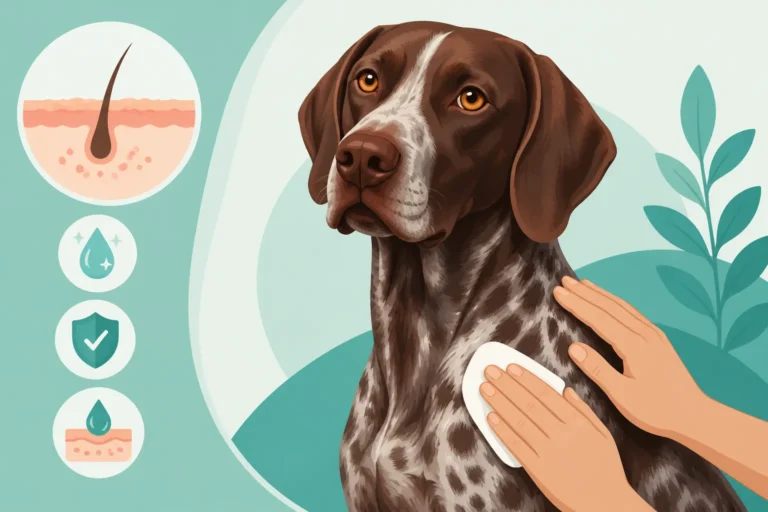
When it comes to cleaning, gentle is the operative word. You'll want a vet-approved ear cleaning solution designed for dogs. Avoid using harsh chemicals, alcohol-based solutions, or even just plain water, as these can irritate the delicate ear canal or worsen moisture problems. Many excellent veterinary-grade ear cleaners are readily available through pet supply retailers like Chewy or Amazon. Look for solutions that are formulated to break down wax and dry the ear canal without causing irritation.
Here's a simple, step-by-step guide to gentle ear cleaning:
- Gather your supplies: Ear cleaning solution, cotton balls or gauze pads (avoid Q-tips, as they can push debris deeper), and plenty of treats.
- Warm the solution (optional): If it's a cool day, warming the bottle slightly in your hands can make the experience more comfortable for your dog.
- Position your GSP: Have your dog comfortably sitting or lying down. It often helps to have a second person gently hold their head, especially if they're not keen on ear cleaning.
- Administer the cleaner: Hold the ear flap up and squirt the recommended amount of cleaning solution directly into the ear canal. You want enough to fill the canal, but don't overdo it.
- Massage the base of the ear: Gently massage the base of the ear for 20-30 seconds. You should hear a squishing sound as the solution breaks up wax and debris.
- Let them shake: Stand back! Your Shorthair will likely want to shake their head vigorously, which is good – it helps dislodge the gunk.
- Wipe the outer ear: Use a fresh cotton ball or gauze pad to gently wipe away any visible dirt, wax, or solution from the outer parts of the ear canal and the underside of the ear flap. Do not insert anything into the L-shaped canal itself. Repeat with fresh cotton balls until no more debris comes out.
- Reward: Always end with praise and treats to make it a positive experience.
Here’s a quick overview of what to look for:
| Feature | Healthy Ear | Unhealthy Ear |
|---|---|---|
| Appearance | Pale pink, clean, minimal hair | Red, swollen, crusty, excessive hair growth |
| Odor | None or very faint, clean smell | Strong, foul, yeasty, or sweet smell |
| Discharge | Minimal light brown/tan wax, mostly dry | Yellow, green, black, watery, pus-like, "coffee grounds" |
| Behavior | No scratching, head shaking, or pain | Frequent scratching, head shaking, rubbing, pain when touched, head tilt |
| Temperature | Cool to touch | Warm to hot |
Drying Thoroughly After Water Exposure
This is perhaps one of the most critical steps for German Shorthaired Pointers who spend a lot of time in or near water. Their love for retrieving in ponds, lakes, and streams means their ears are constantly getting wet. Because of that L-shaped canal and floppy ear, moisture becomes trapped, and a damp environment is an open invitation for yeast and bacteria.
After any swim, bath, or even a walk in heavy rain, take the time to thoroughly dry your Shorthair's ears. Start by gently folding back the ear flap and using a soft, clean cotton ball or a piece of gauze to absorb as much moisture as possible from the visible parts of the ear canal. You can gently blot inside the vertical canal with the cotton ball, but avoid pushing it deep into the ear, which could compact debris or damage the eardrum.
Some owners find it helpful to use an ear-drying solution. These are typically alcohol-free and contain ingredients that help evaporate water and inhibit microbial growth. They can be particularly useful if your GSP is a frequent swimmer. For GSPs prone to recurrent Ear Infections in a Shorthair That Swims, a drying solution might be recommended by your vet. Whether a Shorthair's Ears Need Drying After Rain is also a resounding yes – don't let those seemingly minor exposures go unchecked. The goal is to get that ear canal as dry as possible to prevent that "humid greenhouse" effect.
Diet and Overall Health Considerations
Believe it or not, your German Shorthaired Pointer's diet and overall health play a significant role in ear health. A strong immune system and healthy skin barrier can better resist infections and inflammation, including those in the ears. High-quality nutrition provides the building blocks for this.
For working GSPs, a high-quality performance kibble or a fresh-food diet can make a difference. Performance kibbles are designed to meet the intense caloric and nutritional needs of active dogs, often containing balanced omega fatty acids that promote healthy skin and coat, which can indirectly benefit ear health. Brands like Ollie, known for their fresh, human-grade ingredients, provide highly digestible and nutrient-dense options that can support overall health, including skin and immune function. You can also find a wide variety of excellent kibble options on platforms like Chewy that cater to active breeds.
If your GSP suffers from recurrent ear infections without an obvious external cause, discussing potential food allergies with your veterinarian is a must. Sometimes, an elimination diet trial or switching to a novel protein diet can drastically improve chronic ear issues that stem from underlying allergies. Supplements like omega-3 fatty acids (fish oil) can also help reduce inflammation throughout the body, including the ears, promoting healthier skin and coat. Always consult your vet before adding supplements or making significant dietary changes.
Regular Veterinary Check-ups
Even with the most diligent home care, professional oversight is indispensable. Regular veterinary check-ups are not just for vaccinations; they're an opportunity for your vet to give your Shorthair a thorough once-over, including a detailed examination of their ears.
During a routine visit, your veterinarian will use an otoscope to look deep inside the ear canal, past that tricky L-bend, and check the eardrum. They can spot issues that you might miss, such as a foreign body lodged deep within, subtle inflammation, or early signs of infection. For working dogs, ensuring The Vet Schedule a Working Shorthair Should Keep is up-to-date and includes thorough physical exams can catch problems before they become severe.
If your GSP has a history of ear problems, or if you suspect an infection, don't hesitate to seek veterinary attention. Your vet can accurately diagnose the problem – whether it's yeast, bacteria, mites, or something else – and prescribe the appropriate treatment. They can also provide guidance on specific cleaning techniques, recommend suitable ear cleaners, and help you develop a preventative care plan tailored to your German Shorthaired Pointer's needs. Trying to self-diagnose or treat a persistent ear infection at home can often lead to more severe problems or resistant infections down the line.
When to Seek Veterinary Help
Sometimes, despite your best efforts at home care, a German Shorthaired Pointer's ear will still get into trouble. Knowing when to stop trying home remedies and head straight to the vet is crucial for your dog's comfort and long-term ear health. Ignoring or delaying professional treatment can turn a simple issue into a chronic, painful problem.
Recognizing Warning Signs
Your German Shorthaired Pointer relies on you to notice when something is off, and with ear infections, the signs are usually pretty clear if you know what to look for. Don't wait until the problem is severe. If you notice any of the following, it's time to call your vet:
- Strong, persistent odor: A healthy ear has a very faint, clean smell. A foul, pungent, or overly yeasty smell (often described as "corn chips" or "old socks") is a primary indicator of infection. If you can smell The Smell That Means a Shorthair's Ear Is Infected, it's time for a vet visit.
- Abnormal discharge: Look for anything beyond minimal light brown wax. Yellow, green, black, pus-like, or a thick, greasy brown discharge are all red flags. "Coffee ground" like discharge often points to ear mites.
- Redness and swelling: The skin inside the ear flap and visible parts of the canal should be pale pink. Redness, inflammation, or noticeable swelling suggests irritation or infection.
- Excessive itching or scratching: If your Shorthair is constantly pawing at their ear, rubbing their head along furniture, or scratching excessively, it's a clear sign of discomfort.
- Frequent head shaking: While a single shake after a swim is normal, persistent or frequent head shaking is a common symptom of ear pain.
- Pain or sensitivity: If your GSP vocalizes, flinches, or snaps when you try to touch their ear, they are in pain and need immediate attention.
- Head tilt: A persistent head tilt, especially if it favors one side, can indicate a severe ear infection or even an issue with the vestibular system (balance) due to inner ear involvement.
- Changes in hearing or balance: If you notice your dog seems less responsive to sounds, or appears wobbly or disoriented, the infection may have spread to deeper ear structures.
- Reluctance to play or lethargy: Severe ear infections can cause systemic discomfort, making your typically energetic GSP less enthusiastic about their usual activities.
The Diagnostic Process
When you take your German Shorthaired Pointer to the vet for an ear issue, they won't just guess what's going on. They'll follow a systematic diagnostic process to identify the exact cause and determine the best course of action.
First, your vet will perform a thorough physical examination, paying close attention to the ears. They'll likely start by visually inspecting the outer ear and then use an otoscope. This lighted instrument allows them to look deep into the ear canal, checking for redness, swelling, discharge, foreign bodies (like those pesky grass awns), and assessing the condition of the eardrum. This is crucial for determining if the eardrum is intact, as certain medications cannot be used if it's ruptured.
Next, and perhaps most importantly, they will perform an ear cytology. This involves taking a swab of the discharge from deep within the ear canal, rolling it onto a microscope slide, staining it, and examining it under a microscope. This simple yet powerful test allows the vet to identify whether yeast, different types of bacteria (rods or cocci), or ear mites are present. The type and quantity of these microorganisms directly inform the choice of medication. In cases of severe or recurrent bacterial infections, your vet might also recommend a culture and sensitivity test. This involves sending a swab to a laboratory to grow the bacteria and determine exactly which antibiotics will be most effective against them. This helps avoid using ineffective medications and reduces the risk of antibiotic resistance. Sometimes, for very painful dogs or those with deep-seated foreign bodies, sedation might be required for a thorough examination or cleaning.
Treatment Options
Once a diagnosis is made, your veterinarian will outline a specific treatment plan tailored to your German Shorthaired Pointer's needs. The primary goal is to eliminate the infection, reduce inflammation, and alleviate pain.
Common treatments usually involve:
- Medicated ear drops or ointments: These are often the first line of defense. They typically contain a combination of ingredients: an antibiotic to kill bacteria, an antifungal to combat yeast, and a corticosteroid to reduce inflammation and pain. It's vital to administer these exactly as prescribed and for the full duration, even if the ear seems to improve quickly. Stopping early can lead to recurrence or resistance.
- Oral medications: For more severe or deep-seated infections, or if the dog is in significant pain, your vet might prescribe oral antibiotics or anti-inflammatory drugs.
- Professional ear cleaning: In some cases, especially if there's a lot of hardened wax or debris, your vet might perform a more thorough, deep ear cleaning in the clinic. This might involve special solutions and equipment, and sometimes sedation is necessary if the ear is very painful.
- Addressing underlying causes: If allergies are suspected, treatment will also focus on managing those, which might include dietary changes, allergy medications, or immunotherapy. If a foreign body is found, it will need to be carefully removed.
- Surgery (rare): In very rare, chronic, and severe cases where the ear canal has undergone irreversible changes and medical management is no longer effective, surgical options like a Total Ear Canal Ablation (TECA) might be discussed. This is a drastic measure, but for a dog in constant pain, it can be a life-changing solution.
Working closely with your veterinarian, following their instructions diligently, and maintaining good preventative care are your best bets for keeping your German Shorthaired Pointer's ears healthy and clear, allowing them to enjoy their adventurous life to the fullest. Whether Ear Powder Helps a Swimming Shorthair might be something to discuss with them too, as some formulations can help wick away moisture.
Disclaimer
This article is for general informational purposes only and does not constitute professional advice. Laws, prices and regulations vary by location and change over time. Consult a qualified professional for guidance on your specific situation.