Keeping a Working Shorthair’s Nails Short Enough
As a German Shorthaired Pointer owner, you know the struggle: you’ve got a dog that lives for the field, tearing through cover and pounding the ground, yet their nails sometimes seem to grow at an alarming rate, posing a real risk to their comfort and performance. It’s incredibly frustrating when you want your companion to be in peak physical condition, but those clicking nails signal a potential problem. This guide is here to walk you through everything you need to know about keeping your active Shorthair's nails at the optimal length, ensuring their paws stay healthy and ready for any adventure.
Understanding the GSP Nail Challenge
When you own a German Shorthaired Pointer, especially one that works, you quickly realize their needs are a little different from a couch potato breed. Their athleticism and drive mean their bodies, including their paws, are put through a lot. Long nails aren't just an aesthetic issue; they're a legitimate health and performance concern for these hard-charging dogs.
Why Long Nails are a Problem for Working Shorthairs
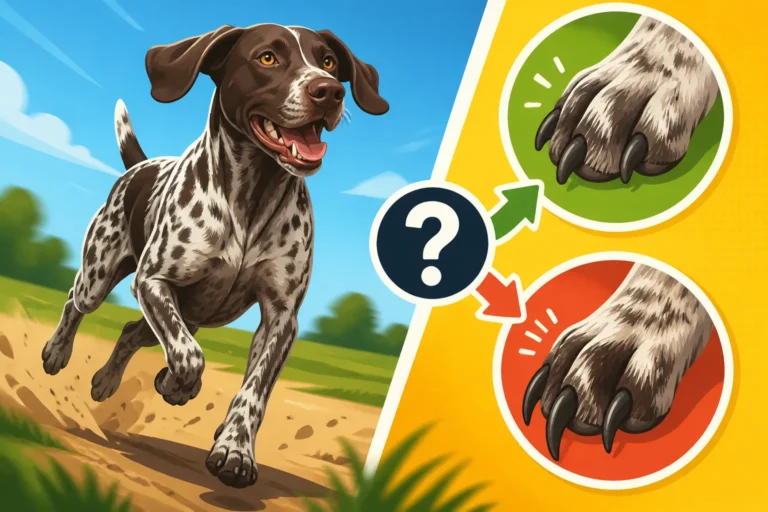
Imagine running a marathon in shoes that are a size too small, or constantly catching your toes on uneven ground. That's a bit like what a working German Shorthaired Pointer experiences with overly long nails. When the nails extend beyond the paw pads, they push up into the nail bed, forcing the toes to splay out and changing the natural alignment of the foot. This can lead to discomfort, pain, and even long-term structural issues in their joints, from their toes all the way up to their shoulders and hips. It's a subtle but persistent stress on their entire musculoskeletal system.
For a dog that spends hours quartering a field, crashing through brambles, or making a strong retrieve from icy water, this altered foot structure is a recipe for trouble. Their grip on uneven terrain is compromised, making them more prone to slipping and falling. Long nails are also much more likely to snag on roots, rocks, or heavy cover, resulting in painful tears or even avulsions (when the nail is ripped right off). These injuries can sideline a working dog for weeks, if not months, causing immense frustration for both dog and owner. Proper nail length is foundational to their overall soundness and helps prevent common issues like Field Injuries a Hunting German Shorthaired Pointer Comes Home With.
The Quick and How It Grows
To understand how to keep your Shorthair's nails short, you first need to understand the "quick." The quick is the sensitive part of the nail, containing nerves and blood vessels, and it runs down the center of each nail. If you cut into the quick, it’s painful and will bleed. For dogs with light-colored nails, you can often see the pink quick through the translucent nail, making it easier to avoid. However, many German Shorthaired Pointers have dark or black nails, which makes the quick much harder to spot, adding a layer of challenge to nail trims.
The crucial thing about the quick is that it grows with the nail. If your Shorthair's nails are consistently too long, the quick will extend further down the nail, making it impossible to trim them back to a healthy short length without hitting that sensitive spot. The good news is that the quick will recede if you trim the nails regularly, even if it’s just a tiny bit at a time. This is why consistency is key. Short, frequent trims encourage the quick to retract, allowing you to gradually achieve and maintain those perfectly short nails that don't interfere with your dog's gait or hunting prowess.
Essential Tools for Nail Care
Having the right tools for the job makes all the difference, especially when you’re dealing with a strong, active German Shorthaired Pointer. Just like you wouldn't head into the field with the wrong shotgun, you shouldn't approach nail care without proper equipment. Investing in quality trimmers or grinders can make the process smoother, safer, and less stressful for both you and your dog.
Types of Nail Trimmers
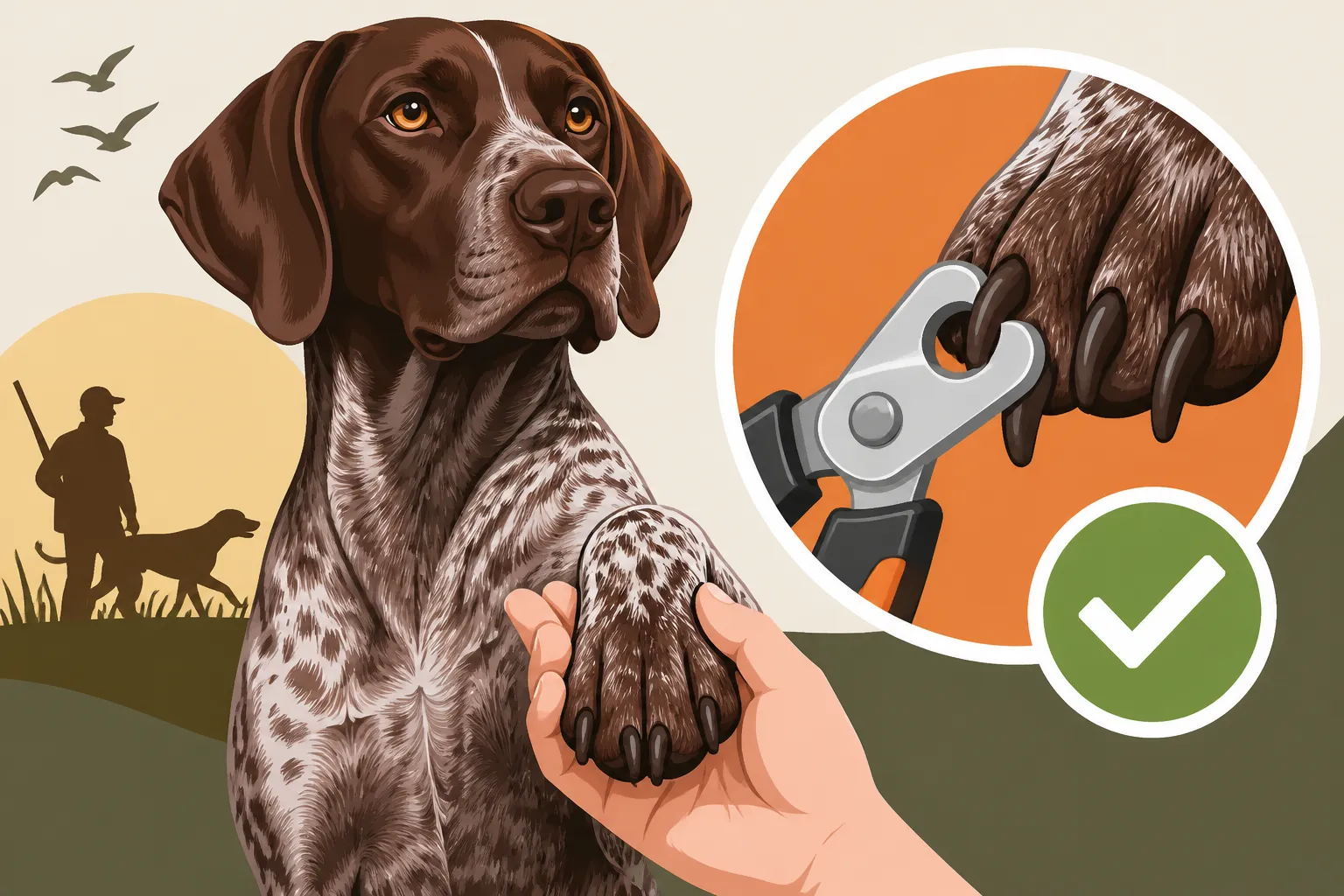
There are two main types of nail trimmers that most dog owners consider: scissor-style (often called "Resco" or "guillotine" style) and plier-style. Scissor-style trimmers have a small hole that you insert the nail into, then squeeze the handle to cut. They work well for smaller dogs or puppies, but many GSP owners find them less effective for the thicker, stronger nails of a mature Shorthair. They can sometimes crush the nail rather than cut cleanly, especially if they aren't sharp.
Plier-style trimmers, on the other hand, resemble a pair of pliers with sharp, curved blades. These are often the preferred choice for German Shorthaired Pointers because they provide more leverage and can make a cleaner, more powerful cut through tough nails. Brands like Safari or Miller's Forge offer sturdy plier-style trimmers that are up to the task. Whichever style you choose, ensure the blades are always sharp. Dull trimmers will pinch and hurt your dog, making them dread future nail trims. You'll know they're dull if you have to squeeze extra hard, or if the nail appears ragged after the cut.
Grinders: An Alternative Approach
For many German Shorthaired Pointer owners, especially those whose dogs are anxious about clippers or have dark nails, a nail grinder can be a game-changer. Grinders use a rotating abrasive bit to file down the nail gradually. This method offers several advantages: it's less likely to quick the dog because you're removing small amounts of nail at a time, allowing you to "read" the nail more carefully, especially with dark nails where the quick isn't visible. You'll see a small white dot appear in the center of the nail, then a darker grey or black dot, signaling you're close to the quick and should stop.
Grinders also create a smoother finish than clippers, which can be beneficial for preventing snags. However, they do have their downsides. They create noise and vibrations, which some dogs find alarming, and they produce nail dust, which can be messy. It also takes longer than clipping. When introducing a grinder, start slowly. Let your Shorthair get used to the sound and vibration without even touching their paw. Reward them generously. Brands like Dremel offer rotary tools that can be fitted with sanding drums, which are popular choices among dog owners for their power and versatility. You can find these at various retailers, including online platforms like Amazon, making it easy to purchase the necessary attachments or even a dedicated pet nail grinder.
The Art of Trimming: Step-by-Step
Nail trimming can feel like a daunting task, especially with a high-energy dog like a German Shorthaired Pointer. But with the right technique and a calm demeanor, it becomes just another part of their routine care. Remember, consistency and patience are your best allies.
Getting Your Shorthair Comfortable
Before you even pick up the clippers or grinder, your German Shorthaired Pointer needs to be comfortable with the idea of having their paws handled. Start early, ideally when they're a puppy. Begin by simply touching their paws, rubbing their toes, and gently manipulating their nails. Do this daily, associating it with positive reinforcement like treats and praise. Make it a game, not a chore. You want them to view paw handling as a normal, pleasant interaction.
Once they're accustomed to paw handling, introduce the tools. Let them sniff the clippers or grinder (turned off, of course). Gently tap the clippers against their nails or briefly turn on the grinder nearby so they can hear the sound without it touching them. Slowly build up to touching the tool to their paw, then to one nail, then to a quick, shallow clip. If using a grinder, briefly touch it to a single nail for a second, then remove it. Always end on a positive note, even if you only manage one nail. The goal is to create a positive association, not to get all the nails done in one go initially. Remember, this is a marathon, not a sprint.
The Actual Trimming Process
Once your Shorthair is calm and accepting, you can begin the actual trim. Position your dog comfortably—some owners prefer their dog standing, others sitting or lying down. Hold their paw firmly but gently, isolating the nail you're working on. For clippers, aim to cut just below the quick, at a 45-degree angle. If you're unsure, it's always better to take off too little than too much. You should see a small, whitish circle in the center of the clipped nail, indicating you're in the safe zone. Take off small "sliver" cuts rather than one large chunk. This is especially important for maintaining proper paw health and avoiding issues like A Shorthair's Pads Splitting Halfway Through the Season which can be exacerbated by long nails forcing pads apart.
If you’re using a grinder, touch the rotating head to the tip of the nail, holding it there for only a few seconds at a time to prevent heat buildup, which can be uncomfortable for your dog. Work your way around the tip of the nail, shaping it gently. As you grind, you’ll slowly wear down the nail. When you start to see a tiny dark dot appear in the center of the nail, that’s your cue to stop. That dark dot indicates you’re very close to the quick. Reward frequently throughout the process, even for small successes. Don't forget to trim the dewclaws as well, if your Shorthair has them. Many working dogs still have them, and they can easily grow long and curve back into the leg, causing pain. For more specific guidance, check out Trimming a German Shorthaired Pointer's Dewclaws.
Dealing with Dark Nails
Dark nails are notoriously challenging because the quick is hidden. It takes practice and a careful eye to trim them safely. The "dark dot" method described above for grinders is very effective here. For clippers, you need to rely on the "sliver by sliver" approach. Take off a tiny bit of the nail at a time, looking at the cross-section of the clipped nail after each snip. Initially, the clipped surface will appear white or grayish. As you get closer to the quick, you'll see a small, darker, somewhat translucent circle or dot appearing in the center of the white area. That's the quick starting to show itself. Stop cutting immediately when you see this.
Another helpful trick is to use a bright flashlight held under the nail to illuminate the quick from behind. This doesn't work for all dark nails, but it can sometimes give you a better visual. If you're really struggling or nervous, don't hesitate to ask your vet or a professional groomer to demonstrate the technique on your Shorthair. They can give you hands-on guidance and help build your confidence. Remember, a botched nail trim can create a lasting negative association, so it's always better to proceed with caution and seek help if needed.
Beyond the Clippers: Natural Wear and Routine
While direct trimming is essential, you can also harness your German Shorthaired Pointer's natural activities to help keep their nails in check. It's a combination of lifestyle and routine that truly makes the difference in maintaining optimal paw health for these active dogs.
The Role of Exercise and Terrain
A working German Shorthaired Pointer’s active lifestyle is a huge advantage for nail care. Running, hiking, and playing on abrasive surfaces like asphalt, concrete, or gravel can act like a natural file, slowly wearing down their nails. Think about those long roading sessions or extensive training on a gravel track – these activities naturally abrade the nail tips. However, it's important to understand that not all exercise is created equal when it comes to nail wear. Soft surfaces like grass, dirt, or sand, while great for their joints, do little to wear down nails. If your Shorthair spends most of their time working in soft fields or swimming, you'll still need to be diligent with trimming.
Moreover, even with regular exposure to abrasive surfaces, natural wear rarely keeps all nails perfectly short. The dewclaws, being higher up on the leg, typically don't touch the ground and won't wear down naturally. The inner nails on the paw also tend to wear less than the outer ones. So, while a good run on a paved trail can certainly help, it shouldn't replace your regular trimming routine. It simply complements it, making your job a little easier. Consider adjusting your dog's exercise routine to include some time on harder surfaces, but always be mindful of their paw pads and the risk of injury. While Whether Running Wears a Shorthair's Nails Down is true to an extent, you still need to actively manage nail length.
Establishing a Consistent Schedule
The single most important factor in keeping a working Shorthair's nails short and healthy is consistency. Forget the idea of trimming nails once a month if your dog's quicks are long. For those challenging dark nails, or for dogs whose quicks have extended due to infrequent trimming, you might need to trim as often as once a week or even every few days, taking off just tiny slivers. This frequent, small removal encourages the quick to recede, allowing the nail itself to shorten over time.
Once the quick has receded to a healthy length, a schedule of every two to three weeks is often sufficient for maintenance, depending on your dog's activity level and natural nail growth. Mark it on your calendar or set a recurring reminder on your phone. Make nail care a non-negotiable part of your German Shorthaired Pointer's routine, just like feeding or daily exercise. The more consistent you are, the easier and quicker the process will become, and the less stress it will cause your dog. For more detailed information on frequency, you might want to read How Often a German Shorthaired Pointer's Nails Need Trimming.
Troubleshooting Common Nail Care Issues
Even with the best intentions and tools, nail care for a German Shorthaired Pointer can sometimes present challenges. It's totally normal for dogs to have hang-ups about their paws, and accidents happen. Knowing how to handle these situations calmly and effectively can prevent minor issues from becoming major roadblocks in your routine.
When Your Shorthair Hates Nail Trims
If your German Shorthaired Pointer has developed a strong aversion to nail trims, you're certainly not alone. Many dogs do, often due to a negative past experience or simply an innate fear of having their feet handled. The key here is patience, desensitization, and counter-conditioning. You need to change their emotional response from fear to indifference or even excitement. This means breaking the process down into tiny, manageable steps and rewarding heavily for each step.
Start with just touching their paw, offering a high-value treat like a dollop of peanut butter (you can get great, dog-safe options from Chewy or similar online pet supply stores). Then, progress to touching the clippers to a nail without actually cutting, followed by a treat. Slowly work your way up to a single, quick clip, always pairing it with an immediate reward. If your dog shows signs of stress—lip licking, yawning, pulling away, growling—stop, take a break, and try again later at an easier step. Never punish them for fear; it will only make it worse. If clippers are the issue, try introducing a grinder very slowly, allowing them to acclimate to the sound and vibration over several sessions before even touching their paw. Sometimes a different tool, like a grinder, can make all the difference.
Dealing with a Quicked Nail
Accidentally cutting into the quick is an unpleasant experience for both you and your German Shorthaired Pointer. It's painful for them, and the nail will bleed. Don't panic! It happens to almost every dog owner at some point. The most important thing is to stop the bleeding quickly and calmly. Keep styptic powder (sometimes called "Quick Stop") readily available whenever you're doing nail trims. You can often find this at your local pet store or online platforms like Amazon.
If you quick a nail, immediately apply pressure to the bleeding nail with the styptic powder. It will sting for a moment, but it's very effective at clotting the blood. Hold it there firmly for 30 seconds to a minute. If you don't have styptic powder, cornstarch or flour can work as a makeshift alternative, though less effectively. After the bleeding has stopped, reassure your dog with calm words and perhaps a special treat. Don't make a big fuss, but do try to end the session on a positive note, even if it's just by petting them or offering a chew toy. If the bleeding doesn't stop, or if the injury appears severe, contact your veterinarian immediately. Always be sure to check your Shorthair's paws thoroughly after each hunting trip, as injuries can occur that mimic a quicked nail, or even worse. Regular Checking a German Shorthaired Pointer Over After a Hunt should include a paw inspection.
Professional Help and Advanced Care
While many German Shorthaired Pointer owners successfully manage nail care at home, there are times when professional help is not just beneficial, but necessary. Whether it’s for education, specialized services, or addressing underlying issues, don’t hesitate to leverage the expertise of vets and groomers.
When to Call the Vet or Groomer
There's no shame in admitting you need a little help with your German Shorthaired Pointer's nails. In fact, it's often the smartest thing you can do for your dog. If your Shorthair is severely fearful or aggressive during nail trims, a professional groomer or veterinary technician can often handle them more effectively and safely. They have specialized training and tools, and sometimes a change of scenery and a neutral party can make a huge difference in your dog's cooperativeness. A vet might even be able to prescribe a mild sedative for extremely anxious dogs, allowing for a stress-free trim.
Beyond behavioral challenges, professional help is crucial for certain physical issues. If your Shorthair has a broken, split, or infected nail, a vet visit is imperative. These types of injuries can be incredibly painful and are prone to infection, especially in active dogs who spend time in varied environments. The vet can properly clean, treat, and possibly bandage the paw, and prescribe antibiotics if needed. Additionally, if you're struggling to get the quicks to recede, a groomer or vet can often perform a "dremel quick back" over several sessions, gradually encouraging the quick to retract to a healthier length. Incorporating professional nail care into The Vet Schedule a Working Shorthair Should Keep is a smart move.
Understanding Dewclaw Care
The dewclaws, those extra nails located higher up on the inside of your German Shorthaired Pointer's front (and sometimes rear) legs, often get overlooked. Unlike the other nails, dewclaws typically don't touch the ground and therefore don't experience any natural wear. This means they are particularly prone to growing too long, curling around, and potentially digging into the dog's own leg, causing pain, infection, and discomfort. For a working Shorthair, a long dewclaw is a serious liability, easily snagging on brush or heavy cover and resulting in a painful tear. This is where products from providers like Chewy, including different styles of nail trimmers, can be particularly useful for precise care.
Regular inspection and trimming of the dewclaws are non-negotiable. They need to be trimmed just as frequently as, if not more often than, the other nails. Many owners choose to have the dewclaws removed when the puppy is very young, especially if the dog is destined for a working life, to eliminate this potential for injury entirely. However, if your Shorthair has retained dewclaws, make sure to include them in every nail care session. It’s critical for their comfort and safety. For a deeper dive into this specific topic, you may want to read Whether a Shorthair's Dewclaws Should Be Removed or Trimming a German Shorthaired Pointer's Dewclaws.
Maintaining Healthy Paws for Peak Performance
Keeping your German Shorthaired Pointer's nails in top condition is about more than just trimming; it's an integrated approach to overall paw health. Their paws are their primary tools in the field, enduring countless impacts and abrasions, so a holistic care regimen is vital to prevent breakdowns and ensure longevity.
Integrating Paw Health into Daily Routines
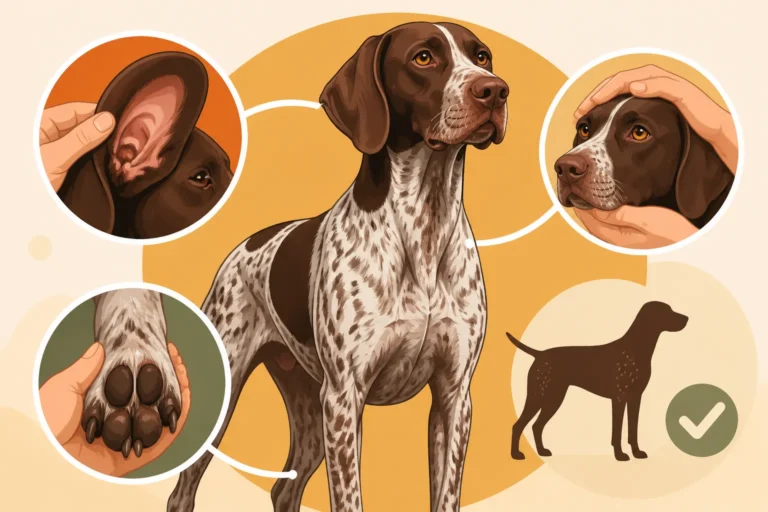
Think of your Shorthair's paws as the tires on a high-performance vehicle—they need regular checks and maintenance to keep rolling smoothly. Beyond nail trims, a daily or weekly routine of paw checks is crucial. After every hunting trip or strenuous exercise session, make it a habit to thoroughly inspect their paws. Look for any cuts, scrapes, thorns, burrs, or signs of irritation between their pads or around their nail beds. Even a tiny foxtail can embed itself and cause a serious infection if not removed promptly. These small injuries, if ignored, can escalate into bigger problems that sideline your dog.
Additionally, consider using paw balms or conditioners, especially during harsh weather conditions or before intense work. These products, which you can often find at Chewy or your local pet supply store, can help keep the paw pads supple and prevent cracking, which is a common issue for active dogs. While a dog's pads are naturally tough, environmental factors like hot pavement, ice, snow, and rough terrain can take a toll. A good balm provides a protective barrier and helps in recovery. Staying on top of these small details prevents larger issues and keeps your dog comfortable. For example, some owners choose natural, whole-food options like those offered by Ollie, which can contribute to overall coat and skin health, and by extension, paw health.
Recognizing Signs of Paw Trouble
Your German Shorthaired Pointer, being the stoic and driven dog they are, might not always vocalize discomfort immediately. It's up to you to be observant and recognize the subtle signs of paw trouble. Limping, favoring a paw, excessive licking or chewing at their feet, a change in their gait, or reluctance to bear weight are all red flags that something is amiss. Even if you can't see an obvious injury, these behaviors warrant a closer inspection and, if persistent, a visit to the veterinarian.
Beyond visible injuries, also pay attention to the overall condition of their nails and pads. Are their nails brittle or discolored? Do their pads feel rough, cracked, or unusually tender? Are there any strange growths or swellings? These could indicate anything from a minor irritation to a fungal infection or even a more serious underlying health issue. Early detection and intervention are key to a quick recovery and preventing the problem from escalating. Catching issues early can also save you significant vet bills down the line. If you're using protective gear like Boots for a Shorthair on Rock and Stubble, remember to check beneath them frequently.
| Aspect of Nail Care | Clippers (Plier-style) | Grinder | Natural Wear (Exercise) |
|---|---|---|---|
| Speed | Faster for quick trims | Slower, more gradual | Varies greatly by activity and surface |
| Precision | Requires skill to avoid quicking, especially dark nails | More forgiving, allows for gradual removal | Inconsistent, doesn't address all nails (e.g., dewclaws) |
| Finish | Can leave sharp edges | Smooth, rounded edges | Smooth, rounded |
| Noise/Vibration | Silent (clip sound) | Can be noisy and vibrate, may scare sensitive dogs | Minimal or none from paw action itself |
| Risk of Quicking | Higher if not careful | Lower, easier to see quick approaching | None |
| Best For | Quick, regular maintenance on cooperative dogs | Fearful dogs, dark nails, shaping nails, frequent small trims | Supplemental wear, conditioning pads |
| Maintenance Frequency | Every 2-3 weeks (maintenance); weekly (quick retraction) | Every 1-2 weeks (maintenance); every few days (quick retraction) | Daily with varied terrain, still needs manual intervention |
Disclaimer
This article is for general informational purposes only and does not constitute professional advice. Laws, prices and regulations vary by location and change over time. Consult a qualified professional for guidance on your specific situation.