The Forty Five to Sixty Pounds a Female Shorthair Carries
One common question many German Shorthaired Pointer owners, especially those new to the breed, grapple with is understanding if their female dog falls within a healthy weight range. It can be incredibly frustrating to look at your vibrant girl and wonder if she's just naturally lean or if you're not feeding her enough, especially when you hear numbers like "45 to 60 pounds" tossed around. This guide will walk you through what that weight range truly means for a female GSP, how to assess your dog's condition, and practical tips for keeping her in peak health, whether she's a working dog or a cherished family companion.
Understanding the Breed Standard for Female German Shorthaired Pointers
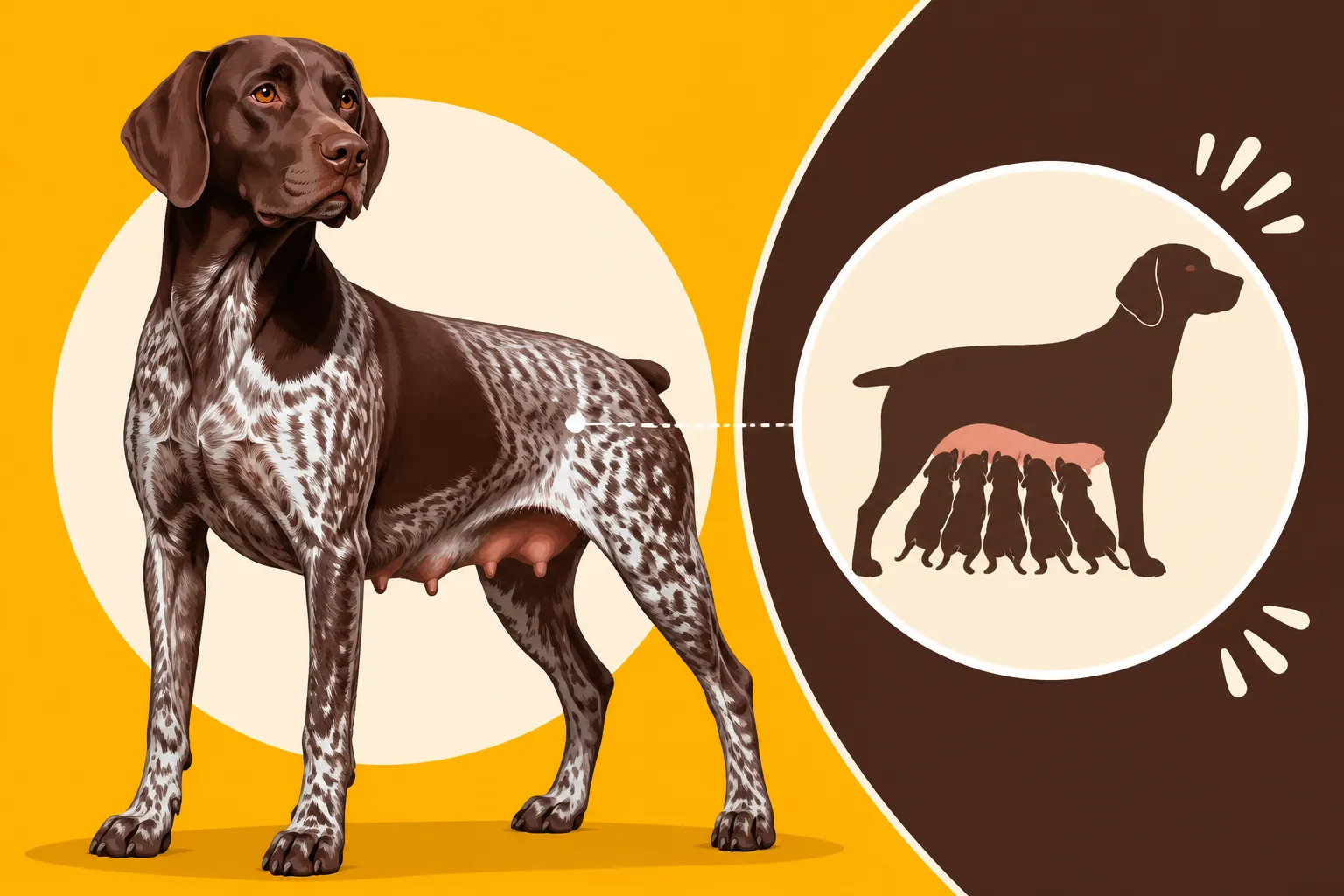
When we talk about the ideal weight for a female German Shorthaired Pointer, the range of 45 to 60 pounds is often cited. This isn't just an arbitrary number; it's rooted in the breed's history and purpose. GSPs were developed in Germany to be versatile hunting dogs, capable of pointing game, retrieving from land and water, and even tracking. This demanding job requires a dog that is agile, strong, and enduring, but not burdened by excess weight. Think of them as canine athletes – they need to be lean and muscular, built for speed and stamina.
Why the Weight Range Exists
The breed standard provides a guideline, reflecting the typical size and build that allows a GSP to perform its intended work efficiently. A dog too heavy would lack agility and tire quickly, while one too slight might lack the power needed for consistent retrieves or pushing through dense cover. This range also accounts for natural variations within the breed; just like people, not all GSPs are built exactly the same. Some lines might naturally produce dogs on the smaller, lither end of the spectrum, while others lean towards a more substantial, but still athletic, build. It's a balance of form and function.
When you're looking at your own female GSP, remember that this 45-60 pound guideline is for a mature dog. A growing puppy will, of course, be below this range for quite a while. We'll delve deeper into The Growth Year of a German Shorthaired Pointer Puppy later on. Also, comparing your female to the males in the breed, you'll notice a distinct difference. Males typically weigh more and have a more robust build. You might find it helpful to read about The Weight a Male German Shorthaired Pointer Should Hold to understand the full spectrum.
The Nuances Between Field and Show Lines
It’s worth noting that even within the GSP breed, there can be subtle differences in body type between those bred primarily for the show ring and those bred predominantly for field performance. Field-bred GSPs are often on the leaner, more athletic end of the spectrum, with a slightly finer bone structure, built for endurance and explosive bursts of speed in rugged terrain. Their musculature is typically hard and defined.
Show-bred GSPs, while still very athletic, might appear a bit more substantial or "finished" in their overall presentation, sometimes carrying a touch more body mass to fit the breed standard's aesthetic requirements. However, neither type should ever be heavy or obese. Regardless of their specific lineage, a healthy GSP should always be able to move with grace and power, without any visible strain or sluggishness. If your dog is struggling with activity, it's a good sign that her weight needs to be addressed.
Factors Influencing a Female GSP's Weight
Understanding the numerical range is one thing, but knowing why your particular GSP falls where she does, or perhaps struggles to stay within that range, is crucial. Several interconnected factors play a significant role in her overall weight and body condition.
Genetics: The Blueprint from Her Parents
Just like humans, genetics lay the foundational blueprint for your GSP's size and build. Her parents' size, bone structure, and even their metabolism can influence where she naturally lands within the 45-60 pound range. If both her sire and dam were smaller, more compact GSPs, it's reasonable to expect your female pup might mature on the lower end of that weight scale. Conversely, if her parents were larger, more substantial individuals, she might be perfectly healthy at 58 or 60 pounds. This isn't something you can change, but it provides context. A good breeder will be able to show you the parents and even grandparents, giving you an idea of the genetic potential for size.
Diet: Fueling Her Active Life
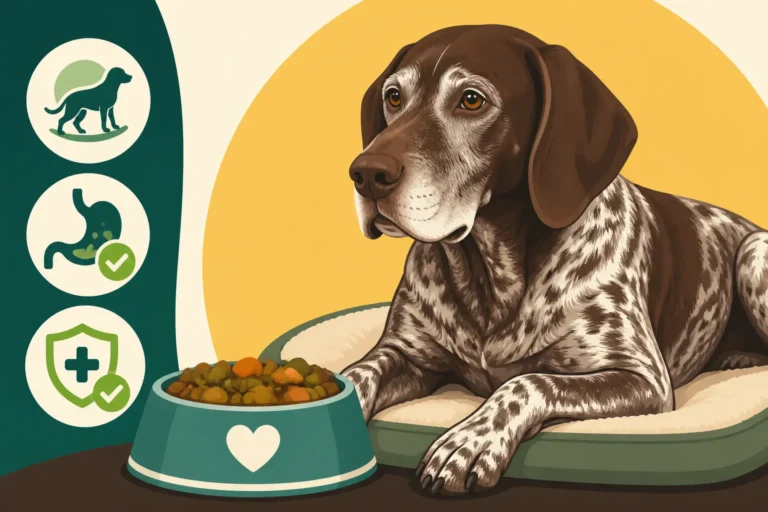
This is arguably the most controllable factor. A GSP's diet needs to match her energy output. These are highly active dogs, and a diet insufficient in calories or nutrients will lead to her being too thin, while too much food or the wrong kind will result in excess weight. The quality of her food also matters immensely. High-quality kibble formulated for active breeds, or a carefully balanced fresh food or raw diet, provides the necessary protein, fat, and carbohydrates to sustain her energy levels and maintain muscle mass.
Many GSP owners find themselves adjusting their dog's food intake not just daily, but seasonally. During hunting season, when activity is at its peak, her caloric needs will soar. In the off-season, when she might still be active but perhaps not running for hours daily, her intake will need to be reduced. For instance, brands like Ollie offer personalized fresh food plans that can be tailored to activity levels, which can be a great option for those who want precise control. Alternatively, you can find a vast selection of performance kibble on Chewy that caters to high-energy dogs. You might also want to explore Feeding a German Shorthaired Pointer That Runs All Day for more in-depth advice on this topic.
Exercise: Burning the Calories
German Shorthaired Pointers are not couch potatoes. They need a significant amount of vigorous exercise daily to maintain their physical and mental well-being. This isn't just a leisurely stroll around the block; it means running, field work, swimming, or intense play sessions. Without adequate exercise, even a carefully portioned diet can lead to weight gain because her body isn't burning off the calories she's consuming.
A GSP who gets two solid hours of running or training might burn through 2,000-3,000 calories a day, while a pet GSP who only gets an hour of brisk walking might only need 1,500. This is a huge difference! Lack of exercise can also lead to a decrease in muscle tone, making a dog appear softer and heavier even if her weight isn't drastically high. You'll find more detailed information on Running a German Shorthaired Pointer for a Year and Off Season Feeding for a German Shorthaired Pointer which touch upon the balance between food and exercise.
Age: From Puppyhood to Seniority
A female GSP's weight will naturally fluctuate throughout her life. As a puppy, she'll grow rapidly, hitting various benchmarks. She'll reach her adult height typically before her first birthday, but she'll continue to fill out and gain muscle mass until around two years of age. During these adolescent months, she might look lanky or underweight, which is often normal for a growing GSP.
As she enters her prime working years, her weight should stabilize within that 45-60 pound range, assuming a consistent diet and exercise regimen. Once she hits her senior years, typically around eight or nine, her metabolism may slow down, and her activity level might decrease. This can make her prone to weight gain if her diet isn't adjusted. On the flip side, some senior GSPs may lose muscle mass and appear thinner, even with adequate food intake. Feeding a German Shorthaired Pointer That Has Stopped Hunting provides valuable insights into managing the diet of an older, less active GSP.
Spay/Neuter Status: A Metabolic Shift
The timing of spaying or neutering can also play a subtle role in a GSP's weight. While research on this topic is ongoing and complex, it's generally accepted that spaying a female can lead to a decrease in metabolic rate due to hormonal changes. This means she might require slightly fewer calories to maintain the same weight as an intact female with a similar activity level. Owners often find that a spayed female GSP gains a few pounds if her food intake isn't adjusted post-surgery. It's not a guarantee of weight gain, but it's a factor to be mindful of.
Assessing Your Female Shorthair's Body Condition
The number on the scale is just one piece of the puzzle. Far more important is your GSP's body condition score. This is a visual and tactile assessment that tells you how much fat and muscle she's carrying. Two GSPs could both weigh 50 pounds, but one could be perfectly lean and muscular, while the other could be soft and overweight, if one is significantly taller or has a heavier bone structure.
Visual Cues: What You See
When you look at your female GSP from above, she should have a distinct waistline, tucking in behind her ribs before flaring out slightly at the hips. She shouldn't look like a barrel or a straight line from chest to tail. From the side, you should see an abdominal tuck – her belly should go up from her chest to her groin, not hang low or be parallel to the ground.
You should also be able to easily see her last few ribs when she's standing in a natural pose. If you can see all her ribs, or her hip bones and spine are visibly protruding, she might be too thin. If you can't see any ribs at all, even when she's moving, she's likely carrying too much weight. This is especially important for a hard-running breed like the GSP, as excess weight puts undue strain on their joints. For a deeper dive, check out The Body Condition a Field Shorthair Should Carry.
Palpation: What You Feel
This is where the real assessment happens. Run your hands over her sides, especially over her rib cage. You should be able to easily feel her ribs with light pressure, almost like feeling the knuckles on the back of your hand. You shouldn't have to press hard to locate them. If you can't feel her ribs without significant pressure, she's too heavy. If her ribs feel sharp and prominent, with no layer of fat or muscle over them, she's likely too thin.
Next, feel along her spine and over her hip bones. You should be able to feel the top of her spine, but not have it feel like sharp, protruding knobs. Her hip bones should be palpable but not jutting out. Her musculature, especially over her thighs, should feel firm and well-defined, not soft and squishy. This hands-on assessment is critical, as a GSP's short, sleek coat can sometimes hide a few extra pounds or make a lean dog appear thinner than she is. This physical check is crucial for Feeling a German Shorthaired Pointer's Ribs and Hips.
The Body Condition Score Chart
Veterinarians often use a Body Condition Score (BCS) chart, typically on a scale of 1 to 9, where 5 is ideal. It provides a more objective way to assess your dog's weight.
| BCS Score | Description | Visual Cues | Palpation Cues |
|---|---|---|---|
| 1-2 (Underweight) | Emaciated to very thin | Ribs, spine, hip bones, pelvic bones easily visible, severe abdominal tuck | No fat cover, bones prominent and sharp |
| 3 (Thin) | Lean, but ribs still easily seen | Ribs easily visible, marked abdominal tuck | Minimal fat cover, ribs easily felt |
| 4-5 (Ideal) | Healthy weight | Ribs palpable with slight fat cover, visible waist, abdominal tuck | Ribs easily felt, minimal fat, muscle definition |
| 6-7 (Overweight) | Mildly to moderately heavy | Ribs palpable with difficulty, less defined waist, slight abdominal sag | Moderate fat cover, ribs hard to feel |
| 8-9 (Obese) | Severely overweight | Ribs not palpable, no waist, obvious abdominal distention | Thick fat cover, ribs impossible to feel |
Aim for a score of 4 or 5 for your female GSP. Regularly checking your dog's body condition, alongside tracking her actual weight, helps you make informed decisions about her diet and exercise. You might even want to keep a log, especially if she's a working dog, to track Weighing a German Shorthaired Pointer Through the Season.
Maintaining a Healthy Weight for Your Female GSP
Keeping your female German Shorthaired Pointer at her ideal weight is an ongoing process that requires consistency, observation, and sometimes, adjustments. It's not a "set it and forget it" task, especially with a breed so prone to activity and metabolic shifts.
Practical Feeding Strategies for Active Dogs
First and foremost, invest in high-quality dog food. Whether you choose a premium kibble, fresh food, or a raw diet, ensure it's balanced and appropriate for an active, large-breed dog. Look for ingredients that prioritize quality protein and healthy fats. Many brands like Purina Pro Plan Sport or Eukanuba's working dog formulas are excellent for GSPs, available on platforms like Amazon.
- Portion Control is Key: Don't free-feed your GSP. Measure her food accurately. The feeding guidelines on dog food bags are just a starting point; your dog's individual metabolism, age, and activity level will dictate her true needs.
- Adjust for Activity: As mentioned, a GSP's caloric needs fluctuate wildly. During hunting season, she'll need more food, possibly spread over multiple meals to aid digestion and prevent issues like bloat. In the off-season, when her activity might be less intense, reduce her portions to prevent weight gain. Calorie Needs of a German Shorthaired Pointer in Season is a great resource for understanding these changes.
- Healthy Snacks: If you use treats for training or just as rewards, ensure they are healthy and factored into her daily caloric intake. Vegetables like carrots or green beans can be excellent, low-calorie options. Avoid giving her excessive table scraps, which can quickly add unwanted pounds and unbalance her diet.
The Importance of Regular Vet Checks
Your veterinarian is your best partner in maintaining your GSP's health. During annual check-ups, your vet will weigh your dog and perform a body condition assessment. They can help you identify if your GSP is starting to gain or lose too much weight and rule out any underlying medical conditions that could be affecting her metabolism or appetite. For instance, sometimes a subtle change in thyroid function could lead to unexplained weight gain or loss, which your vet can test for. Maintaining The Vet Schedule a Working Shorthair Should Keep is paramount.
Dealing with Weight Fluctuations
It's normal for a GSP's weight to vary slightly throughout the year, especially if she's a working dog. A few pounds might come off during a rigorous hunting season, and then you might aim to put that muscle mass back on in the off-season. However, significant or rapid weight changes, either up or down, warrant attention.
- If your GSP is too thin: Increase her food gradually, opting for higher-calorie foods designed for active dogs if necessary. You might need to add an extra meal during the day. Ensure she's not experiencing any digestive issues that could prevent nutrient absorption. Sometimes, adding a high-quality joint supplement or fish oil can also aid in overall health and appetite, which you can find readily on Chewy. Look into Joint Supplements Worth Giving a Working Shorthair for ideas.
- If your GSP is overweight: This is a very common problem, even for active breeds, especially if their exercise decreases as they age or if portions aren't adjusted. The solution is usually a combination of increasing exercise and reducing calories. Consider switching to a lower-calorie, high-fiber dog food, or simply feeding smaller portions of her current food. If she's a pet, remember that Slimming a Pet Shorthair That Has Gone Soft takes dedication. Even small changes can make a big difference over time.
Consistency in diet, consistent and appropriate exercise, and regular veterinary oversight are the cornerstones of keeping your female German Shorthaired Pointer within her ideal 45-60 pound athletic range. She's an incredible companion, and keeping her fit is one of the best ways to ensure she lives a long, healthy, and happy life by your side.
Disclaimer
This article is for general informational purposes only and does not constitute professional advice. Laws, prices and regulations vary by location and change over time. Consult a qualified professional for guidance on your specific situation.