Whether a Shorthair Over Twenty Six Inches Is Penalized
It's a common concern for German Shorthaired Pointer owners, especially those who love the breed's conformation and history, to worry about whether their beloved companion fits the "ideal" mold. You might find yourself staring at your handsome Shorthair, measuring them at the shoulder, and wondering if that extra inch or two above the standard height could actually be a problem. This guide will help you understand the official breed standard regarding size, how deviations might be viewed, and what it truly means for your dog, whether they're a competitive show dog or your cherished hunting partner and family member.
Understanding the German Shorthaired Pointer Breed Standard
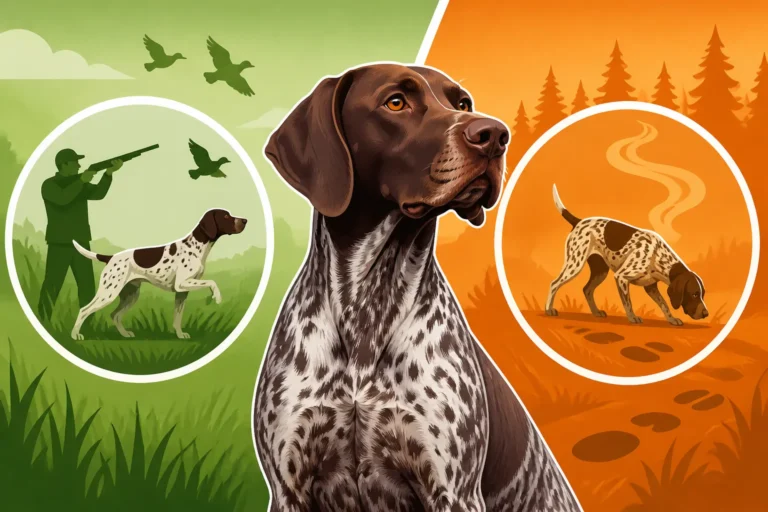
The German Shorthaired Pointer is a breed steeped in tradition, developed in Germany to be the ultimate versatile hunting dog. This means they needed to be capable of pointing, retrieving, and tracking, all while possessing the stamina and physical attributes to cover diverse terrain. The breed standard, set by organizations like the American Kennel Club (AKC) and the Fédération Cynologique Internationale (FCI), outlines the ideal characteristics that best enable the Shorthair to perform these tasks efficiently and safely. Among these characteristics is their physical size.
What the Official Standard Says About Height
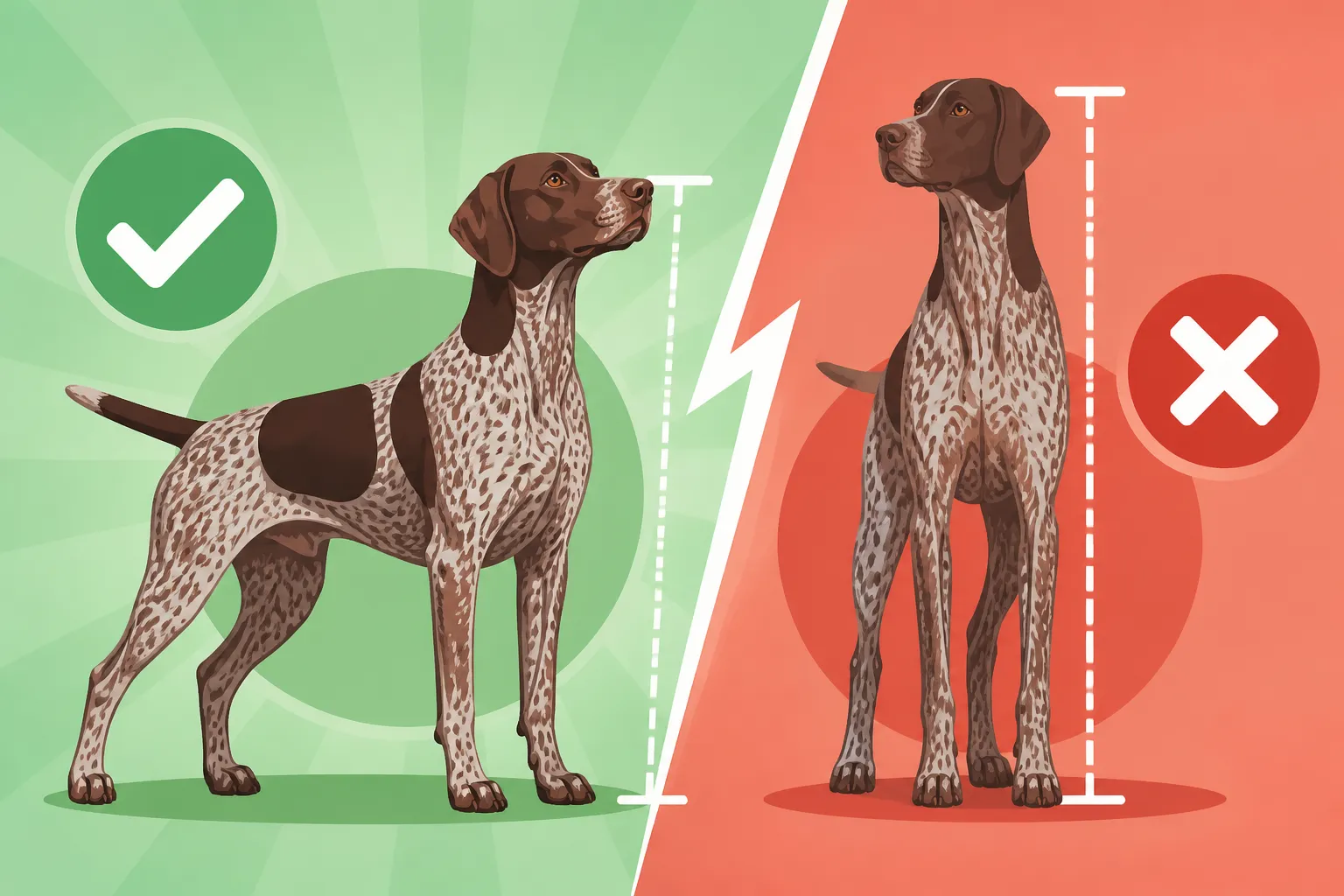
When we talk about height, we're referring to the measurement from the ground to the highest point of the dog's shoulder blades, known as the withers. For German Shorthaired Pointers, the breed standard specifies a particular range. For male German Shorthaired Pointers, the accepted height range is typically between 23 and 25 inches at the withers, sometimes extending to 26 inches in some interpretations or specific club standards. Females generally fall into a slightly smaller range, usually 21 to 23 inches.
This range isn't arbitrary; it reflects the historical purpose of the breed. A dog too small might lack the powerful stride needed for extended hunts, while a dog significantly too large could struggle with agility in dense cover or lack the endurance for an entire day afield. It’s all about finding that sweet spot of functional athleticism. You'll often hear breeders discuss The Size and Build the Shorthair Standard Asks For because it's so fundamental to the breed's identity.
Why Size Matters in the Show Ring
For those who aspire to compete in conformation shows, every detail of the breed standard becomes incredibly important. Judges are tasked with evaluating how closely each dog conforms to this ideal blueprint. Size, therefore, is a significant factor. A dog that is too far outside the established height range can be penalized. The show ring is, after all, about showcasing breeding stock that embodies the purest form of the breed's characteristics, ensuring the preservation of traits that make the German Shorthaired Pointer so special.
A GSP standing at 26 inches or even a bit more, for example, might still be a magnificent animal in every other respect—beautifully gaited, with excellent bone and muscle, and a keen, intelligent expression. However, if the standard specifies a maximum of 25 inches for a male, that extra inch can move them down in ranking against another dog that falls perfectly within the guidelines. It’s not about the dog being "bad," but about adherence to a carefully crafted ideal.
The Functionality Behind the Standard
It's easy to get caught up in the aesthetics of a breed standard, but for a working dog like the German Shorthaired Pointer, every aspect of that standard is tied back to functionality. Think about a GSP coursing through tall prairie grass, busting through thickets, or swimming across a cold creek to retrieve a downed bird. Their height, weight, coat, and muscle mass are all designed for this strenuous activity.
A Shorthair that is excessively tall might have a higher center of gravity, potentially making them less agile in tight turns or over uneven terrain. They might also be more prone to certain types of injuries if their frame isn't built proportionately to support that extra height. Conversely, a Shorthair that is too short might struggle to clear obstacles or maintain pace with a hunter covering significant ground. The standard aims for a balance that maximizes efficiency and minimizes risk for a dog destined for a long, active life in the field. Understanding this helps us appreciate why breeders strive to produce dogs within these parameters, not just for show but for genuine working capability. You might be interested in How a Field Bred Shorthair Differs in Build as it often emphasizes these functional aspects.
Penalties and Disqualifications in the Show Ring
Navigating the world of dog shows can feel a bit like deciphering an ancient text, especially when it comes to understanding what constitutes a "fault" versus a "disqualification." For German Shorthaired Pointers, being over the height standard falls into a nuanced category that depends on the degree of deviation and the specific judging association.
Minor vs. Major Faults for Oversize
Generally, when a German Shorthaired Pointer measures just slightly over the breed standard's height limit—say, a male at 26 inches when the standard calls for 25—it's typically considered a "fault." A fault means it's an undesirable characteristic that detracts from the dog's overall conformation, but doesn't necessarily remove them from consideration entirely. The severity of the fault usually depends on how significant the deviation is.
A judge might assign a "minor fault" for a dog that is barely over the limit, perhaps less than an inch. This might still allow the dog to place if it excels in all other areas of the standard, demonstrating superior balance, movement, and breed type. However, if the dog is noticeably taller, perhaps an inch or more beyond the upper limit, it might be deemed a "major fault." A major fault significantly impacts a dog's ability to win or even place in a competitive class. It signals that this characteristic is a notable deviation from the ideal, potentially impacting the dog's functional ability or the breed's overall appearance.
When Size Becomes a Disqualification
There's a line where a fault crosses into a "disqualification," meaning the dog is automatically ineligible for any awards in the show ring. For German Shorthaired Pointers, this typically happens when the height deviation is extreme. While specific rules can vary slightly between kennel clubs and countries, a common disqualification might be for dogs that are more than a certain amount over the maximum height. For instance, the AKC standard states, "Dogs measuring over 25 inches at the withers and bitches over 23 inches at the withers shall be penalized. Any dog measuring over 26 inches or bitch measuring over 24 inches at the withers shall be disqualified."
This means that a male Shorthair at 26 inches would likely be penalized, but one at 26.5 inches would be disqualified. It’s a hard cutoff. It's not about how pretty the dog is, or how well it moves, but simply that it does not meet a fundamental structural requirement of the breed. This rule exists to prevent the breed from gradually increasing in size beyond its functional ideal, which could compromise its agility and endurance in the field. For more specific details, looking up The Twenty Five Inch Ceiling on a Male Shorthair or The Height a Female German Shorthaired Pointer Reaches can give you the exact numbers defined by the standard.
Impact on a Dog's Show Career
If your German Shorthaired Pointer falls into the penalized or disqualified height category, it certainly impacts their show career. A dog receiving a penalty for size might still earn points and titles if the competition isn't strong, or if the dog's other virtues are so outstanding that they outweigh the fault. However, consistently winning against top competition would be an uphill battle.
For a dog that is disqualified for size, a show career in conformation is effectively over. They cannot earn points or titles, regardless of how magnificent they are otherwise. This can be disappointing for owners who had high hopes for their dog in the show ring. However, it's crucial to remember that a disqualified dog is still a wonderful companion and often an excellent working dog. Conformation shows are just one avenue for a GSP to shine. Many incredible German Shorthaired Pointers, who might be an inch over the show standard, go on to have stellar careers in hunt tests, field trials, or as beloved family members.
Beyond the Show Ring: Size in the Field and Home
While the show ring has strict rules about height, the real world of hunting and family life often has more flexible criteria. For most German Shorthaired Pointer owners, a dog’s size is less about ribbons and more about practical considerations related to their lifestyle and the dog’s health.
Practical Considerations for a Larger GSP in the Field
If your German Shorthaired Pointer is a hunting partner, a little extra height might not be a deal-breaker, and in some cases, might even be perceived as an advantage by some hunters. A slightly taller dog might have an easier time navigating very tall cover, like dense cattails or shoulder-high prairie grass, potentially giving them a better vantage point to locate birds. Their longer legs could translate to a longer stride, allowing them to cover ground more quickly and efficiently during a long day afield.
However, there can be drawbacks. A very large GSP might be more cumbersome in extremely thick or tangled brush, where a smaller, more compact dog could maneuver with greater ease. They might also require more stamina to propel their larger frame through challenging terrain all day. The most important factor for a hunting Shorthair is their drive, scenting ability, and trainability, not whether they are exactly 25 inches at the shoulder. Many fantastic hunting dogs exist who are a bit outside the breed standard's height range. You might want to read Keeping a German Shorthaired Pointer Hunting Past Ten which touches on the practicalities of a long working life, regardless of exact size.
Living with a Larger GSP as a Family Companion
For German Shorthaired Pointers who are primarily family companions, a few extra inches in height is rarely an issue. These dogs are known for their "Velcro" personalities, high energy, and desire to be part of every family activity, regardless of their precise measurements. What truly matters in a family setting is their temperament, their exercise needs being met, and their overall health.
However, a larger GSP will naturally require more space. A bigger dog needs a bigger dog bed (you can find plenty of options on Chewy for larger breeds), a larger crate, and potentially a bigger vehicle for transport. They will also likely consume more food than their smaller counterparts, which is an ongoing cost consideration. Their sheer physical presence is greater, meaning they can inadvertently knock over small children or fragile items with a wagging tail or an excited jump. Proper training, like Teaching a Shorthair Puppy Not to Jump on People, becomes even more crucial with a physically imposing dog.
| Characteristic | Show Ring (Conformation) | Hunting Field | Family Companion |
|---|---|---|---|
| Height Significance | Critical for competitive success; penalized or disqualified if over standard. | Less critical; focus on drive, stamina, and agility. | Minimal; focus on temperament, health, and meeting exercise needs. |
| Potential Advantages | None if over standard; purely a disadvantage. | May cover ground faster, see over tall cover. | More imposing presence, requires less bending to pet. |
| Potential Disadvantages | Cannot place or be titled if disqualified. | May struggle in dense cover, higher stamina demand. | Requires more space (bed, crate, car), eats more, can be clumsy indoors. |
| Focus for Owner | Adherence to breed standard for competitive edge. | Dog's working ability, endurance, and scent drive. | Temperament, socialization, training, and exercise. |
Health Implications of Extreme Size
While a couple of inches over the standard might not pose significant health risks, extreme size in any breed can sometimes lead to particular challenges. Larger dogs, in general, tend to put more strain on their joints, and rapid growth in puppies can sometimes exacerbate issues like hip and elbow dysplasia if not managed properly with appropriate diet and exercise. Responsible breeders strive to produce dogs within the healthy range for the breed, which includes size, to minimize these risks.
It's always important to ensure a large, active breed like the GSP is fed a high-quality diet appropriate for their activity level and life stage. Overfeeding a growing puppy can lead to growth spurts that put undue stress on developing bones and joints. If you have a larger Shorthair, discuss their specific nutritional needs with your veterinarian. You might find excellent large-breed specific formulas or supplements, like joint support, readily available on platforms like Chewy to help maintain their health and vitality. Proper care, including regular veterinary check-ups and mindful feeding, is paramount for any GSP, regardless of their exact height, to ensure they live a long, healthy, and happy life.
Ultimately, whether your German Shorthaired Pointer is precisely within the breed standard's height requirements is most relevant if you plan to campaign them in the conformation ring. For hunting or simply sharing your life with an active, devoted companion, a few inches extra is unlikely to detract from their ability to excel at what GSPs do best: being incredible, versatile dogs who steal our hearts. Many wonderful GSPs find their forever homes through rescue organizations, and their height rarely factors into the immense joy they bring.
Disclaimer
This article is for general informational purposes only and does not constitute professional advice. Laws, prices and regulations vary by location and change over time. Consult a qualified professional for guidance on your specific situation.