Hip Dysplasia in a Hard Running German Shorthaired Pointer
It’s truly heartbreaking to witness your German Shorthaired Pointer, a breed renowned for its boundless energy and incredible athleticism, start to show signs of slowing down. For dogs bred to run hard and work tirelessly, joint issues can feel like a betrayal of their very nature, leaving owners frustrated and worried. This guide aims to thoroughly explain hip dysplasia in these magnificent, hard-running dogs, helping you understand its nuances, identify symptoms, navigate diagnosis, and explore management strategies to keep your companion as comfortable and active as possible.
Understanding Hip Dysplasia in German Shorthaired Pointers
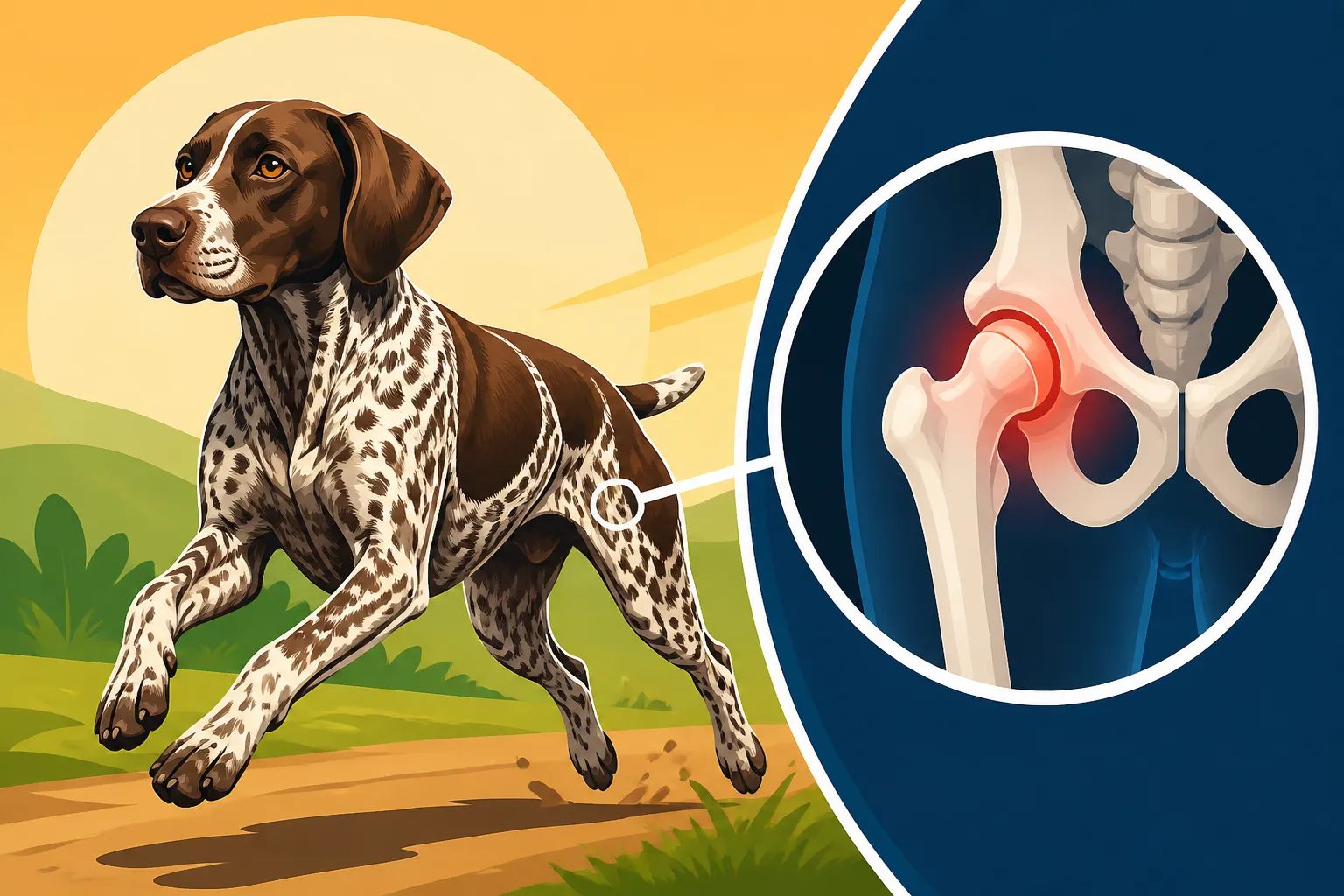
Hip dysplasia is a complex, multi-factorial condition where the hip joint doesn't develop properly. Instead of a smooth, snug fit between the ball (femoral head) and socket (acetabulum), the joint is loose, shallow, or malformed. For a German Shorthaired Pointer (GSP), a dog designed for powerful propulsion and endurance in the field, this structural defect can lead to significant pain, lameness, and ultimately, debilitating arthritis. It’s not just a large breed problem; while more common in bigger dogs, the sheer demands we place on our GSPs' joints make them particularly susceptible.
The Genetics Behind the Condition
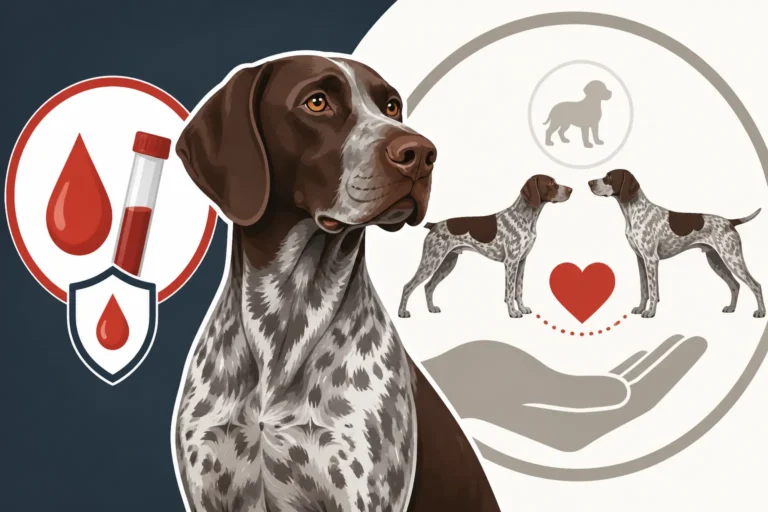
While environmental factors like diet and exercise play a role, genetics are the primary driver of hip dysplasia. This means it’s largely inherited, passed down from parent to offspring. Reputable breeders work diligently to screen their breeding stock, aiming to reduce the incidence of hip dysplasia in their lines. They understand that a GSP puppy's genetic predisposition for hip dysplasia is laid long before it takes its first steps. Even with the best intentions and careful breeding, the polygenic nature of hip dysplasia means that sometimes, a puppy from seemingly clear parents can still develop the condition, though the risk is significantly lowered. It's a frustrating reality for breeders and owners alike, highlighting why consistent screening is so vital.
How a Hard Running Lifestyle Exacerbates Hip Dysplasia
Think about the life of a German Shorthaired Pointer. They're not just jogging around the block; they're sprinting through fields, leaping over obstacles, making sharp turns, and crashing through heavy cover. Every single one of these actions puts immense stress on their hip joints. In a dog with perfectly formed hips, the joint cartilage and surrounding muscles can usually handle this kind of impact. However, in a GSP with dysplastic hips, even mild malformation means the ball and socket grind and rub instead of gliding smoothly. This constant friction inflames the joint, damages the cartilage, and causes microfractures in the bone, leading to pain and accelerated degeneration. A mild case of hip dysplasia that might go unnoticed in a less active dog can quickly become a significant issue for a GSP that’s out hunting all season, turning what might have been a minor discomfort into a chronic, painful problem that truly limits their quality of life.
Recognizing the Signs in an Active Dog
One of the biggest challenges with German Shorthaired Pointers and hip dysplasia is their incredible stoicism and high pain tolerance. These dogs are bred to push through discomfort, a trait that makes them exceptional hunting partners but can also tragically mask the early signs of a serious problem. You might not see obvious limping until the condition is quite advanced, especially in a dog driven to work. It takes a keen eye and a deep understanding of your individual dog's behavior to catch these subtle indicators.
Subtle Changes in Gait and Performance
Rather than a dramatic limp, you might first notice subtle changes in your GSP's movement. Perhaps they seem a little stiffer after a long run or when first getting up in the morning. Their powerful, fluid stride might appear slightly less efficient, or they might seem to "bunny hop" with their back legs when running at speed, trying to minimize impact on their painful hips. You might observe them shifting their weight more onto their front legs, developing more prominent shoulder muscles as they compensate for hindquarter weakness. Sometimes, it’s not about what they can't do, but what they don't do anymore. They might hesitate before jumping into the truck, avoid stairs, or be less enthusiastic about those long retrieves they once adored. Even a slight reduction in their desire to hunt or their endurance in the field can be a red flag. Pay close attention to these small shifts, because for a GSP, they can be screaming volumes. Owners of hard-running dogs should especially look out for these signs, as a German Shorthaired Pointer that has stopped wanting to run is a major indicator of discomfort.
Reluctance to Engage and Altered Behavior
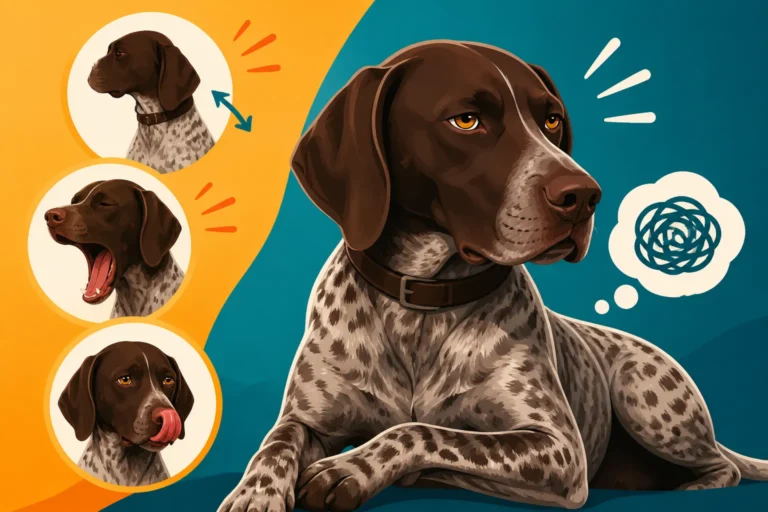
Beyond physical changes, hip pain can manifest in behavioral shifts. Your once exuberant GSP might become a little more reserved, less playful, or even a bit irritable when touched in certain areas. They might be less enthusiastic about greeting you at the door or initiating play. Imagine the frustration for a dog built to move who finds every movement painful. They might self-limit their activity, choosing to lie down more often or opting out of games they once loved. Some dogs might even show aggression if you accidentally touch a sore spot, simply because they're in constant discomfort. You might notice them having trouble rising from a lying position, struggling to get their back end underneath them. A truly hard-running GSP might try to push through the pain, but even their immense drive has its limits. These changes can be particularly distressing because they affect the very personality and spirit of your beloved companion. It’s crucial to understand How Hip Dysplasia Hides in a Shorthair That Never Quits.
Visible Signs and Palpation
As hip dysplasia progresses, some signs become more apparent. You might notice muscle atrophy in the hindquarters – the muscles in their thighs may look smaller or less defined compared to their powerful front end. The hips themselves might feel "loose" or you might hear a clicking or popping sound (crepitus) when they move, especially if you gently manipulate their legs. Some GSPs will visibly favor one leg, or stand with their back legs closer together, tucking them under their body to reduce weight bearing on the hips. When you gently palpate their hips and rear legs, they might flinch, pull away, or even yelp in pain. Swelling around the hip joint can also occur in more severe cases. While you should always leave definitive diagnosis to a vet, learning to check a German Shorthaired Pointer over after a hunt can help you identify these physical signs early.
Diagnosis and Early Intervention
Diagnosing hip dysplasia accurately is the critical first step to effective management. It involves a combination of your observations as the owner, a thorough veterinary physical exam, and specialized imaging techniques. Don't let the idea of expensive tests deter you; early diagnosis can often lead to less invasive and more effective long-term solutions, potentially saving you more money and your dog more pain down the road.
The Veterinary Examination and Initial Suspicions
When you bring your GSP to the vet with concerns about their mobility or behavior, the first thing they’ll do is a comprehensive physical exam. This involves watching your dog walk and trot, observing their gait for any abnormalities. Your vet will then carefully palpate their hips, manipulating the joints through their range of motion. They'll be feeling for looseness (laxity), crepitus (grating sounds or sensations), and any signs of pain or discomfort. They might perform specific maneuvers like the Ortolani test, which assesses hip joint laxity by trying to subluxate (partially dislocate) the hip. While these tests can strongly suggest hip dysplasia, they often aren't enough for a definitive diagnosis, especially in a muscular or stoic dog like a GSP. However, they are crucial for raising initial suspicions and determining the next steps.
Advanced Imaging: X-rays, OFA, and PennHIP
To definitively diagnose hip dysplasia and assess its severity, X-rays are indispensable. There are two primary methods for evaluating hip radiographs in dogs:
-
Orthopedic Foundation for Animals (OFA) Certification: This method involves a single, standard X-ray taken with the dog positioned on its back, hind legs extended and rotated inwards. The X-rays are then submitted to the OFA, where three independent board-certified veterinary radiologists evaluate them for signs of hip dysplasia. The hips are graded as Excellent, Good, Fair (all considered passing), Borderline, or Dysplastic (Mild, Moderate, Severe). The OFA certification typically requires the dog to be at least 24 months old. This is an important step for breeders, and knowing The Age OFA Will Certify a Shorthair's Hips is crucial for making informed breeding decisions.
-
PennHIP Evaluation: This method provides a quantitative measurement of hip joint laxity, which is often a precursor to hip dysplasia. It involves three separate X-ray views: a standard extended view, and two "distraction" views that passively stretch the hip joint to measure how much the femoral head can move out of the acetabulum. The result is a Distraction Index (DI), a numerical score that indicates the degree of hip laxity, ranging from 0 (very tight) to 1 (very loose). Dogs with lower DI scores have tighter hips and a lower chance of developing hip dysplasia. PennHIP can be performed on dogs as young as 16 weeks, offering an earlier indicator of hip quality. Many breeders now rely on PennHIP Numbers on a German Shorthaired Pointer for more precise assessment.
Both OFA and PennHIP provide valuable information, though they differ in their approach and when they can be performed. Your veterinarian will help you determine which method is most appropriate for your GSP.
| Diagnostic Method | Age Requirement | Key Measurement | Benefits | Drawbacks |
|---|---|---|---|---|
| OFA Certification | 24 months + | Radiographic Grade | Widely accepted, standardized positioning | Can miss mild laxity, only done on mature dogs |
| PennHIP Evaluation | 16 weeks + | Distraction Index | Quantitative, earlier detection of laxity | Requires specialized training, less common |
The Importance of Early Detection
For a German Shorthaired Pointer, early detection of hip dysplasia is paramount. The sooner you know, the more options you have to intervene, potentially slowing the progression of arthritis and managing pain more effectively. If dysplasia is diagnosed in a young, growing GSP, there are surgical procedures like Juvenile Pubic Symphysiodesis (JPS) or Triple Pelvic Osteotomy (TPO) that can reshape the hip joint and prevent severe arthritis later in life. These surgeries are highly time-sensitive and must be performed before the dog reaches skeletal maturity. Even in older dogs, early diagnosis allows for the implementation of conservative management strategies before the pain becomes chronic and debilitating, preserving their quality of life for as long as possible. Prompt intervention can mean the difference between a GSP that continues to enjoy moderate activity and one that lives a life of constant discomfort.
Management Strategies for Running Dogs
Once your hard-running German Shorthaired Pointer receives a diagnosis of hip dysplasia, the focus shifts to management. This isn't a "one size fits all" situation; the best approach will depend on the severity of the dysplasia, your dog's age, overall health, and your family's lifestyle. The goal is always to reduce pain, improve mobility, and maintain as much quality of life as possible, ideally keeping them active within their comfortable limits.
Conservative Management: A Multifaceted Approach
For many GSPs with mild to moderate hip dysplasia, conservative management can be incredibly effective, especially if started early. This approach avoids surgery and focuses on supporting the joint and managing pain through several key strategies:
- Weight Management: This is arguably the single most important factor. Every extra pound your GSP carries puts exponentially more stress on their already compromised hip joints. Keeping your dog lean is non-negotiable for managing hip dysplasia pain. Your vet can help you determine an ideal body condition score and caloric intake.
- Controlled Exercise: While "hard running" might be out, complete inactivity is also detrimental as it leads to muscle atrophy. The key is controlled, low-impact exercise. Swimming is fantastic, as it builds muscle without impact. Leash walks on soft surfaces, gentle hiking, and even underwater treadmill therapy can maintain muscle mass and joint flexibility. Avoiding high-impact activities, sudden stops, and sharp turns is crucial.
- Joint Supplements: Many GSP owners find success with supplements containing glucosamine, chondroitin, MSM, and omega-3 fatty acids. These ingredients are believed to support cartilage health, reduce inflammation, and improve joint lubrication. Brands like Nutramax Dasuquin or Cosequin are popular choices. Discuss Joint Supplements for a Hunting German Shorthaired Pointer with your vet to see what they recommend.
- Anti-inflammatory Medications: Non-steroidal anti-inflammatory drugs (NSAIDs) such as Rimadyl (carprofen), Galliprant, or Metacam (meloxicam) are often prescribed to manage pain and inflammation. These can be given daily or on an as-needed basis, depending on your dog's symptoms. Regular vet check-ups are essential to monitor for any side effects.
- Physical Therapy and Rehabilitation: A certified canine rehabilitation therapist can be a game-changer. They can design a tailored exercise program, including massage, stretching, therapeutic exercises, and modalities like laser therapy or acupuncture, to strengthen supporting muscles, improve range of motion, and reduce pain.
Many owners find that a combination of these strategies, carefully managed with their vet, allows their GSP to live a fulfilling and active life. Remember, patience and consistency are key here.
Surgical Interventions: When Conservative Isn't Enough
When conservative management no longer provides adequate pain relief or mobility, or if the dysplasia is severe and diagnosed early, surgical options become a consideration.
- Femoral Head Osteotomy (FHO): This procedure involves removing the head and neck of the femur, essentially eliminating the painful bone-on-bone contact. The dog then forms a "false joint" of scar tissue. FHO is typically reserved for smaller dogs or GSPs who are not candidates for other surgeries, as it relies heavily on strong muscle development to support the limb. Recovery involves physical therapy to build that crucial muscle mass.
- Total Hip Replacement (THR): Considered the "gold standard" for severe hip dysplasia, THR involves replacing both the ball and socket with prosthetic implants, similar to human hip replacements. This surgery offers the best chance for complete pain relief and return to normal function. It is a complex and expensive procedure, requiring a highly skilled orthopedic surgeon and dedicated post-operative care, including extensive rehabilitation. However, for a young, otherwise healthy GSP, it can provide an excellent long-term outcome. Organizations like Healthy Paws pet insurance often help cover the significant costs associated with such advanced surgical interventions.
- Triple Pelvic Osteotomy (TPO) / Double Pelvic Osteotomy (DPO): These procedures are performed on younger dogs (typically under 10-12 months) before significant arthritis has developed. They involve cutting the pelvic bone in multiple places and rotating the segments to improve the coverage of the femoral head by the acetabulum, creating a more stable joint. TPO/DPO are complex and require a skilled surgeon, but they can dramatically improve joint function and prevent further degeneration.
The decision for surgery is a significant one, with considerable financial implications and recovery time. Your veterinarian will discuss all available options, risks, and expected outcomes to help you make the best choice for your GSP. Keep in mind that for a hunting dog, rehabilitating a shorthair after cruciate surgery or any major joint surgery requires a serious commitment of time and resources.
Prevention and Proactive Care
While genetics play a huge role in hip dysplasia, there are absolutely steps you can take to minimize the risk and impact of this condition on your German Shorthaired Pointer. Proactive care starts even before you bring a puppy home and continues throughout their life.
Choosing a Responsible Breeder
This is arguably the most crucial step in preventing hip dysplasia. A responsible breeder is committed to the health of their lines and will meticulously screen their breeding dogs for genetic conditions like hip dysplasia. This means:
- OFA/PennHIP Clearances: Insist on seeing documented proof of OFA or PennHIP clearances for both the dam (mother) and sire (father) of any puppy you consider. Ideally, both parents should have "Good" or "Excellent" OFA ratings, or low PennHIP Distraction Index scores (e.g., in the tighter 90th percentile). Don't just take their word for it; ask for the registration numbers and look them up on the OFA public database.
- Multi-Generational Clearances: The best breeders will have multiple generations of cleared dogs in their pedigrees, showing a consistent commitment to health.
- Health Guarantees: Reputable breeders often provide health guarantees against severe hip dysplasia, sometimes offering a refund or replacement puppy if the condition is diagnosed within a certain timeframe.
- Openness and Transparency: A good breeder will be open about health issues that have appeared in their lines, even if they've worked to breed them out. They won't shy away from your questions about health.
Remember, a puppy from health-tested parents significantly reduces your risk, though it doesn't eliminate it entirely due to the complex inheritance patterns of hip dysplasia. When considering a puppy, paying attention to Hips and the CHIC Panel a German Shorthaired Pointer Needs will ensure you're making an informed choice.
Optimal Nutrition for Joint Health
Proper nutrition, especially during the rapid growth phase of a GSP puppy, is vital for healthy joint development.
- Large Breed Puppy Food: Choose a high-quality, large breed specific puppy food. These foods are formulated with controlled levels of calcium and phosphorus, which are crucial for proper bone and joint development. Feeding a regular puppy food, which might be too high in calories and certain minerals, can promote overly rapid growth, putting unnecessary stress on developing joints.
- Avoid Overfeeding: Keep your GSP puppy lean, especially during their first year. Overfeeding leads to rapid weight gain, which is a major environmental factor that can exacerbate a genetic predisposition to hip dysplasia. You should be able to easily feel your puppy's ribs without seeing them, and they should have a discernible waist. Learn about The Growth Year of a German Shorthaired Pointer Puppy to understand their nutritional needs.
- Balanced Diet: Ensure your GSP receives a balanced diet throughout their life, one that supports muscle mass and overall health without leading to excess weight.
Controlled Exercise and Avoiding Early Impact
While GSPs are born with boundless energy, how you manage that energy during their puppyhood is critical for joint health.
- Avoid Forced, High-Impact Exercise: During the crucial growth period (up to 12-18 months), avoid activities that put excessive stress on developing joints. This means no long-distance running, no intense agility work, no jumping from heights (like off the back of a truck), and limited repetitive fetch sessions on hard surfaces. Activities like "roadwork" should be delayed until the dog is fully mature; The Age a German Shorthaired Pointer Can Start Roadwork typically isn't until 12-18 months, or even later.
- Allow Free Play on Soft Surfaces: Encourage free play in a fenced yard or on soft ground, letting your puppy self-regulate their activity levels. Short, fun training sessions are great for mental stimulation without joint strain.
- Swimming: This is an excellent, low-impact exercise for GSPs of all ages, building muscle tone without stressing joints.
- Listen to Your Puppy: Pay attention to any signs of fatigue or discomfort. A tired puppy needs rest, not more exercise. There's a lot of debate about Whether Running a Shorthair Puppy Damages Its Joints, but the consensus is that controlled exercise is best.
By being mindful of these factors, you can give your GSP the best possible start and help protect their joints for a long, active life.
Living with Hip Dysplasia: Long-Term Outlook
Receiving a diagnosis of hip dysplasia for your German Shorthaired Pointer can feel devastating, especially knowing their incredible drive and athleticism. But it's not a death sentence for their active lifestyle. With careful management, dedicated care, and a realistic approach, many GSPs with hip dysplasia can continue to enjoy a good quality of life and remain active, albeit with some modifications. The key is adaptation and constant vigilance.
Adapting Training and Exercise Regimens
The biggest adjustment will be to your GSP's exercise routine. The days of boundless, uncontrolled running might need to be reined in, but that doesn't mean your dog can't still enjoy being a GSP.
- Structured, Low-Impact Activities: Replace high-impact sprints and leaps with more structured, low-impact exercises. Swimming remains an absolute hero for GSPs with hip dysplasia, as it strengthens muscles without joint impact. Regular, moderate leash walks on varied but soft terrain can maintain fitness. Even controlled off-leash work in open fields, where your dog can choose their pace and avoid sudden turns, can be beneficial.
- Mental Stimulation: Since intense physical activity might be limited, ramp up the mental stimulation. Nose work, puzzle toys, obedience training, and trick training are excellent ways to engage their sharp minds and burn energy without taxing their hips. A tired mind can be just as effective as a tired body in keeping a GSP happy and out of trouble.
- Warm-ups and Cool-downs: Just like human athletes, GSPs with hip dysplasia benefit immensely from proper warm-up and cool-down routines. A brisk 5-10 minute walk before more strenuous (but still controlled) exercise helps lubricate joints. Gentle stretching and a slow walk after activity can prevent stiffness.
- Shorten and Modify Hunts: If your GSP is a hunting dog, you'll need to adapt. Shorter hunts, more frequent breaks, and hunting in gentler terrain can make a big difference. Consider hunting less intensely or focusing on scenarios where your dog's pointing ability is utilized more than their endurance. You might find that The Season a Shorthair Starts Hunting Shorter Days comes a little earlier for a dog with hip dysplasia.
Remember, the goal is not to eliminate activity, but to manage it intelligently to minimize pain and further joint damage.
Managing Pain and Maintaining Comfort
Ongoing pain management is central to living with hip dysplasia. This often involves a combination of strategies:
- Regular Veterinary Check-ups: Your vet will be your most important partner. Regular appointments are essential to monitor your GSP's pain levels, assess the effectiveness of medications, and adjust dosages or treatments as needed. They can also screen for secondary issues that may arise, such as Arthritis in a German Shorthaired Pointer at Eight.
- Medication Adjustments: NSAIDs will likely be a staple, but their use needs to be carefully monitored for potential side effects. Your vet might explore other pain relief options, such as gabapentin, tramadol, or newer medications designed specifically for canine arthritis.
- Supportive Therapies: Physical therapy, acupuncture, chiropractic adjustments, and therapeutic laser treatments can all play a significant role in reducing pain, improving mobility, and strengthening supporting muscles. Many of these can be done at specialized canine rehabilitation centers.
- Home Comforts: Make your home as comfortable as possible. Orthopedic beds provide excellent support for aching joints. Ramps or pet stairs can help your GSP get onto furniture or into vehicles without jumping. Non-slip rugs on slick floors can prevent slips and falls that aggravate hips.
- Weight Maintenance: We touched on this for prevention, but it bears repeating for long-term management. Keeping your GSP at an ideal lean weight is absolutely crucial for minimizing the load on their hips and reducing pain. This can be one of the hardest things for owners, but also one of the most impactful.
Organizations like Healthy Paws Pet Insurance can be a true lifesaver for GSP owners, helping to mitigate the often considerable costs of long-term medications, specialized vet visits, and rehabilitation therapies associated with managing chronic conditions like hip dysplasia. The cumulative effect of these daily pain relief efforts means the difference between a dog constantly in discomfort and one who can still enjoy life's simple pleasures.
When to Re-evaluate and Long-Term Outlook
Living with hip dysplasia means understanding that the condition can progress. There may come a time when the current management strategies are no longer sufficient, and you’ll need to re-evaluate with your veterinary team.
- Signs for Re-evaluation: Look for increasing lameness, more frequent signs of pain (whining, difficulty getting up, reduced activity), muscle loss despite efforts, or a general decline in your GSP's quality of life. These are indicators that it's time to consult your vet about adjusting medications, exploring new therapies, or revisiting surgical options.
- Quality of Life Assessment: Ultimately, the long-term outlook for a GSP with hip dysplasia hinges on their quality of life. This is a deeply personal assessment, but it involves looking at their overall happiness, their ability to perform basic functions (eating, drinking, eliminating), their level of pain, and their engagement with the world around them. While it’s tough, facing tough decisions about their comfort and well-being is part of responsible pet ownership.
- Embrace Adaptation: You might need to accept that your GSP won't be able to hunt as hard or as long as a healthy dog. Instead, celebrate the joy they find in shorter outings, gentle retrieves, or simply being by your side. A German Shorthaired Pointer is more than just a hunting machine; they are intelligent, loyal companions who thrive on interaction and purpose. Finding new, hip-friendly ways to provide that purpose will be key to their well-term happiness.
With diligent care, consistent veterinary partnership, and a willingness to adapt, many German Shorthaired Pointers with hip dysplasia can continue to be wonderful companions, even if their "hard running" days are modified. Focusing on their comfort and joy ensures they live out The Twelve to Fourteen Years a German Shorthaired Pointer Gets with dignity and happiness.
Disclaimer
The information provided in this article is for general informational purposes only and is not a substitute for professional veterinary advice, diagnosis, or treatment. Always seek the advice of your veterinarian or other qualified animal health provider with any questions you may have regarding a medical condition or the health and welfare of your pet. Never disregard professional veterinary advice or delay in seeking it because of something you have read in this article.