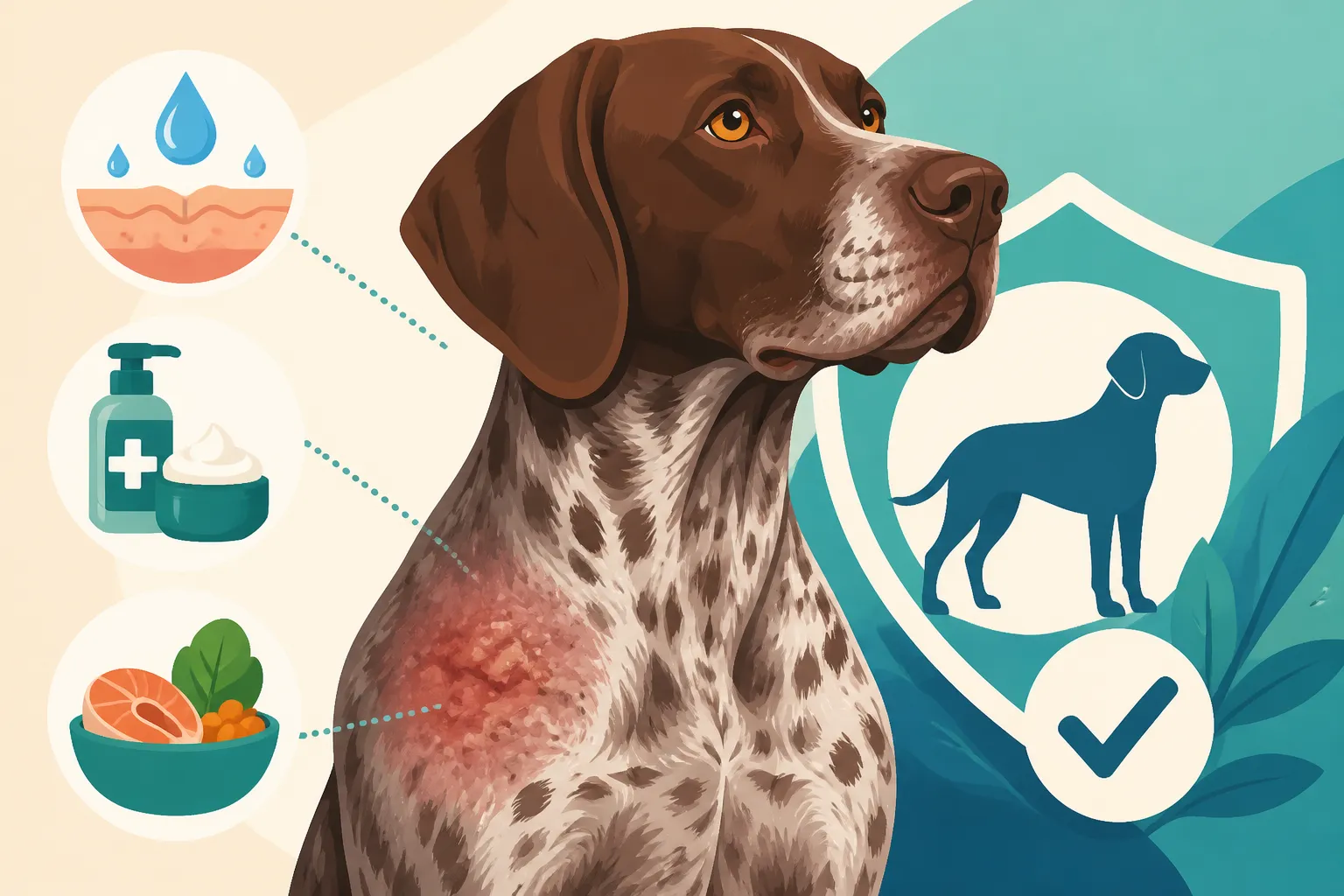
Managing a German Shorthaired Pointer’s Lifelong Skin Disease
It’s truly heartbreaking to watch your vibrant German Shorthaired Pointer constantly scratching, chewing at their paws, or dealing with red, irritated skin. For many GSP owners, skin issues aren't just a passing phase; they become a lifelong battle, causing immense discomfort for our active companions and endless frustration for us as we try to find solutions. This comprehensive guide aims to shed light on managing your GSP's chronic skin disease, providing practical strategies, understanding the underlying causes, and offering a roadmap for maintaining their comfort and quality of life.
Unraveling the Common Culprits Behind Shorthair Skin Issues
When your German Shorthaired Pointer starts developing persistent skin problems, it's easy to feel overwhelmed. There are so many potential causes, and it often feels like you're chasing ghosts. However, understanding the most common culprits can help you work more effectively with your veterinarian to pinpoint the real issue. These conditions aren't just minor irritations; they can severely impact your dog's daily comfort and overall well-being.
The Persistent Threat of Allergies
Allergies are, without a doubt, one of the most frequent and exasperating reasons for lifelong skin issues in German Shorthaired Pointers. Unlike humans who might sneeze or get watery eyes, dogs often manifest their allergies through their skin, a condition known as atopic dermatitis or atopy. This inherited predisposition makes their immune system overreact to common environmental substances that are otherwise harmless. Think about pollens from trees, grasses, and weeds, dust mites lurking in your home, or even molds. Your GSP might start showing symptoms as early as six months to three years of age, often with intense itching, redness, hair loss from constant licking and chewing, and recurrent ear infections. The seasonal nature of some allergies can offer clues, but dust mites and molds are year-round offenders, making the problem constant.
Food allergies are another significant player in the allergy game, though less common than environmental allergies. These occur when a GSP's immune system identifies a protein in their diet as a threat. Common culprits include beef, dairy, chicken, wheat, and soy. The symptoms often mirror environmental allergies, presenting as itchy skin, ear infections, and sometimes gastrointestinal upset like diarrhea or vomiting. The challenge with food allergies is that the symptoms can take a long time to develop, making it hard to connect the dots to a specific ingredient. It requires careful, often lengthy, dietary trials to identify and eliminate the offending protein. The constant battle against the itch, whether environmental or food-related, is exhausting for both dog and owner.
Inherited Skin Conditions Specific to German Shorthaired Pointers
Beyond general allergies, German Shorthaired Pointers are unfortunately prone to a few specific inherited skin conditions that require lifelong management. These aren't just bad luck; they're deeply rooted in the breed's genetics, highlighting the importance of responsible breeding practices. Recognizing these conditions is crucial because their management strategies can differ significantly from typical allergy protocols.
One particularly frustrating condition is Lupoid Dermatosis and a Shorthair's Scaling Skin, also known as sterile granulomatous dermatosis. This autoimmune skin disease typically affects young adult GSPs, often starting with The Scaling Skin That Starts on a Shorthair's Back and face, progressing to generalized scaling, hair loss, and crusting. It's a nasty condition where the dog's immune system attacks its own skin, leading to severe inflammation and discomfort. The skin can become greasy, develop secondary infections, and be incredibly painful. Owners often describe a feeling of helplessness as they watch their dog's coat deteriorate despite their best efforts. Another less common but equally serious inherited condition is ichthyosis, a genetic disorder that causes extremely dry, scaly skin due to a defect in skin cell maturation. While often diagnosed in puppies, it can lead to lifelong issues with dry, flaky skin, poor coat quality, and increased susceptibility to secondary infections. These genetic conditions underscore that sometimes, no matter what you do, your GSP's skin will always need extra care and vigilance.
The Unwanted Guests: Secondary Infections
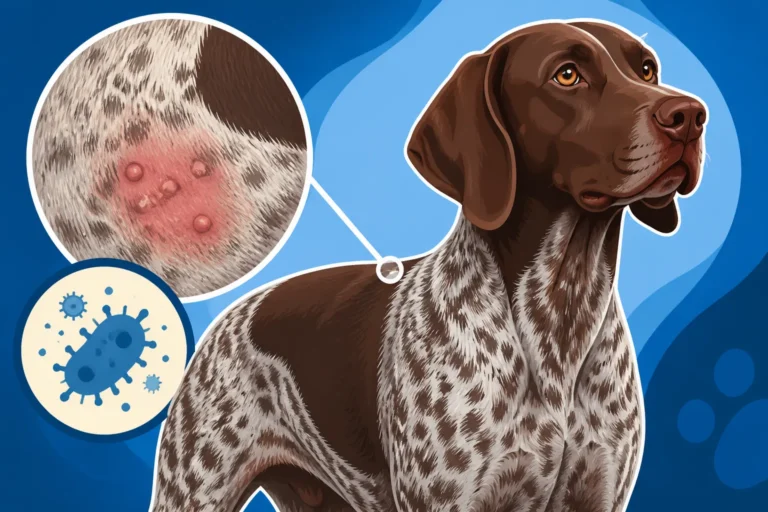
Regardless of the primary cause, chronic skin issues almost always lead to secondary infections. When a German Shorthaired Pointer's skin barrier is compromised by incessant scratching, chewing, or underlying disease, it becomes an open invitation for bacteria and yeast to move in and set up shop. These secondary infections are what often push an already uncomfortable dog into severe misery, creating a vicious cycle of itch, damage, and infection. Bacterial infections, often caused by Staphylococcus species, can manifest as pustules, crusts, redness, and a generally greasy or malodorous coat. These are frequently seen in areas of friction or moisture, like the armpits, groin, and between the toes.
Yeast infections, particularly those caused by Malassezia pachydermatis, thrive in warm, moist environments. You'll often notice a yeasty, corn-chip-like smell, especially from their paws, ears, and skin folds. The skin might become thickened, darkened, and incredibly itchy. These secondary invaders exacerbate the existing inflammation and itch, making it even harder for your GSP to find relief. Treating the underlying allergy or inherited condition is paramount, but addressing these opportunistic infections with appropriate antibiotics or antifungals is critical to break the cycle of itching and allow the skin to heal. It's a constant whack-a-mole game, and it can be incredibly draining for owners to manage these recurring issues.
The Diagnostic Journey: Getting to the Bottom of It
Diagnosing a lifelong skin disease in a German Shorthaired Pointer can feel like detective work, requiring patience, persistence, and a close partnership with your veterinarian. It’s rarely a quick fix or a single test, and owners often find themselves going through multiple rounds of investigations to get a clear picture of what’s really going on. This journey can be emotionally taxing, especially when your beloved companion is clearly suffering, and you’re desperately searching for answers.
The Crucial Initial Vet Visit
Your first step in tackling chronic skin issues is a thorough veterinary examination. Don't underestimate the importance of this initial consultation; it’s where your vet gathers vital clues. They'll take a detailed history, asking about when symptoms started, how they progress, what makes them better or worse, your dog's diet, flea prevention, and any other relevant medical history. Be prepared to talk about everything, from their favorite treats to where they sleep. The physical exam will involve a nose-to-tail inspection, meticulously checking their skin, coat, paws, ears, and any inflamed areas. They'll be looking for patterns of hair loss, redness, crusting, pustules, and any foul odors.
During this visit, your vet will likely want to rule out easily treatable causes first. This might include checking for external parasites like fleas, mites, or lice. Even if you don’t see fleas, a single flea bite can cause intense itching in allergic dogs. They might perform simple, in-clinic tests like a skin scrape or hair pluck to look for mites under a microscope. This methodical approach helps ensure that you aren't overlooking a straightforward problem before diving into more complex diagnostics. It's a process of elimination, and sometimes, the simplest answer is the right one, even if it feels like your problem is anything but simple.
Utilizing Advanced Diagnostic Tools
Once common culprits are ruled out or suspected, your vet may recommend more advanced diagnostic tools to get to the root of your GSP’s lifelong skin disease. These tests provide a deeper insight into the underlying pathology and help guide a more targeted treatment plan. For bacterial or yeast infections, a cytology (examining cells from the skin surface under a microscope) is common and quickly identifies the type of infection, allowing your vet to choose the most effective medication. In cases of persistent bacterial infections, a bacterial culture and sensitivity test might be necessary to determine which antibiotics will work best against the specific bacteria present.
For conditions like Lupoid Dermatosis and a Shorthair's Scaling Skin, a skin biopsy is often the definitive diagnostic tool. This involves taking a small tissue sample from the affected area, usually under sedation or local anesthesia, and sending it to a veterinary pathologist for examination. The pathologist can identify specific cellular changes indicative of autoimmune diseases or other complex dermatological conditions. When allergies are suspected, especially environmental ones, your vet might suggest allergy testing. This can be either a serum test (blood test) or an intradermal skin test (similar to human allergy testing, performed by a veterinary dermatologist). These tests identify specific allergens your GSP reacts to, which can then inform avoidance strategies or immunotherapy. The journey to How Lupoid Dermatosis Is Diagnosed in a Shorthair is often long and involves multiple steps, but each test brings you closer to understanding and managing the condition.
The Emotional Toll of the Diagnostic Process
Let's be real, the diagnostic journey for a chronic skin disease in a German Shorthaired Pointer can be incredibly frustrating and emotionally draining for owners. You're watching your dog suffer, often in constant discomfort, and you just want answers. The process can involve multiple vet visits, different tests, and sometimes inconclusive results, leading to a sense of helplessness. It's not uncommon to feel like you're constantly trying new things, only for them to offer temporary relief or no change at all. The financial burden can also be significant, as specialized tests and consultations with veterinary dermatologists add up quickly.
Many owners experience a roller coaster of emotions, from hope when a new treatment is suggested, to despair when symptoms return or worsen. There's also the guilt of wondering if you're doing enough, or if you've missed something. It's important to acknowledge these feelings and remember that you're not alone. Chronic skin conditions are notoriously complex, and finding the right management plan is often a marathon, not a sprint. Maintain open communication with your vet, ask all your questions, and don't be afraid to seek a second opinion from a board-certified veterinary dermatologist if you feel stuck. Having a good pet insurance plan, like one from a provider such as Healthy Paws, can certainly alleviate some of the financial stress during this challenging period, allowing you to focus on your dog's health without worrying as much about the cost of every test or specialist visit.
Everyday Management: Living with Chronic Skin Conditions
Once you have a diagnosis, or at least a clearer understanding of your GSP’s skin issues, the focus shifts to daily management. This is where you, as the owner, become a vital part of the treatment team. Living with a German Shorthaired Pointer with chronic skin disease means adopting a consistent routine and being vigilant, because there’s rarely a one-time cure. It's about minimizing discomfort, preventing flare-ups, and ensuring your dog can still enjoy their active life.
Topical Treatments for Relief and Healing
Topical treatments are your frontline defense in managing your GSP's irritated skin. These aren't just about making your dog smell nice; they're therapeutic tools designed to soothe, medicate, and protect the skin barrier. Medicated shampoos are often prescribed to reduce itching, remove allergens, or treat secondary infections. For example, a chlorhexidine-based shampoo might be used for bacterial infections, while miconazole is effective against yeast. For scaling and crusting, a keratolytic shampoo could help. The key with these shampoos is contact time; you usually need to lather them up and leave them on for 5-10 minutes before rinsing, which can be a fun challenge with an impatient GSP! Shampoo for a German Shorthaired Pointer With Bad Skin is a common search term for a reason, as finding the right formulation can make a world of difference.
Beyond shampoos, your vet might recommend various sprays, mousses, or wipes for targeted application. Hydrocortisone sprays can provide immediate itch relief, while antiseptic wipes are excellent for cleaning paws and skin folds to prevent yeast or bacterial overgrowth. Moisturizing sprays or leave-on conditioners can help restore the skin barrier, especially if dryness is a factor. These topicals are not a replacement for systemic medications but rather an essential adjunct, providing direct relief and support to the compromised skin. Consistency is paramount; skipping treatments often leads to a rapid return of symptoms. You might also find yourself asking Whether Medicated Baths Help a Shorthair's Scaling – the answer is usually a resounding yes, but they need to be done regularly.
Environmental Control: Minimizing Exposure to Triggers
For German Shorthaired Pointers suffering from environmental allergies, controlling their exposure to triggers is a cornerstone of lifelong management. While it’s impossible to eliminate all allergens, reducing their burden can significantly reduce the frequency and severity of flare-ups. This means understanding what your dog is allergic to and taking proactive steps. If pollen is a major trigger, try to limit outdoor exercise during peak pollen times, which are often early morning and late afternoon. After walks, a quick wipe-down of their paws and coat with a damp cloth or hypoallergenic wipe can remove residual pollen. Investing in a good air purifier indoors can also help reduce airborne allergens like pollen and dust mites.
Dust mites, those invisible pests, are year-round problems for many allergic dogs. Regularly washing your dog's bedding in hot water, vacuuming with a HEPA-filter vacuum cleaner, and reducing clutter in your home can make a big difference. For those of us with GSPs who love to burrow into blankets or furniture, maintaining cleanliness is a continuous battle. If your dog sleeps in your bed, consider allergen-proof covers for your pillows and mattress. While you can't live in a sterile bubble, every small reduction in allergen exposure can contribute to your GSP's comfort and reduce their reliance on medications. This kind of vigilance becomes second nature for many GSP owners dealing with Environmental Allergies in a Shorthair That Works Cover.
The Importance of Regular Grooming and Skin Checks
German Shorthaired Pointers have a short, dense coat, which might lead some to believe they require minimal grooming. However, for a GSP with a lifelong skin disease, regular grooming and meticulous skin checks are absolutely non-negotiable. While they don't have long hair to tangle, their short coat can actually hide underlying skin issues more easily than a long-haired breed. Daily visual and tactile checks are crucial. Run your hands over their entire body, feeling for bumps, scabs, hot spots, or areas of thickened or greasy skin. Lift their ears and sniff them for any yeasty odor, and inspect their paw pads and between their toes for redness, swelling, or foreign objects.
Regular brushing, even with a simple grooming mitt, helps remove loose hair, dander, and environmental allergens that might be trapped in their coat. It also stimulates blood flow to the skin, which can promote healing. After outdoor adventures, especially if your GSP has been romping through tall grass or dense cover, a thorough once-over is essential to check for burrs, grass awns, or other irritants that could embed in the skin and trigger a localized reaction or infection. Checking a German Shorthaired Pointer for Burrs and Seeds should become a routine post-hunt ritual. Early detection of any new lesions or changes in skin texture can mean catching a flare-up before it spirals out of control, allowing for quicker intervention and less discomfort for your dog.
Dietary Considerations: Fueling Healthy Skin
Beyond topical treatments and environmental control, what goes into your German Shorthaired Pointer's bowl can play a surprisingly significant role in managing lifelong skin disease. Diet isn't just about energy; it's about providing the building blocks for a healthy immune system and a robust skin barrier. For GSPs prone to skin issues, careful consideration of their nutrition is a critical part of their overall wellness plan.
Navigating Hypoallergenic and Limited Ingredient Diets
For German Shorthaired Pointers suspected of having food allergies, a dietary elimination trial is the gold standard for diagnosis and management. This isn't a simple switch of kibble; it's a stringent process that requires commitment. The goal is to feed your dog a novel protein (one they've never eaten before, like duck, venison, or rabbit) and a novel carbohydrate (like potato or sweet potato) for at least 8-12 weeks. During this time, absolutely no other treats, table scraps, flavored medications, or chew toys can be given, as even a tiny exposure to the offending allergen can invalidate the trial. Alternatively, your vet might recommend a hydrolyzed protein diet, where the proteins are broken down into such small molecules that the immune system doesn't recognize them as allergens.
These diets, often labeled as "hypoallergenic" or "limited ingredient," are specifically formulated to reduce the risk of allergic reactions. If your GSP's skin symptoms significantly improve during the trial, it strongly suggests a food allergy. The next step is a "challenge" phase, where you reintroduce single ingredients one by one to identify the specific culprit. This can be a long, tedious process, and it requires immense patience, but it's the only way to truly confirm a food allergy. Once identified, managing it involves strictly avoiding that ingredient for the rest of their life. It might sound restrictive, but it's often the key to significant relief for your GSP.
Essential Supplements for Skin Health
While a balanced diet is foundational, certain supplements can provide additional support for your German Shorthaired Pointer's skin health, especially when dealing with chronic conditions. Omega-3 fatty acids, particularly EPA and DHA, are well-known for their anti-inflammatory properties. Sourced from fish oil or algal oil, these fatty acids can help reduce the inflammation that contributes to itching and redness in allergic dogs. Many owners have seen a noticeable improvement in their GSP’s coat quality and skin barrier function after consistent supplementation. Discussing Fish Oil for a German Shorthaired Pointer's Skin with your vet is a good idea to ensure appropriate dosing.
Probiotics are another supplement gaining traction for their potential role in skin health. A healthy gut microbiome is increasingly linked to a strong immune system and reduced inflammatory responses, which can indirectly benefit dogs with allergies or autoimmune skin conditions. While research is ongoing, some GSPs show improvement in their overall immune regulation and skin symptoms with regular probiotic supplementation. When considering Whether a Shorthair Needs a Probiotic, remember to choose a veterinary-specific product with proven strains and colony-forming units (CFUs) to ensure effectiveness. Always discuss any supplements with your vet, as they can guide you on the right choices and dosages based on your GSP's specific needs and existing medications.
The Patience Required for Food Trials
Embarking on a food trial for your German Shorthaired Pointer's chronic skin disease requires a monumental amount of patience. This isn't a situation where you'll see results in a week or two. It typically takes 8 to 12 weeks of strict adherence to the novel or hydrolyzed diet to accurately assess its impact on your dog's skin. Why so long? Because it takes time for existing inflammatory processes to settle down and for the body to clear out any residual allergens. During this period, you might feel discouraged if you don't see immediate changes, but it's crucial to stick with it.
Any deviation, even a tiny bite of an old treat or a dropped piece of food from your plate, can contaminate the trial and force you to start all over again. This means communicating with everyone in the household, including children, and making sure guests understand the dietary restrictions. It also means reading every label on anything your dog consumes, as hidden proteins can lurk in unexpected places. The commitment is significant, but the potential reward – a much more comfortable, less itchy GSP – is absolutely worth the effort. Think of it as a temporary lifestyle adjustment that can bring permanent relief, transforming your GSP's quality of life.
Medical Interventions: When Daily Care Isn't Enough
Sometimes, despite diligent daily care and careful dietary management, your German Shorthaired Pointer's skin disease still flares up or remains unmanageable. This is when your veterinarian will likely recommend medical interventions, which can range from oral medications to specialized injections. These treatments are powerful tools, but they often come with their own considerations and potential side effects, requiring careful monitoring and a clear understanding of their purpose.
Steroids and Immunosuppressants
For severe flare-ups or autoimmune conditions, corticosteroids (steroids) like prednisone are often used. These medications are incredibly effective at rapidly reducing inflammation and itching, providing much-needed relief to a suffering GSP. However, steroids are generally used for short-term control due to their potential for significant side effects with long-term use, including increased thirst and urination, increased appetite, weight gain, panting, and in some cases, more serious issues like muscle wasting or adrenal suppression. Your vet will always aim to use the lowest effective dose for the shortest duration possible, often tapering them off slowly.
In cases of autoimmune diseases like lupoid dermatosis or very severe, persistent allergies, longer-term immunosuppressive medications might be considered. Cyclosporine (brand names Atopica or Neoral) is one such drug that works by modulating the immune system to reduce inflammation. While effective, it can take several weeks to see the full benefit and may have side effects such as gastrointestinal upset. These drugs require close monitoring by your vet, often involving regular blood tests to ensure your GSP is tolerating them well and that kidney or liver function isn't being adversely affected. They are powerful tools used when the benefits clearly outweigh the risks, helping GSPs regain comfort in challenging situations.
Targeted Allergy Medications
The landscape of allergy management in dogs has advanced significantly in recent years, offering more targeted and often safer long-term options for German Shorthaired Pointers. Two popular medications that specifically address the itch associated with atopic dermatitis are Apoquel (oclacitinib) and Cytopoint (lokivetmab). Apoquel is an oral tablet that works by targeting specific pathways involved in the itch and inflammation cycle, providing rapid relief for many dogs. It's generally well-tolerated and can be used long-term, though it's important to discuss potential side effects and monitoring with your vet.
Cytopoint is an injectable antibody therapy that specifically targets and neutralizes a key protein responsible for sending the itch signal to the brain. Because it's an antibody, it's not metabolized by the liver or kidneys and has a very targeted mechanism of action, making it a very safe option for many dogs, including those with other health concerns. A single injection can provide 4-8 weeks of itch relief, which is a huge benefit for owners who struggle with daily medication administration. These newer therapies have been game-changers for many GSPs and their owners, offering effective relief with fewer systemic side effects than traditional steroids, allowing for a better quality of life.
Addressing Stubborn Secondary Infections
While medical interventions often focus on the primary cause of skin disease, effectively treating secondary infections is equally critical. Persistent bacterial and yeast infections will continue to cause discomfort and worsen the overall condition if not properly addressed. For bacterial skin infections (Skin Infections Under a Shorthair's Short Coat), your vet will likely prescribe oral antibiotics. It's absolutely crucial to administer the full course of antibiotics, even if your GSP's skin appears to improve quickly. Stopping early can lead to resistant bacteria, making future infections much harder to treat. In some cases, topical antibiotic creams or medicated washes might be used in conjunction with oral medications.
For yeast infections, oral antifungal medications such as ketoconazole or fluconazole may be prescribed, again for a full course. Topical antifungal shampoos and wipes are also very effective and often used to reduce the fungal burden directly on the skin. Your vet might also recommend a combination of therapies to tackle both bacterial and yeast overgrowth simultaneously. Remember, these infections are usually a symptom of an underlying problem, so while treating them provides relief, the ultimate goal is to manage the primary condition to prevent their recurrence. This constant back-and-forth between treating the primary cause and managing its secondary effects is a common part of dealing with a GSP's lifelong skin condition.
Proactive Strategies: Preventing Flare-Ups and Complications
For German Shorthaired Pointers with lifelong skin disease, management isn't just reactive; it’s largely proactive. The goal is to anticipate potential problems, mitigate risks, and maintain a consistent routine that keeps their skin as healthy and comfortable as possible. This requires vigilance, consistency, and a deep understanding of your individual dog's triggers and needs.
The Power of a Consistent Routine and Vigilance
One of the most important aspects of managing a GSP's lifelong skin disease is establishing and sticking to a consistent routine. This includes everything from medication schedules and topical treatments to diet and environmental control. German Shorthaired Pointers thrive on routine, and their skin often does too. Deviating from the established plan, even for a day or two, can quickly lead to a flare-up that takes weeks to bring back under control. For example, if your GSP needs weekly medicated baths, ensure they happen every single week without fail. If daily antihistamines are prescribed, administer them at the same time each day.
Vigilance goes hand-in-hand with consistency. You need to become an expert in your dog's skin. Pay attention to subtle changes – a new patch of redness, increased scratching, a slightly different odor, or a dulling of their coat. These can be early warning signs of an impending flare-up, allowing you to intervene quickly, often with less aggressive treatment, before the problem escalates. Keep a journal or notes on your phone to track symptoms, treatments, and any changes in their environment or diet. This detailed record will be invaluable to your vet as you navigate the complexities of long-term management. Early detection and consistent application of the plan are your best weapons against recurring discomfort.
Understanding Seasonal Changes and Triggers
For many German Shorthaired Pointers with environmental allergies, seasonal changes can be major triggers for flare-ups. Just like humans with hay fever, GSPs can react strongly to different pollens throughout the year. Spring often brings tree pollens, summer is typically grass pollen season, and fall sees a surge in weed pollens like ragweed. Even seemingly benign changes, like the start of indoor heating that dries out the air, can affect sensitive skin. Understanding these seasonal patterns is crucial for proactive management.
If you know your GSP is highly allergic to grass pollen, you might increase their topical treatments or adjust their oral medications during the summer months, even before severe symptoms appear. After playing outdoors in high pollen seasons, a quick rinse or wipe-down of their coat and paws can physically remove some allergens before they have a chance to penetrate the skin. Conversely, drier winter air might necessitate more moisturizing shampoos or skin supplements. Discussing your GSP's specific allergen profile with your vet, based on allergy testing, can help you develop a personalized seasonal plan. This forward-thinking approach can significantly reduce the severity and frequency of seasonal flare-ups, keeping your GSP more comfortable year-round.
The Financial Safety Net of Pet Insurance
Let's face it, managing a lifelong skin disease in a German Shorthaired Pointer can be expensive. From specialized diagnostic tests and veterinary dermatologist consultations to ongoing medications, prescription diets, and therapeutic shampoos, the costs can add up quickly. This is where pet insurance can be an absolute lifesaver. Having a comprehensive policy, especially from a provider like Healthy Paws, can help alleviate the financial burden, allowing you to make medical decisions based on what’s best for your GSP, rather than what you can afford out of pocket.
Many pet insurance plans can cover a significant portion of the costs associated with chronic conditions, including specialist visits, prescription medications, allergy testing, and even some therapeutic diets. It's worth researching different plans early on, ideally before a chronic condition develops, as Whether a Shorthair's Skin Disease Counts as Pre-Existing is a critical factor – most policies won't cover conditions diagnosed before enrollment or during a waiting period. Thinking ahead about pet insurance can provide immense peace of mind, knowing that you have a financial safety net in place for the long-term care of your GSP's skin. This allows you to focus on their comfort and health, rather than the ever-mounting vet bills.
| Skin Condition Type | Common Symptoms | Key Diagnostics | Typical Management Strategies |
|---|---|---|---|
| Environmental Allergies | Intense itching, redness, ear infections, paw licking, secondary infections | Allergy testing (blood or intradermal), elimination of other causes | Antihistamines, Apoquel/Cytopoint, immunotherapy (allergy shots), medicated shampoos, environmental control (dust mites, pollen), omega-3 supplements |
| Food Allergies | Itching, redness, ear infections, paw licking, gastrointestinal upset | Strict dietary elimination trial with novel/hydrolyzed protein | Strict avoidance of offending food ingredients, prescription hypoallergenic diet, omega-3 supplements |
| Lupoid Dermatosis | Scaling, crusting, hair loss (often starting on back/face), secondary infections | Skin biopsy, rule out other causes | Immunosuppressants (cyclosporine, steroids), topical steroid creams, medicated shampoos, antibiotics for secondary infections, omega-3 supplements |
| Secondary Bacterial Infection | Pustules, crusts, red bumps, odor, itching, greasy skin | Skin cytology, bacterial culture & sensitivity | Oral antibiotics (full course), topical antiseptic shampoos (e.g., chlorhexidine), antibiotic sprays/wipes |
| Secondary Yeast Infection | Yeasty odor (esp. paws, ears), thickened/darkened skin, itching, greasy skin | Skin cytology | Oral antifungals (full course), topical antifungal shampoos (e.g., miconazole), antifungal wipes/sprays |
Disclaimer
The information provided in this guide is for general educational purposes only and should not be considered a substitute for professional veterinary advice. Always consult with your veterinarian or a board-certified veterinary dermatologist for any health concerns or before making any decisions related to your German Shorthaired Pointer's care and treatment.