Subaortic Stenosis in a Young German Shorthaired Pointer
It's incredibly disheartening when your vibrant, active young German Shorthaired Pointer, full of life and boundless energy, receives a diagnosis that casts a shadow over their future. Subaortic stenosis (SAS) is one such heart condition that can leave owners feeling helpless and overwhelmed. This comprehensive guide is here to meticulously unravel the complexities of SAS in young GSPs, shedding light on its nature, how to identify its signs, the crucial diagnostic steps, and most importantly, how to navigate its management to ensure your cherished companion can live the fullest, happiest life possible, even with this challenge.
What Exactly Is Subaortic Stenosis in GSPs?
To truly understand what subaortic stenosis means for your German Shorthaired Pointer, we need to first delve into the mechanics of their magnificent heart. This condition isn't an infection or something they "catch"; it's a structural anomaly, a fundamental design flaw present from birth that impacts the very pathway of blood leaving their heart.
Understanding the Heart's Plumbing Problem
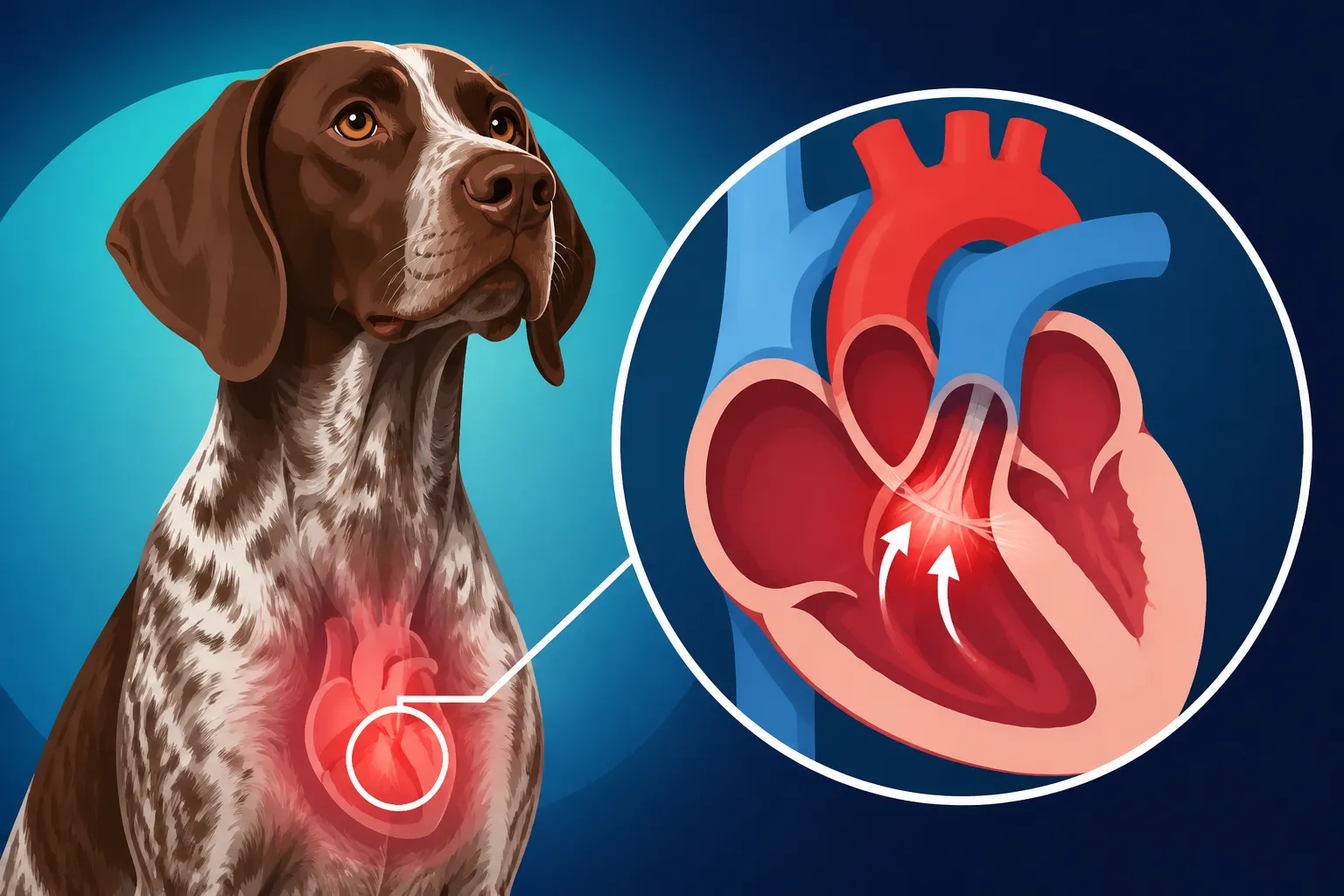
At its core, subaortic stenosis (SAS) describes a narrowing or obstruction (the "stenosis") that occurs just below (the "sub") the aortic valve. Think of your dog's heart as a powerful, incredibly efficient pump. The left side of the heart is responsible for pushing oxygen-rich blood out to the rest of the body. Blood flows from the left atrium to the left ventricle, and then, with a mighty contraction, the left ventricle propels this blood through the aortic valve and into the aorta, the body's main artery.
With SAS, there's a ring of fibrous tissue or an abnormal thickening of tissue right in this critical outflow path, just before the aortic valve. It's like having a constriction in a high-pressure water pipe. Instead of a smooth, wide channel, the blood encounters a bottleneck. This forces the left ventricle to work considerably harder, building up immense pressure to squeeze blood through this narrowed opening. This increased workload, over time, can lead to significant changes in the heart muscle itself, making it less efficient and more vulnerable to complications. For a breed renowned for its athletic prowess and enduring stamina, this silent struggle within their most vital organ is a serious concern.
How SAS Impacts a Young German Shorthaired Pointer's System
The immediate and most profound impact of SAS on a young German Shorthaired Pointer's system is the increased strain on the left ventricle. Imagine asking your bicep to constantly lift a weight that's too heavy; eventually, it will thicken and fatigue. Similarly, the muscle walls of the left ventricle thicken (a condition called left ventricular hypertrophy) in an effort to overcome the resistance caused by the stenosis. Initially, this compensatory thickening can help maintain adequate blood flow to the body. However, this thickened muscle is not always healthy muscle. It can become less flexible, less able to fill properly with blood between beats, and more prone to developing dangerous electrical instabilities that lead to abnormal heart rhythms, known as arrhythmias.
For a GSP, a breed born to run, point, and retrieve all day, this condition presents a cruel irony. Their inherent drive to be active can push their compromised heart beyond its limits. A young German Shorthaired Pointer, eager for a retrieve or a training session, might be unknowingly risking their health with every strenuous burst of activity. This is why paying close attention to any subtle changes in your GSP's energy levels or performance, especially if you notice The Heart Murmur a German Shorthaired Pointer Puppy Can Carry during a routine check-up, is so incredibly important. The condition's severity can range from mild, causing minimal issues, to severe, leading to life-threatening complications, making early detection and understanding paramount for their long-term well-being.
Recognizing the Subtle and Overt Signs of SAS
One of the most frustrating aspects of subaortic stenosis is how stealthily it can manifest. In its early or milder forms, the signs can be so subtle that they are easily dismissed or attributed to a young GSP's typical boisterous nature. Yet, as the condition progresses or in more severe cases, the symptoms become impossible to ignore, demanding immediate attention.
Early and Mild Indicators
In many instances of mild subaortic stenosis, a young German Shorthaired Pointer might not exhibit any noticeable symptoms at all in their daily life. Their inherent enthusiasm and high drive can often mask underlying issues, making them seem perfectly normal even when their heart is working harder than it should. Perhaps the most common initial indicator, and often the first clue a veterinarian discovers, is the presence of a heart murmur during a routine physical examination. A murmur is essentially an abnormal sound heard when listening to the heart, caused by turbulent blood flow. With SAS, this turbulence is created by blood trying to rush through the narrowed subaortic area.
This murmur can range from very faint to quite pronounced, but it's crucial to understand that the loudness of the murmur doesn't always directly correlate with the severity of the stenosis. Some puppies have "innocent" murmurs that resolve as they mature, which adds to the diagnostic challenge. Beyond a murmur, a particularly observant owner might notice very subtle shifts in their GSP's behavior. Maybe they're slightly quicker to tire during intense play or prefer to nap a bit more after a vigorous walk. They might not be able to sustain the kind of intense activity that fulfills The Two Hours a Day a German Shorthaired Pointer Needs as comfortably as another healthy GSP. These slight changes are often the only early warnings, making regular vet check-ups invaluable.
Progressive and Severe Symptoms
As subaortic stenosis advances, or if the condition is severe from the outset, the symptoms become far more pronounced and alarming. The heart's increasing struggle to pump blood effectively can lead to several serious issues. You might observe your GSP exhibiting exercise intolerance, meaning they get tired much more quickly during physical activity than they used to, or they simply refuse to continue. They might struggle to breathe (dyspnea), panting excessively, or showing signs of labored breathing even at rest. A persistent cough, especially after exertion or when they're lying down, could indicate fluid accumulation in the lungs, a sign of congestive heart failure.
One of the most frightening symptoms for owners to witness is collapse or fainting spells (syncope). These episodes occur when the heart temporarily fails to pump enough blood to the brain, causing the dog to lose consciousness. While often brief, these events are a clear signal of severe cardiac compromise and require immediate veterinary attention. In very severe cases, the risk of sudden cardiac death, often due to a fatal arrhythmia, becomes a real and devastating possibility. When you see these more severe signs, it's not just a matter of discomfort; it's a medical emergency that demands prompt and specialized care.
Diagnosing Subaortic Stenosis in Your GSP
Receiving an early and accurate diagnosis of subaortic stenosis is paramount for your German Shorthaired Pointer's long-term health and management. It's not always a straightforward process, often involving a combination of routine examinations and highly specialized cardiac tests to get a complete picture.
Initial Veterinary Examination and Murmur Grading
The journey to diagnosing SAS often begins with a routine veterinary visit. During a standard physical examination, your general practitioner vet will listen carefully to your GSP's heart with a stethoscope. If they detect a heart murmur, it's usually graded on a scale from I to VI. A Grade I murmur is very faint and difficult to hear, while a Grade VI murmur is so loud it can often be felt through the chest wall. The presence of a murmur, particularly one that persists beyond puppyhood, is the strongest initial indicator of potential SAS.
However, it’s important not to panic if a murmur is found. Many puppies develop innocent or physiological murmurs that resolve on their own as they grow and their cardiovascular system matures. Therefore, if a murmur is detected, your vet might recommend a re-check in a few weeks or months to see if it has changed or disappeared. If the murmur persists or is particularly loud, or if your GSP is showing any other concerning symptoms, your vet will likely recommend further, more specialized cardiac diagnostics. This initial step, while sometimes leading to a stressful waiting period, is crucial for identifying potential issues that warrant deeper investigation.
Specialized Cardiac Diagnostics
Once a persistent or significant heart murmur has been identified, or if your GSP is showing symptoms suggestive of heart disease, your general veterinarian will typically refer you to a board-certified veterinary cardiologist. These specialists have advanced training and equipment specifically for diagnosing and treating heart conditions in animals. The definitive diagnostic tool for subaortic stenosis is an Echocardiogram for a German Shorthaired Pointer. This non-invasive ultrasound of the heart allows the cardiologist to:
- Visualize the Heart's Structure: They can see the precise location and severity of the subaortic narrowing, as well as any thickening of the left ventricular muscle.
- Assess Blood Flow: Using Doppler technology, they can measure the velocity of blood flowing through the narrowed area. Higher velocities indicate more severe stenosis.
- Evaluate Heart Function: The echocardiogram provides real-time information on how effectively the heart is pumping and how well its valves are functioning.
In addition to an echocardiogram, the cardiologist may also perform an electrocardiogram (ECG) to assess the electrical activity of the heart and detect any abnormal rhythms (arrhythmias) that can develop as a complication of SAS. Chest X-rays might also be taken to evaluate the size and shape of the heart and check for fluid accumulation in the lungs. These comprehensive tests are vital for confirming the diagnosis, accurately grading the severity of the SAS, and formulating the most appropriate management plan for your GSP.
The Importance of Early and Accurate Diagnosis
You might be wondering why all this testing and specialist referral is necessary. The truth is, obtaining an early and precise diagnosis of subaortic stenosis is absolutely critical for several reasons. Firstly, it allows you and your veterinary team to understand the true extent of the condition. Is it a mild case that primarily requires careful monitoring, or is it a severe obstruction that demands immediate and ongoing intervention? This knowledge directly influences treatment decisions and lifestyle recommendations.
Secondly, an accurate diagnosis enables proactive management. Without knowing about the SAS, a high-energy German Shorthaired Pointer might be allowed to engage in strenuous activities that could significantly worsen their condition or even lead to sudden collapse. Knowing the diagnosis means you can implement appropriate exercise restrictions and start medications early, potentially slowing the progression of the disease and improving their quality of life. This is also why having pet insurance, like Healthy Paws, can be incredibly beneficial. The cost of specialist consultations, echocardiograms, and ongoing medications can be substantial, and having coverage can alleviate a significant financial burden during an already stressful time. Early diagnosis also helps owners understand potential risks to their dog's long-term health, helping them make informed decisions about care and addressing their beloved GSP's unique needs from puppyhood, even when focusing on growth markers like What a Shorthair Puppy Should Weigh at Four Months.
Managing and Living with Subaortic Stenosis
A diagnosis of subaortic stenosis doesn't mean the end of a fulfilling life for your German Shorthaired Pointer, but it does mean a shift in focus and a commitment to careful management. While there's no magic bullet to "cure" the physical narrowing, proactive strategies can significantly improve your dog's quality of life and potentially extend their time with you.
Medical Management and Medications
For most GSPs diagnosed with subaortic stenosis, medical management is the cornerstone of treatment. The primary goal of medication is to reduce the workload on the heart, improve its efficiency, and prevent complications like arrhythmias. The most commonly prescribed medications are beta-blockers, such as atenolol or propranolol. These drugs work by:
- Slowing the Heart Rate: A slower heart rate allows the left ventricle more time to fill with blood between beats, which can improve overall cardiac output.
- Reducing the Force of Contraction: By decreasing how hard the heart muscle has to contract, beta-blockers lessen the strain on the left ventricle as it tries to push blood through the narrowed outflow tract.
- Preventing Arrhythmias: Beta-blockers can help stabilize the heart's electrical activity, reducing the risk of dangerous irregular heartbeats that can lead to collapse or sudden death.
Other medications might be introduced if secondary conditions develop. For example, if the heart's efficiency declines and leads to congestive heart failure, diuretics might be prescribed to help remove excess fluid from the body and lungs. It's a nuanced process, and finding the right combination and dosage of medications often requires regular communication and follow-up appointments with your veterinary cardiologist. They will continually assess your GSP's response and adjust the treatment plan as needed.
Lifestyle Adjustments and Activity Levels
Perhaps the most challenging aspect of managing SAS for a German Shorthaired Pointer owner is modifying their dog's activity level. GSPs are naturally high-energy, athletic dogs with an insatiable drive to run, play, and work. For a dog with moderate to severe SAS, strenuous exercise, intense training, sudden bursts of activity, and even extreme excitement can be incredibly dangerous. The increased heart rate and blood pressure that accompany these activities place an overwhelming burden on an already compromised heart, potentially leading to fainting, collapse, or even sudden death.
Therefore, understanding Whether a Shorthair With SAS Should Be Exercised becomes a critical part of their care. For many, this means a significant shift from their typical GSP lifestyle. Long, vigorous runs, intense field training, or high-impact games of fetch may need to be replaced with shorter, calmer walks, controlled leash exercise, and perhaps gentle swimming. Mental stimulation through puzzle toys, scent work, or quiet obedience training can help satisfy their intelligent minds without overtaxing their hearts. It's about finding a balance: allowing them to enjoy life and remain physically active within safe parameters, as determined by your cardiologist. This isn't always easy for a breed built for action, but it's essential for their well-being.
Regular Monitoring and Emergency Preparedness
Living with a GSP diagnosed with SAS requires a dedicated commitment to ongoing veterinary care and a vigilant eye at home. Regular follow-up appointments with your veterinary cardiologist will be crucial, often involving repeat echocardiograms to monitor the progression of the stenosis, assess heart function, and adjust medications. Routine blood work may also be necessary to ensure medication levels are therapeutic and not causing adverse effects. For any dog, maintaining The Vet Schedule a Working Shorthair Should Keep is important, but for a GSP with SAS, it's a lifeline.
Beyond clinical visits, you become your GSP's primary observer. You'll need to be acutely aware of any changes in their breathing, coughing, energy levels, or behavior. Keep a detailed record of any episodes of weakness, dizziness, or collapse. It's also vital to have a clear emergency plan. Know the location and contact information for the nearest 24-hour veterinary emergency clinic. Discuss with your cardiologist what constitutes an emergency and what steps you should take if you suspect a crisis. Understanding challenging topics like How Subaortic Stenosis Kills a Young Shorthair can empower you to act quickly and potentially save your dog's life during a critical event. The financial implications of this ongoing care can be daunting, so a comprehensive pet insurance plan, like those offered by Healthy Paws, can provide immense peace of mind, allowing you to focus on your GSP's health without the added stress of overwhelming bills.
Prognosis and Breeding Considerations
When facing a diagnosis of subaortic stenosis, one of the most pressing questions for any German Shorthaired Pointer owner revolves around their beloved dog's future. What does this mean for their lifespan? And what responsibilities do breeders hold in preventing this condition?
Long-Term Outlook and Quality of Life
The prognosis for a German Shorthaired Pointer with subaortic stenosis is highly variable and depends significantly on the severity of the obstruction. Dogs with mild SAS may lead relatively normal lives, potentially reaching The Median Age a German Shorthaired Pointer Reaches for the breed, with careful monitoring and minimal intervention. Their hearts can often compensate effectively for the slight narrowing, especially with appropriate lifestyle management.
However, for GSPs with moderate to severe SAS, the prognosis is unfortunately guarded. These dogs face a significantly reduced life expectancy. The persistent strain on the heart can lead to progressive heart failure, and they are at a much higher risk of sudden cardiac death, often due to fatal arrhythmias, even if they appear stable on medication. While it's a devastating reality, the goal for these dogs shifts from longevity to maximizing their quality of life for the time they have. Many owners find profound joy in cherishing every moment, providing comfortable lives filled with love and appropriate, safe activities. This may mean focusing on gentle walks and companionship rather than strenuous field work, but it can still be a deeply rewarding experience for both dog and owner.
Ethical Breeding Practices
Given that subaortic stenosis is a recognized congenital and often inherited condition in German Shorthaired Pointers, ethical breeding practices are not just important—they are paramount. Any GSP diagnosed with SAS, regardless of severity, should absolutely be removed from a breeding program. The moral imperative here is to prevent the perpetuation of a condition that causes suffering and heartbreak.
Beyond directly affected individuals, responsible breeders must also carefully evaluate the close relatives of any dog diagnosed with SAS, including parents, siblings, and offspring. In many cases, it is prudent to remove these relatives from breeding as well, especially if there's a strong familial pattern. This is why thorough health clearances, including The Cardiologist Exam a Breeding Shorthair Needs for all breeding stock, are non-negotiable for reputable breeders. These examinations, ideally performed by a board-certified veterinary cardiologist, help identify affected dogs before they have the chance to pass on the genetic predisposition to their progeny.
Genetic Testing and Pedigree Research
Currently, a specific, widely available genetic test for subaortic stenosis in German Shorthaired Pointers that covers all genetic factors is not yet available, though research into the genetic underpinnings of SAS in various breeds is ongoing. However, this doesn't absolve breeders of responsibility. Diligent pedigree research remains a vital tool. Responsible breeders meticulously investigate the health history of every dog in their breeding lines, looking for any incidence of heart murmurs, diagnosed SAS, or sudden unexplained deaths in young relatives.
Prospective puppy buyers play a crucial role too. It's essential to seek out breeders who are transparent about their health testing protocols and are willing to share documentation, such as OFA (Orthopedic Foundation for Animals) cardiac certifications for both parents. The OFA maintains a public database of health clearances, making it easier for buyers to verify claims. Furthermore, responsible breeders will often pursue a comprehensive battery of tests for their breeding dogs, ensuring they meet rigorous health standards, such as those outlined in The Five Tests Behind a German Shorthaired Pointer CHIC Number. While no amount of screening can guarantee a completely disease-free puppy, choosing a breeder committed to minimizing inherited conditions significantly reduces your risk of encountering SAS.
Preventing and Mitigating the Risk of SAS
While subaortic stenosis is a congenital condition, there are definite steps both breeders and prospective owners can take to minimize its occurrence and impact within the German Shorthaired Pointer breed. Prevention, in this context, means making informed, responsible choices at every stage.
Screening Breeding Stock Meticulously
For any reputable German Shorthaired Pointer breeder, the first line of defense against subaortic stenosis is rigorous, meticulous screening of all potential breeding stock. This goes far beyond a simple stethoscope listen by a general practitioner. It absolutely must involve a comprehensive cardiac examination performed by a board-certified veterinary cardiologist. This specialized exam includes an echocardiogram, which, as we discussed, is the gold standard for visualizing the heart's structure and function. The results should be submitted to a public health registry like the Orthopedic Foundation for Animals (OFA), where dogs receive a cardiac clearance.
Breeders committed to the long-term health of the breed will proudly share these certifications and be transparent about any history of heart conditions in their lines. They understand that even a mild, asymptomatic case of SAS in a breeding dog could potentially lead to severe cases in future generations. Their commitment is not just to the individual dog, but to the entire breed's health, ensuring they are taking all possible steps to avoid passing on this devastating condition.
Informed Puppy Selection for Prospective Owners
As a prospective owner, your power to prevent SAS starts with who you choose to get your puppy from. Do not shy away from asking pointed questions about the health clearances of both parents, specifically regarding cardiac health. Request to see official documentation, such as OFA cardiac certifications or detailed reports from The Cardiologist Exam a Breeding Shorthair Needs for both the dam and sire. A responsible and ethical breeder will not only provide this information readily but will also be happy to explain what the results mean.
Be extremely wary of breeders who offer excuses ("my vet said his heart sounds fine"), refuse to provide documentation, or breed dogs without these critical health checks. While no breeder can guarantee a puppy will never develop any health issue, those who commit to comprehensive screening significantly reduce the risk of inherited conditions like SAS. Additionally, considering pet insurance early in your puppy's life, from a trusted provider like Healthy Paws, can be a pragmatic decision. While some congenital conditions might have waiting periods or exclusions, having a plan in place before any issues arise can provide a crucial financial safety net if an unexpected diagnosis like SAS does occur.
Nutritional and Environmental Considerations for Heart Health
While subaortic stenosis itself is a structural, often genetic, condition that diet cannot prevent or cure, maintaining optimal overall health through proper nutrition and appropriate environmental management can certainly support a GSP's cardiovascular system. Feeding a high-quality, balanced diet appropriate for your German Shorthaired Pointer's life stage and activity level is foundational. This means avoiding cheap, filler-heavy foods and opting for formulations that support athletic dogs. Issues like Whether a German Shorthaired Pointer Puppy Can Eat Adult Food Early should always be discussed with your vet to ensure proper growth without compromising developing systems.
Keeping your GSP at a lean, healthy weight is another critical factor. Obesity places extra strain on the entire body, including the heart, which would be particularly detrimental to a heart already compromised by SAS. Regular, appropriate exercise, tailored to your dog's specific health status (especially if SAS is already diagnosed), is also vital for maintaining muscle tone and cardiovascular fitness without overexertion. Always consult with your veterinarian or cardiologist about the best dietary and exercise regimen for your individual dog, especially if they have a heart condition. While these measures won't stop SAS from occurring, they contribute to overall resilience, potentially helping a dog's heart better cope with any existing condition.
| SAS Severity | Murmur Grade | Common Symptoms | Typical Medical Management | Prognosis |
|---|---|---|---|---|
| Mild | I-II/VI | Often asymptomatic; very mild exercise intolerance possible. | Monitoring; periodic re-evaluations. | Good; many live a near-normal lifespan with proper care. |
| Moderate | III-IV/VI | Exercise intolerance, easy fatigue, occasional cough. | Beta-blockers (e.g., Atenolol) to reduce heart workload. | Guarded; potentially reduced lifespan (average 3-5 years post-diagnosis common). |
| Severe | V-VI/VI | Significant exercise intolerance, collapse, fainting (syncope), severe coughing/breathing difficulty. | Beta-blockers, antiarrhythmics; strict activity restriction; aggressive management for heart failure. | Poor; significantly reduced lifespan (average 1-3 years post-diagnosis common); high risk of sudden death. |
Disclaimer
Please remember that this article is intended for informational purposes only and is not a substitute for professional veterinary advice. If you suspect your German Shorthaired Pointer has subaortic stenosis or any other health concern, please consult with your veterinarian or a board-certified veterinary cardiologist immediately. They can provide an accurate diagnosis and develop a personalized treatment plan for your dog.