Hot Spots on a Shorthair After Swimming
There's nothing quite like watching your German Shorthaired Pointer joyfully plunge into a lake, a river, or even a muddy pond. Their love for water is undeniable, but that aquatic enthusiasm often comes with a common, painful downside: hot spots. These angry, red, oozing skin lesions can appear almost overnight, turning your happy swimmer into an uncomfortable, itchy mess. This guide will dive deep into understanding why these frustrating hot spots emerge after a swim, how you can prevent them, and what steps to take for quick, effective treatment.
Why Your Water-Loving Shorthair Gets Hot Spots After a Swim
It’s a tale as old as time for GSP owners: one minute your dog is splashing around, the next they’re obsessively licking a patch of irritated skin. Hot spots, medically known as acute moist dermatitis, are not just random occurrences; they're usually the result of a perfect storm of environmental factors and your Shorthair's specific predispositions.
The Perfect Storm: Moisture, Heat, and Bacteria
Imagine your dog's skin after a good swim. It's warm, it's wet, and perhaps a little bit dirty from pond scum or lake sediment. Now, consider that sleek, short coat of a German Shorthaired Pointer. While it’s fantastic for shedding water quickly, if moisture gets trapped against the skin, especially in thicker areas or folds, it creates a wonderfully humid, warm environment. This is exactly what bacteria, which are naturally present on your dog's skin, love. They multiply rapidly in these conditions, leading to an overgrowth that overwhelms the skin's natural defenses. The dog starts to itch, licks or chews the spot incessantly, and this self-trauma quickly breaks the skin, allowing bacteria to burrow in and cause a full-blown infection. It's a vicious cycle that escalates from a minor irritation to a painful lesion in a matter of hours.
Short Coats, Sensitive Skin, and the GSP Predisposition
German Shorthaired Pointers are, by nature, active dogs with a dense but short coat that usually handles water well. However, this short coat can sometimes be a double-edged sword. Unlike dogs with thick undercoats that might trap water but are also designed to withstand harsh elements, the Shorthair’s skin can be more exposed and sensitive. They are prone to various skin conditions, and their active lifestyles often put them in contact with allergens or irritants in the environment. This means their skin might already be primed for inflammation. If your GSP has Environmental Allergies in a Shorthair That Works Cover, a swim in irritating water (like stagnant pond water or chemically treated pool water) can trigger an allergic reaction, leading to an itch. Once the itching starts, the licking begins, and the hot spot forms rapidly. Their genetic predisposition to certain skin sensitivities means we, as owners, need to be extra vigilant, especially after they've been frolicking in the water.
Other Factors That Exacerbate Post-Swim Hot Spots
It's not just the swim itself. Several other factors can turn a simple post-dip dampness into a hot spot nightmare. Fleas and other external parasites are huge culprits. Even one flea bite can cause intense itching, and if your Shorthair then gets wet, that initial irritation combined with moisture can quickly turn into a hot spot. Similarly, if your dog has an undiagnosed skin allergy or even a minor scrape or bug bite before they go swimming, the moisture and heat after the swim can amplify the existing irritation. Sometimes, poor rinsing after exposure to pond water or lake water containing algae or irritants can also play a role. Even something as simple as debris like tiny burrs or grass awns getting lodged in their coat can start the irritation, which then blossoms into a hot spot once the skin stays damp. This is why thorough post-activity checks are so important, as detailed in guides like Checking a German Shorthaired Pointer Over After a Hunt.
Recognizing and Preventing Hot Spots Before They Get Out of Hand
Catching a hot spot early or, even better, preventing it entirely, is key to keeping your German Shorthaired Pointer comfortable and healthy. These things can spread incredibly fast, so a proactive approach is always best.
Early Signs: More Than Just an Itch
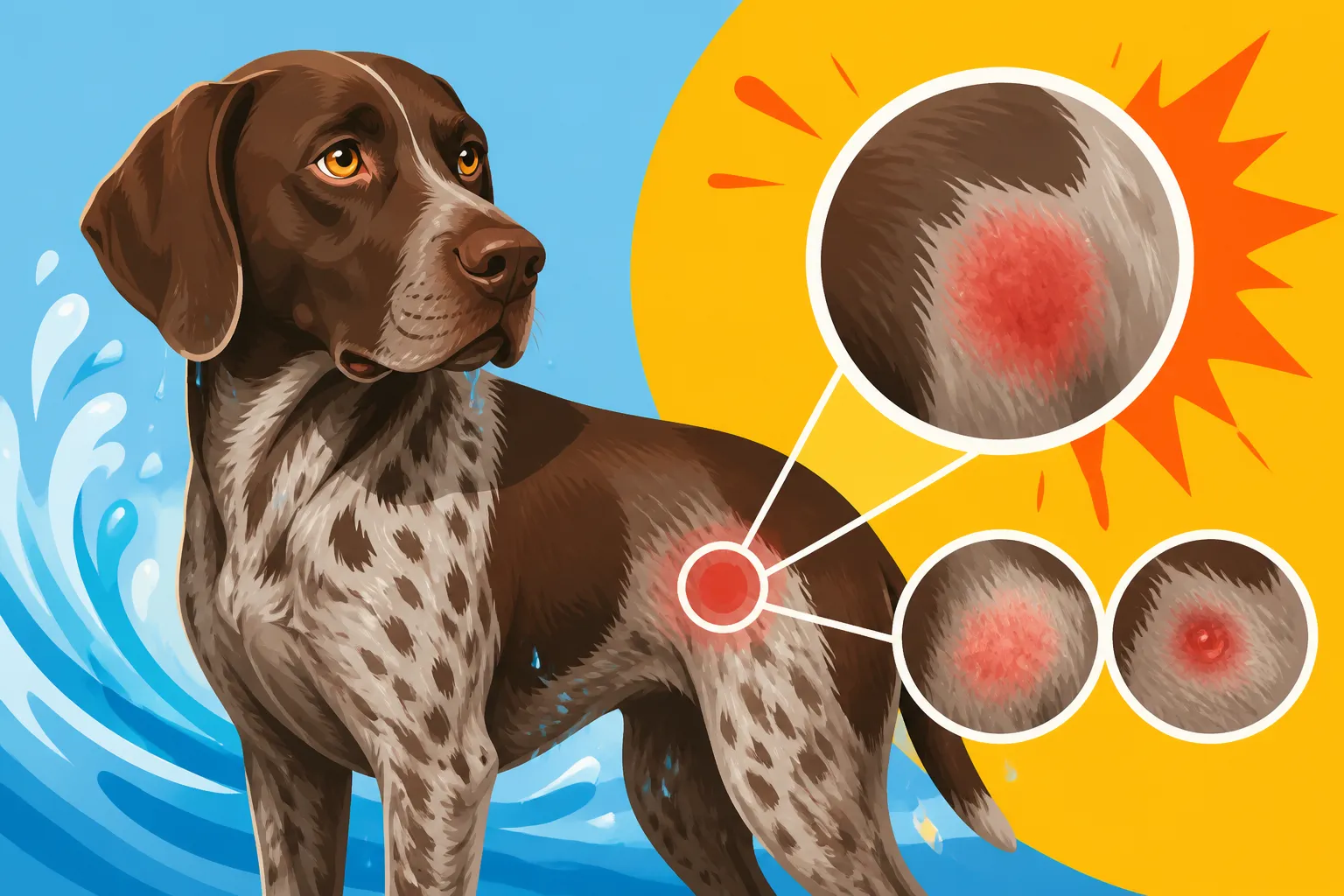
When a hot spot begins, it often looks like a small, red, itchy patch. Your GSP might start licking, chewing, or scratching the area compulsively. You might notice the fur around the spot is matted or wet from saliva. As it progresses, the area can become visibly raw, oozing fluid, and very painful to the touch. The hair in the affected area will often fall out, revealing a distinct circular or irregularly shaped lesion. Sometimes, the first sign isn't even visible; it's the sudden, relentless scratching or licking that alerts you. Don't dismiss these behaviors as just normal dog scratching, especially if they localize to one area. You might also notice a foul odor emanating from the area, a sure sign of bacterial overgrowth. Pay close attention to areas where moisture can easily get trapped, like under the ears (which can also lead to issues like A Shorthair's Ear Infection That Returns Every Duck Season), on the neck, or around the base of the tail.
Essential Post-Swim Routine to Keep Skin Healthy
Prevention truly is the best medicine here. After every swim, especially in natural bodies of water, a diligent routine can make all the difference.
- Rinse Thoroughly: First and foremost, always rinse your German Shorthaired Pointer with clean, fresh water immediately after swimming. This helps remove any chlorine, salt, dirt, pollen, or other irritants from their coat. Think of it like a quick shower for their skin. A specific guide on Rinsing a German Shorthaired Pointer After Pond Water can offer more detailed steps.
- Dry Completely: This is the most critical step. Towel dry your Shorthair vigorously, especially in areas where moisture tends to linger. Pay special attention to their armpits, groin, behind the ears, and between their toes. For dogs prone to hot spots, you might even consider using a pet-safe, low-heat hairdryer to ensure they are bone-dry, particularly if you're in a cooler climate, as discussed in Drying a German Shorthaired Pointer in Cold Weather. Air drying simply isn't enough for some dogs.
- Check for Irritants: While drying, run your hands through their coat, feeling for any burrs, thorns, ticks, or tiny bumps that could signal a bug bite. Removing these promptly can prevent an initial itch from escalating.
- Monitor: For the next 24-48 hours, keep a close eye on your Shorthair for any signs of excessive licking or scratching. Early intervention is key.
Nutritional and Environmental Support
Beyond immediate post-swim care, a holistic approach to skin health can boost your Shorthair’s resilience. Ensure your dog is on a high-quality, balanced diet rich in Omega-3 fatty acids, which are fantastic for skin and coat health. Supplements like fish oil can also be very beneficial. Regular grooming, even for a short-haired breed, helps distribute natural oils and removes loose hair that can trap moisture. Keep their environment clean, especially their bedding, to reduce allergens and bacteria. Also, ensure they are consistently protected against fleas and ticks with a reliable preventative. This reduces one of the primary triggers for intense itching. If your GSP has recurring skin issues, discussing options like specific shampoos, as covered in Shampoo for a German Shorthaired Pointer With Bad Skin, with your vet can also be helpful.
Here's a quick reference table for post-swim hot spot prevention:
| Step | Action | Why It Helps |
|---|---|---|
| Rinse | Use clean, fresh water after every swim. | Removes irritants, chlorine, dirt, and allergens. |
| Dry | Towel dry thoroughly, focus on armpits, ears, groin, toes. Use hairdryer if needed. | Eliminates the warm, moist environment where bacteria thrive. |
| Inspect | Check for burrs, ticks, insect bites, or any skin abnormalities. | Removes potential irritants that could start an itch/hot spot. |
| Dietary Support | High-quality food, Omega-3 supplements. | Strengthens skin barrier, reduces inflammation, promotes healthy coat. |
| Parasite Control | Consistent flea and tick prevention. | Eliminates a major trigger for itching and subsequent hot spot formation. |
| Monitor | Watch for excessive licking/scratching for 1-2 days post-swim. | Allows for early intervention before a hot spot becomes severe. |
Effective Treatment Strategies for Active Hot Spots
Finding a hot spot on your beloved GSP can be alarming, but acting quickly can prevent it from worsening. Knowing when you can manage it at home and when it's time to visit the vet is crucial.
First Aid at Home: Cleaning and Drying
If you catch a hot spot in its very early stages—maybe just a red patch with increased licking—you might be able to manage it at home. The goal is to dry the area, clean it, and stop your dog from irritating it further.
- Trim the Hair: Gently trim the hair around and within the hot spot using electric clippers (scissors can be dangerous near irritated skin). This exposes the lesion to air, helps it dry, and prevents bacteria from being trapped in matted fur. Be extremely careful not to cut the skin.
- Clean the Area: Cleanse the hot spot with a mild, antiseptic solution. Diluted povidone-iodine (Betadine) or chlorhexidine washes, available at pet stores or pharmacies, are excellent choices. Follow the dilution instructions carefully. Gently blot the area clean to remove any oozing or crust.
- Dry Thoroughly: After cleaning, ensure the area is completely dry. You can use a clean towel or even a low-setting hairdryer.
- Prevent Further Licking: This is perhaps the most challenging but vital step. Your dog must be prevented from licking, chewing, or scratching the hot spot. An Elizabethan collar (cone of shame) is usually necessary. If your dog is a master escape artist, you might need an inflatable collar or a soft E-collar alternative. Without stopping the self-trauma, no topical treatment will be effective.
Over-the-counter topical sprays designed for hot spots can offer some relief and help with healing. Look for products containing hydrocortisone to reduce inflammation and lidocaine for pain relief, or antiseptic ingredients like chlorhexidine. Always check with your vet before applying anything new, especially if your GSP has other health issues or is already on medication. Remember, this home care is for early, mild hot spots.
When to Call the Vet: Beyond Home Care
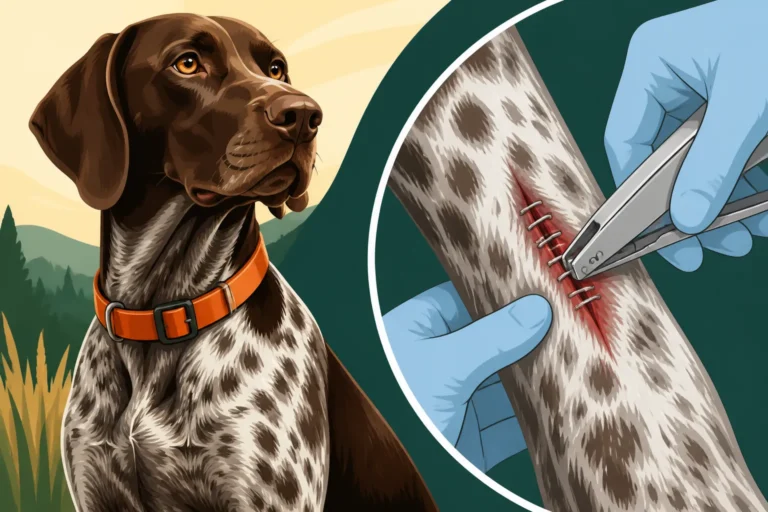
There are definitely times when a hot spot warrants a trip to the veterinarian. If the hot spot is large, deeply infected, very painful, rapidly spreading, or if home treatment isn't showing improvement within 24-48 hours, it's time to call your vet. They can properly diagnose the extent of the infection, rule out underlying issues like deep-seated allergies, and prescribe stronger medications.
A vet might prescribe:
- Oral Antibiotics: For bacterial infections that are more severe or widespread, oral antibiotics are often necessary to clear up the infection from the inside out.
- Topical Antibiotics/Steroids: Stronger prescription creams or sprays might be used to reduce inflammation and combat infection directly on the skin.
- Pain Relief: If the hot spot is particularly painful, your vet might prescribe anti-inflammatory medications to make your dog more comfortable.
- Diagnostic Tests: In cases of recurrent hot spots, your vet might recommend skin scrapings, fungal cultures, or allergy testing to get to the root cause, especially if you're dealing with Skin Infections Under a Shorthair's Short Coat or a history of Managing a German Shorthaired Pointer's Lifelong Skin Disease.
Don't hesitate to seek professional help. Allowing a hot spot to fester can lead to deeper skin infections (pyoderma) and even systemic issues. Having pet insurance, like a plan from Healthy Paws, can certainly ease the financial burden of unexpected vet visits for conditions like this. It’s always good to be prepared, because even common issues can sometimes require more extensive care.
Managing Recurring Hot Spots and Long-Term Skin Health
If your German Shorthaired Pointer seems to be a "hot spot magnet" after every swim, it's time to delve deeper. Recurrent hot spots are often a symptom of an underlying problem that needs to be addressed for long-term skin health.
Your vet might suggest:
- Allergy Management: This could involve dietary changes, antihistamines, or more advanced allergy treatments, depending on whether the trigger is environmental or food-related.
- Regular Medicated Washes: For dogs with sensitive skin, regular baths with a vet-prescribed medicated shampoo can help keep skin flora balanced and prevent bacterial overgrowth.
- Grooming Strategies: Sometimes, even with short-coated dogs, strategic trimming in prone areas (like under the armpits or around the groin) can improve air circulation and reduce moisture trapping.
- Addressing Behavioral Components: If the licking is truly obsessive, even without an obvious trigger, behavioral consultations might be necessary to address anxiety or obsessive-compulsive tendencies.
- Preventative Supplements: Your vet might recommend ongoing supplements like probiotics or higher doses of Omega-3s to bolster skin immunity.
It’s about understanding your individual dog's needs. Maintaining a consistent The Vet Schedule a Working Shorthair Should Keep is paramount, as regular check-ups can help identify potential issues before they become full-blown problems. If you're concerned about the costs of ongoing care, investigating options for Monthly Insurance Premiums on a German Shorthaired Pointer might provide peace of mind. Investing in your GSP’s overall skin health is a long-term commitment that pays off in their comfort and happiness, allowing them to enjoy their beloved swims without the painful aftermath.
Disclaimer
This article is intended for informational purposes only and does not constitute veterinary advice. Always consult with a qualified veterinarian for any health concerns or before making any decisions about your German Shorthaired Pointer's care.