A Foxtail Lodged in a Shorthair’s Paw
There's nothing quite like the heart-stopping moment you notice your spirited German Shorthaired Pointer, usually full of boundless energy, limping or obsessively licking at a paw after a glorious run through a field. Your mind races through all the possibilities – a thorn, a cut, a pulled muscle – but often, the most insidious culprit is a tiny, barbed seed head known as a foxtail. This guide is here to walk you through understanding what foxtails are, how to spot the signs they’ve burrowed into your shorthair's paw, and the urgent steps you need to take to protect your beloved hunting companion from this painful and dangerous foreign body.
What Exactly is a Foxtail and Why Are They So Dangerous to GSPs?
Foxtails aren't some exotic, rare plant; they're a common menace in many parts of the United States, particularly in the West and Midwest. These innocent-looking grass seed awns, often found in dry fields, open spaces, and even along suburban walking trails, are armed with a wickedly effective design that makes them a serious threat to our active German Shorthaired Pointers. Understanding their nature is the first step in appreciating the danger they pose.
The Barbed Design of a Silent Invader
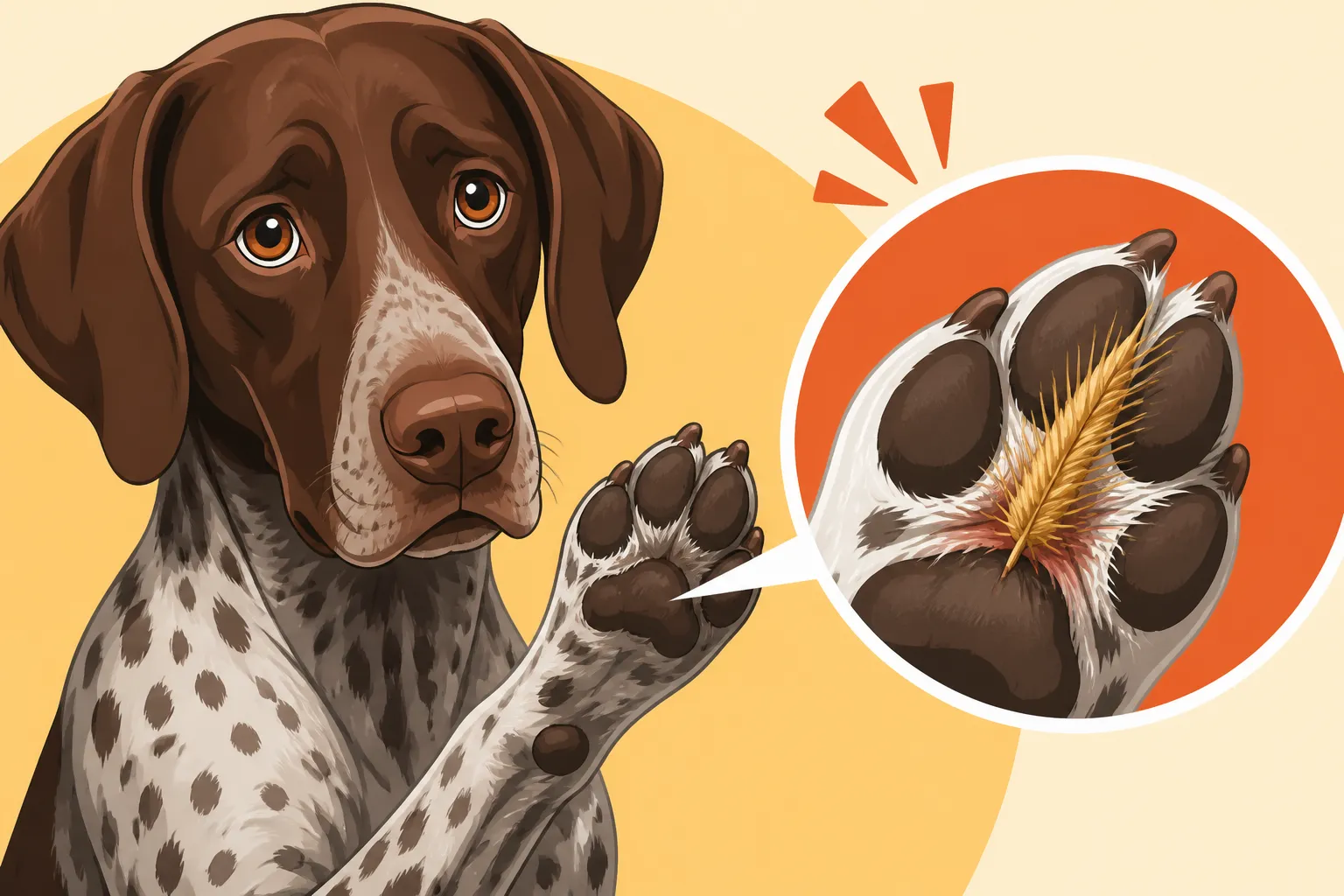
Imagine a tiny, spear-like seed head, usually golden or light brown, with microscopic barbs pointing backward along its length. That's a foxtail. While they look harmless enough swaying in the breeze, their design is perfectly engineered for one purpose: to travel forward and resist coming out. Once a foxtail gets lodged in fur or skin, any movement, muscle contraction, or even the dog's own attempts to lick or scratch it away, only serve to push it deeper. The barbs act like miniature fishhooks, preventing retraction and forcing the seed further into tissue. This isn't just an external annoyance; these things can migrate through muscle, organs, and even into body cavities, leading to serious infections, abscesses, and even death if left untreated.
Why German Shorthaired Pointers Are Uniquely Vulnerable
Our German Shorthaired Pointers are, by their very nature, prime candidates for foxtail trouble. They are tireless, driven hunting dogs, designed to cover vast amounts of ground and dive headfirst into heavy cover. This incredible work ethic and physical prowess, which we so admire, unfortunately also expose them to a higher risk. Their short, dense coat offers less protection than longer-haired breeds, allowing these sharp seeds to easily latch onto their fur and skin. Their webbed feet, perfect for water retrieves and navigating marshy terrain, also provide inviting crevices between the toes for foxtails to burrow into.
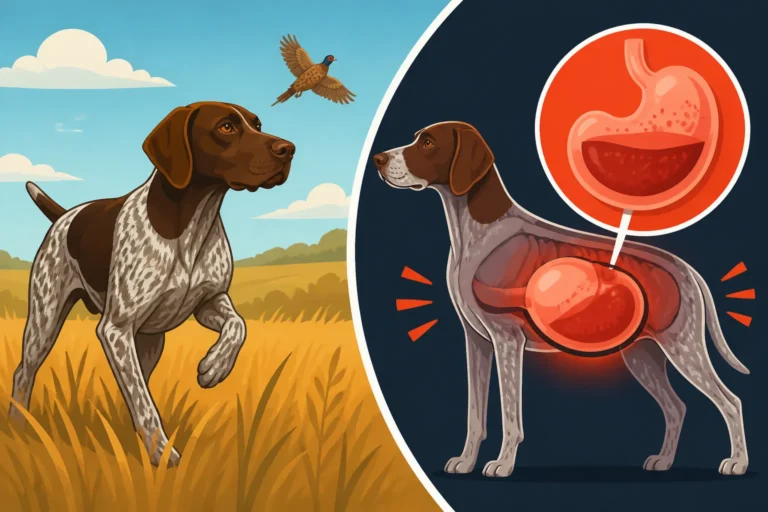
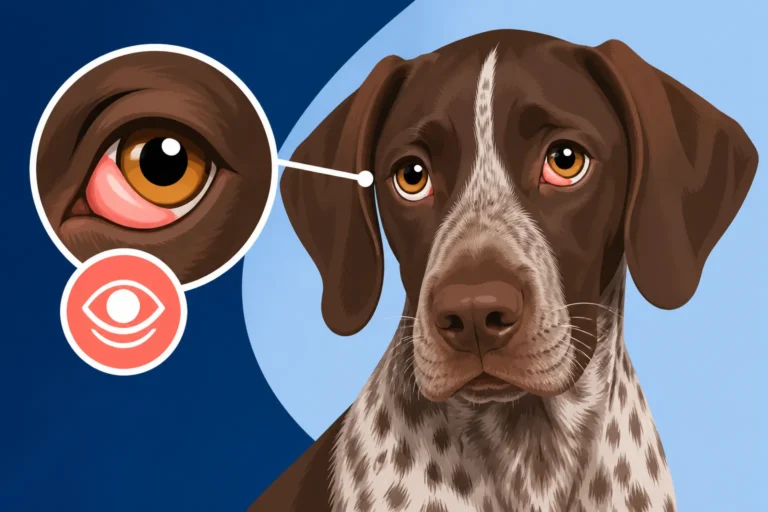
Think about a typical day for a GSP: a morning run through a golden wheat field, an afternoon chasing pheasants in dry grass, or even just exploring a vacant lot near home. Each of these scenarios presents a battlefield where foxtails lie in wait. They commonly embed between toes, but don't be fooled; they can work their way into ears, nostrils, eyes, and even under the skin anywhere on their body. A GSP's eagerness to please and retrieve means they might ignore discomfort for a while, making early detection even more critical. They're too busy being "all dog" to complain about a tiny hitchhiker until it's become a painful problem.
Spotting the Signs: Is it Really a Foxtail in Your GSP's Paw?
It's easy to dismiss a limping dog as having a simple stone in its paw or a minor cut, especially with a tough German Shorthaired Pointer who might try to tough it out. But with foxtails, time is of the essence. Learning to recognize the specific signs that point to this insidious invader can make all the difference in preventing a minor issue from escalating into a serious medical emergency.
Behavioral Clues and Physical Manifestations
The most common and immediate sign of a foxtail in a GSP's paw is often an intense, persistent licking or chewing at the affected area. This isn't just casual grooming; it's an almost frantic, obsessive attempt to dislodge something incredibly irritating. You might also notice your dog is limping, holding the paw up, or showing reluctance to put weight on it. This lameness can start subtly and progressively worsen.
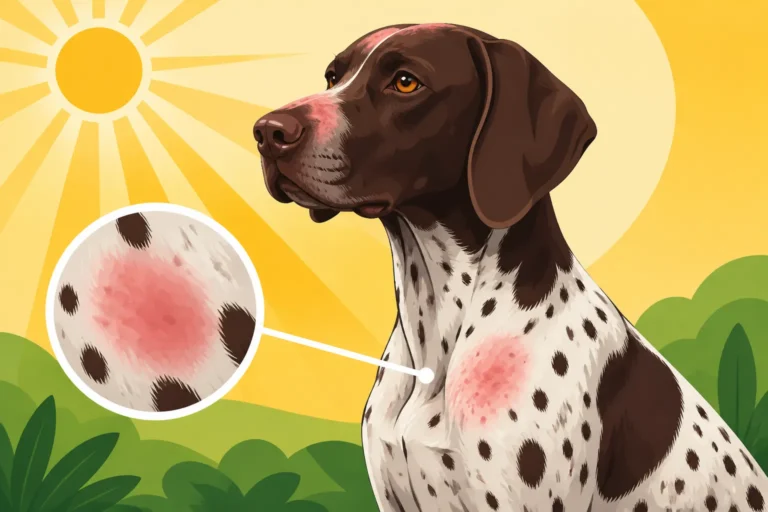
Visually, look for swelling between the toes or on the pad itself. The skin might appear red, inflamed, or even have a small puncture wound where the foxtail entered. If the foxtail has been present for a while, you might see pus or a draining tract, indicating an infection has set in. The area will likely be very painful to the touch, and your otherwise stoic GSP might yelp or pull their paw away when you try to examine it. Sometimes, you might even be able to feel a small, hard lump under the skin, which is the foxtail itself or the associated swelling. Don't forget that foxtails can also cause signs like sneezing fits or nosebleeds if inhaled, or head shaking and ear scratching if they're in the ear canal.
Differentiating from Other Common Paw Injuries
While the symptoms can overlap with other common field injuries, there are often subtle differences that can help you distinguish a foxtail problem. A simple cut pad, for instance, will typically show a visible laceration and may bleed freely. You can read more about caring for these kinds of issues in our guide on Cut Pads on a German Shorthaired Pointer After a Long Day. A broken nail will also be obvious, with the nail often hanging or missing. A splinter or thorn might be visible and relatively easy to extract with tweezers.
However, a foxtail's unique danger lies in its ability to disappear quickly beneath the skin. If you can't find an obvious cause for your GSP's paw discomfort, and they were recently in grassy areas, a foxtail should be at the top of your suspicion list. The intense, focused licking without an obvious external wound is a huge red flag for a buried foxtail. Remember that a GSP's stoicism can sometimes mask the severity of their pain, so any persistent lameness or paw attention warrants a thorough investigation. A comprehensive check after every hunt, as detailed in Checking a German Shorthaired Pointer Over After a Hunt, is always a good practice.
The Urgent Steps to Take When You Suspect a Foxtail
Discovering your German Shorthaired Pointer has a suspected foxtail can be alarming, but panicking won't help. What's most important is taking swift, decisive action to minimize migration and reduce the risk of severe complications. Your immediate response can significantly impact the ease of removal and your dog's recovery.
Immediate Examination and When to Seek Professional Help
As soon as you notice your GSP licking their paw or limping, bring them in for a close inspection. Gently separate their toes, examining the pads and the webbing between them. Look for any redness, swelling, or a small entry wound. If you see the foxtail barely visible and clearly superficial, you might be able to carefully remove it with a pair of tweezers. However, this is a big "might." If it's embedded at all, if you can't see the full extent of it, or if your dog is showing significant pain, do not attempt to pull it out yourself. The barbs mean pulling can break it apart or push it deeper, making professional removal much harder.
The safest and most crucial step is to contact your veterinarian immediately. Explain your suspicion of a foxtail. Many clinics prioritize these cases because of the risk of migration. Even if it's after hours, call an emergency vet clinic. Waiting "until morning" can allow the foxtail to travel further, turning a relatively simple procedure into a complex surgery. Be prepared for your vet to recommend sedation or anesthesia for a thorough examination and removal, as finding and extracting these tiny invaders can be tricky.
Diagnostic Challenges and Removal Techniques
Foxtails are notoriously difficult to diagnose and remove because they are radiolucent, meaning they don't show up on X-rays. This is a common frustration for owners and vets alike. Instead, your vet will rely on a combination of visual inspection (often requiring sedation to get a good look at a painful paw), palpation, and the use of specialized tools. They might need to use a magnifying glass, a scope, or even an ultrasound to try and locate the foreign body.
The removal process typically involves:
- Sedation or Anesthesia: To ensure your GSP is comfortable and still enough for a precise procedure.
- Thorough Exploration: The vet will carefully probe the suspected area, sometimes needing to open a small incision to follow the tract the foxtail has created. They'll meticulously search for the entire seed, as leaving even a small piece behind can lead to continued infection.
- Flushing and Cleaning: Once removed, the wound will be thoroughly flushed to clear out any debris or bacteria.
- Closure and Bandaging: Depending on the size of the incision, it may be sutured, and the paw will likely be bandaged to protect the wound during healing.
This process can be more involved and costly than many owners anticipate, especially if the foxtail has migrated. This is where pet insurance, from providers like Healthy Paws, can be incredibly helpful in easing the financial burden of these unexpected emergencies. Understanding The Vet Bills a Hunting German Shorthaired Pointer Earns can help you prepare for such scenarios.
Treatment and Recovery: Getting Your Shorthair Back on Its Feet
Once your German Shorthaired Pointer has had that pesky foxtail removed, the journey isn't over. Proper post-operative care and a strong focus on prevention will ensure a smooth recovery and help you avoid future encounters with these troublesome seeds.
Post-Operative Care and Medication
After the foxtail is successfully extracted, your GSP will likely come home with a few essentials to aid in their healing. Expect a course of antibiotics to combat any infection that may have already started or to prevent new ones from developing. Non-steroidal anti-inflammatory drugs (NSAIDs) will also be prescribed to manage pain and reduce swelling, making your dog much more comfortable during their recovery.
Your vet will likely send your shorthair home with a cone (Elizabethan collar) to prevent them from licking or chewing at the incision site. This might be frustrating for your active companion, but it's crucial for preventing contamination and premature removal of stitches. You'll also need to keep the incision clean and dry, which might mean changing bandages regularly as instructed by your vet. Rest is paramount during this time. While a GSP's instinct is to run and play, limiting strenuous activity for a week or two will allow the tissues to heal properly. Resist the urge to let them chase a ball or go for a long jog until the vet gives the all-clear. Think of it as a forced, albeit temporary, vacation from their usual high-octane lifestyle.
Prevention Strategies to Protect Your Active Companion
The best treatment for foxtails is prevention. Since our German Shorthaired Pointers are always eager to explore, it falls to us to minimize their risk.
Here's a table outlining key prevention strategies:
| Strategy | Description |
|---|---|
| Avoidance | Stay away from areas with tall, dry grass, especially during late spring, summer, and fall when foxtails are prevalent and dry. If an area is known for them, choose a different route. |
| Regular Grooming Checks | After every outing, no matter how short, perform a thorough "foxtail check." Pay special attention to paws (between toes, pads), ears, armpits, belly, and facial areas. A good brush down with a stiff brush can help dislodge surface seeds. |
| Paw Protection | Consider using dog boots when traversing high-risk areas. While some GSPs take time to get used to them, boots like those from Ruffwear or even disposable Pawz can offer a physical barrier. You can find more information on Boots for a Shorthair on Rock and Stubble. |
| Muzzle/Snood Use | For GSPs that tend to sniff deeply or bury their faces in tall grass, a lightweight mesh muzzle or a snood can prevent foxtails from entering nostrils and ears. |
| Landscape Maintenance | If you have a yard, keep grass mowed short, especially around fences and edges, to reduce the presence of foxtail plants. |
| Pad Tougheners | While not directly preventing foxtail entry, keeping pads healthy and resilient can help resist minor abrasions where a foxtail might gain easier access. Learn about Pad Toughener Products for a Hunting Shorthair. |
Regular veterinary check-ups are also important, and you might want to discuss comprehensive parasite control that includes protecting against other field hazards. These efforts, combined with keen observation on your part, are the best defense against foxtails. Many GSP owners learn the hard way how important it is to be vigilant, but with these tips, you can keep your energetic companion safer and happier in their favorite outdoor environments.
Disclaimer
The information provided in this article is for general informational purposes only and is not intended as a substitute for professional veterinary advice, diagnosis, or treatment. Always seek the advice of your veterinarian or other qualified health provider with any questions you may have regarding a medical condition or the health and welfare of your German Shorthaired Pointer.