Jogging With a German Shorthaired Pointer
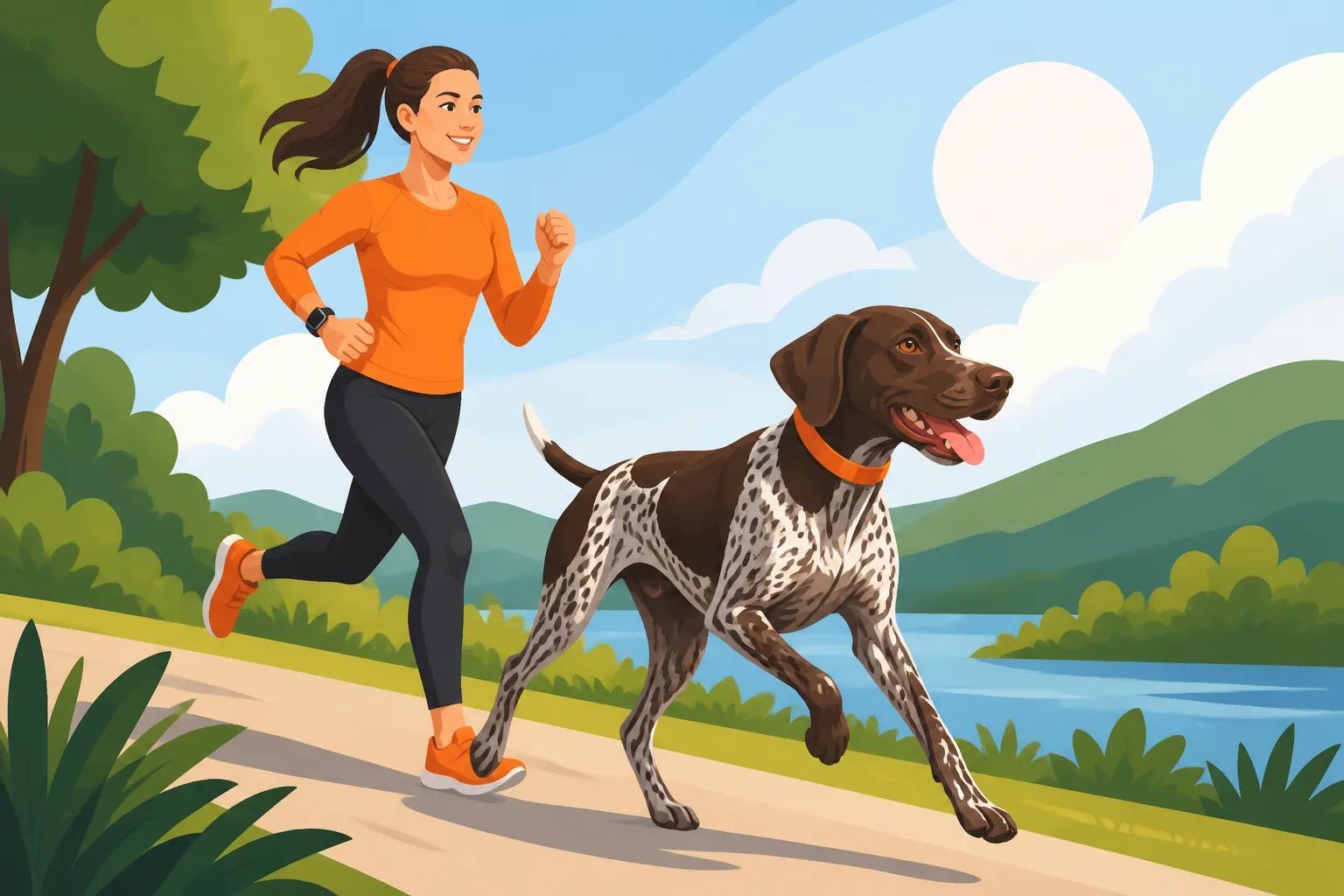
For German Shorthaired Pointer owners, the dream of gracefully jogging alongside their athletic companion often collides with the reality of a strong, driven dog who sees every squirrel as a personal challenge. It's frustrating to want to share a healthy activity with your dog only to find yourself getting pulled down the street or constantly stopping for scents. This guide aims to help you safely and effectively enjoy jogging with your German Shorthaired Pointer, covering everything from crucial preparation to practical tips, ensuring your runs are a joy, not a battle.
Is Your German Shorthaired Pointer Ready for the Road?
Before you even think about lacing up your running shoes and clipping on the leash, it's absolutely vital to consider if your German Shorthaired Pointer is physically prepared for the demands of jogging. These dogs are incredible athletes, but like all high-energy breeds, they have specific developmental stages and health considerations that can impact their ability to run safely. Rushing into a jogging routine too soon or without proper assessment can lead to long-term health problems, which no owner wants for their beloved companion.
Assessing Age and Development
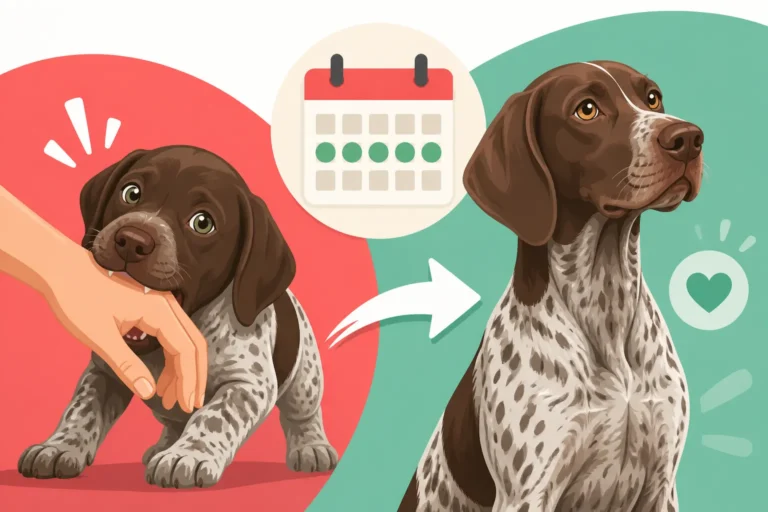
One of the biggest mistakes well-meaning owners make is introducing high-impact activities like jogging too early in a German Shorthaired Pointer's life. While that boundless puppy energy might make you think they're ready for anything, their bodies are still very much in development. Their growth plates, the soft areas at the ends of their long bones, don't fully close until they reach skeletal maturity. Impact on these areas before they've hardened can lead to serious and irreversible damage, such as malformed joints or arthritis later in life. Generally, most GSPs aren't considered ready for consistent, moderate-to-high impact exercise like jogging until they are at least 12-18 months old, with some larger or slower-maturing individuals needing even longer. It's always best to err on the side of caution. If you're wondering about specific timelines, we have a detailed article on The Age a Shorthair Can Start Distance Running.
Even once your GSP is considered an adult, it doesn't mean they're automatically ready for a marathon. Adulthood simply means their skeletal system is mature enough to handle the impact, provided it's introduced gradually. An adult GSP is a powerhouse, but like any athlete, they need to build up their stamina and muscle. Starting with short, controlled jogs and slowly increasing duration and intensity is key. Think of it like a human training for a race – you wouldn't jump straight into a 10k without building up from shorter distances first. Your GSP deserves the same careful progression.
Before beginning any new exercise regimen, especially one involving sustained running, a visit to your veterinarian is non-negotiable. Your vet can perform a thorough physical examination, checking for any underlying health issues that might make jogging risky. They'll listen to your dog's heart, check their joints for any signs of early dysplasia or other orthopedic concerns, and assess their overall fitness. This proactive step can catch potential problems before they become serious and ensure your GSP is medically cleared for the activity. It's an investment in your dog's long-term health and happiness, preventing painful injuries or complications down the line.
Understanding Your GSP's Energy Levels
German Shorthaired Pointers are renowned for their incredible energy, but it's important to understand the nature of that energy. They were bred for endurance in the field, yes, but often in bursts of intense pointing, retrieving, and quartering, punctuated by moments of standing steady. This means they possess both speed and stamina, but a sustained, human-paced jog might not naturally align with their instinctual running style without some conditioning. They might prefer to sprint ahead, then check back, then gallop sideways, rather than maintaining a steady trot beside you. This isn't laziness; it's just how they're wired to move.
Matching your jogging pace to your German Shorthaired Pointer's natural gait is crucial for their comfort and long-term joint health. Forcing a dog into an unnatural gait for extended periods can strain their muscles and joints. Observe your GSP when they're off-leash – they have a beautiful, efficient trot that can cover ground effortlessly. Try to find a jogging speed that allows them to maintain this comfortable, flowing gait rather than a choppy canter or an awkward pace that's too slow for their stride. Sometimes, this means you might need to adjust your own speed or incorporate intervals of walking and running.
Even if you walk your GSP for miles every day, they might still display signs of being under-exercised if that exercise isn't mentally and physically stimulating enough. A regular leash walk around the block, while good, often doesn't tap into the deep well of energy a GSP possesses. They need opportunities to run freely, explore scents, and use their powerful brains. If your GSP is constantly getting into mischief, chewing furniture, digging holes, or exhibiting restless behavior indoors, it's a strong indicator that their physical and mental needs aren't being met, despite your efforts. Jogging can be a great addition to their routine, but it should be part of a comprehensive exercise plan that also includes off-leash time and mental challenges. We delve deeper into this topic in our article, Why One Walk a Day Fails a German Shorthaired Pointer.
Essential Gear and Training for Jogging Success
Now that we've covered the health and readiness aspects, let's talk about making your jogging adventures comfortable and safe for both you and your German Shorthaired Pointer. The right equipment can make all the difference, preventing injuries, increasing control, and enhancing the overall enjoyment of your shared activity. Beyond gear, solid training in leash manners is absolutely non-negotiable when you're moving at a faster pace.
Choosing the Right Equipment
When it comes to jogging, the type of leash and collar or harness you use is paramount. Traditional flat collars, while fine for walking, can put excessive pressure on your GSP's trachea if they pull, especially when you're both moving at speed. This can lead to coughing, choking, and even damage to their throat or thyroid. For jogging, a harness is generally a much safer and more comfortable option. A well-fitting harness distributes pressure across their chest and shoulders, allowing for natural movement and preventing neck strain. There are various types, including front-clip harnesses that can be particularly effective in discouraging pulling, as they redirect your dog sideways when they try to forge ahead. To explore more about options, check out Whether a Harness or Collar Suits a Shorthair.
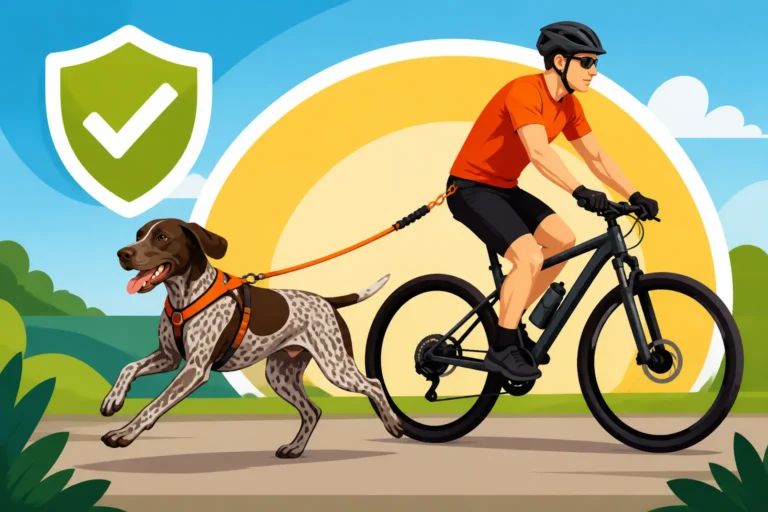
For leashes, hands-free options are a game-changer for joggers. These leashes typically attach around your waist, freeing up your hands and allowing for a more natural running stride. Many hands-free leashes incorporate a bungee section, which can absorb sudden pulls, making the experience more comfortable for both you and your dog. Look for a leash that provides a good balance of length – long enough to give your dog a little room to move without getting tangled, but not so long that you lose control. A good length often falls in the 4-6 foot range for jogging.
Hydration is just as important for your GSP as it is for you, especially on longer runs or in warmer weather. Always carry water! Collapsible bowls that clip onto your belt or running pack are excellent, as are water bottles designed with an attached dispenser for dogs. Ensure you offer water frequently, not just at the end of the run. Your GSP's short coat offers minimal protection from the elements, meaning they can overheat quickly.
Finally, never underestimate the importance of visibility. If you're jogging during dawn, dusk, or nighttime hours, both you and your GSP need to be seen. Invest in reflective vests, leashes, collars, and even illuminated lights that can attach to your dog's harness. Many great options for these safety items can be found readily on platforms like Amazon, making it easy to gear up before your first low-light run. Your safety, and theirs, depends on it.
Mastering Loose Leash Running
Before you start jogging, your German Shorthaired Pointer absolutely needs to have a solid foundation in loose leash walking. Trying to jog with a dog that constantly pulls is not only frustrating and exhausting but also dangerous for both of you. The goal is for your GSP to move comfortably alongside you, without tension on the leash. Start with basic obedience cues like "heel" and "let's go," practicing in distraction-free environments before moving to more stimulating locations.
Consistency is key when teaching loose leash running. Begin with very short jogging intervals, perhaps just 30 seconds at a time, followed by walking. Reward your dog heavily with treats and praise whenever the leash is slack. If your GSP starts to pull, immediately stop running and stand still. Only resume when the leash goes slack again. This teaches them that pulling gets them nowhere, while walking nicely keeps the fun going. This approach is covered more extensively in our guide, Loose Leash Walking a German Shorthaired Pointer.
Addressing pulling isn't always easy with a GSP's drive. Positive reinforcement is your best friend. When they're in position, offer enthusiastic praise or a small, high-value treat. If they start to pull, a quick change of direction can often break their focus and remind them to pay attention to you. Some owners find that incorporating specific training programs, like those offered by BAXTER & Bella, can provide structured guidance and support for tackling leash manners and other obedience challenges, helping to build a more responsive running partner.
Distractions are the ultimate test of loose leash running skills. German Shorthaired Pointers have an incredibly strong prey drive and an amazing nose. A scent, a squirrel, or another dog can easily become an irresistible lure. Continue practicing in increasingly distracting environments. When you see a potential distraction ahead, use your "watch me" command or a sharp, happy tone to get your dog's attention before they react. Reward heavily for choosing to stay focused on you rather than the distraction. It takes patience and persistence, but a well-trained GSP on a loose leash is a joy to run with.
Safe Practices and Route Planning
Once you and your German Shorthaired Pointer are properly geared up and have a handle on loose leash manners, it's time to hit the road – or the trail! However, simply running isn't enough; you need to prioritize safety, paying close attention to your dog's limits, environmental conditions, and the terrain you choose. Overlooking these crucial elements can lead to injuries, heatstroke, or general discomfort, turning a healthy activity into a hazardous one.
Pacing, Breaks, and Weather Considerations
Just like humans, German Shorthaired Pointers need to build up their running endurance gradually. Don't expect to go from zero to five miles overnight. Start with short, easy jogs – perhaps a mile or two at a moderate pace – and slowly increase the distance and speed over several weeks or months. This progressive overload allows their muscles, joints, and cardiovascular system to adapt, minimizing the risk of injury. A good rule of thumb is to increase distance by no more than 10-15% per week.
Always, always listen to your dog. They can't tell you in words when they're tired, but they will show you with their body language. Signs of fatigue can include lagging behind, excessive panting (more than usual for the exertion), a change in gait, drooling, or even limping. If you notice any of these signs, stop immediately. Walk them home or take a long break in the shade with plenty of water. Pushing a tired dog can lead to heatstroke, muscle strains, or painful pad injuries. Their well-being should always take precedence over your workout goals.
Weather is a critical factor, especially with German Shorthaired Pointers who have short, thin coats. Hot weather is a major concern; GSPs can overheat very quickly. Avoid jogging during the hottest parts of the day, opting for early mornings or late evenings when temperatures are cooler. Humidity can make it feel even hotter, as it impairs their ability to cool down through panting. Always carry ample water and offer it frequently. Know the signs of heatstroke – excessive panting, bright red gums, staggering, vomiting – and seek emergency veterinary care if you suspect it. Our article The Temperature a German Shorthaired Pointer Should Not Hunt In provides more insights into safe temperature ranges for your GSP.
Cold weather also presents challenges. While GSPs are driven dogs, their minimal coat doesn't offer much insulation. In freezing temperatures, especially with wind chill, they can get cold quickly. Keep runs shorter, consider a dog coat or vest if temperatures are extreme, and protect their paw pads from ice, snow, and de-icing chemicals. Speaking of paw pads, they take a beating on runs. While their pads are naturally tough, prolonged running on abrasive surfaces can cause cracks, blisters, or tears. Gradually toughen their pads over time, and consider using paw balm or dog boots for very rough terrain or extreme weather. Whether an Old Shorthair Feels the Cold More and Pad Toughener Products for a Hunting Shorthair offer additional advice.
Choosing Your Jogging Terrain
The surface you choose for jogging can significantly impact your German Shorthaired Pointer's joints and paw pads. Pavement, while convenient, is hard and unforgiving. The repetitive impact on concrete or asphalt can be jarring on their joints, especially over long distances, and can quickly wear down their paw pads. While occasional pavement running is fine, it's not ideal for daily, sustained jogging.
Whenever possible, opt for softer surfaces like dirt trails, grass, or gravel paths. These surfaces provide more cushion, absorbing some of the impact and being gentler on their joints. Running on varied terrain also helps to build different muscle groups and improves proprioception (awareness of body position), which can reduce the risk of injury. When you were training your puppy, you probably heard warnings about growth plates; Whether a Shorthair Puppy Should Run on Hard Ground is a good read if you're curious about the impact of surface on developing joints.
Regardless of the surface, always be vigilant about potential hazards. Traffic is an obvious one, so stick to safe routes with minimal vehicle interaction, or always keep your dog on the side away from traffic. Watch out for broken glass, sharp rocks, discarded fishing hooks, or other debris that could cut their paw pads. In rural or natural areas, be mindful of foxtails, burrs, and grass awns that can become embedded in their fur, paws, or even inhaled. These tiny plant materials can cause serious infections and require veterinary intervention. For more information on preventing these issues, see Foxtails and Grass Awns in a Hunting Shorthair. Varying your routes not only keeps things interesting for you but also provides novel scents and sights for your GSP, offering mental stimulation alongside the physical workout.
Advanced Tips and Long-Term Enjoyment
Successfully incorporating jogging into your German Shorthaired Pointer's routine is just the beginning. To truly maximize their well-being and ensure a long, happy life as your running partner, you'll want to think about how jogging fits into their overall lifestyle, as well as how to proactively manage their health as they age. A GSP thrives on variety and purpose, and their care needs to reflect their energetic nature.
Incorporating Other Activities
While jogging is a fantastic way to burn off some of that legendary GSP energy, it shouldn't be the only form of exercise your dog gets. A well-rounded exercise routine is crucial for their physical and mental health. Complement jogging with activities that engage their natural instincts and different muscle groups. Off-leash running in a safe, fenced area allows them to stretch out, sprint, and use their full range of motion without the constraint of a leash. Games of fetch, especially with a ball launcher, can provide intense bursts of activity.
Water work is another excellent addition, especially for GSPs who often love to swim. Swimming is low-impact and fantastic for building strength and endurance without stressing joints. A vigorous swim can tire out a GSP remarkably quickly, and many absolutely adore it. If your GSP is a water enthusiast, our article Using Water Work to Wear a Shorthair Out has some great tips.
Don't forget mental stimulation! A physically tired dog is great, but a dog that's both physically and mentally drained is a truly content dog. Incorporate scent work games, puzzle feeders, and trick training into your routine. These activities challenge their intelligent brains and can be just as tiring as a physical workout. Hide-and-seek with treats in the yard or using a snuffle mat for their meals can provide valuable mental enrichment. You might find some excellent ideas in Puzzle Feeders and Scent Games for a Shorthair. A balance of physical exercise, mental stimulation, and quality rest will keep your GSP happy, healthy, and less prone to destructive behaviors.
Monitoring Health and Longevity
Long-term health monitoring is critical for any active dog, and especially for a breed like the German Shorthaired Pointer that puts so much demand on its body. Regular veterinary check-ups are essential to catch any nascent health issues before they become serious. Your vet can perform routine blood work, check their joints, and generally keep tabs on their overall condition. Even if your dog seems perfectly healthy, these preventative visits are invaluable for maintaining their peak fitness.
Nutrition plays a massive role in supporting an active German Shorthaired Pointer. Dogs that are regularly jogging or engaging in other high-energy activities have significantly higher caloric and nutritional needs than sedentary pets. You'll likely need to feed a high-quality performance dog food with a good balance of protein and fat to fuel their muscles and maintain their energy levels. Monitor their weight and body condition closely – you should be able to easily feel their ribs but not see them prominently, and they should have a discernible waist. Adjust their food intake as needed based on their activity levels and any seasonal changes. For detailed information on fueling your active companion, check out Calorie Needs of a German Shorthaired Pointer in Season.
Consider joint supplements as your GSP ages or if they show any signs of stiffness or mild discomfort after runs. Glucosamine, chondroitin, and omega-3 fatty acids are common ingredients in joint support formulas that can help maintain cartilage health and reduce inflammation. Always discuss any supplements with your vet before introducing them, as they can recommend the best options and dosages for your individual dog. Our article Joint Supplements for a Hunting German Shorthaired Pointer offers more guidance. Be diligent in watching for any changes in their gait, any limping, or reluctance to exercise. Early detection of orthopedic issues can lead to more effective management and a better quality of life for your active companion. These magnificent dogs give us so much, and ensuring their comfort and health throughout their active lives is the least we can do in return.
Here's a quick comparison of common jogging surfaces:
| Surface Type | Pros for GSPs | Cons for GSPs | Ideal Usage |
|---|---|---|---|
| Pavement | Readily available, predictable, good grip in dry conditions | High impact on joints, wears down paw pads quickly, can be hot | Short, occasional runs; urban areas when no other option |
| Dirt/Trail | Low impact on joints, natural foot conditioning | Uneven terrain, potential for hidden hazards (rocks, roots) | Frequent runs, great for varied muscle engagement |
| Grass | Excellent cushioning, soft on paw pads | Can be slippery when wet, potential for burrs/ticks/foxtails | Short runs, warm-ups, cool-downs, gentle exercise |
| Gravel | Provides good grip, some cushioning | Can be rough on pads if small, sharp stones are present | Moderate use, especially if well-maintained gravel |
Disclaimer
This article is for general informational purposes only and does not constitute professional advice. Laws, prices and regulations vary by location and change over time. Consult a qualified professional for guidance on your specific situation.