Roading a German Shorthaired Pointer for Fitness
Keeping your German Shorthaired Pointer in peak physical condition, especially when preparing for hunting season or competitive events, can feel like a full-time job. You pour so much energy into their daily exercise, but sometimes it feels like they still have an endless well of stamina. One of the most effective, yet often overlooked, ways to build that foundational fitness and endurance in your GSP is through a disciplined practice known as "roading." This isn't just a casual stroll; it's a specific, controlled exercise designed to toughen up their bodies and sharpen their minds for the rigors ahead. This guide will walk you through exactly what roading entails, how to introduce it safely, and how to integrate it into your GSP's overall conditioning program to help them reach their full potential.
Understanding What "Roading" Means for Your German Shorthaired Pointer
When we talk about "roading" a German Shorthaired Pointer, we're not just referring to taking them for a walk on the pavement or letting them run wild in an open field. This is a very specific type of conditioning that is both controlled and sustained, designed to build a different kind of fitness than what they get from erratic bursts of activity. It's about developing consistent, long-distance endurance and strengthening their musculoskeletal system in a way that truly prepares them for hours of demanding work.
More Than Just a Walk on the Pavement
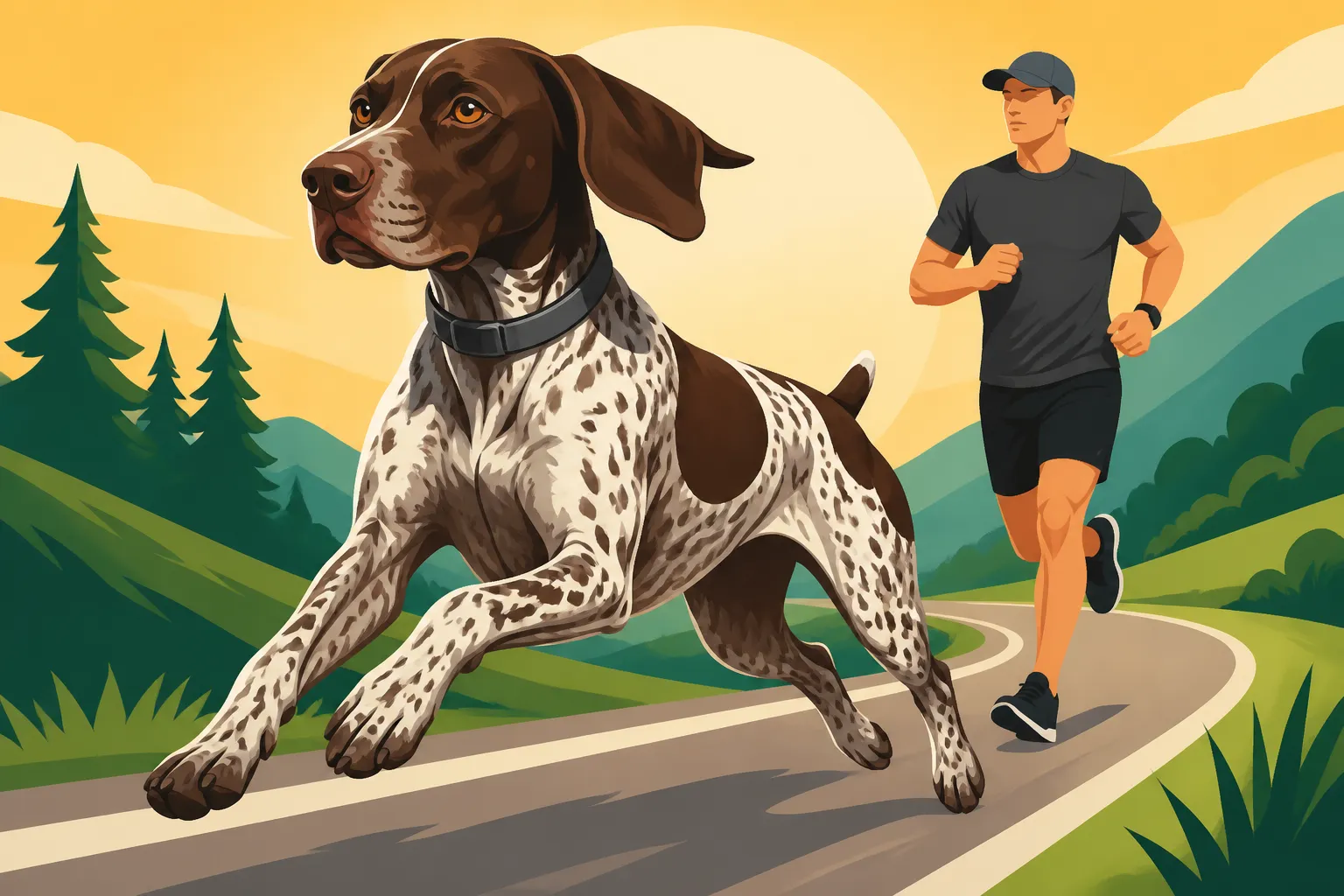
Think of roading as a marathon training session for your dog. Instead of the stop-and-start nature of a typical walk where they sniff every bush and change pace constantly, roading involves maintaining a steady, efficient gait – usually a trot or a canter – over a prolonged period. This structured exercise often happens alongside a moving vehicle, like a bicycle, scooter, ATV, or even a horseback rider. The key here is the controlled speed and distance. You, as the handler, dictate the pace, ensuring your GSP is working consistently without overexerting themselves too quickly or losing focus.
Many GSP owners find themselves in a bind, struggling to provide enough consistent, high-intensity exercise that truly tires out their intelligent, high-drive dogs. A typical hour-long walk might leave your GSP still bouncing off the walls. This is where roading shines. It offers a sustained, repetitive motion that builds a deep level of cardiovascular and muscular endurance. It’s not about speed, but about going the distance at a moderate, efficient pace. This helps burn off that boundless energy in a constructive way, leaving your dog tired but fulfilled, rather than just stimulated. It's a fundamental part of the conditioning regimen for many competitive field dogs because it mimics the sustained effort required during a long hunt or field trial.
The Unique Benefits for a GSP's Musculature and Stamina
The sustained trot that is characteristic of roading is incredibly beneficial for a German Shorthaired Pointer. This gait is biomechanically efficient, meaning it puts less stress on the joints than a full gallop, while still engaging a wide range of muscle groups. Over time, consistent roading sessions help to build lean muscle mass, particularly in the hindquarters, shoulders, and core. This isn't just about making them stronger; it's about building resilient, functional muscle that can withstand the demands of intense activity.
Beyond muscle development, roading significantly enhances cardiovascular stamina. Imagine your GSP running for hours in the field, quartering back and forth, hitting scent, and holding point. That kind of sustained effort requires an incredibly efficient heart and lung system. Roading trains these systems to work optimally, improving oxygen uptake and waste removal. This means your dog will be able to work harder for longer without fatiguing, a critical advantage in any hunting or sporting endeavor. Furthermore, the constant contact with varied surfaces helps to toughen and condition their paw pads, reducing the risk of abrasions or soreness during long days afield. It’s also a form of mental conditioning, teaching your GSP to maintain focus, listen to commands, and work steadily alongside you, even when there are tempting distractions. This is a far cry from simply allowing them to run haphazardly, where the focus might be on short bursts of speed rather than sustained effort.
Getting Started Safely: Equipment and Introduction
Before you even think about hitting the road, proper preparation is key. Rushing into roading without the right gear or a gradual introduction can lead to injuries or create negative associations for your GSP. Safety for both you and your dog should always be your top priority.
Essential Gear for Safe Roading
Having the right equipment is non-negotiable for safe and effective roading. First and foremost, you'll need a reliable lead. A strong, hands-free leash system that attaches to a canicross belt around your waist is often ideal, as it keeps your hands free for steering your bike or ATV and helps absorb some of the shock if your dog pulls. Alternatively, a sturdy six-foot lead held securely can work, but you'll need excellent control of your dog and vehicle. For the dog, a comfortable, well-fitting harness is paramount. Avoid attaching the lead to a flat collar for sustained pulling activities like roading, as this can put undue pressure on their neck and trachea. A Y-front harness that allows for full shoulder movement is often preferred. While not the primary tool for initial roading, some advanced handlers use e-collars as a communication tool for off-leash direction changes once their dog is fully trained and understands commands. You can learn more about appropriate use in E-Collars Built for a Running German Shorthaired Pointer.
Beyond the harness and lead, consider safety for both of you. Reflective vests or lights for both dog and handler are crucial, especially if you're roading during dawn, dusk, or overcast conditions. Always carry water for your GSP, and consider a portable bowl. Dehydration can happen quickly, especially if they are working hard. If you're using a bicycle, ensure your bike is in good working order, with reliable brakes. For those starting out or with sensitive-footed dogs, investing in dog boots can protect their paws from abrasive surfaces, particularly on gravel or hot asphalt. Take a look at Boots for a Shorthair on Rock and Stubble for tips on selecting and fitting them. Always remember, the goal is to build fitness, not cause injury, so the right gear is your first line of defense.
The Gradual Introduction Process
Introducing your German Shorthaired Pointer to roading needs to be a slow and deliberate process, especially if they're not accustomed to working alongside a bike or vehicle. Never just hook them up and go. Start by familiarizing your dog with the equipment and the vehicle while it's stationary. Let them sniff the bike, give them treats near it, and get them comfortable with your presence next to it. Once they are relaxed, begin with short walking sessions, with you walking the bike alongside your leashed GSP. Keep these initial sessions very positive, using plenty of praise and high-value treats to reward calm behavior next to the machine.
Gradually, as your GSP becomes more accustomed, introduce very short, slow trots. The focus here is on building confidence and understanding the expectation of maintaining a steady pace alongside you. Don't worry about speed or distance in the beginning. These initial sessions should last no more than 10-15 minutes, and always end on a positive note. Over the course of several weeks, you can slowly increase the duration and speed, paying close attention to your dog's cues. Remember, proper development takes time. The Age a Shorthair Can Start Distance Running is typically when their growth plates have closed, usually around 12-18 months, to prevent long-term joint damage. Pushing a young dog too hard can have lasting negative consequences. Build up gradually, listen to your dog, and consult with your vet if you have any concerns about their physical readiness. This methodical approach will lay a strong foundation for a lifetime of safe and effective conditioning, much like preparing for Conditioning a Shorthair Before Opening Day.
Technique, Troubleshooting, and Integrating into a Fitness Plan
Once your German Shorthaired Pointer is comfortable with the equipment and the concept of roading, it's time to refine your technique and learn how to troubleshoot common issues. Roading is a skill for both dog and handler, and like any skill, it improves with practice and intelligent application.
Mastering the Trot and Avoiding Common Pitfalls
The most efficient gait for building endurance in a GSP during roading is a consistent, ground-covering trot. This isn't a leisurely jog or a full-out sprint. A proper trot allows your dog to maintain speed and effort over a long period without quickly fatiguing. Your job is to maintain a consistent speed with your chosen vehicle that encourages this gait. Pay close attention to your GSP's body language. Are they moving freely and happily, or do they look stiff, reluctant, or excessively tired? Signs of fatigue include lagging behind, heavy panting, a lowered head carriage, or an unwillingness to continue. If you see these signs, it's time to slow down, take a break, or end the session.
One of the biggest pitfalls is starting too fast or going too far too soon. This can lead to muscle soreness, injuries, or a dog that quickly learns to dread roading. Always increase duration and intensity gradually. Terrain is another consideration; begin on softer, even surfaces like dirt roads or mowed fields before moving to harder surfaces like pavement or gravel, which can be tougher on joints and paws. Hot asphalt or concrete can burn paw pads, so always check the surface temperature with the back of your hand. If it's too hot for your hand, it's too hot for their paws. This is especially critical in warmer climates or during summer months; be mindful of The Temperature a German Shorthaired Pointer Should Not Hunt In to prevent heat-related issues.
Hydration is critical. Carry plenty of water and offer it frequently, especially during longer sessions. If your dog pulls excessively, consider a different harness style or work on leash manners separate from roading. Consistent, gentle corrections and positive reinforcement for staying in position will help. Watch for Signs a Shorthair Is Overheating in the Field, such as excessive drooling, bright red gums, or stumbling, and stop immediately if you observe them. Knowing when to push and when to back off is crucial for your GSP's long-term health and motivation.
Weaving Roading into a Comprehensive GSP Fitness Routine
Roading is a fantastic tool, but it shouldn't be the only component of your German Shorthaired Pointer's fitness regimen. Think of it as one powerful pillar in a multi-faceted approach to conditioning. For a truly well-rounded athlete, your GSP needs a variety of exercises that work different muscle groups and mental skills. Incorporate regular free-running sessions in varied terrain, which allows for bursts of speed, agility, and natural scent work. This is where their instinct to quarter and hunt can be fully engaged.
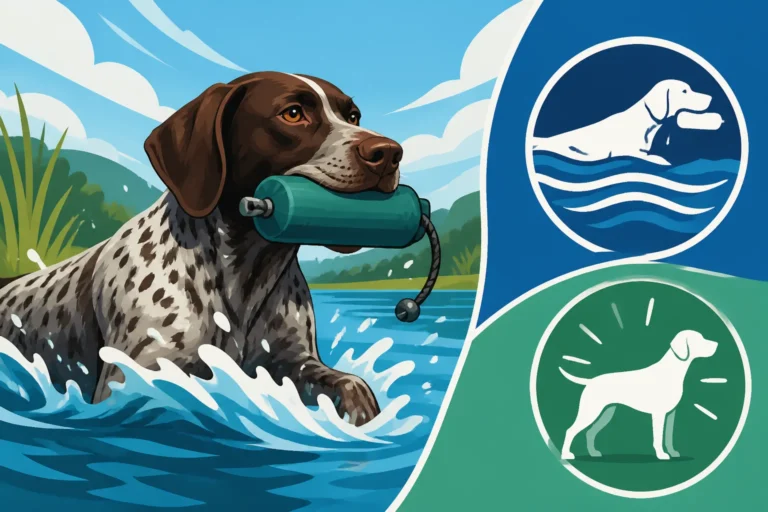
Swimming is another excellent low-impact exercise that builds incredible stamina and strength without stressing joints. Many GSPs love the water, and it can be a fantastic way to cool down and work muscles differently. Check out Using Water Work to Wear a Shorthair Out for more ideas. Integrate shorter, more intense training sessions focusing on specific field skills like pointing, retrieving, and honoring another dog's point. Just like human athletes, GSPs need rest and recovery days. Don't road them every single day, especially if they are also doing other strenuous activities. Aim for 2-3 dedicated roading sessions per week, interspersed with other types of exercise and adequate rest.
Monitoring your GSP's progress is important. Regularly assess their body condition – you should be able to easily feel their ribs but not see them prominently, and they should have a discernible waist. For more on this, read The Body Condition a Field Shorthair Should Carry. Track their stamina improvements, noting how much further or faster they can go before showing signs of fatigue. A well-conditioned GSP is a happy, healthy GSP, ready to tackle any adventure, and you'll find that with consistent, intelligent training, their working life can extend for How Many Seasons a German Shorthaired Pointer Hunts. Combining roading with other forms of exercise creates an unbeatable fitness foundation.
Here's a sample weekly fitness schedule incorporating roading:
| Day | Activity | Focus |
|---|---|---|
| Monday | Roading (30-45 min, moderate trot) | Endurance, consistent pace, muscle building |
| Tuesday | Free running/Field work (60-90 min) | Agility, speed, scent work, natural instincts |
| Wednesday | Active Rest (Long walk/Light jog) | Recovery, light cardiovascular |
| Thursday | Roading (45-60 min, moderate trot) | Increased endurance, mental focus |
| Friday | Swimming/Water retrieving (30-45 min) | Low-impact strength, cardio |
| Saturday | Intense Field Training (90-120 min) | Specific hunting skills, high energy burn |
| Sunday | Full Rest Day | Complete recovery, mental break |
This schedule can be adjusted based on your dog's age, fitness level, and upcoming demands. Remember, even a German Shorthaired Pointer puppy needs appropriate exercise to develop properly, but not the intense conditioning of roading; you can find guidance on How Much Exercise a Shorthair Puppy Should Get in earlier stages. The goal is to build a robust, capable partner who thrives on activity and is always ready for the next adventure.
Roading can be an invaluable tool in your German Shorthaired Pointer's fitness toolkit, transforming a high-energy dynamo into a finely tuned athlete. It demands consistency and careful attention, but the rewards—a strong, enduring, and mentally satisfied GSP—are immeasurable. By understanding its purpose, investing in the right gear, and implementing a gradual, thoughtful approach, you'll be well on your way to helping your versatile companion achieve their absolute best, whether that's in the field, in competition, or simply as an incredibly well-conditioned family member.
Disclaimer
This article is for general informational purposes only and does not constitute professional advice. Laws, prices and regulations vary by location and change over time. Consult a qualified professional for guidance on your specific situation.