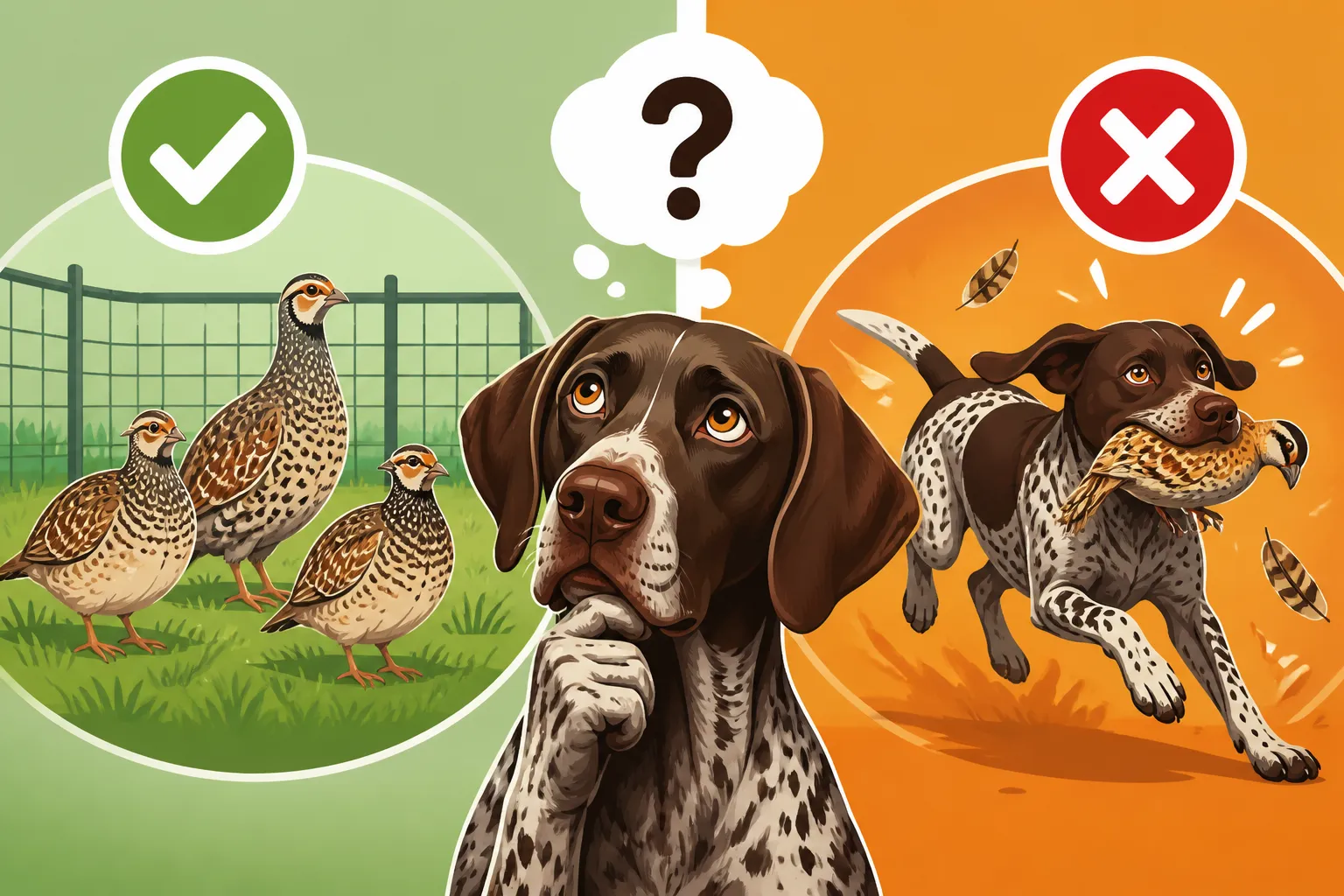
Whether Pen Raised Birds Teach a Shorthair Bad Habits
It’s a concern I hear from so many German Shorthaired Pointer owners, especially those new to hunting dogs: "Will using pen-raised birds in training teach my Shorthair bad habits that will ruin them for wild birds?" It's a valid worry, born from the desire to do right by these incredible hunting machines. This guide aims to clear up the confusion, explain the nuances, and offer practical strategies to ensure your GSP develops into a stellar bird dog, whether starting with pen-raised birds or transitioning to the wild.
The Indispensable Role of Pen-Raised Birds in Foundation Training
Let's be real, for many of us, access to abundant wild bird populations for consistent training sessions is a pipe dream. We live in areas where wild birds are scarce, or perhaps we're just starting out and don't have the connections to private land teeming with game. This is where pen-raised birds become an absolute godsend. They offer a controlled, accessible, and repeatable training environment that’s simply unmatched when you're laying the crucial groundwork for your GSP.
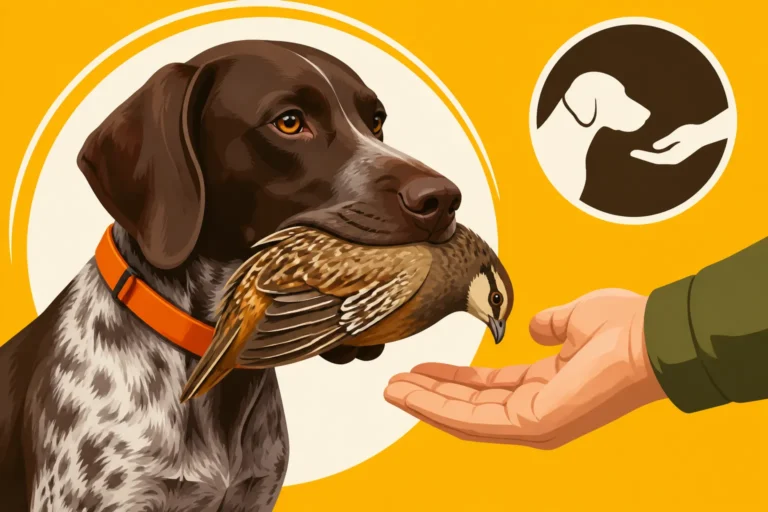
Think about it: how else are you going to get twenty consistent exposures to birds in a single afternoon with a young, inexperienced pup? You can't just release them into a wild covey and expect perfect learning outcomes. Pen-raised birds—like bobwhite quail, chukar partridge, or even pheasants—allow you to introduce your German Shorthaired Pointer to bird scent, sight, and behavior in a way that minimizes overwhelming distractions and maximizes learning opportunities. They are particularly useful for pups who are still developing their natural birdiness. You can plant them strategically, gauge your dog's reaction, and build their confidence without the added variables of wild bird unpredictability.
Many successful field dogs, from local champions to national title holders, started their careers working extensively on pen-raised birds. They are a tool, and like any tool, their effectiveness depends on how you use them. For a green puppy, the ability to repeatedly encounter a bird, figure out its scent, and lock onto a point is paramount. This repetition builds muscle memory and reinforces desirable behaviors. Imagine a new GSP puppy, full of boundless energy but no idea what a bird smells like. Without pen-raised birds, developing that crucial "bird sense" could take months or even years of chance encounters. With them, you can accelerate that learning curve dramatically. For more on initial bird introductions, check out The First Live Bird for a German Shorthaired Pointer. Some trainers even advocate for Using Pigeons to Start a Shorthair due to their affordability and flight patterns.
Unpacking the "Bad Habits" Concern: What Can Go Wrong?
The worry about pen-raised birds creating "bad habits" isn't entirely unfounded. It comes from legitimate observations of what can happen if training isn't diversified or progressed correctly. The primary concerns typically revolve around a few key areas:
The "Easy Find" Mentality and Lack of Drive
One common fear is that pen-raised birds are too easy to find. Since they're often planted or released in a known area, a dog might learn to expect birds in predictable spots, rather than truly hunting for them. Wild birds, on the other hand, demand a dog use its nose extensively, quarter effectively, and adapt to varying scent conditions and escape tactics. If a Shorthair only trains on birds that are essentially handed to them, they might not develop the independent hunt drive, perseverance, and problem-solving skills needed to find elusive wild game. They could become reliant on the trainer to put them on birds, rather than developing their own initiative.
This can manifest as a dog that checks back with you too often, loses interest quickly if a bird isn't immediately obvious, or doesn't expand its range to cover ground thoroughly. They might learn that if they just follow a human, a bird will eventually appear, rather than trusting their own nose and instincts to locate scent and track it.
Breaking Point, Bumping, and Creeping
Another significant concern is how pen-raised birds can influence a dog's steadiness. Because pen-raised birds often hold tighter or flush less explosively than wild birds, a dog might learn that it can get away with "creeping" on point, or even bumping the bird before it flushes. This is a cardinal sin in bird dog training. A German Shorthaired Pointer is meant to lock up solid, holding that point until the hunter arrives and flushes the bird. If they learn that nudging a bird makes it flush, or that they can chase it after the flush without consequence, you’ve got a problem. A Shorthair That Bumps Birds Instead of Pointing is a common frustration, as is A Shorthair That Creeps Once It Points.
Wild birds, especially those that have been hunted before, are far more wary. They'll run, flush unpredictably, and often escape if a dog isn't steady and respectful. If a dog's only experience is with birds that are slow to fly or simply run a short distance, it won't develop the discipline required for true steadiness. The temptation to break and chase becomes much stronger when the "reward" of catching or getting closer to the bird seems within reach.
Over-Reliance on Sight Over Scent
While GSPs are known for their incredible noses, relying too heavily on planted birds can inadvertently train a dog to use its eyes more than its nose. If birds are planted in sparse cover or always in plain sight, a dog might start searching visually rather than relying on scent to locate them. This is problematic because wild birds, particularly in heavy cover or windy conditions, are often found purely by scent. A dog that is too "eye-oriented" will bypass birds that are well hidden or struggle in conditions where scenting is difficult, like dry, hot days or when working into a stiff wind. This can lead to missed opportunities and a less efficient hunt.
Strategic Solutions to Counter Bad Habits
The good news is that these "bad habits" are not an inevitable outcome of using pen-raised birds. They are, however, a sign that the trainer needs to be more strategic and dynamic in their approach. Here’s how you can leverage pen-raised birds effectively without creating detrimental behaviors:
Varying Training Scenarios and Cover
Don't always plant birds in the same open field. Change locations, use different types of cover—tall grass, brush piles, sparse woods, even areas with varying winds. This forces your Shorthair to adapt, use their nose in diverse conditions, and truly hunt for the bird rather than just expecting it. Planting birds in heavy cover also encourages them to hold tighter, giving your dog more time to lock on point. The goal is to simulate the unpredictable nature of wild bird encounters as much as possible.
Consider using remote bird launchers, available on platforms like Amazon, to introduce an element of surprise. These devices allow you to control when and how a bird flushes, making it less predictable for your dog. This is especially helpful for practicing steadiness to wing and shot, as you can control the exact moment the bird takes flight. Whether a Launcher Helps a Bumping Shorthair is a question many trainers ask, and the answer is a resounding yes, when used correctly.
Emphasize Steadiness and Consequences
This is perhaps the most critical aspect. Every session with pen-raised birds must reinforce steadiness. If your dog breaks point, creeps, or bumps a bird, there must be a consequence. This doesn't mean harsh punishment, but a clear correction that teaches the dog the desired behavior. Use a long check cord to enforce "whoa" if your dog tries to break. Building Whoa on a Shorthair With a Check Cord is the absolute foundation here. Physically stopping your dog, returning them to the exact spot where they broke point, and making them hold it again reinforces the lesson.
If a dog repeatedly bumps birds, consider using a launcher with a bird that flies away quickly, so the dog doesn't get the "reward" of a close chase. For more advanced training, an e-collar, used judiciously and correctly, can be an invaluable tool for enforcing steadiness and recall, especially for those hard-headed GSPs. However, it's crucial to understand proper e-collar conditioning before you ever use it on your dog. If you're considering this tool, learn more at When an E-Collar Belongs on a German Shorthaired Pointer. The consistency of your reaction is key; dogs thrive on clear expectations.
Prioritize Scent Work Over Sight
To combat an over-reliance on sight, train in conditions where scent is paramount. Work your dog into the wind, so they are forced to use their nose to pick up scent from a distance. Plant birds in cover dense enough that your dog cannot see them from afar, requiring them to follow the scent cone. You can also drag a bird on a string for a short distance before planting it, creating a scent trail that encourages tracking and nose work.
Vary the type of bird you use. Quail often hold tight, allowing for excellent point work. Chukar tend to run more, challenging your dog to follow a scent trail. Pheasants offer both holding and running behaviors, depending on the bird and cover. This variety keeps your dog engaged and thinking rather than just reacting to visual cues.
Pen-Raised vs. Wild Birds: A Comparative Look
It’s helpful to understand the differences between pen-raised and wild birds not just in how they behave, but how those behaviors impact your training.
| Feature | Pen-Raised Birds | Wild Birds |
|---|---|---|
| Availability | Easily accessible, can be purchased year-round, high numbers for repetition. | Seasonal, location-dependent, often requires travel or specific permissions. |
| Predictability | Generally hold tighter, flush less explosively, slower to react. | Highly unpredictable, flush explosively, run, hide, more wary of predators. |
| Scenting | Can have a weaker or different scent profile, but still provide scent work. | Strong, natural scent, varies with diet and environment, challenging to track. |
| Flight/Run | Often fly shorter distances, may run on the ground more. | Strong, evasive flight; long, cunning runs on the ground. |
| Cost | Requires purchase, potentially significant for frequent use. | "Free" once you have access, but can involve travel/license costs. |
| Training Focus | Excellent for foundation work (point, retrieve, steadiness) and repetition. | Ideal for refining advanced skills, building experience with real hunting. |
The table above illustrates that pen-raised birds are not a replacement for wild birds, but rather a vital prelude and complement to wild bird experience. They build the foundation upon which real-world hunting skills are honed. The best bird dogs have experienced a blend of both, starting strong with the controlled environment of pen-raised birds and then graduating to the challenges of the wild.
The Guiding Hand: Trainer Skill and Instinctive Drive
Ultimately, the most significant factor in whether your German Shorthaired Pointer develops "bad habits" isn't the bird itself, but the trainer. A skilled trainer understands that pen-raised birds are a means to an end. They use them to build confidence, reinforce desired behaviors, and establish a solid foundation before transitioning to the unpredictable world of wild birds. A GSP's natural instincts are incredibly strong; they are hardwired to hunt. A good trainer channels this drive, rather than allowing it to run wild.
Think of it like learning to drive. You don't start on a busy highway; you learn in a controlled environment. Pen-raised birds are your training course. Once you've mastered the basics, then you can confidently navigate the open road. The same goes for your Shorthair. Their innate desire to point and retrieve is powerful, but it needs guidance. Whether a Shorthair Points Naturally Without Training is a question with a nuanced answer – they have the instinct, but training refines it.
If you're unsure about how to incorporate pen-raised birds effectively, consider seeking guidance from experienced trainers or reputable online programs. Resources from organizations like NAVHDA or even online training courses can provide structured approaches to bird introduction and steadiness. Some comprehensive training programs, like those offered by BAXTER & Bella, might not use live birds directly in their basic curriculum, but they certainly teach the foundational obedience that makes live bird training successful. They can help you understand the nuances of building a strong bond and clear communication, which are vital before introducing birds.
As your dog progresses, gradually introduce them to more challenging scenarios with pen-raised birds, mimicking wild conditions. This might involve planting birds further away, in thicker cover, or even allowing them to run a bit before flushing. The goal is to make the transition to wild birds as seamless as possible. Once you start hunting wild birds, your dog will naturally adjust to their behavior, especially if they have a strong foundation of whoa, point, and retrieve. The wild birds will teach them new lessons, but they'll be equipped with the tools to learn them effectively. You might be surprised at The Age a Shorthair Meets Its First Wild Bird and how quickly they adapt.
In the end, it’s about understanding the tool you're using. Pen-raised birds are an invaluable asset for creating a well-trained German Shorthaired Pointer. With thoughtful planning, consistent reinforcement, and a commitment to progressive training, you can harness their benefits and avoid the pitfalls, setting your GSP up for a lifetime of successful hunting in the field, whether in heavy cover or wide-open spaces. You'll want to know How Many Birds It Takes to Steady a Shorthair over time, and the answer is that consistent exposure and reinforcement are more important than sheer numbers. Don't be afraid to challenge your dog; even a close-working Shorthair can learn to open up its range. Read Whether a Close Working Shorthair Can Be Opened Up for more on that.
Disclaimer
This article is for general informational purposes only and does not constitute professional advice. Laws, prices and regulations vary by location and change over time. Consult a qualified professional for guidance on your specific situation.