Force Fetch Timing for a German Shorthaired Pointer
It can be incredibly frustrating when your German Shorthaired Pointer, a dog bred for retrieving, seems to think fetching is an optional activity, or worse, decides to play keep-away with that prized bird. This guide aims to demystify the timing of force fetch training, helping you understand when and how to introduce this crucial skill so your GSP becomes a reliable retrieving partner, every single time.
Understanding the "Why" Behind Force Fetch for Your GSP
Before we dive into the nuts and bolts of when to start force fetch, let's really grasp why this training method is so prevalent and, frankly, vital for a serious hunting German Shorthaired Pointer. It’s not about breaking their spirit or making them robotic; it’s about building a foundation of unquestionable reliability when it comes to the retrieve. Without it, you're leaving a lot to chance in the field, and a GSP that won't deliver a bird to hand is a GSP that isn't living up to its full potential as a versatile hunting machine.
More Than Just a Retrieve: The Purpose of Force Fetch
Many folks initially think "force fetch" sounds harsh, but in its proper application, it's really about teaching your dog that holding and delivering an object is non-negotiable, not a suggestion. It establishes a clear communication system where "fetch" or "hold" means one thing, and one thing only. Think about it: a GSP's natural instinct is to pursue, point, and perhaps even retrieve, but the delivery to hand is often where instinct falls short. They might mouth the bird, drop it a few feet away, or even damage it. Force fetch addresses this by associating a mild, controlled pressure with the act of taking, holding, and delivering the object correctly. This eliminates any ambiguity and ensures your dog understands its job, especially when distractions are high or the retrieve is challenging. It’s about building a bulletproof retrieve, turning an optional action into an ingrained, automatic response.
It also prepares them for more complex tasks in the field. A dog that is force fetched is much more likely to tackle tough retrieves, whether it's crossing a cold stream or navigating thick cover, because the command to retrieve and deliver is deeply engrained. This training isn't just about the mechanics of picking up an object; it's about instilling a profound understanding of the command and fostering a strong work ethic. It reinforces the handler's leadership and the dog's compliance, which is invaluable for a breed like the GSP that thrives on having a job and clear expectations.
The GSP Temperament and How It Shapes Training
German Shorthaired Pointers are known for their intelligence, eagerness to please, and high energy. These traits make them fantastic hunting companions, but they also mean they can be incredibly headstrong and sometimes overly enthusiastic. Their "go-go-go" nature means they can easily get distracted, especially by game or other exciting scents. A GSP might retrieve perfectly in the backyard, but introduce the chaos of a hunt—gunshots, other dogs, real birds—and suddenly that reliable retrieve might falter. This is where the systematic approach of force fetch becomes so effective.
Because they are so smart, GSPs often test boundaries. If they learn that dropping a bird short or playing keep-away sometimes works, they'll lean into that. Force fetch removes this option. It teaches them that the consequence of not delivering correctly is a mild, consistent pressure, which ceases the moment they comply. This clear cause-and-effect resonates well with their intelligent minds. Their desire to please means that once they understand the "game," they typically take to it with gusto, eager to avoid the pressure and earn praise. However, their sensitivity also means that force fetch must be introduced patiently and methodically. A heavy-handed approach can quickly turn a willing GSP into a timid one, which is the last thing you want. A Shorthair That Shuts Down Under Pressure is a real concern if the training isn't handled with care and empathy for their sensitive nature.
The Ideal Age Window for Starting Force Fetch
Deciding when to start force fetch is one of the most critical aspects of this training. Too early, and you risk overwhelming a puppy that isn't mentally or physically ready. Too late, and you might be fighting against ingrained bad habits or a dog that's already developed its own ideas about retrieving. There's a sweet spot, and understanding it can make all the difference in the success of your training.
Early Preparations: Building Foundations Before Formal Training
Even before you think about formal force fetch, there's a lot you can do to prepare your GSP puppy. Think of these as building blocks. Start with basic obedience: sit, stay, come. A dog that understands and respects these commands will be much easier to introduce to more complex training like force fetch. Socialization is also key; expose your puppy to various sights, sounds, and environments. This builds confidence and helps them handle novel situations, which is crucial when you introduce new training methods.
Introduce retrieving as a fun game, without any pressure. Use soft, easy-to-hold objects like a canvas dummy or a soft retrieve toy found on Amazon. Make it a positive experience, always ending on a high note. Encourage them to pick up objects and bring them back, even if they drop them a few feet away. Praise lavishly for any attempt at bringing something. This builds a positive association with retrieving and establishes a natural retrieve drive. Don't worry about perfection at this stage; just build desire. You can also start working on "hold" commands in short, playful sessions, getting them used to having an object in their mouth and gently taking it from them. These early experiences lay the groundwork, making the transition to formal force fetch much smoother. The Age a Shorthair Puppy Starts Whoa is another great foundation, as it teaches control and stillness, which are valuable traits for force fetch.
Recognizing Readiness: Signs Your GSP Is Primed for Force Fetch
So, what does a "ready" GSP look like? Generally, most trainers agree that the ideal age window for starting formal force fetch is typically between 5 to 8 months old. However, age is just a guideline; individual maturity varies. You want a puppy that has developed some mental maturity and a solid grasp of basic obedience commands.
Look for these signs of readiness:
- Confidence: Your GSP should be confident, not easily spooked by new things or gentle handling. A timid dog needs more confidence building before pressure is applied.
- Retrieve Drive: They should have a natural desire to pick up objects and bring them back, even if their delivery isn't perfect. If they show no interest in retrieving, you might need to build that drive first.
- Basic Obedience: They should reliably respond to "sit," "stay," and "come." These commands provide the framework for the structured environment of force fetch.
- Physical Maturity: They should be coordinated enough to stand steadily on a table or work comfortably on the ground.
- Focus: They should be able to focus on you for short periods, even with minor distractions.
- Mouth Feel: They should be comfortable with you manipulating their mouth and touching their lips. This is often practiced in puppyhood as part of general handling and health checks.
If your GSP ticks these boxes, they are likely in a good place to start the structured lessons of force fetch. BAXTER & Bella, for example, emphasizes building a strong foundation of positive reinforcement and basic skills, which perfectly aligns with preparing a dog for more advanced training like force fetch.
The Pitfalls of Starting Too Soon or Too Late
Timing is everything, and starting force fetch outside this optimal window can create unnecessary challenges:
-
Starting Too Soon (e.g., before 5 months):
- Emotional Trauma: A very young puppy might not be emotionally mature enough to handle the mild pressure involved. This can lead to a gun-shy dog, a dog that shuts down, or one that becomes generally averse to training. Their critical socialization period is still very active, and negative experiences can have lasting impacts.
- Physical Discomfort: Their mouths and teeth are still developing. Applying pressure incorrectly or using an inappropriate retrieve object can be physically uncomfortable or even damaging.
- Lack of Foundation: Without basic obedience and retrieve drive, you're trying to build a roof before you have walls. The training will be harder for both of you and less effective.
-
Starting Too Late (e.g., after 8-10 months without prior prep):
- Ingrained Bad Habits: If your GSP has spent months perfecting the "play keep-away" game or dropping birds 10 feet from you, you'll spend significantly more time undoing those habits before you can even begin to teach the correct behavior. It’s much harder to retrain than to train correctly from the start.
- Stronger Will: An older GSP has a more developed will and can be more resistant to new methods, especially if they perceive them as infringing on their established routines. This doesn't mean it's impossible, but it will require more patience and consistency on your part.
- Reduced Trainability: While GSPs are trainable throughout their lives, their peak learning window for foundational skills often tapers off as they mature past a certain point. Waiting too long can mean missing out on that prime developmental phase.
Think of it like teaching a child to read. You wouldn't start at two years old, nor would you wait until they're a teenager. There's an optimal time when they're developmentally ready to absorb the lessons most effectively.
A Step-by-Step Approach to Force Fetch Timing
Once you've determined your GSP is ready, a methodical, step-by-step approach is crucial. This isn't a race; it's a carefully orchestrated sequence of lessons that build upon each other. Each step should be mastered before moving to the next, ensuring your dog fully understands and accepts the process.
The Initial Introduction: Gentle Beginnings on the Table
Force fetch traditionally begins on a grooming table or elevated platform. Why? Because it puts you at eye level with your dog, minimizes distractions, and prevents your GSP from running away. It establishes a controlled environment where you are clearly in charge. Start by getting your dog comfortable on the table itself, praising and rewarding them for standing still.
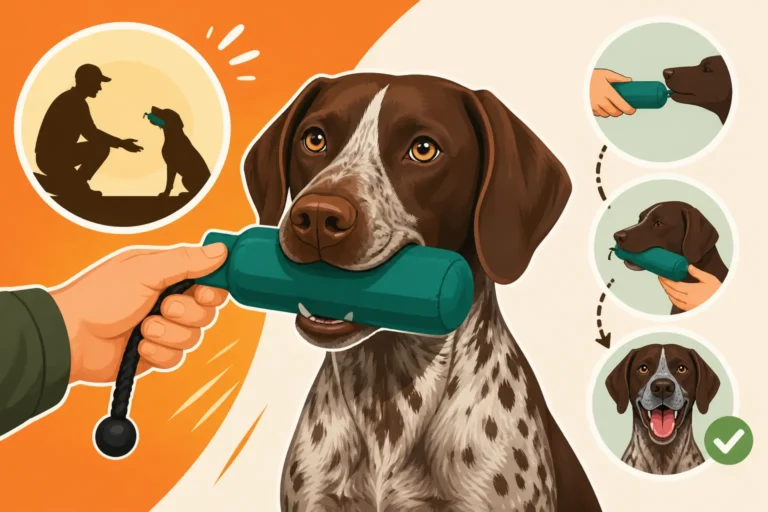
The first actual force fetch steps involve teaching your dog to take an object (a wooden or plastic dumbbell is common, often available on Amazon) into their mouth, hold it, and then release it on command. This is done with gentle, consistent ear or toe pressure. When you say "take" and apply mild pressure, the moment your dog opens its mouth to relieve the pressure by grabbing the object, the pressure stops, and you praise. Similarly, for "hold," apply pressure, release it when they hold, and praise. For "give," you gently take the object from them. Each step is broken down into tiny, achievable pieces, repeated many times in very short sessions (5-10 minutes) a few times a day. You are looking for understanding and acceptance, not speed. Consistency is absolutely key here. Force Fetch Explained for a Shorthair Owner details the method, but the timing of starting on the table is paramount—it's when they're ready to focus intently on you without external distractions.
Gradual Progression: From Pressure to Desire
The goal of force fetch isn't to rely on pressure forever. It's to transition from using mild pressure to having the dog perform the retrieve purely out of desire and understanding of the command. Once your GSP reliably takes, holds, and gives the dummy on the table with minimal pressure, you start introducing more variables:
- On the Floor: Move the training off the table and onto the ground, first with the dummy directly in front of them, then gradually increasing the distance they have to reach for it.
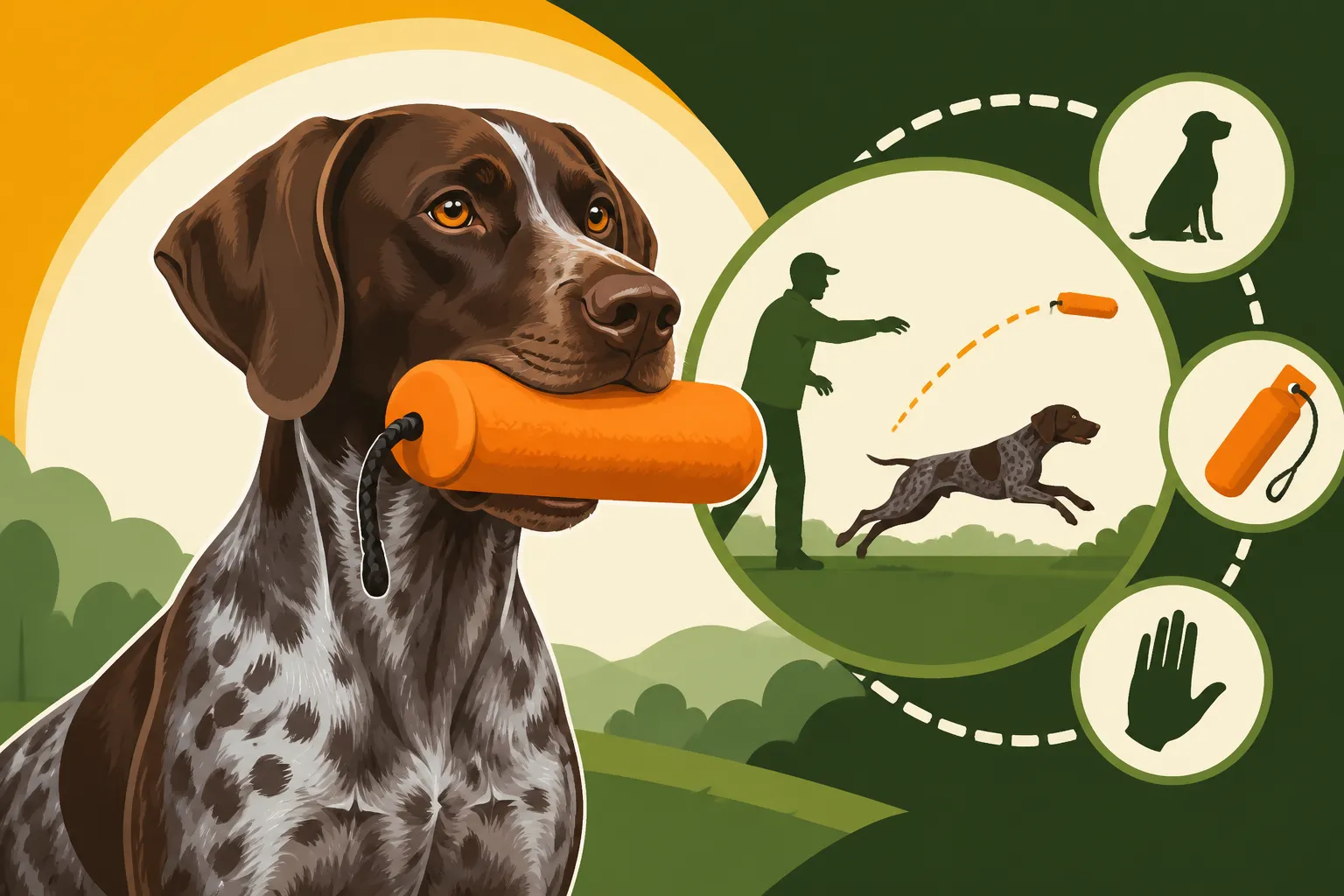
- Short Throws: Begin with very short, gentle throws of the dummy, still expecting the same precise take, hold, and deliver.
- Varying Objects: Introduce different types of retrieve objects – canvas dummies, plastic bumpers, frozen birds – so your GSP generalizes the command to anything you ask them to retrieve. This is especially important for a hunting dog that will encounter various types of game.
- Increasing Distance and Distraction: Slowly increase the distance of retrieves and introduce mild distractions. This is where the concept of Holding a Shorthair's Point Until You Walk In also applies, as it teaches a different kind of steadiness and control that complements the retrieve.
At every stage, the moment your dog performs correctly, the pressure (if any is needed) immediately stops, and they receive enthusiastic praise. The key is to make the correct action the easiest and most rewarding path. This gradual progression ensures that the learned behavior is solid and resilient under various conditions, slowly building their confidence and reinforcing the "desire" to perform.
Integrating Force Fetch into Field Work
Once your GSP is rock-solid on force fetch basics in a controlled environment, it's time to integrate it into their actual field work. This doesn't mean skipping steps; it means applying the reliability you've built to real-world scenarios.
Start by having your GSP retrieve dummies in a field environment, then progress to live birds or dead game. The training you've done on the table and in the yard should now translate to flawless retrieves in the field. If your GSP starts to falter, go back a step. Never skip the foundation. You might introduce the electronic collar during this phase, but only after your dog fully understands the commands and associates the pressure with the desired action in a non-distracting environment. The e-collar simply becomes an extension of the pressure you used during table work, allowing you to enforce commands at a distance. Conditioning a Shorthair to the E-Collar Properly is a vital step here, ensuring humane and effective use.
The goal is that when a bird falls, your GSP knows precisely what is expected: a quick, clean retrieve and a soft, confident delivery to hand. This ensures that every bird is brought back efficiently and respectfully, turning your GSP into an indispensable partner in the field.
Common Timing Mistakes and How to Avoid Them
Even with the best intentions, timing mistakes can derail force fetch training, leading to frustration for both you and your GSP. Recognizing these common pitfalls can help you navigate the process more smoothly and effectively.
Pushing Too Hard, Too Fast
One of the most frequent mistakes is trying to rush the process. Force fetch is not something you can accomplish in a weekend. Each step requires mastery before moving on. If you push your GSP through a step they haven't fully grasped, you'll end up with gaps in their understanding, leading to unreliable retrieves later on. For instance, if you move from the table to full retrieves in the yard before your dog is confidently taking and holding the dummy with minimal pressure, they might revert to mouthing or dropping the dummy as soon as they're off the table.
This often happens when owners get impatient or compare their dog's progress to others. Remember, every dog is an individual. What takes one GSP a week might take another three weeks. Pay close attention to your dog's body language. Are they showing signs of stress or confusion? Are they shutting down? If so, you've likely gone too far, too fast. Scale back, reinforce the previous step, and build their confidence again. Think about Reading a German Shorthaired Pointer's Stress Signals. These dogs are incredibly keen observers, and if you’re not listening to them, you’re missing crucial communication.
Inconsistent Training: The Enemy of Progress
Inconsistency is another major trap. Force fetch relies on clear, consistent communication of what is expected. If you apply pressure sometimes but not others, or if different family members use different commands or methods, your GSP will become confused. They need to know that "hold" always means "hold" and that the pressure always ceases the moment they comply.
This means committing to short, regular training sessions every day, rather than long, infrequent ones. Five to ten minutes, two or three times a day, is far more effective than one hour-long session once a week. It also means everyone involved in the dog's training needs to be on the same page, using the same commands and techniques. A great resource for consistency is a structured online program, like those offered by BAXTER & Bella, which guide you through each step and ensure everyone in the household is using the same approach. Without consistency, your GSP won't generalize the behavior, and you'll find yourself back at square one every time you try to progress.
Misinterpreting Your GSP's Reactions
It's easy to misinterpret a GSP's reactions during force fetch. Some owners might see resistance as stubbornness, when it's actually confusion or fear. Others might mistake a quick compliance as full understanding, when the dog is simply trying to avoid pressure without truly grasping the concept.
A GSP might whine or resist initially, not because they're being "bad," but because the sensation of pressure and the demand for a specific action is new and perhaps slightly uncomfortable. Your job is to be patient, clear, and reassuring. Always remember that the pressure is meant to be a teaching tool, not a punishment. The moment they make the correct choice, the pressure should immediately stop, followed by enthusiastic praise. This teaches them that they control the pressure through their actions. If you ignore the subtle signs of fear or over-correct, you risk damaging your GSP's confidence and willingness to work. Take the time to understand Reading a German Shorthaired Pointer's Stress Signals; it will make you a more effective and empathetic trainer.
Learning to read your GSP's cues, staying consistent with your methods, and being patient with the process are the true secrets to successful force fetch timing. It's a journey, not a destination, and the reliable retrieve you achieve will be a testament to your dedication and understanding of your incredible German Shorthaired Pointer.
Disclaimer
This article is for general informational purposes only and does not constitute professional advice. Laws, prices and regulations vary by location and change over time. Consult a qualified professional for guidance on your specific situation.