Whether a Gun Shy German Shorthaired Pointer Can Recover
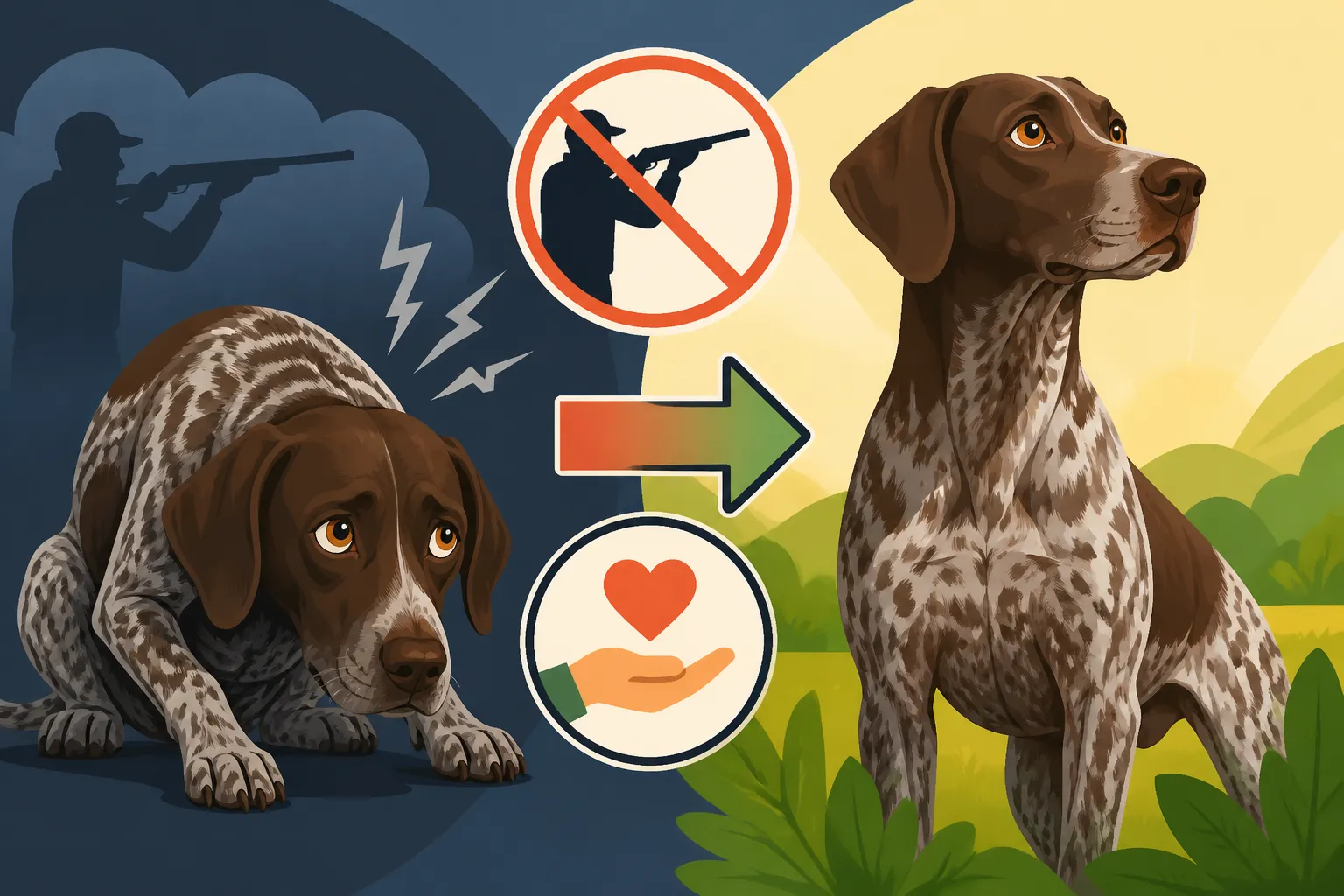
There’s little that can stop a German Shorthaired Pointer in their tracks, but for some, the sharp crack of a gunshot is enough to completely dismantle their confidence and shatter their spirit in the field. This sudden onset of gun shyness can be utterly devastating for owners who’ve poured countless hours into training a dog bred specifically for the sound and fury of the hunt. Many wonder if a GSP exhibiting fear of gunfire can ever truly recover, or if their days of working cover are irrevocably over. This guide aims to tackle that heartbreaking question head-on, offering insight into gun shyness, its signs, and the potential paths to recovery for your beloved German Shorthaired Pointer.
Understanding the Roots of Gun Shyness in a German Shorthaired Pointer
It's a common misconception that all German Shorthaired Pointers are inherently bomb-proof when it comes to gunfire. While the breed is indeed known for its bold and courageous nature, and a strong genetic predisposition to hunting, gun shyness can still develop. This isn't just about a dog being startled; it's a profound, often debilitating fear response to loud noises, particularly gunshots. For a GSP owner, seeing their usually fearless companion cower, shake, or attempt to flee at the sound of a gun is gut-wrenching because it goes against everything we expect from this magnificent breed.
Gun shyness isn't always a genetic flaw, though sometimes a puppy from shy parents might have a higher predisposition to anxiety or sound sensitivity. More often, it's an acquired fear, usually rooted in a negative experience during critical developmental periods. Imagine a young, impressionable German Shorthaired Pointer puppy, still learning about the world. If its first exposure to a gunshot is too loud, too close, or occurs when the pup is already stressed, sick, or distracted, that single event can imprint a lifelong phobia. It's not just the noise itself; it's the association the dog makes with that noise. If the sound leads to pain, fear, or confusion, the dog's natural instinct is to avoid it at all costs. This can be particularly frustrating for GSP owners, as their dogs are literally bred to react positively to these sounds.
Identifying the Nuances of Gun Shyness
Recognizing gun shyness isn't always as simple as a dog running for the hills after a shot. Sometimes the signs are subtle, escalating over time if not addressed. You might initially mistake a slight flinch or a moment of hesitation for mere distraction, but these can be early warnings. It's crucial to differentiate between a dog that is simply startled, which is normal, and one that is genuinely afraid.
Early Warning Signs and Escalation
A dog that is startled might jump, look around, and then quickly recover, perhaps even showing curiosity towards the source of the noise. A gun-shy dog, however, exhibits clear signs of distress. Initially, this might look like:
- Freezing in place: The dog suddenly stops moving, often with a tense body posture.
- Trembling or shaking: Even if the sound wasn't extremely loud, their body might quiver.
- Whining or whimpering: Soft vocalizations indicating discomfort or fear.
- Seeking cover: Trying to hide behind you, under a vehicle, or in dense brush.
- Reduced engagement: Losing interest in birds, retrieving, or general interaction immediately after a sound.
- Ears flattened, tail tucked: Classic signs of fear in canine body language.
If these early signs are ignored or mishandled, the fear can quickly escalate. A dog might progress to full-blown panic: bolting, uncontrollably barking, defecating or urinating out of fear, or even snapping if cornered and feeling threatened. This is when the issue becomes not just a training problem, but a serious welfare concern that impacts the dog's overall quality of life. Owners might notice their dog also exhibits signs of generalized noise phobia, showing fear of thunder, fireworks, or even loud domestic noises. For more on this, you might want to read A Shorthair That Hides at Thunder but Hunts Fine or Whether a Shorthair's Noise Phobia Is Gun Shyness.
Distinguishing Fear from Disinterest
It's important not to confuse a dog that is gun shy with one that is simply not interested in hunting or perhaps needs more foundational training. A dog that is truly gun shy is experiencing a primal fear response, not just boredom or stubbornness. Disinterest might manifest as wandering off, ignoring commands, or simply not engaging with the birds. Gun shyness, on the other hand, is marked by clear physiological and behavioral signs of terror. If you're unsure, consulting with an experienced professional is always the best course of action. They can help you accurately assess your GSP's reaction and guide you on the next steps.
Here’s a quick overview to help distinguish different reactions to loud noises:
| Reaction Type | Description | Behavior in Response to Loud Noise | Potential Outcome (if not addressed) |
|---|---|---|---|
| Startled/Curious | Brief surprise, quickly recovers, investigates sound. | Jumps, head cocks, ears twitch, may approach sound source cautiously. | Normal, healthy reaction. No long-term issue. |
| Sensitive | Noticeable flinch, slight hesitation, but can be redirected. | Mild trembling, seeks handler for reassurance, takes longer to recover. | Can develop into shyness if not handled gently. |
| Gun Shy (Mild) | Exhibits clear fear, seeks cover, body language indicates stress. | Freezing, tail tucking, whining, refuses to move forward, reduced work drive. | Likely to escalate to severe shyness. |
| Gun Shy (Severe) | Full-blown panic, attempts to flee, uncontrollable behavior. | Bolting, frantic digging, destructive behavior, urination/defecation. | Severely impacts quality of life; dangerous to self. |
The Journey to Recovery: Is It Truly Possible?
The good news is, yes, a German Shorthaired Pointer can often recover from gun shyness. However, and this is crucial, it is rarely a quick fix. Recovery is a journey that demands immense patience, unwavering consistency, and often, professional guidance. It's about rebuilding trust and changing deeply ingrained fear responses, which takes time and a very systematic approach.
The degree of recovery depends on several factors: the severity of the shyness, the dog's individual temperament, the owner's commitment, and the methods employed. A dog with mild shyness, or one whose fear is caught very early, generally has a better prognosis for a full return to normal activity. Dogs with severe, panic-driven gun shyness may take much longer, and might never be completely "cured" in the sense of being oblivious to gunshots, but they can often learn to cope and even enjoy being in the field again, albeit with careful management. The goal isn't necessarily to make them love gunshots, but to help them associate the sound with positive experiences and to feel safe and confident despite the noise.
Practical Steps for Rehabilitation: A Patient and Progressive Approach
Rehabilitating a gun-shy German Shorthaired Pointer is a delicate process that requires careful planning and execution. The absolute golden rule is never to force your dog into a situation where they are overwhelmed or panic. Every negative experience can set back progress significantly.
1. Creating a Foundation of Safety and Trust
Before you even think about reintroducing gun sounds, you need to ensure your dog feels absolutely safe and trusts you implicitly. This means:
- Avoid all gun sounds: For a period, completely remove any potential exposure to gunshots or similar loud noises. This allows their nervous system to calm and reset.
- Focus on positive reinforcement: Build their confidence in other areas of training. Use high-value treats and praise to reward desired behaviors. BAXTER & Bella, for instance, offers excellent online puppy and obedience training resources that emphasize positive, confidence-building methods which can be adapted for older dogs needing a refresher on foundational trust and calmness.
- Establish a strong bond: Spend quality time together, engaging in activities your dog enjoys that don't involve loud noises. Strong bonding is the bedrock of successful rehabilitation.
- Consider a vet visit: Rule out any underlying medical conditions that might be exacerbating anxiety or noise sensitivity. Some dogs might also benefit from short-term anxiety medication during the initial desensitization phase, under veterinary guidance.
2. Gradual Desensitization to Sounds
This is the core of rehabilitation. The idea is to slowly reintroduce gun-like sounds at a level so low that your dog barely notices it, or doesn't react negatively.
- Start extremely quiet and distant: Begin with a cap pistol, not a shotgun, and fire it far away, perhaps even out of sight, when your dog is engaged in a highly enjoyable activity like eating a meal or playing their favorite game. The goal is for them to associate the faint, almost imperceptible sound with something wonderfully positive. Starting a Shorthair's Gun Introduction With a Cap Pistol delves into this in more detail.
- Use recordings: Many trainers use sound recordings of gunshots played at very low volumes. This allows for precise control over the volume and frequency. You can find many such recordings on platforms like Amazon, but always ensure they are clear and realistic.
- Incremental increases: Over days, weeks, or even months, gradually increase the volume or decrease the distance. The key is always to stop before your dog shows any signs of fear. If they flinch, you've gone too far, too fast. Go back to a lower level of sound. For practical advice on initial distances, refer to How Far From a Shorthair to Fire the First Shot.
- Vary sounds: Once comfortable with a cap pistol, gradually introduce the sound of a .22 blank pistol, then a 20-gauge, and finally a 12-gauge. Whether a Shorthair Hears a Blank Pistol or a Shotgun First offers insight into this progression.
- Real-world context: Once they are comfortable with blank gun sounds at close range, you can start introducing them to actual shooting situations, but again, from a very safe distance, with a highly rewarding activity, and always ready to retreat if needed.
3. Counter-Conditioning: Changing Emotional Responses
While desensitization tackles the volume, counter-conditioning changes the dog's emotional response. You want them to think, "Oh, a bang! That means good things happen!"
- High-value rewards: Every time you introduce the sound, no matter how faint, immediately follow it with something amazing: a special treat (chicken, cheese), an intense game of fetch, or belly rubs if they love them. The goal is to make the sound a predictor of something wonderful.
- Play and food: These are powerful motivators. During desensitization sessions, feed your dog its favorite meal or engage in vigorous play. Fire the sound, then immediately give the reward. The sound becomes a cue for the reward.
- Enrichment activities: Engage your GSP in mentally stimulating activities that build confidence. Puzzle feeders, scent work, and trick training can all contribute to a more resilient and less anxious dog.
4. Seeking Professional Guidance
For many owners, especially those dealing with moderate to severe gun shyness, professional help is invaluable. A qualified dog behaviorist or an experienced bird dog trainer specializing in fear issues can provide a tailored plan and hands-on guidance. They can observe your dog's subtle cues and adjust the training pace appropriately. They might use specialized equipment or techniques that are difficult for an amateur to master. If you're struggling, don't hesitate to look for resources on Fixing a Gun Shy German Shorthaired Pointer. These professionals have the experience to interpret nuances in your dog's behavior, like Reading a German Shorthaired Pointer's Stress Signals, which might be missed by an untrained eye.
5. Utilizing Supportive Tools
While not a cure, certain tools can help manage anxiety during the rehabilitation process:
- Ear protection: For the handler, ear protection is a must. For the dog, special ear muffs or ear wraps can sometimes muffle sound, though ensure your dog is comfortable wearing them.
- Calming supplements/medication: Discuss with your vet if short-term anti-anxiety medication or natural calming supplements (like L-theanine or Zylkene) might be appropriate to help lower your dog's overall stress levels during intense training phases. This is a management tool, not a solution to the underlying fear.
- Long lines and secure containment: During field work, always use a long line to maintain control and prevent your dog from bolting if they become overwhelmed. A secure crate or dog box is also essential for safe transport and containment. Many excellent options for these products can be found on Amazon.
Prevention: Building a Confident Gun Dog from Puppyhood
The best cure for gun shyness is prevention. Proper gun introduction from puppyhood is paramount for German Shorthaired Pointers.
Early, Positive Sound Exposure
- Environmental sounds: From a very young age, expose your GSP puppy to a variety of everyday sounds, ensuring they are always paired with positive experiences. Loud noises like dropping pots, vacuum cleaners, and doorbells should become routine and non-threatening.
- Controlled gun introduction: Never take a young puppy directly to a firing range or an active hunting field. Their first exposure to gunshots should be a carefully orchestrated event.
- Start with very distant, low-volume sounds, like a cap pistol shot hundreds of yards away while the puppy is happily playing or eating.
- Gradually decrease the distance and increase the volume, always pairing the sound with positive reinforcement (treats, praise, play).
- Ensure the puppy is focused on you and the positive activity, not the sound itself.
- Read Introducing the Gun Without Ruining a Shorthair for a comprehensive guide on safe introductions.
- Socialization: A well-socialized puppy, exposed to many different sights, sounds, and experiences in a positive way, is generally more resilient and less prone to fear-based issues. BAXTER & Bella's online puppy training courses often highlight the importance of early, positive socialization for building a well-adjusted companion.
Temperament and Breeding
While training plays a huge role, genetics can also contribute to a dog's predisposition for sound sensitivity. Responsible breeders carefully select breeding stock for sound temperament, ensuring that parents are calm, confident, and free from fear issues. When choosing a puppy, observe the parents' behavior and ask about their reaction to loud noises. A puppy from confident, well-adjusted parents has a better head start. Considerations like The Age a Shorthair Is Ready for the Natural Ability Test often reflect the overall confidence and development of a young GSP.
Ultimately, the journey of recovering a gun-shy German Shorthaired Pointer is a testament to the bond between dog and owner. It requires endless patience, empathy, and a commitment to helping your dog overcome a profound fear. With the right approach, many GSPs can regain their confidence and return to a life rich with the activities they were bred for, proving that even deeply ingrained fears can be softened and managed with love and careful training.
Disclaimer
This article is for general informational purposes only and does not constitute professional advice. Laws, prices and regulations vary by location and change over time. Consult a qualified professional for guidance on your specific situation.