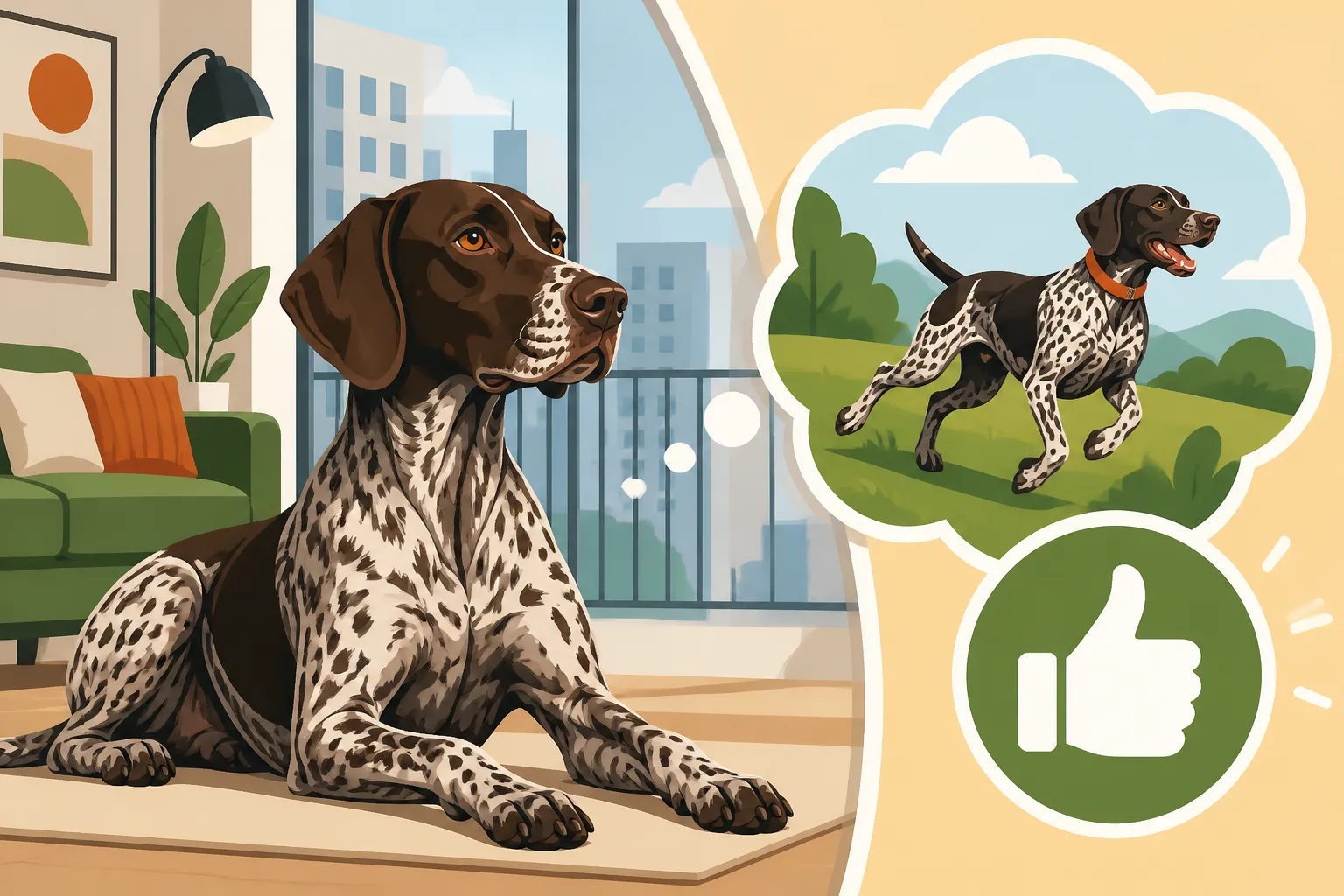
Whether a Shorthair Can Live in an Apartment
Many German Shorthaired Pointer enthusiasts find themselves asking if their beloved, high-energy breed can truly thrive within the confines of an apartment. It’s a completely valid concern, rooted in the GSP’s reputation as an unstoppable force of nature, and the answer isn't a simple yes or no. This guide will walk you through the realistic expectations, necessary adaptations, and unwavering commitment required to make apartment living a successful reality for your German Shorthaired Pointer, ensuring both you and your loyal companion can live happily.
Unpacking the German Shorthaired Pointer's Innate Needs
Before you even consider bringing a German Shorthaired Pointer into an apartment, it’s crucial to understand the very core of what makes this breed tick. These aren't your average couch potatoes; they are finely tuned athletes, bred for endurance, intelligence, and an insatiable desire to work. Ignoring these fundamental needs, regardless of your living situation, is a recipe for disaster.
The High-Energy Engine Under a Short Coat
Let’s be honest: a German Shorthaired Pointer is built for action. Their ancestors were developed in Germany to be versatile hunting dogs, capable of pointing, retrieving from land and water, and tracking, all day long. This means they come hardwired with an incredible amount of stamina and a powerful drive to move. When we talk about their energy, we're not just talking about needing a brisk walk around the block. We're talking about needing to run, to gallop, to stretch those long legs and truly expend pent-up physical energy.
A GSP that doesn't get enough physical outlet will invent its own, and believe me, you won't like their choice of game. This isn't misbehavior; it's simply a genetic imperative that demands fulfillment. Imagine being an Olympic athlete confined to a small room – the frustration would manifest in various ways, wouldn't it? For a GSP, this translates to zoomies around your living room, scaling furniture, or relentless pacing. They might even develop destructive habits as a way to burn off steam and relieve boredom, which can be particularly damaging in a smaller living space. Their physical prowess means they can cover incredible distances, so their daily exercise needs are substantial. How Far a German Shorthaired Pointer Runs in an Hour might give you an idea of the kind of output they are capable of.
More Than Just Physical: The Demand for Mental Engagement
While physical exercise is non-negotiable, it's only half the battle. A German Shorthaired Pointer possesses a keen intelligence and a desire to learn and engage. Their minds are like sponges, and if not given a job to do, they’ll create one. This mental stimulation is just as, if not more, important than physical exertion in tiring out a GSP and making them a calm, well-adjusted apartment dweller.
Think about it: a dog can run for an hour but still be buzzing with energy if their brain hasn't been challenged. For a GSP, this means regular training sessions, puzzle toys, scent work, or even just teaching them new tricks. These activities tap into their innate problem-solving abilities and hunting instincts. Without this mental outlet, they can become anxious, bored, and once again, destructive. They might bark excessively at every passing sound, or meticulously dismantle your sofa cushions out of sheer boredom and frustration. You’d be surprised how much Puzzle Feeders and Scent Games for a Shorthair can help. A tired mind often leads to a tired body, and a GSP that has had both its physical and mental needs met is far more likely to settle down quietly in an apartment.
Strategies for Successful Apartment Living with a GSP
So, you understand the energy and intelligence of a GSP. Now, how do you realistically manage that in an apartment? It comes down to meticulous planning, unwavering consistency, and a deep commitment to meeting their needs outside the four walls of your living space. It's certainly possible, but it requires effort that goes beyond what many might expect for dog ownership.
Maximizing Outdoor Adventures Daily
This is where apartment living with a GSP truly shines or utterly fails. You simply cannot rely on a tiny patch of grass outside your building or a couple of leashed walks a day to satisfy a German Shorthaired Pointer. Their exercise must be intentional, vigorous, and extensive. We're talking about dedicated chunks of time carved out of your day, every single day, no matter the weather.
Consider incorporating activities like long-distance running or jogging with your dog, making sure they're old enough for such strenuous activity. The Age a Shorthair Can Start Distance Running is an important factor here. Bikejoring, where your dog pulls you on a bicycle, is another fantastic way to burn off serious energy, but it requires specific training and equipment to be safe. Regular trips to a secure, off-leash dog park (if your dog is well-socialized and has a solid recall) can be invaluable, allowing them to sprint and play with other dogs. Hiking on trails, even several times a week, can provide both physical exertion and mental stimulation through new scents and varied terrain. If you're near water, Using Water Work to Wear a Shorthair Out can be incredibly effective, as they often love to swim and retrieve. Remember, two shorter, intense sessions are often better than one long, lackadaisical walk. The goal isn't just to walk them, but to tire them out.
Cultivating Calmness and Structure Indoors
While the bulk of their energy release happens outdoors, it’s equally important to teach your GSP how to be calm and settled inside the apartment. This isn't something they inherently understand; it's a skill that needs to be actively taught and reinforced. Without a sprawling yard, your living room becomes their entire indoor world, and it needs to be a place of relaxation, not restless pacing.
Crate training is absolutely invaluable for apartment dwellers. A crate provides a secure, den-like space where your GSP can relax without feeling the need to patrol or engage with every perceived external stimulus. It becomes their quiet sanctuary. Beyond the crate, teach a "place" command, where your dog learns to go to a specific mat or bed and stay there until released. This helps them understand that there are times for activity and times for quiet rest. Establishing a consistent daily routine helps immensely, too. Dogs thrive on predictability, and knowing when to expect walks, meals, and quiet time helps them adjust to the rhythm of apartment living. The Structure a German Shorthaired Pointer Needs Daily is not just about training; it's about life management.
Smart Indoor Enrichment for Busy Days
Even with ample outdoor exercise, there will be times when your GSP is indoors and needs something productive to do. This is especially true on rainy days, during recovery from an injury, or when you simply have a busy day and can't dedicate hours to outdoor adventures. Smart indoor enrichment can make all the difference.
Invest in high-quality, durable chew toys that can stand up to a GSP's powerful jaws. Toys from reputable brands, often found on Amazon, can provide hours of solo entertainment, redirecting their natural chewing instincts away from your furniture. Puzzle feeders, which require your dog to solve a problem to get their food or treats, are fantastic for mental stimulation. They make mealtime a game and can burn mental energy far more effectively than just eating from a bowl. Short, frequent training sessions – think 5-10 minutes a few times a day – can also keep their minds engaged. Practice basic obedience, teach new tricks, or even work on advanced concepts like shaping. These mental workouts help to fulfill their need to learn and please, and they build a stronger bond between you. Companies like BAXTER & Bella offer excellent online training resources that can guide you through these indoor activities, making sure you're getting the most out of your time.
Addressing Common Obstacles in an Apartment Setting
Even with the best intentions and a solid routine, apartment living with a German Shorthaired Pointer can present unique challenges. Proactive planning and a realistic understanding of these potential hurdles will help you navigate them more smoothly and keep both you and your neighbors happy.
Preventing Destructive Habits and Excessive Noise
One of the biggest concerns for apartment dwellers with a high-energy dog like a GSP is the potential for destructive behavior and excessive noise. An under-exercised or under-stimulated German Shorthaired Pointer is a bored German Shorthaired Pointer, and a bored GSP will find its own fun. This often manifests as chewing furniture, digging at carpets or doors, or, perhaps most problematic in an apartment, incessant barking.
The key to preventing these issues lies in the foundation we've already discussed: ample physical exercise and mental stimulation. If your GSP is truly tired and content, they are far less likely to be destructive. However, for those moments when they are left alone, ensure they have appropriate outlets. Provide a variety of approved chew toys, possibly rotating them to keep things interesting. Consider using a long-lasting chew or a stuffed Kong toy (again, easily found on Amazon) when you leave, which can keep them occupied for a significant period. For barking, identify the triggers. Is it every time someone walks by the door? The mail carrier? Work on desensitization and counter-conditioning. A solid "quiet" command can also be invaluable. Remember, What an Under Exercised Shorthair Does to a House is usually a cry for help, not an act of defiance.
Navigating Separation Anxiety in Close Quarters
German Shorthaired Pointers are often described as "Velcro dogs" due to their strong desire to be near their human companions. While this is a charming trait, it can escalate into true separation anxiety when coupled with apartment living, where the lines between "alone time" and "constant companionship" can feel blurry. Signs can include destructive chewing specifically when you're gone, excessive barking or howling, inappropriate urination or defecation, or frantic greetings upon your return.
Addressing separation anxiety requires patience and a systematic approach. Start by making your departures and arrivals non-events. Avoid long goodbyes or overly enthusiastic greetings. Practice short departures, leaving for just a few minutes and gradually increasing the time. Provide high-value, long-lasting treats that your dog only gets when you leave. A chew toy filled with frozen peanut butter, for instance, can be a great distraction. Ensure your dog is thoroughly exercised before you leave, both physically and mentally. A tired dog is less likely to be anxious. Consider white noise machines or classical music to mask external sounds. For severe cases, consulting a professional dog trainer or veterinary behaviorist might be necessary. This is a journey, and Building a Shorthair's Tolerance for Being Alone is a crucial skill for apartment life.
Harmonious Coexistence with Neighbors and Shared Spaces
Living in an apartment means sharing walls, hallways, elevators, and outdoor spaces with many other people and their pets. A German Shorthaired Pointer, being an energetic and often vocal breed, needs to be particularly well-mannered and socialized to ensure harmonious coexistence. This isn't just about your comfort; it's about being a responsible pet owner and respecting your community.
Early and ongoing socialization is paramount. Your GSP should be comfortable and confident encountering new people, children, and other dogs without overreacting. Teach them polite greetings – no jumping! – and ensure they have impeccable leash manners. A pulling GSP is a handful anywhere, but in a busy apartment hallway or elevator, it can be a nightmare for you and a hazard for others. Enroll in obedience classes, which can also provide valuable socialization opportunities. Control barking as much as possible, especially during quiet hours. If your dog barks at every sound, investigate soundproofing options or strategic placement of furniture to block views. Always clean up after your dog immediately, both indoors (in case of accidents) and outdoors. Being considerate of your neighbors will go a long way in ensuring your GSP is welcomed in your apartment community.
Making the Realistic Decision for Your German Shorthaired Pointer
Ultimately, the question of whether a German Shorthaired Pointer can live in an apartment boils down to one thing: you. The breed itself is adaptable, but its success in such an environment is entirely dependent on the owner's commitment, lifestyle, and willingness to meet their demanding needs.
Honest Assessment of Your Time and Resources
Before committing to a GSP in an apartment, you need to conduct a brutally honest assessment of your own life. Do you truly have the time – and the energy – to dedicate 1-2 hours daily to vigorous exercise, regardless of weather or your personal schedule? This isn't just a weekend warrior commitment; it's an everyday requirement. This could mean early morning runs, lunchtime dog park visits, or long evening hikes. Whether you have the week a Shorthair demands is a question you need to seriously ponder.
Consider your work schedule. If you're gone for 8-10 hours a day, can you afford a reliable dog walker or a high-quality dog daycare? A GSP cannot be left alone with just a short potty break for that long and be expected to thrive. Their need for companionship and mental engagement is too strong. Even when you're home, are you prepared to engage them mentally with training, puzzle toys, and interactive play, rather than just lounging on the couch? A GSP needs to be an active participant in your life, not just a bystander. If your lifestyle is already packed and you struggle to find time for yourself, adding a German Shorthaired Pointer to an apartment setting might be setting both of you up for frustration.
Understanding the Potential Hidden Costs of Apartment Life
While an apartment might seem to save money on yard maintenance or fencing, bringing a GSP into this environment can introduce other, sometimes significant, financial considerations. It’s important to budget for these "hidden" costs to avoid surprises down the line.
For instance, if you work long hours, you'll likely need to budget for dog walkers or doggy daycare. What Daycare Charges to Run a Shorthair can add up quickly over a month or a year. Quality daycare or consistent dog walking is not a luxury for an apartment-dwelling GSP; it's often a necessity for their well-being and your peace of mind. You might also invest more heavily in enrichment tools like a variety of durable chew toys, puzzle feeders, or advanced training aids to keep them stimulated indoors. Good quality performance dog food, tailored to an active GSP, is also a continuous expense. If your dog struggles with separation anxiety or noise reactivity, you might incur costs for professional training or even soundproofing solutions. Furthermore, travel with a GSP from an apartment can sometimes be more involved, potentially requiring specific crates for airline travel, for example. Being prepared for these expenses ensures you can provide the best life for your German Shorthaired Pointer, regardless of your address.
Disclaimer
This article is for general informational purposes only and does not constitute professional advice. Laws, prices and regulations vary by location and change over time. Consult a qualified professional for guidance on your specific situation.