Calorie Needs of a German Shorthaired Pointer in Season
One of the biggest struggles German Shorthaired Pointer owners face, especially those with active, working dogs, is keeping enough fuel in their canine athletes. It's a constant tightrope walk to ensure they have the energy to perform without packing on unnecessary weight or, worse, running on empty when it truly counts. This guide is here to help you navigate the nuanced world of calorie requirements for your GSP, particularly when they are in their "season" of hard work, whether that's hunting, trials, or intense training.
The German Shorthaired Pointer's Insatiable Engine: Why Calories Matter So Much
Let's be real, a German Shorthaired Pointer isn't your average couch potato. These dogs are built for speed, endurance, and an almost endless well of energy. Understanding their fundamental metabolic demands is the first step to properly fueling them, especially when they're working hard. It's not just about throwing a scoop of kibble in a bowl; it's about providing precise nutrition for a high-octane machine.
More Than Just a Pet: The Working Dog Metabolism
When you bring a GSP into your home, you're essentially adopting a canine athlete. Their metabolism is finely tuned for bursts of speed followed by sustained endurance, a unique combination that demands significant caloric input. Unlike breeds bred for companionship or even many other sporting breeds, the German Shorthaired Pointer's historical role as a versatile hunting dog means they are designed to cover vast amounts of ground, point staunchly, and retrieve diligently, all often in challenging terrain and weather. This intense physical output taps into their energy reserves in a way that a leisurely stroll around the block simply doesn't.
Their lean, muscular build and high energy expenditure mean their bodies are constantly burning through calories. Think of them as high-performance sports cars; they need premium fuel, and lots of it, to run at their best. If you've ever had a GSP, you know their drive isn't something you can easily turn off. That inherent desire to work, to run, to hunt, means their bodies are primed for activity, and their caloric needs reflect that. Many owners struggle to understand why their seemingly ravenous GSP is still so lean, and often, it simply comes down to underestimating the sheer volume of fuel required to sustain their natural athleticism.
The "In Season" Definition for a GSP Owner
When we talk about a German Shorthaired Pointer being "in season," for the purpose of calorie needs, we're not talking about a female dog's heat cycle. Instead, we're referring to their working season – that period of intense physical activity when they are actively hunting, participating in field trials, competing in agility, or undergoing rigorous training. For many, this means dove season, pheasant season, waterfowl season, or months of consistent, high-intensity training to prepare for these events.
During this "in season" period, your GSP isn't just getting exercise; they're performing a job. This job often involves hours of running, plunging through thick cover, navigating difficult terrain, and enduring various weather conditions. All of these activities demand a significantly higher caloric intake than their off-season routine. It's a critical distinction because failing to adjust their diet during these times can lead to rapid weight loss, decreased performance, injuries due to fatigue, and a general decline in health. Recognising when your dog transitions into this high-demand phase is paramount to properly managing their nutrition.
Estimating Your GSP's Baseline Calorie Needs Off-Season
Before we dive into the specific demands of hunting season, it’s crucial to understand your GSP’s baseline caloric needs when they are not actively working. This is your starting point, the foundation upon which you’ll build their "in season" diet. Without this understanding, any adjustments you make could be guesswork, leading to either an underfed or overfed dog.
The Resting Energy Requirement RER and Daily Energy Requirement DER
Calculating your dog's caloric needs often starts with two key terms: Resting Energy Requirement (RER) and Daily Energy Requirement (DER). The RER is the energy required for basic life-sustaining functions when your dog is at rest – things like breathing, maintaining body temperature, and organ function. For a GSP, even at rest, this can be surprisingly high due given their lean muscle mass.
From the RER, we calculate the DER, which accounts for daily activity. Think of it as your dog's RER multiplied by an activity factor. A typical adult, spayed or neutered dog that is moderately active might have a DER that is 1.6 to 1.8 times its RER. However, a young, intact German Shorthaired Pointer could easily have a factor of 2.0 or even 2.5 times its RER to maintain its weight and energy levels during the off-season. These aren't just abstract numbers; they are the scientific backbone to ensuring your GSP gets enough fuel. It’s important to remember that these are starting points, and individual dogs can vary significantly. You'll need to observe your dog's body condition closely and adjust as needed, but having a calculated baseline gives you a much more informed approach than simply guessing. Feeding a Dog That Burns What a Shorthair Burns is another excellent resource for understanding these intense energy requirements.
Factors That Adjust the Baseline Age, Spay/Neuter Status, Environment
Several factors will tweak your GSP's baseline calorie needs even when they're not hunting. Age is a big one: puppies are growing rapidly and have incredibly high metabolic rates, requiring more calories per pound of body weight than adults. An older GSP, conversely, might have a slower metabolism and require fewer calories as they transition into their senior years. The Age a German Shorthaired Pointer Is Called Senior touches on these changes.
Spay or neuter status also plays a significant role. Intact dogs, particularly males, often have higher metabolic rates than their spayed or neutered counterparts. The hormonal changes after spaying or neutering can lead to a slight decrease in metabolic rate, meaning these dogs might require fewer calories to maintain a healthy weight. Ignoring this can quickly lead to unwanted weight gain, even on what seems like a standard diet. Environmental factors shouldn't be overlooked either. A dog primarily housed outdoors in a cold climate will burn more calories simply to stay warm compared to a dog living indoors in a climate-controlled environment. Stress levels, overall health, and even individual genetics can also influence how efficiently your GSP uses its calories.
Fueling the Field: Adjusting Calories for Hunting Season
This is where the rubber meets the road for many GSP owners. Hunting season isn't just "more exercise"; it's a completely different level of physical demand that requires a strategic approach to nutrition. Failing to properly fuel your GSP during this time can have serious consequences for their performance and long-term health.
The Intense Demands of a Hunting Day
Imagine spending six to eight hours covering miles of uneven, sometimes dense terrain, scenting birds, going on point, then crashing through cover to retrieve. That's a typical hunting day for a German Shorthaired Pointer, and it's an incredibly high-energy activity. Their bodies are under constant stress – physically, mentally, and environmentally. They’re running, jumping, wading, and navigating, often carrying the scent of game for extended periods. This isn't just a marathon; it's a series of sprints, stops, and intense mental focus.
During these hunting excursions, your GSP is burning calories at an astonishing rate. A dog that might normally require 1,200-1,500 calories a day in the off-season could easily need 2,500-4,000 calories or more on a demanding hunting day. That's double or even triple their baseline! This massive increase isn't just about movement; it's about the physiological processes involved in maintaining body temperature, muscle function, and mental acuity under strenuous conditions. If you've ever felt completely drained after a long day afield, imagine that feeling magnified for your dog, who's been doing all the hard work on four legs. This intense output requires appropriate and timely caloric replacement to prevent muscle breakdown and fatigue. For more on this, check out Feeding a German Shorthaired Pointer After a Hunt Instead of Before.
Gradual Increases and Peak Season Needs
You wouldn't run a marathon without training, and you shouldn't ask your GSP to jump into hunting season without a gradual increase in their caloric intake. Starting a few weeks, or even a month, before the season begins, gradually increase their daily food ration. This allows their digestive system to adjust and ensures they are in peak condition, not just physically, but nutritionally, by opening day. A sudden jump in food can lead to digestive upset, which is the last thing you want when you're trying to get them conditioned.
During peak hunting season, especially for dogs hunting multiple days a week, their caloric needs will be at their highest. This is where you might find yourself feeding significantly more than you ever thought possible, potentially up to 50-100% more than their off-season diet. It's not uncommon for working GSPs to eat three meals a day, or even have nutrient-dense snacks throughout the day, in addition to their regular meals. The goal is to maintain their lean body condition without letting them get "drawn" too thin from the work. This constant observation and adjustment is key. If your dog starts to lose weight or looks a bit thin, you need to increase the food immediately. Conversely, if the season eases up or they get a break, you'll need to dial it back to prevent excessive weight gain. Keeping a German Shorthaired Pointer Lean and Hard further explains the importance of this delicate balance.
Water Work and Cold Weather Considerations
Adding water work or hunting in cold weather significantly amplifies your GSP's caloric demands. Retrieving ducks from icy water or breaking through thin ice layers requires immense effort and causes rapid heat loss. The body compensates for this by burning more calories to maintain core body temperature. A GSP's short coat offers minimal insulation, making them particularly vulnerable to cold stress.
On a frigid day, a GSP working hard in the field or in water might need an additional 10-20% more calories on top of their already elevated hunting diet. This is not just about comfort; it's about survival and preventing hypothermia. Fat is an excellent source of concentrated energy for cold weather, so increasing the fat content of their diet during these times can be very beneficial. Furthermore, ensure they have access to warm, fresh water to prevent dehydration, which can be just as debilitating in cold weather as it is in heat. Providing warm, high-calorie snacks during breaks can also make a huge difference in sustaining their energy levels. Consider reading The Water Temperature a Shorthair Should Not Enter to understand the risks involved.
Selecting the Optimal Diet for a High-Performance GSP
Just like human athletes, a GSP needs more than just "food" during their peak performance times; they need a carefully formulated diet. The type of food you choose and its nutritional breakdown are critical to their sustained energy, recovery, and overall health.
Protein, Fat, and Carbohydrate Ratios
For a hard-working GSP, the ideal diet will be rich in high-quality protein and fat. Protein is essential for muscle repair and growth, which is critical for dogs putting in long hours in the field. Look for foods with at least 25-30% protein, and ideally, from animal-based sources like chicken, beef, or lamb. These are the building blocks their bodies need to recover from strenuous activity.
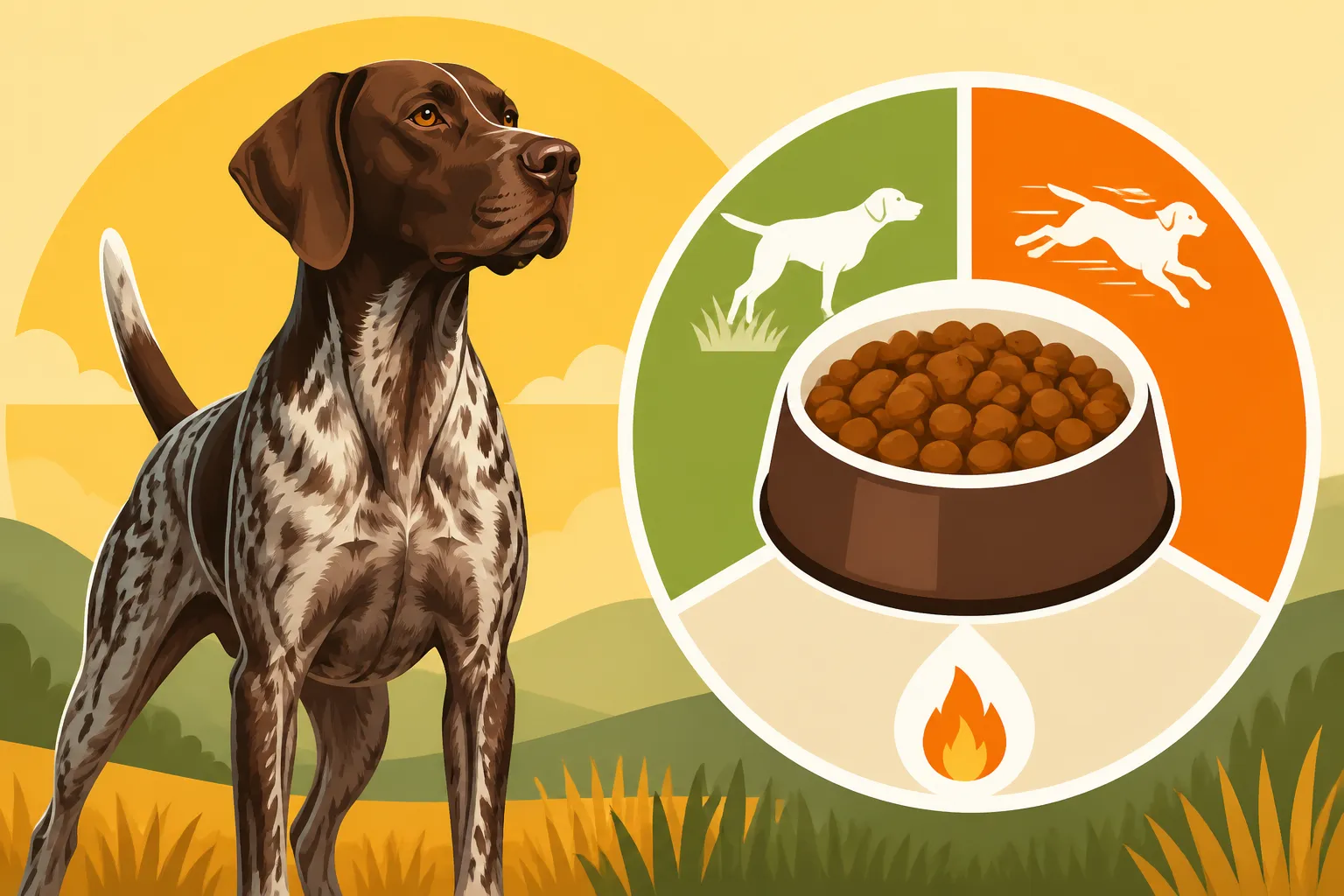
Fat is the powerhouse of a working dog's diet. It's a highly concentrated source of energy, providing more than twice the calories per gram compared to protein or carbohydrates. A diet with 18-25% fat is often recommended for hunting GSPs. This high fat content provides sustained energy, helps maintain a healthy coat, and supports overall stamina. Carbohydrates, while not as critical for immediate energy as fat, still play a role. They provide quick-release energy and replenish glycogen stores in the muscles. Complex carbohydrates like whole grains or sweet potatoes are better choices than simple sugars. The balance is key; you want enough carbs for quick fuel, but enough fat for endurance. Whether a Shorthair Needs More Fat When Hunting delves deeper into this topic.
Commercial Kibble vs. Alternative Diets
Most GSP owners rely on high-quality commercial kibble designed for active or performance dogs. Brands like Eukanuba, Purina Pro Plan Sport, and Royal Canin often offer formulations specifically designed with higher protein and fat content. When selecting commercial kibble, read the labels carefully for guaranteed analysis, ingredient lists, and calorie content per cup. You might find a good option on Chewy or Amazon, where reviews often highlight palatability and how well the food sustains active breeds.
Some owners opt for alternative diets, such as raw or fresh food. Brands like Ollie provide pre-portioned, human-grade fresh food meals which can be excellent for highly active dogs due to their digestibility and nutrient density. However, these diets require careful balancing to ensure all nutritional needs are met, especially during periods of high exertion. Raw diets, if not properly formulated, can lead to nutritional deficiencies or imbalances. If considering an alternative diet, especially for a working dog, consulting with a veterinary nutritionist is highly recommended to ensure it's complete and balanced for your GSP's specific demands. Each approach has its pros and cons, and what works best will depend on your dog, your lifestyle, and your budget.
Supplements: Are They Necessary?
The question of supplements often comes up for owners of working GSPs. If you're feeding a high-quality, nutritionally complete diet designed for performance dogs, many essential nutrients should already be present in adequate amounts. However, certain supplements can offer additional support, especially during intense "in season" work or for older dogs.
Joint supplements, containing ingredients like glucosamine and chondroitin, are popular for active breeds prone to joint stress. While they won't reverse existing damage, they can help support joint health and potentially reduce inflammation, which is a major concern for a hard-running dog. Fish oil, rich in Omega-3 fatty acids, can support skin and coat health, reduce inflammation, and even contribute to cognitive function. Some owners also consider probiotics for gut health, especially if their dog experiences digestive upset from stress or diet changes. Electrolyte supplements can be crucial for replacing minerals lost through sweat and heavy breathing during long hunts, preventing dehydration and muscle cramping. Electrolytes for a German Shorthaired Pointer in the Field provides more insight here. Always discuss any supplement regimen with your veterinarian to ensure it's appropriate for your individual dog and won't interact negatively with other medications or existing health conditions.
Strategic Feeding Schedules for Peak Performance and Health
It’s not just what you feed your GSP, but when and how you feed them that truly matters during their working season. An improperly timed meal can lead to serious health issues, while a well-planned schedule optimizes energy levels and aids recovery.
Timing Meals Around Hunts to Prevent Issues
The golden rule for feeding a GSP before intense activity is: never feed a large meal immediately before a hunt. German Shorthaired Pointers, like many deep-chested breeds, are at a higher risk for Gastric Dilatation-Volvulus (GDV), commonly known as bloat. This life-threatening condition occurs when the stomach fills with gas and twists, cutting off blood supply. Eating a large meal and then immediately exercising greatly increases this risk. The Bloat Risk a Shorthair Carries Into Every Season is a must-read on this topic.
Instead, aim to feed your GSP their main meal at least 3-4 hours before any strenuous activity. This allows for proper digestion before their body is under physical stress. Some owners opt for a very light, easily digestible snack, like a few high-calorie treats or a small portion of kibble, an hour or two before going out, but the bulk of their food should be well-digested. For evening hunts, shift their main meal to earlier in the day. The goal is to ensure they have enough fuel in their system without having a full stomach sloshing around while they're running.
Midday Fuel and Hydration in the Field
On a long hunting day, your GSP will burn through their morning meal faster than you can say "point." Midday refueling and constant hydration are absolutely critical. Don't wait until they look tired to offer a snack or water. Proactive fueling keeps their energy levels stable and prevents bonking.
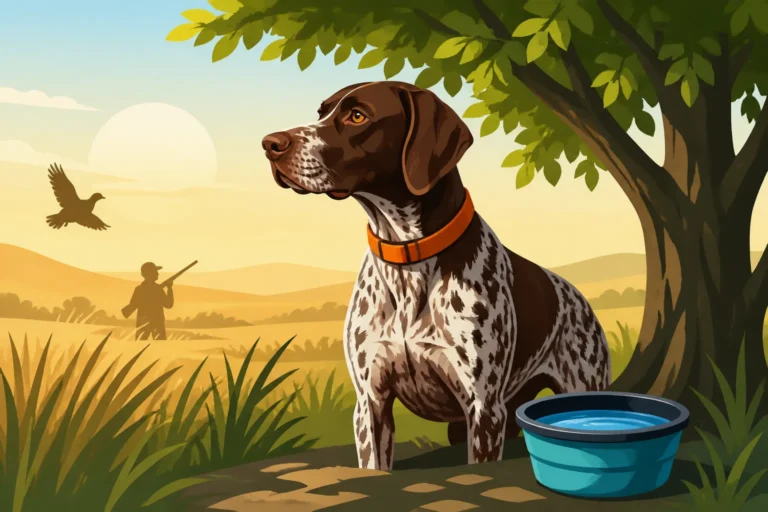
High-calorie, easily digestible snacks are your best friends in the field. These could be small portions of their regular performance kibble, specialized training treats, or even purpose-made high-energy bars for dogs. Offer these during rest breaks, along with plenty of water. Water is often overlooked but is arguably more important than food during a hunt. Dehydration can lead to fatigue, reduced performance, and serious health problems like heat exhaustion. Always carry ample water for your dog and offer it frequently. Even if your dog isn't actively drinking, splashing water on their tongue and gums can help with hydration. Consider a collapsible bowl for easy access. Remember, their bodies are working overtime, and they need continuous replenishment. Watering a German Shorthaired Pointer Through a Long Day offers more tips.
Post-Hunt Recovery Feeding
The post-hunt meal is just as important as the pre-hunt strategy. After hours of intense work, your GSP's muscles are depleted of glycogen, and their body needs to begin the repair process. The first priority after a hunt is rehydration. Offer water freely, but don't let them gulp too much too fast, which can also increase bloat risk. A good rule of thumb is small, frequent offerings of water, perhaps mixed with an electrolyte solution if they are particularly dehydrated or if it was a very hot day.
Once they've rehydrated a bit and settled down, usually an hour or two after returning home, offer their main post-hunt meal. This meal should again be high in protein for muscle repair and fat for calorie replacement. Some owners prefer to slightly moisten the kibble with warm water to make it more palatable and easier to digest. Avoid feeding immediately upon returning, as their body needs time to cool down and for their digestive system to normalize after the stress of the hunt. This recovery meal helps to replenish energy stores, prevent excessive muscle soreness, and prepare them for the next day's adventures.
Monitoring Your GSP's Condition: The Ultimate Feedback Loop
All the calculations and careful planning in the world won't matter if you aren't paying close attention to your individual GSP. Your dog's body condition is the most reliable indicator of whether their caloric intake is meeting their expenditure.
Body Condition Scoring: Beyond the Scale
The scale can tell you your GSP's weight, but it won't tell you their body condition. A lean, muscular GSP might weigh the same as an overweight GSP, but their body composition is vastly different. This is where Body Condition Scoring (BCS) comes in. BCS is a visual and tactile assessment of your dog's fat reserves, typically scored on a 1-5 or 1-9 scale.
For a German Shorthaired Pointer, especially one in active work, you generally want them to be on the lean side of optimal. This usually means a BCS of 4-5 out of 9, or a 2-3 out of 5. You should be able to easily feel their ribs without seeing them protruding sharply. Their waist should be evident when viewed from above, and there should be an obvious abdominal tuck when viewed from the side. A GSP that is too heavy carries unnecessary stress on their joints, and one that is too thin won't have the energy reserves needed for sustained work. Regularly assess your GSP's BCS, running your hands over their ribs, spine, and hips. The Body Condition a Field Shorthair Should Carry emphasizes the importance of maintaining this ideal condition.
Here's a simplified guide to body condition scoring:
| Score (1-5) | Description | Appearance | Feeling |
|---|---|---|---|
| 1 (Emaciated) | Severely underweight | Ribs, spine, hip bones, and all bony prominences visible from a distance. | No discernible fat. Severe muscle loss. |
| 2 (Underweight) | Ribs, spine, and hip bones easily visible. | Minimal fat cover over bones. Noticeable waist and abdominal tuck. | Ribs easily felt, minimal tissue between skin and bone. |
| 3 (Ideal) | Ribs easily felt, not highly visible. | Waist observed behind ribs. Abdominal tuck present. | Ribs felt with slight pressure. Good muscle mass. (Target for a working GSP) |
| 4 (Overweight) | Ribs difficult to feel under moderate fat cover. | Waist barely discernible or absent. Abdominal tuck absent or minimal. | Ribs require firm pressure to feel. Moderate fat deposits. |
| 5 (Obese) | Ribs not palpable under heavy fat cover. | No waist or abdominal tuck. Obvious abdominal distension. | Thick layer of fat over ribs, spine. Extensive fat deposits. |
Signs of Too Few or Too Many Calories
Your GSP will give you clear signals if their caloric intake is off. If they're getting too few calories, especially during their "in season" work, you'll see a noticeable loss of muscle mass and weight. Their ribs might become more prominent, and they might appear "drawn" or gaunt. Beyond physical appearance, their performance will suffer. They might tire easily, lack drive, or show decreased stamina in the field. They could also become more susceptible to illness or injury due to a weakened immune system. A dull coat and lethargy can also be subtle signs.
Conversely, too many calories, especially during the off-season or if they're not working as hard, will lead to weight gain. You'll notice they lose their waist, their ribs become harder to feel, and they might develop fat deposits around their tail base or neck. Overweight GSPs are at a higher risk for joint problems, heart disease, diabetes, and generally have a shorter lifespan. They'll also be less efficient in the field, tiring faster and struggling with agility. If your GSP is gaining weight when they shouldn't, it’s time to reduce their intake or increase their exercise. Whether a Neutered Shorthair Needs Less Food is a good read if you've recently had your GSP spayed or neutered.
When to Consult Your Veterinarian
While you are your GSP's primary caretaker and know them best, there are times when professional veterinary advice is essential. If you're struggling to maintain your dog's weight despite appropriate feeding adjustments, or if they're experiencing rapid, unexplained weight loss or gain, a vet visit is in order. These could be symptoms of underlying health issues, such as thyroid problems, parasites, malabsorption disorders, or even certain cancers. Weight Gain That Points at a Shorthair's Thyroid offers more information on endocrine issues.
If your GSP consistently lacks energy, seems lethargic, or shows signs of chronic digestive upset (vomiting, diarrhea) despite dietary changes, your vet can help diagnose the root cause. They can also provide guidance on specific calorie calculations, recommend appropriate food formulations, and advise on supplements tailored to your dog's individual needs and health status. Don't hesitate to reach out to your vet; they are your best partner in ensuring your hard-working German Shorthaired Pointer remains healthy, happy, and ready for whatever the season brings.
Disclaimer
This article is for general informational purposes only and does not constitute professional advice. Laws, prices and regulations vary by location and change over time. Consult a qualified professional for guidance on your specific situation.