Whether a Shorthair Needs More Fat When Hunting
It’s a common dilemma for German Shorthaired Pointer owners, especially those of us whose dogs live for the field: you’re watching your lean, hard-running companion tear through cover, and a nagging question pops into your mind. Is the food you’re giving them truly enough to fuel that boundless energy? Specifically, does your Shorthair need more fat when they’re out there putting in the work, day after day, week after week? This guide is here to shed light on the unique nutritional demands of a hunting German Shorthaired Pointer and help you understand how to optimize their diet, focusing on the crucial role fat plays in their sustained performance.
Understanding the Fuel Tank: Why Hunting Demands More
Owning a German Shorthaired Pointer means appreciating an athlete, pure and simple. These dogs aren't built for short bursts; they're endurance machines, designed to cover vast expanses of ground, pick up scent, point with intensity, and retrieve tirelessly. This kind of work doesn't just happen on willpower alone; it requires a significant and sustained energy supply that often exceeds what a typical pet dog needs.
The Energetic Grind of a Day Afield
Think about a typical day of hunting. It starts early, often with anticipation buzzing through your dog. Then comes the actual work: mile after mile of running, sometimes at a flat-out sprint, sometimes at a steady lope. They're navigating dense cover, splashing through icy creeks, jumping over logs, and constantly using their incredible nose. Every time they lock onto a scent, their muscles tense, their mind focuses, and their body prepares for the point and retrieve. Then they’re breaking cover to retrieve, swimming through cold water, or making multiple trips to bring back downed birds.
This isn't just one type of exercise; it's a marathon mixed with repeated sprints, intense mental focus, and environmental challenges. Their bodies are constantly burning calories to maintain body temperature, process information, and power their muscles. It’s easy to see why the energy reserves of a German Shorthaired Pointer can be depleted quickly, leading to a noticeable drop in performance by mid-afternoon if not properly fueled. You might find your usually tireless dog starting to lag behind, their retrieves are slower, or their attention wavers. It’s not a lack of desire; it’s often a lack of fuel. For many, figuring out How Many Seasons a German Shorthaired Pointer Hunts is intricately linked to how well they're fueled.
The Metabolism of a German Shorthaired Pointer
German Shorthaired Pointers are, by their very design, lean and athletic. They typically carry minimal excess fat, built for efficiency and speed. Their metabolism is finely tuned for sustained activity, and unlike some other breeds that might carry more insulating fat, the Shorthair relies on efficient energy conversion to maintain its drive. This means their bodies are incredibly good at utilizing stored energy, especially fat, for long periods of work.
Their physiology allows them to tap into fat reserves as a primary fuel source, which is far more efficient for endurance activities than relying solely on carbohydrates. Carbohydrates offer quick energy, but they burn through rapidly. Fat, on the other hand, is a dense, slow-burning fuel that provides a steady release of energy, perfect for the continuous demands of a hunting dog. Understanding The Body Condition a Field Shorthair Should Carry becomes critical here, as a dog too lean might not have sufficient reserves, while one too heavy will be inefficient.
Fat: The Endurance Engine for Your GSP
When we talk about fueling an athlete, whether human or canine, fat is often misunderstood. For a German Shorthaired Pointer putting in serious hours in the field, fat isn't just about weight gain; it's about sustained energy, optimal performance, and quicker recovery.
Why Fat, Not Carbs, Powers Long Hunts
Imagine trying to run a marathon on a sugar rush. You'd crash fast, right? The same principle applies to your hunting Shorthair. While carbohydrates are vital for quick bursts of energy and glycogen replenishment after work, they aren't the primary fuel source for sustained, aerobic activity. When your Shorthair is tirelessly quartering a field for hours, their body is primarily engaging in aerobic metabolism, and for this, fat is king.
Dietary fat provides more than double the energy per gram compared to carbohydrates or protein. This means a smaller volume of food with higher fat content can deliver significantly more calories, without bogging down your dog's digestive system. Fat also slows gastric emptying, which helps maintain stable blood sugar levels and provides a consistent energy release, preventing those mid-day energy dips that can impact performance. This balance of macronutrients is key, and understanding Protein and Fat Ratios for a Hunting German Shorthaired Pointer is a cornerstone of effective feeding for working dogs.
Different Types of Dietary Fats and Their Roles
Not all fats are created equal, and understanding the different types can help you make informed decisions about your Shorthair's diet.
- Saturated Fats: Found primarily in animal products, these fats provide a dense source of energy. While important for calories, moderation is key, as excessive amounts can sometimes contribute to digestive issues or, in sedentary dogs, weight gain. For a high-energy working Shorthair, however, these fats are a valuable fuel source.
- Monounsaturated Fats: Present in foods like olive oil, avocado, and certain nuts. These are generally considered healthy fats and contribute to overall energy and cell health.
- Polyunsaturated Fats (Omega-3 and Omega-6 Fatty Acids): These are essential fatty acids, meaning your dog's body cannot produce them and they must come from their diet.
- Omega-3s (found in fish oil, flaxseed, chia seeds) are crucial for reducing inflammation, supporting joint health, maintaining a healthy coat and skin, and even boosting cognitive function. For a dog that's constantly pounding the ground and encountering various environmental stressors, the anti-inflammatory properties are invaluable. Many owners look to Joint Supplements Worth Giving a Working Shorthair to ensure adequate omega-3 intake.
- Omega-6s (found in vegetable oils, poultry fat) are also essential for skin and coat health, cell growth, and immune function. The key is to have a proper balance between Omega-3 and Omega-6, typically leaning slightly more towards Omega-6 in canine diets, but ensuring enough Omega-3 to counteract inflammation.
By providing a diet rich in a variety of these fats, you're not just giving your Shorthair energy; you're supporting their entire body system for optimal performance and recovery.
Assessing Your Shorthair's Unique Nutritional Needs
While a blanket statement might suggest all hunting Shorthairs need more fat, the reality is a little more nuanced. Each dog is an individual, and their specific needs will vary based on a multitude of factors. It's about finding the right balance for your dog.
Reading Body Condition: The Rib Test
One of the most reliable ways to tell if your Shorthair is getting enough fuel – and specifically enough fat – is by regularly assessing their body condition. This isn't about looking at a number on a scale; it's about feeling their frame.
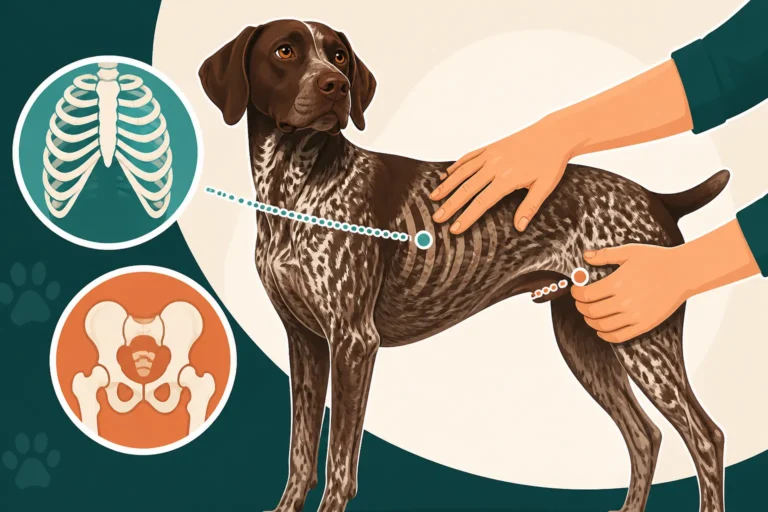
You should be able to easily feel your German Shorthaired Pointer's ribs under a thin layer of fat, but they shouldn't be visibly protruding or sharply defined like a washboard. When viewed from above, your dog should have a distinct waist tucking in behind the ribs. From the side, their abdomen should tuck up nicely. If you can't easily feel their ribs, or they look a bit "square" from above, they might be carrying too much weight, indicating that perhaps the fat content is too high for their activity level, or their overall calories need adjustment. Conversely, if their ribs, hip bones, and vertebrae are prominently visible, and they look gaunt, they're likely not getting enough calories, and boosting fat content during hunting season is probably a good idea. This "rib test" is more descriptive than any chart and guides many owners on Whether You Should See a German Shorthaired Pointer's Ribs. It's a continuous process of observation, especially as the season progresses.
Factors Influencing Fat Requirements Beyond the Hunt
It’s not just about the act of hunting. Several other variables play into how much fat your German Shorthaired Pointer truly needs:
- Intensity and Duration of Hunting: A dog that's out four days a week, running hard for six hours each day in challenging terrain, will naturally burn far more calories and require more fat than a dog that goes out for a leisurely two-hour hunt once a month. The sheer metabolic output is vastly different.
- Environmental Conditions: Hunting in cold, wet weather demands significantly more energy from your dog's body to maintain core temperature. In such conditions, increasing dietary fat is crucial to provide that extra thermogenic fuel. Conversely, hunting in very hot conditions, while still taxing, shifts some of the body's resources towards cooling, and while fat is still important, hydration and preventing heat exhaustion become paramount.
- Individual Metabolism and Age: Just like people, some dogs have naturally higher metabolisms. A young, enthusiastic German Shorthaired Pointer in their prime might burn through calories faster than an older, more seasoned dog. An older dog might also have different metabolic efficiencies. An owner might wonder, "Does my nine-year-old Shorthair need the same fat content as my two-year-old?" The answer is often no, and careful observation is key.
- Recovery Needs: Intense work causes muscle breakdown and requires energy for repair. Adequate fat, along with protein, supports this recovery process, allowing your Shorthair to bounce back faster for the next outing. Ignoring recovery can impact The Age a German Shorthaired Pointer Slows in the Field.
By considering all these factors, you can move beyond a generic recommendation and tailor your Shorthair's diet more precisely.
Strategies for Boosting Dietary Fat Safely
Once you’ve assessed your Shorthair’s body condition and considered their activity level and environmental factors, you might decide that increasing their dietary fat is the way to go. But how do you do it effectively and safely without causing digestive upset or other problems?
Choosing High-Performance Kibble
The easiest and most foundational way to increase dietary fat for a hunting German Shorthaired Pointer is to switch to a high-quality "performance" or "sporting dog" formula kibble. These foods are specifically designed for highly active dogs and typically feature higher protein and fat percentages compared to standard adult maintenance foods.
When you're looking at labels, you'll often see standard adult formulas with fat content ranging from 12-16%. Performance formulas, on the other hand, frequently boast fat percentages in the 18-22% range, sometimes even higher for extremely active dogs. These foods are usually formulated with readily digestible fats and often include added omega fatty acids. It's a crucial step in ensuring Calorie Needs of a German Shorthaired Pointer in Season are met. When selecting, check the ingredient list for identifiable animal fats like chicken fat, beef fat, or salmon oil as primary fat sources. Many owners look to larger pet supply retailers like Chewy or even general online marketplaces like Amazon for a wide selection of these specialized foods. Understanding Whether a Shorthair Needs Performance Kibble Year Round is also important, as you might transition off it in the off-season.
Here's a quick comparison of general kibble types and their fat content:
| Kibble Type | Protein % Range (Typical) | Fat % Range (Typical) | Key Benefit for GSP |
|---|---|---|---|
| Standard Adult | 22-26% | 12-16% | Maintenance for less active dogs |
| Performance/Sporting | 28-32%+ | 18-22%+ | Sustained energy, muscle recovery for active working dogs |
Remember that any diet change, especially to a richer food, should be done gradually over 7-10 days to prevent digestive upset. Start by mixing a small amount of the new food with the old, slowly increasing the proportion of the new food each day. Also, pay attention to The Daily Ration a Working Shorthair Actually Eats – even with a higher fat food, your dog might need more total volume on hunting days.
Incorporating Healthy Fat Supplements and Toppers
Sometimes, even with a performance kibble, your Shorthair might need an extra boost, or you might want to specifically target certain healthy fats. This is where supplements and toppers come in.
- Fish Oil: A fantastic source of Omega-3 fatty acids (EPA and DHA). Adding a daily dose of high-quality fish oil can significantly benefit joint health, reduce inflammation, and improve coat quality. Look for products that are tested for purity and free from heavy metals. You can often find a wide variety of reputable fish oil supplements on Chewy or Amazon.
- Coconut Oil: While it contains medium-chain triglycerides (MCTs) that some studies suggest can provide a readily available energy source and offer cognitive benefits, it should be used in moderation. Too much can cause digestive upset. A small teaspoon mixed with food a few times a week can be a nice addition for some dogs.
- Lean Meats/Trimmings: For an extra calorie boost, you can add small amounts of cooked, lean meats like boiled chicken or beef trimmings to their regular meal. These can also be sources of healthy fats, but ensure they are unseasoned and cooked thoroughly.
Always introduce any new supplement or food topper slowly, starting with a very small amount and gradually increasing to the recommended dosage. This gives your dog's digestive system time to adjust.
Considering Fresh Food Options
For some owners, particularly those who are deeply invested in their dog's athletic performance and overall health, fresh food diets offer a highly customizable approach. These diets, whether home-prepared (with veterinary nutritional guidance!) or commercially prepared fresh options, allow for precise control over macronutrient ratios, including fat.
Services like Ollie, for example, offer pre-portioned, human-grade fresh food that can be tailored to your dog's specific needs, activity level, and even body condition goals. While often a more significant investment, the ability to fine-tune the fat and protein content to match your Shorthair's exact energy output can be appealing. This approach allows for adjustments not just by season, but sometimes even by week, depending on the intensity of work your dog is doing. However, it's essential to understand What Raw Feeding a German Shorthaired Pointer Costs and if it aligns with your budget and lifestyle. For those considering home-cooked meals, professional veterinary consultation is absolutely non-negotiable to ensure complete and balanced nutrition, as deficiencies can have serious long-term consequences.
Common Missteps and Monitoring Progress
Changing your Shorthair's diet, especially for performance, isn't a "set it and forget it" task. It requires careful observation, regular assessment, and a willingness to adjust. Rushing changes or not paying attention to your dog's response can lead to problems.
Avoiding Over-Supplementation and Imbalance
While it's tempting to think "more is better" when trying to fuel a high-energy dog, this isn't the case with dietary fat. Too much fat, especially saturated fat, can lead to several issues:
- Pancreatitis: A serious and painful inflammation of the pancreas, often triggered by a sudden influx of high-fat food. This is why gradual diet changes are so critical.
- Obesity: If you maintain a high-fat, high-calorie diet during the off-season or when your dog's activity level drops significantly, they can quickly gain excess weight. An overweight Shorthair is not only less efficient in the field but also at higher risk for joint issues and other health problems. Slimming a Pet Shorthair That Has Gone Soft is a challenge no one wants to face.
- Nutrient Imbalance: Adding too much of one macronutrient (fat) without balancing others can throw off the overall nutritional profile of the diet, potentially leading to deficiencies or excesses of other essential vitamins and minerals. For instance, too much supplemental calcium could be detrimental if not balanced properly with phosphorus.
Always stick to recommended dosages for supplements and make dietary changes thoughtfully, considering the whole picture of your dog's health and activity.
Watching for Digestive Upset and Other Signs
Your Shorthair's body will tell you if their diet isn't quite right. Keep a close eye on their stools. Loose Stools in a German Shorthaired Pointer can be a direct indicator that a new food or supplement is too rich, or that the change was too sudden. Other signs of digestive upset include vomiting, decreased appetite, or excessive gas.
Beyond digestion, monitor their overall energy levels, coat quality, and enthusiasm for work. If your Shorthair is still lacking stamina, appears dull, or their coat looks dry and flaky despite dietary changes, it might indicate that the adjustments aren't quite right, or there could be an underlying health issue. Conversely, if they're maintaining their ideal body condition, performing strongly, recovering well, and have a gleaming coat, you're likely on the right track. It's a journey of continuous adjustment, and Weighing a German Shorthaired Pointer Through the Season can help you track those subtle changes.
Partnering with Your Vet for Optimal Health
No matter how much research you do or how well you know your dog, your veterinarian is your most valuable partner in ensuring your German Shorthaired Pointer's optimal health and performance. Before making significant dietary changes, especially for a working dog, it's always wise to consult with your vet.
They can offer guidance tailored to your dog's age, health history, and specific activity levels. They can also help rule out any underlying medical conditions that might be impacting your dog's energy or body condition. Your vet might recommend specific blood tests to check for nutrient deficiencies or to assess organ function, especially if your dog is older or has a history of health issues. They can also help you understand how often your dog should be checked, leading to The Vet Schedule a Working Shorthair Should Keep. Think of your vet as a coach for your dog's overall well-being, helping you fine-tune their diet for peak performance throughout the hunting season and beyond.
Disclaimer
This article is for general informational purposes only and does not constitute professional advice. Laws, prices and regulations vary by location and change over time. Consult a qualified professional for guidance on your specific situation.