Drying a Shorthair’s Ears After Every Swim
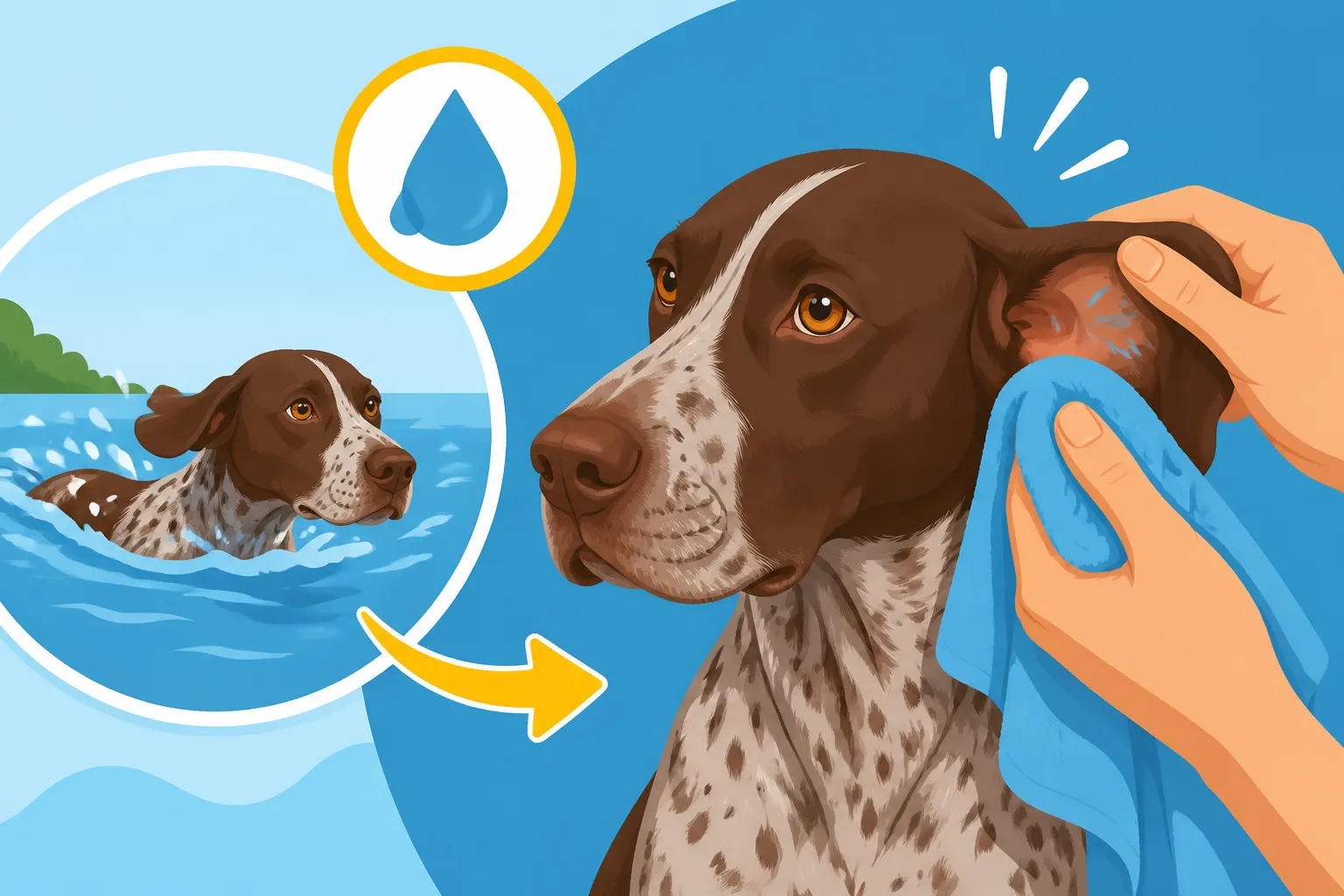
It's a familiar scene for any German Shorthaired Pointer owner: your energetic companion, having just burst out of a pond or stream, shaking off water with joyful abandon, oblivious to the fact that those very splashes are laying the groundwork for a potential ear infection. The reality is, while GSPs absolutely adore water and their athleticism makes them fantastic swimmers, their ear anatomy leaves them particularly vulnerable to moisture-related issues. This guide is dedicated to helping you understand why your Shorthair's ears are so susceptible, and more importantly, how to meticulously dry them after every single swim, keeping those common, painful ear infections at bay.
The Anatomy of a German Shorthaired Pointer's Ear: Why They're Prone to Moisture Problems
German Shorthaired Pointers are, by design, versatile hunting dogs. They're built for land and water, with a sleek, water-resistant coat that helps them shed moisture quickly. However, one area where this design can actually work against them, especially in our modern world of ponds and dog parks, is their ears. Understanding the unique structure of their ears is the first step in appreciating why diligent drying isn't just a suggestion—it's a necessity.
The Shorthair's Pendulous Ear Flap
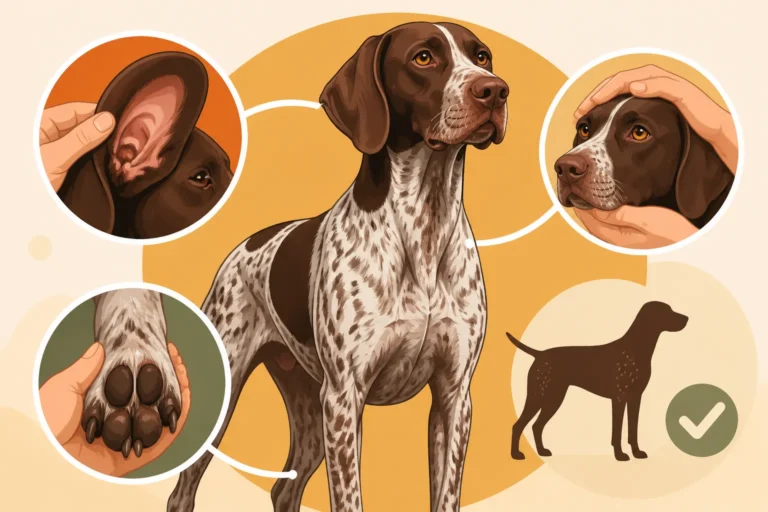
Unlike breeds with pricked, upright ears, German Shorthaired Pointers possess those wonderfully soft, floppy ear flaps that hang down. While they're beautiful and give them that classic GSP expression, they also create a perfect little microclimate underneath. These pendulous ears effectively seal off the ear canal from the outside air, trapping warmth and, crucially, moisture. Imagine trying to air-dry a damp towel in a sealed plastic bag; it's a slow, often ineffective process. The same principle applies here. When your Shorthair takes a dip, water easily gets into the canal, and then that floppy ear acts like a lid, holding it all in. This lack of airflow means the water lingers, creating an environment ripe for trouble.
This trapped moisture doesn't just sit there innocently. It creates a humid, warm, and dark sanctuary that is absolutely ideal for the proliferation of opportunistic microorganisms. Bacteria and yeast, naturally present on the skin and in the ear canal at low levels, thrive in such conditions. What might be a harmless population on dry, well-ventilated skin quickly escalates to an overgrowth when moisture is introduced and contained. It's a prime example of how a seemingly minor anatomical feature can have significant health implications, turning a fun swim into a veterinary visit if not properly managed.
The Canal's Unique Structure and Ventilation Challenges
Beyond the ear flap itself, the internal structure of a German Shorthaired Pointer's ear canal adds another layer to their susceptibility. Their ear canals aren't straight tubes; they have a distinct "L" shape. There's a vertical canal that runs downwards, and then it makes a sharp turn into a horizontal canal leading to the eardrum. This bend is incredibly effective at preventing foreign objects from reaching the delicate eardrum, which is great for a dog that charges through heavy cover. However, it's also a fantastic design for trapping water. Once water makes it past the entrance, gravity and that sharp bend conspire to keep it deep within the ear.
The problem with this L-shaped canal is twofold. First, it makes it incredibly difficult for trapped water to naturally drain out. A dog shaking its head might get some surface water out, but the deeper liquid often remains stubbornly in place. Second, this deep, convoluted structure is hard to access for cleaning and drying. You can't just wipe it out with a cloth, and even vigorous shaking won't always dislodge everything. This combination of a sealed external environment and a deeply trapping internal structure makes thorough post-swim ear care not just a good idea, but an absolute critical part of owning a water-loving German Shorthaired Pointer. Without proactive measures, it's almost a certainty that you'll be dealing with ear problems sooner rather than later. For more information on preventative measures, consider reading What Collects in a Shorthair's Folded Ear.
The Hidden Dangers of Leaving Wet Ears Undried
It might seem like a minor oversight—a few drops of water in your GSP's ears after a fun afternoon retrieving from the local pond. But the truth is, neglecting to properly dry those ears can quickly lead to a cascade of problems, ranging from uncomfortable irritation to serious, chronic health issues. It's a slippery slope that many devoted Shorthair owners unfortunately experience firsthand.
The Perfect Breeding Ground for Bacteria and Yeast
As we've discussed, those warm, dark, moist conditions created by a wet, floppy ear are the ultimate party invitation for microorganisms. The typical culprits are bacteria, particularly Staphylococcus and Pseudomonas, and yeast, most commonly Malassezia pachydermatis. These organisms are usually present in small numbers on a dog's skin and in their ear canals without causing any fuss. They live in harmony with the host, kept in check by a healthy immune system and balanced environment.
However, introduce persistent moisture, and that delicate balance is completely thrown off. The warmth and humidity allow these organisms to multiply exponentially. What was once a sparse population quickly becomes a dense colony, overwhelming the ear's natural defenses. The skin inside the ear canal becomes inflamed, irritated, and itchy, leading your GSP to scratch, rub, and shake their head in an attempt to alleviate the discomfort. This self-trauma only worsens the situation, potentially breaking the skin and introducing even more bacteria, creating a vicious cycle that's hard to break once it starts. This is how a simple swim can easily pave the way for a full-blown infection.
The Progression from Irritation to Full-Blown Infection
An ear that is simply damp and a little irritated is one thing; a full-blown ear infection (otitis externa) is another entirely, and it's a painful, frustrating experience for both dog and owner. Once bacteria or yeast take hold and start multiplying, the ear canal begins to react. You'll often notice a distinct odor—a sweet, musty smell for yeast, or a more pungent, almost cheesy odor for bacterial infections. The ear canal itself will become red and swollen, and you might see a discharge, which can range from yellowish to dark brown and waxy, depending on the type of infection.
Your Shorthair will almost certainly let you know they're uncomfortable. Head shaking becomes more frequent and vigorous, sometimes accompanied by a yelp. They might paw at their ear constantly, rub their head along furniture or the ground, or hold one ear lower than the other. Touching the ear might elicit a painful reaction. If the infection is allowed to progress, the swelling can become so severe that it narrows the ear canal, making it even harder for air to circulate and medication to penetrate. This makes treatment more challenging and can lead to recurring issues. It's a situation that screams for immediate attention, and often, professional veterinary care is the only way to get it under control. Learning to recognize the early signs is crucial; you might find some useful insights in The Smell That Means a Shorthair's Ear Is Infected.
Chronic Issues and Potential Hearing Loss
The real danger of repeated, untreated, or poorly managed ear infections is the development of chronic otitis. This is when the ear canal undergoes permanent changes due to persistent inflammation. The skin lining the canal can thicken and calcify, leading to a condition known as stenosis, where the canal effectively narrows to a tiny slit. This not only makes the ear constantly uncomfortable for your dog but also makes it nearly impossible to clean or medicate effectively without surgical intervention. Furthermore, chronic inflammation can damage the delicate structures of the middle and inner ear, potentially leading to partial or even complete hearing loss in the affected ear.
Beyond the physical discomfort and potential hearing impairment, chronic ear infections can be a huge source of stress and expense for owners. The visits to the vet, the ongoing medications, the specialized cleanings, and in some severe cases, the need for a Total Ear Canal Ablation (TECA) surgery, which is invasive and costly, can really take a toll. This is why a simple, consistent habit of Drying a Shorthair's Ears After Every Swim isn't just about preventing immediate discomfort, it's about safeguarding your German Shorthaired Pointer's long-term health, happiness, and your peace of mind. Investing a few minutes after each water adventure can save you countless hours and dollars down the line.
Your Essential Toolkit for Post-Swim Ear Care
Taking your German Shorthaired Pointer for a swim should be a joyous occasion, not a source of dread about impending ear problems. The good news is that with the right tools and a consistent routine, you can significantly reduce the risk of ear infections. Having your ear care kit ready to go immediately after your GSP emerges from the water makes the process much smoother and more effective.
Gentle Absorbent Materials
The first line of defense against wet ears is simple absorption. You need materials that are soft, non-abrasive, and highly absorbent to gently wick away moisture from the outer ear and the most accessible parts of the ear canal. Cotton balls or large cotton pads are excellent choices. They're soft enough not to irritate the delicate skin inside the ear, and their fibrous nature allows them to soak up a surprising amount of water. Just be sure to use plain cotton, not those with added lotions or perfumes that could cause irritation.
Another fantastic option is a soft, microfiber cloth or even a clean, old washcloth that you dedicate solely to ear care. These materials are often more efficient at drying and can be washed and reused, making them an environmentally friendly choice. When using any absorbent material, the key is gentleness. Never force anything deep into your dog's ear canal, as this can push debris further in or even damage the eardrum. Your goal is simply to blot and wipe away visible moisture from the outer folds and the entrance to the canal. Having a designated supply means you're never scrambling for a solution when your water-loving Shorthair comes trotting out of the lake, dripping wet and ready for a good shake.
Ear Cleaning Solutions: What to Look For
While absorbent materials handle the initial drying, an appropriate ear cleaning solution is crucial for getting deeper into the canal to help evaporate residual moisture and create a less hospitable environment for pathogens. Not just any solution will do; you need one specifically formulated for dogs, ideally an ear drying solution or an antiseptic cleaner with drying properties.
Look for solutions that contain ingredients like witch hazel, salicylic acid, or boric acid, which have astringent and antiseptic qualities. Some solutions also include gentle drying agents like isopropyl alcohol, but these should be used with caution, especially if your dog's ears are already red or irritated, as alcohol can sting. Brands like Zymox, Epi-Otic, or Virbac offer excellent options, often readily available at your local pet store or through online retailers like Chewy or Amazon. Avoid anything with hydrogen peroxide or rubbing alcohol not specifically formulated for ears, as these can be too harsh or irritating. The best ear cleaners will help break down wax, neutralize odors, and promote a dry, healthy ear canal environment. If your GSP is prone to recurring ear infections, your vet might even recommend a medicated ear cleaner designed to target specific bacteria or yeast. Always consult with your veterinarian if you're unsure which solution is best for your particular dog, especially if they have sensitive ears or a history of infections. For more on preventing these issues, check out A Shorthair's Ear Infection That Returns Every Duck Season.
Considering Specialty Drying Aids
Beyond cotton and liquid solutions, there are a few other tools that can be incredibly helpful for keeping your German Shorthaired Pointer's ears pristine, especially if they are frequent swimmers or prone to stubborn moisture. One such aid is ear powder, which can absorb moisture and help keep the ear canal dry. These powders often contain ingredients like zinc oxide or boric acid. They are generally applied after cleaning and drying with a liquid solution, acting as a final protective layer. However, be cautious not to over-apply, as too much powder can clump and create its own issues in the ear canal. Your vet can advise if ear powder is a good fit for your GSP. You can often find a variety of ear powders and cleaning wipes on Amazon, giving you plenty of options to explore.
Another lesser-known but effective specialty item is a dog ear dryer, which typically uses a gentle, warm airflow (much like a human hair dryer on a cool setting, but specifically designed for pets) to help dry the ear canal after swimming or bathing. These devices are fantastic for breeds like GSPs with floppy ears, as they can reach deeper into the canal than a cotton ball ever could, helping to evaporate trapped moisture safely. Always ensure the air is cool or barely warm, and never too hot, to avoid burning the delicate skin. Introducing this tool slowly and positively with treats will make it a less stressful experience for your dog. For more general advice on water activities, consider Whether a Shorthair Needs a Vest to Retrieve in Cold Water.
Step-by-Step Guide to Effectively Drying Your Shorthair's Ears
Drying your German Shorthaired Pointer's ears isn't a race; it's a careful, methodical process that requires patience and consistency. Making it a positive experience for your dog from the get-go will pay dividends, transforming a necessary chore into a routine they tolerate, or even enjoy. The key is to be gentle, thorough, and unwavering in your commitment to ear health.
The Immediate Post-Swim Protocol
The moment your German Shorthaired Pointer emerges from the water, the clock starts ticking. The sooner you can begin the drying process, the less chance moisture has to settle in and cause problems. Have your ear care kit — cotton balls or pads, ear drying solution, and treats — waiting nearby.
Start by gently folding back your Shorthair's ear flap, exposing the outer ear and the entrance to the ear canal. Take a clean, dry cotton ball or pad and carefully blot away any visible water from the inner surface of the ear flap and around the opening of the ear canal. Don't dig or poke; just gently press and wipe. You might go through several cotton balls for each ear, especially if your GSP has been swimming vigorously. The goal here is to get rid of the easily accessible surface moisture before it can migrate deeper. Next, if you're using an ear drying solution, gently lift the ear flap, squeeze the recommended amount of solution into the ear canal, and massage the base of the ear firmly for about 30 seconds. You should hear a squishing sound, which indicates the solution is moving through the canal. This massage helps the solution penetrate and dislodge any water or debris that's deeper in the L-shaped canal. After massaging, allow your dog to shake their head. This natural action helps to expel the solution and any loosened gunk. Be prepared for a spray of liquid, so it's a good idea to do this outdoors or in an easily cleanable area. For general post-activity checks, you might find Checking a German Shorthaired Pointer Over After a Hunt helpful.
Gentle Cleaning and Drying Techniques
Once your dog has had a good shake, it's time for the final drying and cleaning step. Take a fresh, dry cotton ball or pad and gently wipe away any remaining solution and debris from the outer ear and the visible part of the ear canal. Again, resist the urge to insert the cotton too deeply. You're simply clearing away what has been brought to the surface. Observe the cotton: is it dirty, waxy, or damp? If so, continue with fresh cotton until it comes out clean and dry. This step might need to be repeated a few times, particularly if your Shorthair enjoys swimming regularly in ponds or lakes. The goal is to leave the ear canal as dry and clean as possible without causing irritation.
For dogs with particularly hairy ear canals (though GSPs typically have fairly sparse hair there), some owners use grooming clippers with a fine blade to carefully trim the hair from around the entrance of the canal, never inside, to improve airflow. However, this is a delicate procedure and best done by a professional groomer or veterinarian to avoid injury. Focus on consistently and gently drying the visible areas, ensuring no pooling water remains on the ear flap or in the upper canal. Consistency in these techniques is far more important than aggressive cleaning.
Making it a Positive Experience for Your Dog
Nobody wants their dog to dread ear cleaning. German Shorthaired Pointers are intelligent and sensitive, and a negative experience can make future sessions a battle. Start by introducing the ear care routine in a calm environment, perhaps after a stimulating walk but before their next meal. Associate the process with positive reinforcement from the very beginning.
Keep a stash of high-value treats handy. As you lift their ear flap, offer a treat. When you blot with cotton, another treat. After applying the solution and massaging, reward them generously. If they shake their head, praise them and give another treat. The idea is to build a positive association: "Ear time equals delicious treats!" Keep your voice soft and reassuring. If your GSP shows signs of stress or discomfort, take a break. Don't force it. Short, frequent sessions are better than long, wrestling matches. Gradually, as they become accustomed to the routine and associate it with pleasant outcomes, the process will become easier for both of you. A calm, compliant dog makes thorough ear care much more achievable, setting them up for a lifetime of healthy, happy ears. For a deeper dive into ear maintenance, see Whether Weekly Ear Cleaning Is Enough for a Shorthair.
Recognizing and Addressing Ear Infections Promptly
Even with the most meticulous drying routine, sometimes an ear infection can still sneak in. Perhaps your Shorthair had a particularly long swim, or maybe their immune system was a little run down. The important thing is to catch the signs early so you can address the problem before it escalates into something more serious and painful. German Shorthaired Pointers are stoic by nature, especially working lines, so sometimes the signs can be subtle at first.
Key Signs of an Impending or Active Infection
Being attuned to your GSP's normal behavior is your best defense against missing the early warnings of an ear infection. The earliest signs often involve changes in their ear hygiene or comfort level. You might notice an increase in head shaking, beyond the usual post-swim water-clearing. They might start rubbing their ears against furniture, the carpet, or even your leg. Pawing at an ear is a strong indicator of discomfort. Sometimes, the ear flap itself might feel warmer to the touch than the other ear or look slightly redder.
As the infection takes hold, more pronounced signs will appear. You'll likely detect an unpleasant odor emanating from the ear – it can be yeasty, sweet, or quite pungent, depending on the type of infection. When you lift the ear flap, you might see redness, swelling, or even discharge. The discharge can vary: it could be dark brown and waxy (often indicative of yeast), yellowish and pus-like (bacterial), or a combination. Your dog might cry out or pull away when you try to touch the affected ear, indicating pain. In more severe cases, your GSP might hold their head tilted to one side, or even lose their balance, though this is less common with outer ear infections. Any of these signs warrant immediate attention, as things can deteriorate rapidly.
When to Seek Veterinary Intervention
While careful drying and preventive cleaning are crucial, they are not substitutes for professional medical attention if an infection takes hold. If you notice any of the signs mentioned above, especially discharge, strong odor, redness, swelling, or clear pain responses, it's time to call your veterinarian. Do not attempt to self-diagnose or treat a suspected ear infection with home remedies or old medications. Misdiagnosing the type of infection (bacterial vs. yeast) can lead to using the wrong medication, which can worsen the problem or delay effective treatment. Moreover, some underlying issues, like ear mites or foreign bodies (such as a grass awn which can migrate deep into the ear), require specific veterinary intervention.
Your vet will likely perform an otoscopic examination, looking deep into the ear canal with a specialized instrument to assess the severity, check for foreign bodies, and ensure the eardrum is intact. They might also take a swab of the discharge for cytology (looking at cells under a microscope) or culture to identify the specific type of bacteria or yeast present. This allows them to prescribe the most effective medication, which often includes topical ear drops containing antibiotics, antifungals, and/or steroids to reduce inflammation. In some cases, oral medications may also be necessary. Early veterinary intervention is key to a faster recovery and preventing chronic ear problems. If you've ever dealt with Ear Infections in a Shorthair That Swims, you know how persistent they can be without proper medical care.
Preventing Recurrent Infections in Water-Loving Shorthairs
For German Shorthaired Pointers who seem to get ear infections repeatedly, prevention becomes an ongoing strategy. Beyond diligent drying after every single water exposure (and remember, this includes rain!), you might need to explore other avenues with your vet. Sometimes, recurring ear infections are linked to underlying allergies, either environmental (like pollen or dust mites) or food-related. These allergies can cause inflammation throughout the body, including the ears, making them more susceptible to secondary infections. Your vet might suggest allergy testing or a food elimination trial to identify and manage these triggers. Dietary changes, possibly with specialized foods or supplements, can sometimes make a difference. For insights into general health and vet visits, you might find The Vet Schedule a Working Shorthair Should Keep valuable.
Another consideration for dogs with chronic infections is the possibility of anatomical abnormalities that trap debris or wax, or even polyps or tumors within the ear canal. Regular veterinary check-ups allow for routine examination and early detection of these issues. For some Shorthairs, a maintenance cleaning schedule with a vet-prescribed ear cleaner, even when no active infection is present, can help keep the ear canal healthy. Consistency is truly the name of the game. A dog that is frequently in water, like many GSPs with The Water Resistant Coat a Shorthair Carries, requires an owner who is equally diligent in their preventive ear care.
Beyond the Swim: Comprehensive Ear Health for Your GSP
While post-swim drying is undeniably critical for German Shorthaired Pointers, it's just one piece of the puzzle when it comes to long-term ear health. A truly comprehensive approach involves routine inspections, understanding how diet and allergies play a role, and adopting a holistic strategy that keeps those ears healthy and happy for a lifetime.
Routine Inspections and Maintenance
Think of routine ear inspections as your first line of defense, a chance to catch potential problems before they escalate. Make it a habit to check your German Shorthaired Pointer's ears several times a week, not just after a swim. Gently lift the ear flap and visually inspect the inner surface. Does the skin look pink and healthy, or is it red, swollen, or greasy? Is there any noticeable discharge? Is there an odor? A healthy ear should be relatively clean, pale pink, and have minimal odor. While some light brown, waxy buildup is normal, excessive dark brown or yellow wax could indicate an issue.
Beyond visual checks, gently feel the base of your GSP's ear. Is it warm? Does your dog react negatively when you touch it? Any signs of pain, heat, or discomfort warrant a closer look. Incorporate a gentle, weekly wipe-down of the outer ear with a clean cotton ball or a pet-specific ear wipe. This helps remove superficial debris and keeps the entrance to the canal clean. Remember, the goal of maintenance is to prevent problems, not to aggressively clean an already irritated ear. Regular, positive interactions during these checks will make your dog more accepting of the process and allow you to quickly spot any changes. Sometimes, a quick rinse with plain water after dirty pond water, as discussed in Rinsing a German Shorthaired Pointer After Pond Water, can also be beneficial before thorough drying.
Diet and Allergy Management's Role in Ear Health
It might seem counterintuitive, but your German Shorthaired Pointer's diet and overall allergic tendencies can significantly impact their ear health. Many dogs with recurrent ear infections actually have an underlying allergy. When a dog has an allergic reaction, their immune system goes into overdrive, leading to inflammation throughout the body, and the ears are a common target. This inflammation changes the microenvironment of the ear canal, making it more hospitable for bacteria and yeast to multiply, even with diligent cleaning.
If your GSP suffers from chronic ear infections, talk to your vet about exploring possible allergies. This could involve a food elimination trial, where your dog is fed a novel protein or hydrolyzed protein diet for several weeks to see if symptoms improve. Sometimes, environmental allergies (to pollen, dust mites, grass) are the culprit. Managing these allergies, whether through diet, medication, or environmental controls, can dramatically reduce the frequency and severity of ear infections. High-quality nutrition, with balanced ingredients, also supports a strong immune system overall, which is vital for fighting off opportunistic infections. While Ollie might be known for its fresh food delivery, the principle holds true: feeding a diet that supports overall health can indirectly improve ear health by boosting the immune system and reducing inflammatory responses.
Long-Term Strategies for a Lifetime of Healthy Ears
Cultivating a lifetime of healthy ears for your German Shorthaired Pointer means committing to a proactive, holistic approach. Beyond daily or weekly specific ear care, it means being mindful of their activities and general well-being. If your GSP is a frequent swimmer, make the post-swim ear drying as ingrained as their feeding schedule. Consider using preventive ear drops before and after swimming, especially if your vet has recommended them. These often contain mild acidifying agents that create an environment less favorable for bacterial and yeast growth. Whether Ear Powder Helps a Swimming Shorthair is a good point to consider here.
Ensure your GSP's overall health is in top condition. Regular vet check-ups, appropriate vaccinations, parasite control, and a healthy weight all contribute to a robust immune system capable of warding off infections. Be vigilant during allergy seasons if your dog has known sensitivities. Pay attention to other signs of discomfort, like frequent scratching of the face or body, as these could signal an underlying issue manifesting in multiple areas, including the ears. Teach your Shorthair to tolerate ear examinations and cleaning from a young age, turning it into a non-stressful part of their routine. By combining diligent physical care with an awareness of their broader health, you're not just drying ears; you're investing in your German Shorthaired Pointer's comfort, hearing, and quality of life for years to come.
Choosing the Right Ear Care Products
With so many products on the market, it can feel overwhelming to choose the right ones for your German Shorthaired Pointer's ear health. The best approach is always to consult with your veterinarian, especially if your dog has a history of ear issues or sensitive skin. However, understanding the general categories and common ingredients can help you make informed decisions.
| Product Type | Key Ingredients/Benefits | When to Use | Considerations |
|---|---|---|---|
| Drying Solutions | Witch hazel, boric acid, isopropyl alcohol (mild), salicylic acid | After swimming, bathing, or heavy rain to remove moisture | Avoid alcohol if ears are already irritated; always use vet-approved formulas. |
| Cleaning Solutions | Antiseptic agents (chlorhexidine), ceruminolytics (to break down wax) | Weekly/bi-weekly for routine maintenance; when ears appear dirty or waxy | Choose solutions with good antimicrobial action; avoid over-cleaning, which can irritate. |
| Ear Wipes | Mild cleaning agents, aloe vera, witch hazel | For quick daily clean-ups of outer ear and folds; convenient for travel | Not for deep cleaning; ensure they are alcohol-free and fragrance-free to prevent irritation. |
| Ear Powders | Zinc oxide, boric acid | After cleaning/drying for additional moisture absorption | Use sparingly; can clump if applied too heavily or in already wet ears; check with vet if suitable for your dog. |
| Medicated Drops/Wipes | Antibiotics, antifungals, steroids (prescription only) | Only under veterinary guidance for active infections | Improper use can lead to resistance or worsen infections; always follow vet's instructions precisely. |
Remember, the goal is to support your German Shorthaired Pointer's natural ear health, not to aggressively intervene without cause. Always introduce new products gradually and monitor your dog for any adverse reactions. If you're unsure, a quick call or visit to your vet is always the best course of action.
Disclaimer
This article is for general informational purposes only and does not constitute professional advice. Laws, prices and regulations vary by location and change over time. Consult a qualified professional for guidance on your specific situation.