Whether a Shorthair Needs Grain in Its Diet
It’s an age-old question in the modern dog world, and one that German Shorthaired Pointer owners often grapple with: does my athletic, high-energy companion actually need grains in their diet? With so much conflicting information out there, from enthusiastic social media posts to stern warnings from veterinarians, it’s easy to feel overwhelmed when trying to make the best dietary choices for your beloved Shorthair. This guide will cut through the noise, helping you understand the real nutritional science behind grains, the concerns that have arisen, and how to confidently choose a diet that keeps your GSP thriving.
The German Shorthaired Pointer's Unique Dietary Needs
Our German Shorthaired Pointers are incredible athletes, built for endurance, speed, and intelligence in the field. This isn't a breed that loafs around; they are designed to work, and their nutritional requirements reflect that intense energy output. Understanding these fundamental needs is the first step in deciding whether a grain-inclusive or grain-free diet is right for your dog.
Fueling an Energetic Athlete
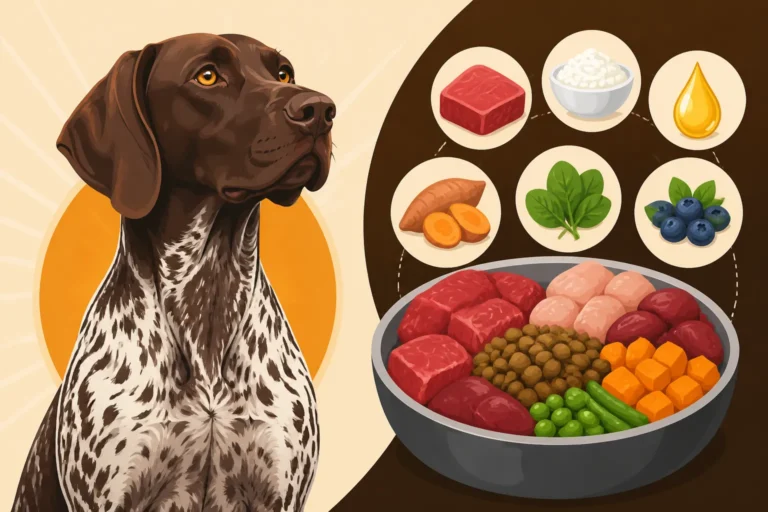
Think about your Shorthair after a long day in the field, or even just after a vigorous run at the park. They burn through calories at an astonishing rate. Their diet needs to provide a consistent, high-quality energy source to support their lean muscle mass, keen senses, and boundless enthusiasm. This isn't just about protein; it's about a balanced intake of protein, fats, and carbohydrates.
Protein is crucial for muscle repair and growth, and quality animal protein sources should always be at the top of the ingredient list for any GSP food. Fats provide concentrated energy and are vital for healthy skin and coat, as well as nutrient absorption. Carbohydrates, often found in grains, provide readily available glucose for energy, helping sustain those long bursts of activity without quickly depleting reserves. A working GSP needs Protein and Fat Ratios for a Hunting German Shorthaired Pointer carefully considered in their diet to truly perform.
Ancestral Diet vs. Modern Kibble
The concept of an "ancestral diet" often comes up in discussions about grain-free foods. The idea is that dogs, being descended from wolves, are naturally carnivorous and thus shouldn't eat grains. While it's true that wolves primarily eat meat, the domestic dog has evolved significantly over thousands of years living alongside humans. This co-evolution has led to genetic changes that allow dogs to digest starches and carbohydrates much more efficiently than their wild ancestors.
Modern kibble, whether grain-inclusive or grain-free, is a far cry from a wolf's diet of freshly killed prey. Our goal today isn't to replicate a wild wolf's diet perfectly, but to provide a nutritionally complete and balanced diet that meets the specific needs of a highly active domestic dog like a German Shorthaired Pointer. This means carefully formulated foods that consider digestibility, nutrient absorption, and long-term health, which can absolutely include grains.
Deciphering the Grain-Free Debate for Your Shorthair
The rise of grain-free diets was initially driven by good intentions and compelling marketing, but it quickly became a complex issue with significant health implications that every GSP owner needs to understand.
The Popularity of Grain-Free Diets
For years, grain-free dog food was marketed as a superior choice, often pitched with the idea that grains were common allergens for dogs or simply "fillers" with little nutritional value. Many owners, eager to do the best for their furry family members, jumped on board. They believed they were providing a more natural, healthier diet, especially if their dog had sensitive digestion or skin issues. It seemed logical: remove the "unnecessary" ingredients, and surely the dog would be better off.
This trend saw a huge shift in the pet food industry, with nearly every major brand and countless smaller, "boutique" brands offering grain-free options. Owners would see improved coat shine or fewer digestive upsets and attribute it to the lack of grains, rather than other dietary changes or a higher quality overall formulation. The assumption took root that grain-free was simply better for all dogs, including robust breeds like the German Shorthaired Pointer.
The DCM Concern and Ingredient Links
Then came the alarm bells. Around 2018, the FDA began investigating a potential link between certain grain-free, boutique, or exotic ingredient dog foods and an increased risk of Dilated Cardiomyopathy (DCM) in dogs. DCM is a serious and often fatal heart condition where the heart muscle weakens and becomes enlarged, losing its ability to pump blood effectively. While some breeds, like Doberman Pinschers and Boxers, have a genetic predisposition to DCM, it was cropping up in breeds not typically affected, including German Shorthaired Pointers.
The key ingredients under scrutiny weren't the lack of grains themselves, but the high inclusion of "peas, lentils, other legume seeds, and/or potatoes" as primary carbohydrate sources, often appearing high on the ingredient list. These ingredients, while not inherently bad, were replacing traditional grains. Research is ongoing, but one leading theory suggests these ingredients might interfere with the absorption or synthesis of taurine, an amino acid crucial for heart health, or contain other compounds that contribute to heart issues. The FDA continues to collect data and investigate this complex issue, and it's something every GSP owner needs to be aware of when choosing food. This is a vital concern, and many ask about Grain Free Food and a Shorthair's Heart.
Understanding Ingredients: Healthy Grains and What to Avoid
Navigating the dog food aisle can feel like walking through a minefield, especially with so many labels vying for your attention. Knowing what to look for, and what to view with caution, is essential for your German Shorthaired Pointer's health.
Good Grains Versus Questionable Fillers
Let's debunk the myth that all grains are "fillers." Healthy whole grains like brown rice, oats, barley, and quinoa offer a wealth of nutritional benefits. They are excellent sources of complex carbohydrates, providing sustained energy that's perfect for a high-octane dog like a Shorthair. Beyond energy, these grains contribute valuable fiber, which aids digestion, promotes healthy gut bacteria, and can help regulate blood sugar. They also provide essential vitamins (like B vitamins) and minerals.
Consider a German Shorthaired Pointer’s active lifestyle; these dogs are burning fuel constantly. The Rest a Shorthair Needs Between Eating and Running is important, but so is the quality of the fuel itself. Quality grains can be a perfectly healthy and digestible part of that fuel. When it comes to "questionable fillers," these are usually less about grains and more about heavily processed, low-nutrient by-products or an over-reliance on ingredients that disrupt nutritional balance, like an excessive amount of corn or soy if they're used simply to bulk up a cheap food without offering much nutritional return. The problem isn't always the ingredient itself, but its quality, quantity, and overall role in the formulation.
Reading the Label and Choosing Reputable Brands
Choosing the right food means becoming a label detective. Don't just look for "grain-free"; look for transparency, quality ingredients, and a commitment to scientific formulation.
Here’s what to focus on:
- First Few Ingredients: The first five ingredients are the most important. You want to see named animal proteins (e.g., "chicken meal," "deboned lamb," "salmon") listed prominently.
- AAFCO Statement: Look for an AAFCO (Association of American Feed Control Officials) statement confirming the food is "complete and balanced" for a particular life stage (e.g., "for adult maintenance" or "for growth and reproduction"). This indicates the food meets recognized nutritional standards.
- Carbohydrate Sources: If you choose a grain-inclusive diet, look for whole grains like brown rice, oats, or barley. If you're still considering grain-free, ensure that legumes and potatoes aren't the first or second ingredients, especially if they appear multiple times in different forms.
- Brand Reputation: Stick with established brands that have undergone extensive feeding trials and employ veterinary nutritionists. Websites like Chewy and Amazon are great places to read reviews and ingredient lists, comparing different options from reputable manufacturers. Some newer brands, like Ollie, focus on fresh, human-grade ingredients, often including healthy grains, and can be another avenue for high-quality nutrition.
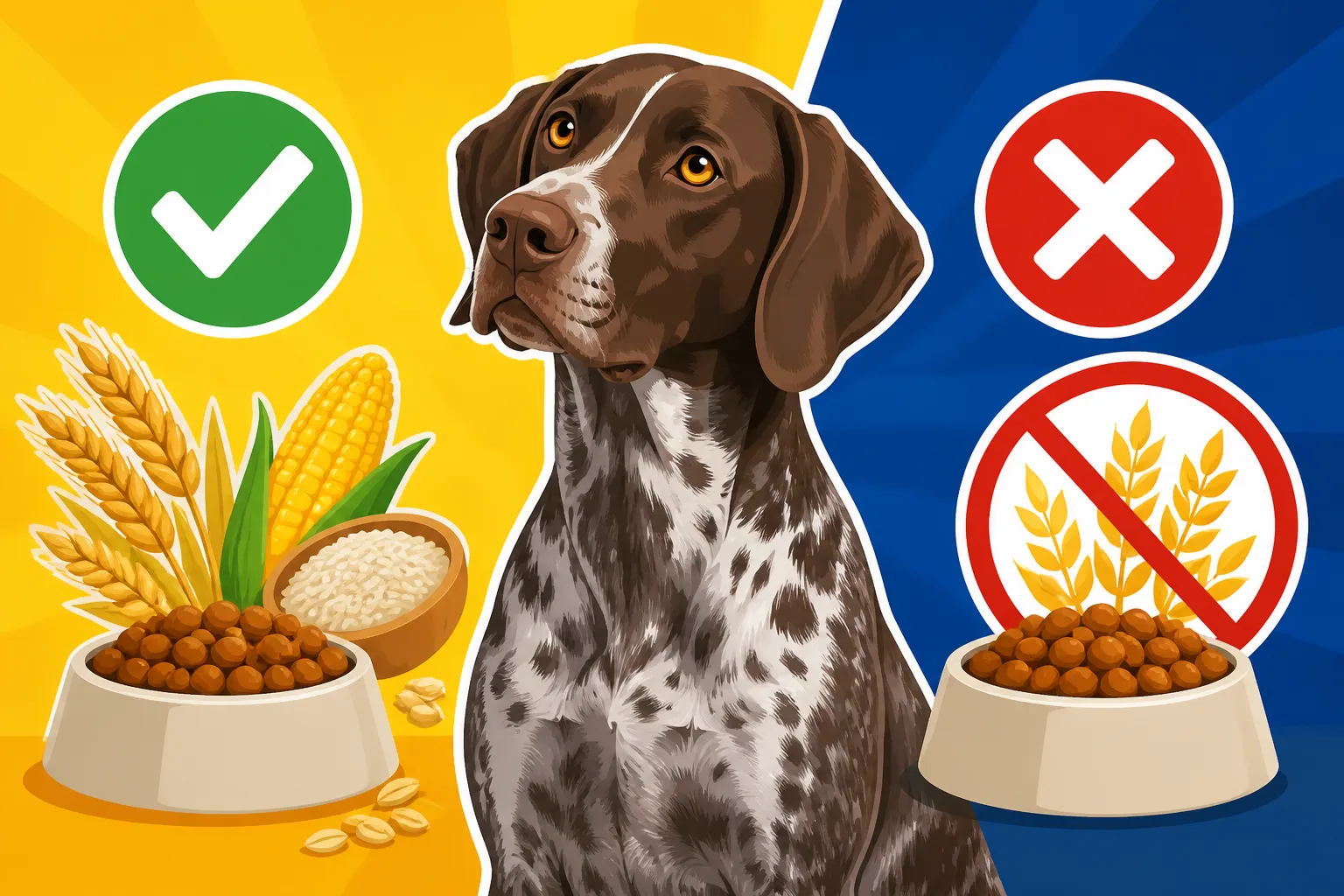
Here’s a quick overview of some considerations for grain-inclusive versus grain-free:
| Feature | Grain-Inclusive Diets (with healthy grains) | Grain-Free Diets (with high legumes/potatoes) |
|---|---|---|
| Typical Carbohydrate | Brown rice, oats, barley, millet, corn, wheat (if no allergy) | Peas, lentils, chickpeas, potatoes, sweet potatoes |
| Energy for GSPs | Excellent source of sustained energy for active dogs. | Can provide energy, but often with higher glycemic index for potatoes. |
| Fiber Content | Good source of soluble and insoluble fiber for digestive health. | High fiber from legumes, but can cause gas or digestive upset in some dogs. |
| Nutrient Profile | Often includes essential B vitamins, minerals, and antioxidants. | Nutrient density depends heavily on the specific legume/potato balance. |
| DCM Concern | Generally lower risk, as traditional grains have not been linked to DCM. | Linked to increased risk of diet-associated DCM in some cases (FDA alert). |
| Digestibility | Highly digestible for most dogs due to genetic adaptation. | Digestibility varies; some dogs thrive, others experience issues. |
| Allergy Prevalence | Actual grain allergies are rare; protein sources are more common culprits. | Often chosen mistakenly for perceived grain allergies. |
Making the Best Dietary Choices for Your GSP
Ultimately, the best diet for your German Shorthaired Pointer isn't just about grains; it's about a holistic approach that considers their individual health, activity level, and professional advice.
Consulting Your Veterinarian
This is perhaps the most crucial piece of advice. Before making any drastic changes to your Shorthair's diet, or if you're feeling uncertain, have an open conversation with your veterinarian. They know your dog's medical history, any sensitivities, and can provide guidance tailored to your specific situation. They can also help differentiate between a genuine food allergy (which is usually to a protein source, not grains) and simple food intolerance or digestive upset.
Your vet can recommend brands they trust, discuss the latest research on DCM, and advise on appropriate calorie intake, especially for a working dog who might need How Many Cups a Sixty Pound Shorthair Eats adjusted regularly based on their activity levels. Regular check-ups are key to staying on top of your Shorthair's health, and this includes discussions about their diet. Don't underestimate The Vet Schedule a Working Shorthair Should Keep for optimal health.
Monitoring Your Shorthair's Health on Any Diet
No matter if you choose a grain-inclusive or grain-free diet, the most important thing is to continuously monitor your German Shorthaired Pointer's health and well-being. Your dog is the ultimate indicator of whether a diet is working for them.
Look for these signs of a healthy dog:
- Good Energy Levels: Your Shorthair should be their usual energetic self, ready to go.
- Healthy Weight: They should maintain a healthy body condition – you should be able to easily feel their ribs but not see them prominently, and they should have a discernible waist. The Body Condition a Field Shorthair Should Carry is often very lean.
- Shiny Coat and Healthy Skin: A lustrous coat and clear skin, free from excessive scratching, flakiness, or redness, are excellent indicators of good nutrition. For dogs with specific issues, you might even consider Fish Oil for a German Shorthaired Pointer's Skin.
- Firm, Consistent Stool: Well-formed, consistent bowel movements are a sign of good digestion.
- Good Appetite: Your GSP should be eager to eat their meals.
If you notice any changes in these areas – lethargy, weight loss or gain, dull coat, digestive upset, or changes in behavior – it’s time to consult your vet. They can help identify if the diet is truly the issue or if there's an underlying health concern.
In conclusion, for most German Shorthaired Pointers, a high-quality, grain-inclusive diet from a reputable brand is not only perfectly acceptable but often recommended by veterinary professionals. The key is to prioritize nutrient-dense, balanced formulations and work with your vet to ensure your exceptional companion receives the optimal nutrition they need to live a long, healthy, and active life.
Disclaimer
This article is for general informational purposes only and does not constitute professional advice. Laws, prices and regulations vary by location and change over time. Consult a qualified professional for guidance on your specific situation.