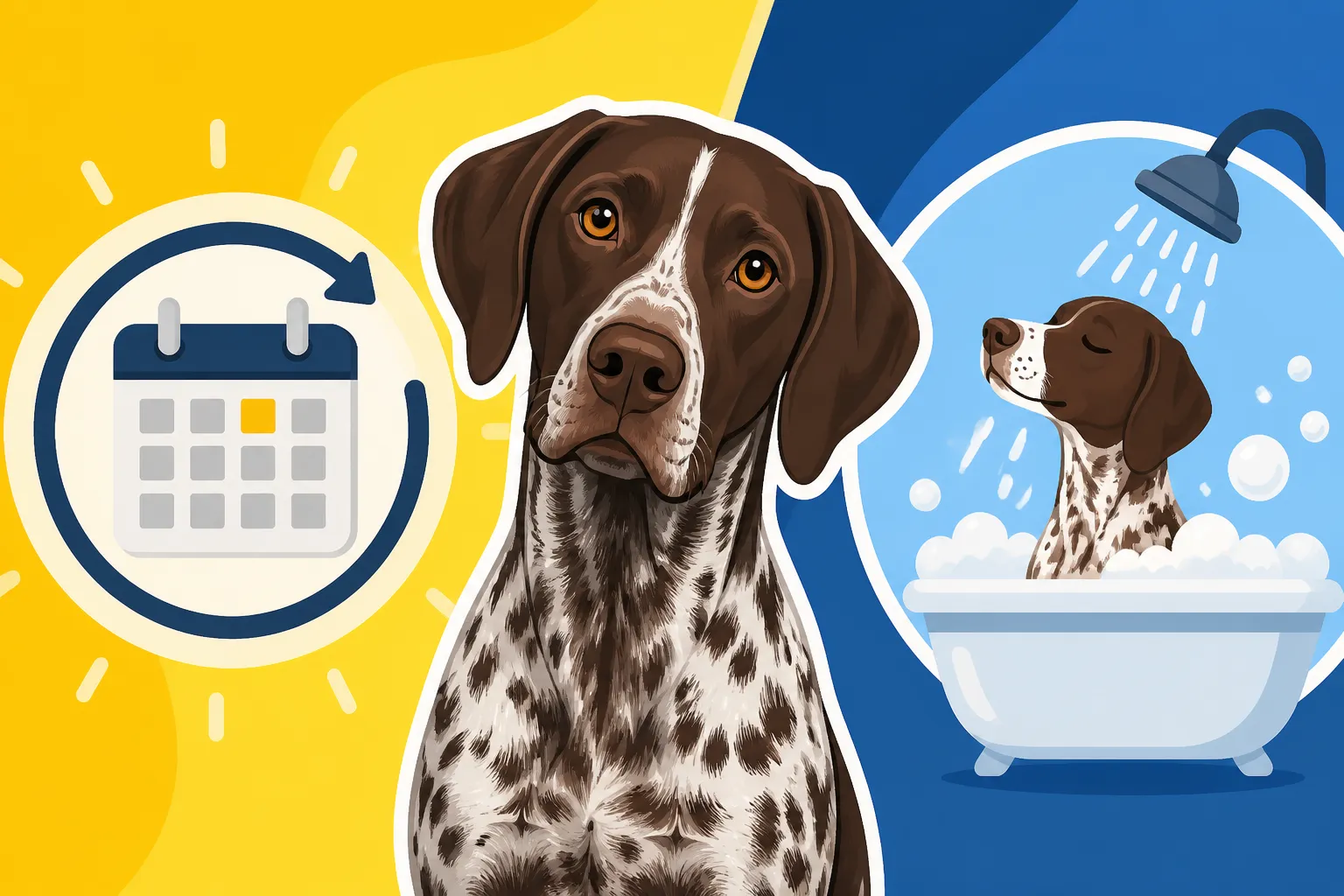
How Often a Shorthair Needs Washing
It’s a common misconception that a German Shorthaired Pointer, with their sleek, short coat, doesn't need much in the way of bathing. Many people assume less hair means less fuss. But if you live with one of these energetic, adventurous dogs, you know that’s far from the truth! Their passion for mud, water, and anything pungent can leave you wondering how often you really need to wash your Shorthair to keep them clean, healthy, and smelling pleasant without stripping their natural coat oils. This guide will help you navigate the murky waters of GSP bathing, balancing cleanliness with coat health.
Understanding Your Shorthair's Coat and Skin Needs
German Shorthaired Pointers are incredible athletes with a coat built for purpose. It's not just a short layer of hair; it's a finely tuned system designed to protect them in all sorts of environments. Understanding this is key to figuring out their bathing needs.
The GSP's Dense Short Coat and Natural Skin Oils
Unlike some breeds with thick undercoats, your Shorthair has a dense, close-lying coat that provides surprising protection. It's not truly a double coat in the fluffy sense, but it is remarkably weather-resistant. This coat, combined with their skin, produces natural oils that act as a protective barrier. These oils repel water, dirt, and even help regulate their body temperature. They're part of what allows your Shorthair to plunge into icy duck ponds or crash through dense cover with relative impunity.
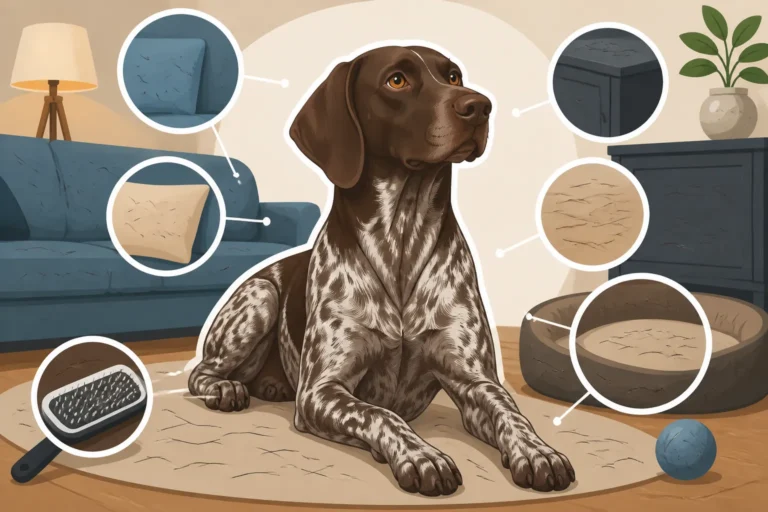
The challenge comes when we over-bathe. Stripping these essential oils too frequently can lead to dry, flaky skin, increased itching, and a dull coat. It can even make them more susceptible to skin irritations and infections because their natural defenses are compromised. Think of it like washing your own hands too often with harsh soap – eventually, they get dry and cracked. We want to clean our Shorthairs effectively, but gently, respecting their natural biology. You might wonder, How Much a German Shorthaired Pointer Really Sheds or if their shedding contributes to the "dirty dog" feeling, and while it does, bathing is more about skin health and smell than just removing loose hair.
When Dirt Isn't the Only Culprit: Addressing Odor and Allergens
Let’s be honest, sometimes our Shorthairs just stink. And it’s not always visible mud or grime. Their adventurous spirit means they roll in things no sane creature would touch, swim in questionable ponds, and generally collect the essence of the great outdoors. This is often the primary driver for a bath, much more so than a strict schedule.
Beyond the visible dirt and the lingering scent of "eau de swamp," your Shorthair can accumulate allergens like pollen, dust, and environmental irritants. If your dog suffers from seasonal allergies, regular rinsing or even bathing can help remove these irritants from their coat, reducing skin itchiness and discomfort. Furthermore, a buildup of dead skin cells and environmental pollutants can contribute to that distinct "doggy odor" even on a seemingly clean dog. So, while you might not see the need for a bath, your nose (and your Shorthair's comfort) often knows best.
Finding the Right Bathing Rhythm for Your German Shorthaired Pointer
So, how often is "enough" without being "too much"? The answer, like with most things GSP, is nuanced and depends heavily on their lifestyle. There's no one-size-fits-all calendar here.
The "As Needed" Approach vs. Scheduled Baths
For most German Shorthaired Pointers, an "as needed" bathing approach is best. This means bathing them when they are visibly dirty, covered in something foul-smelling, or when their skin condition warrants it. For a pet Shorthair who spends most of their time indoors and enjoys daily walks in controlled environments, this might mean a full bath every 2-3 months. For a hardcore hunting dog or one that loves swimming in every muddy creek they find, it could be once a month or even more frequently, supplemented with thorough rinses.
A full, sudsy bath too often can dry out their skin. However, a good rinse with plain water after a muddy outing or a swim in a murky pond is almost always a good idea and doesn't count as a "full bath" in the same way. You're simply removing external contaminants without stripping the natural oils with shampoo. This is especially true after they’ve been in natural water bodies, as you'll want to be Rinsing a German Shorthaired Pointer After Pond Water to prevent skin issues.
Consider these factors when deciding on a bath:
- Smell: Is your dog starting to smell a bit ripe? That’s a good indicator.
- Visible Dirt: Are they covered in mud, dust, or something questionable? Definitely time for a clean-up.
- Itchiness/Skin Issues: If they're scratching more than usual, a bath with a soothing shampoo might help remove irritants. Sometimes a medicated shampoo, as discussed in Shampoo for a German Shorthaired Pointer With Bad Skin, might even be recommended by your vet.
- Allergies: Regular bathing can reduce environmental allergens on their coat.
Factors Influencing Bathing Frequency
Your GSP's lifestyle is the biggest determinant of how often they'll need a proper scrub.
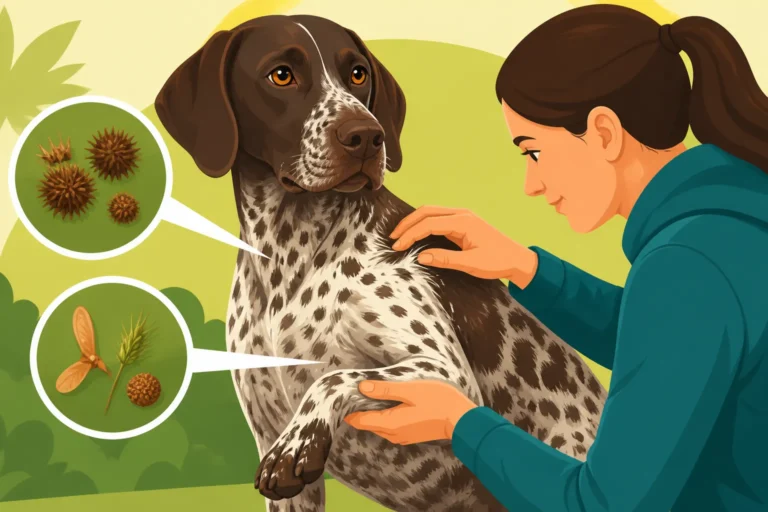
- Activity Level and Environment: A Shorthair that spends weekends hunting pheasants in wet fields or swimming in lakes will need more frequent baths and rinses than one who mostly exercises in a fenced backyard. Exposure to dirt, mud, brush, and water sources all play a role. If they’re always Checking a German Shorthaired Pointer for Burrs and Seeds, they’re probably also picking up plenty of dirt.
- Skin and Coat Health: Dogs with dry skin, allergies, or certain skin conditions might need specialized bathing routines. Your vet might recommend specific shampoos or a more frequent bathing schedule to manage these issues. Conversely, a dog with perfectly healthy skin might tolerate less frequent baths without issue. For ongoing issues, you might want to learn about Managing Scaling Skin on a German Shorthaired Pointer.
- Seasonality: Summer often brings more outdoor adventures, swimming, and rolling in dusty fields, increasing the need for baths. Winter might see fewer full baths, but perhaps more paw rinses to remove salt or ice melt after walks. However, if they get wet in cold weather, proper Drying a German Shorthaired Pointer in Cold Weather is crucial.
- Living Situation: If your Shorthair spends a lot of time indoors on furniture or beds, you might feel the need to bathe them more often for your own comfort, even if their skin doesn’t strictly require it. A quick wipe-down with a damp cloth can often extend the time between full baths for these indoor-loving pups.
Ultimately, the goal is to find a balance. You want your Shorthair to be clean and comfortable, but not at the expense of their skin and coat health.
Practical Tips for a Successful Shorthair Bath
Bathing a German Shorthaired Pointer doesn't have to be a wrestling match. With the right tools and approach, you can make it a relatively stress-free experience for both of you.
Choosing the Right Products
The products you use are just as important as the frequency of bathing. You wouldn't use dish soap on your own hair, and your Shorthair deserves the same consideration!
- Dog-Specific Shampoo: Always use a shampoo formulated specifically for dogs. Human shampoos have a different pH balance and can irritate your dog’s skin. Look for gentle, moisturizing formulas, especially if you bathe frequently. Hypoallergenic or oatmeal-based shampoos can be great for sensitive skin. Some popular brands offer excellent dog shampoos, and you can often find a wide selection on platforms like Chewy or Amazon, offering everything from soothing oatmeal to deep-cleaning options.
- Conditioner (Optional but Recommended): A good dog conditioner can help restore moisture to the coat and skin, making it softer and shinier. It can be particularly beneficial if your Shorthair has dry skin or if you bathe more often.
- Deshedding Tools: While not a bathing product, a good grooming mitt or brush will help remove loose hair before and after bathing, which can make the bath itself more effective and reduce shedding afterward. The right The Grooming Mitt That Suits a Shorthair Coat can make a huge difference.
Remember, if your dog has a known skin issue, consult your veterinarian for specific shampoo recommendations. They might suggest a medicated shampoo for conditions like allergies or bacterial infections.
Making Bath Time Stress-Free
A positive bath experience starts before the water even turns on.
- Preparation is Key: Brush your Shorthair thoroughly before bathing to remove any loose hair, dirt, or mats (though mats are rare with their short coat). This helps the shampoo penetrate better and reduces clogging drains. Gather all your supplies—shampoo, conditioner, towels, maybe some treats—within arm's reach.
- Location, Location, Location: For smaller Shorthairs, a utility sink or a large tub might work. For larger dogs, a walk-in shower or an outdoor setup with a hose (weather permitting) is usually best. Make sure the area is secure and you have good footing.
- Lukewarm Water: Test the water temperature on your wrist. It should be comfortably warm, not hot or cold.
- Wet Thoroughly: Get your Shorthair completely wet from head to tail. Be careful around their eyes and ears. You can place cotton balls gently in their ears to prevent water from entering, which can lead to infections. The Smell That Means a Shorthair's Ear Is Infected is something you definitely want to avoid.
- Shampoo and Lather: Apply shampoo and work it into a good lather, massaging it gently into their coat and skin. Pay attention to dirty areas like paws, belly, and under the tail. Let the shampoo sit for a few minutes if directed by the product, or if your vet has recommended it for a medicated wash.
- Rinse, Rinse, Rinse: This is crucial! Any shampoo residue left on the skin can cause irritation and dryness. Rinse until the water runs completely clear and you can't feel any slickness on their coat.
- Condition (if using): Apply conditioner, let it sit for a few minutes, then rinse thoroughly.
- Towel Dry: Use absorbent towels to get as much water off as possible. Shorthairs dry relatively quickly thanks to their coat, but a good towel dry helps prevent chills, especially in cooler weather. For particularly cold days, you might use a dog-specific blow dryer on a cool setting, but always keep it moving and don't blast them with heat. Many active GSPs can be prone to Hot Spots on a Shorthair After Swimming, so ensuring they are thoroughly dry is important.
- Reward: End bath time with praise, affection, and treats! This helps create a positive association with the experience.
Beyond the Bath: Maintaining Coat Health Between Washes
Bathing is just one piece of the puzzle. Regular grooming and proactive care are essential to keep your German Shorthaired Pointer looking, feeling, and smelling their best.
Regular Brushing and Wiping Down
Even if your Shorthair doesn't need a full bath, regular brushing is incredibly beneficial. For their short coat, a rubber curry brush or a grooming mitt works wonders. These tools help to:
- Remove Loose Hair: German Shorthaired Pointers shed, often more than people expect for a short-coated dog. Regular brushing minimizes the amount of hair that ends up on your furniture and floors.
- Distribute Natural Oils: Brushing helps spread those protective skin oils evenly across the coat, promoting a healthy sheen and deterring dryness.
- Stimulate Circulation: The massage action from brushing can improve blood flow to the skin, which contributes to overall skin health.
- Bonding Time: It's a wonderful opportunity for you and your dog to connect and for you to perform a quick health check.
For daily maintenance, especially after outdoor adventures, a damp cloth or a pet-safe grooming wipe can do wonders. Wipe down their legs, belly, and any visibly dirty areas. This can significantly extend the time between full baths and keep that "outdoorsy" smell at bay. Products like Ollie sometimes offer grooming wipes or balms that can be useful for quick clean-ups.
Addressing Specific Concerns
Between baths, pay attention to specific areas that are prone to problems.
- Ears: German Shorthaired Pointers have dropped ears, which can create a warm, moist environment perfect for yeast and bacteria to grow. This makes them susceptible to ear infections, especially if they love to swim. Routinely check their ears for redness, discharge, or odor. Gently clean them with a vet-approved ear cleaner as needed. You might find that Whether Weekly Ear Cleaning Is Enough for a Shorthair is a question you'll answer with a resounding "yes!"
- Paws: Active Shorthairs can pick up all sorts of debris between their paw pads. Check their paws regularly for cuts, foreign objects like thorns or grass awns, or excessive dryness. A quick rinse and dry after walks can prevent irritation and infection.
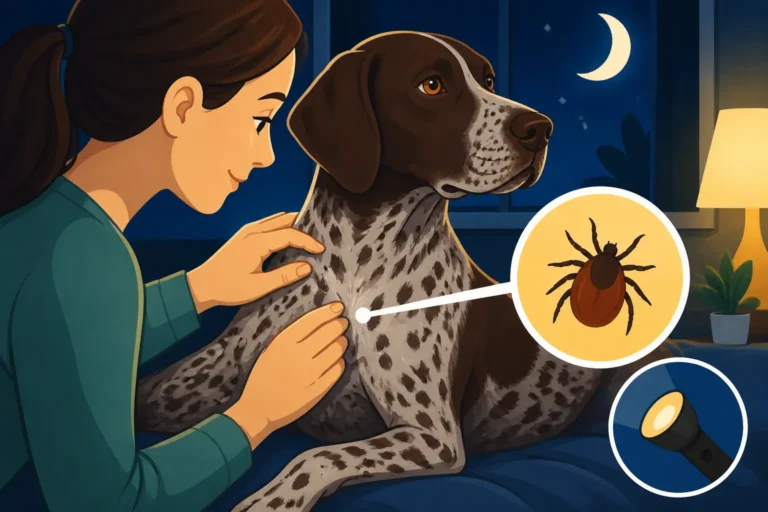
- Skin Health: Be observant for any changes in their skin – redness, flakiness, bumps, or excessive scratching. These can be signs of allergies, parasites, or other dermatological issues. Early detection means faster treatment. Supplements like Fish Oil for a German Shorthaired Pointer's Skin can also contribute to overall coat and skin health from the inside out.
By understanding your German Shorthaired Pointer's unique coat, adopting an "as needed" bathing approach, and committing to regular grooming in between, you can ensure your adventurous companion stays healthy, happy, and pleasantly presentable.
Disclaimer
This article is for general informational purposes only and does not constitute professional advice. Laws, prices and regulations vary by location and change over time. Consult a qualified professional for guidance on your specific situation.